
Save Your Floor: How To Protect Wood Floors From Dog Urine
Can dog urine ruin wood floors? Yes, it absolutely can. Dog urine can cause lasting damage to your beautiful wood floors. It creates dark stains and leaves a strong, bad smell. This happens because urine is acidic at first, then becomes alkaline. This shift causes damage to the wood and its finish. The ammonia in urine also harms the wood over time. Plus, the moisture from urine can warp or swell the wood planks. But don’t worry. You can take steps to protect your floors from these messes. This guide will show you how.
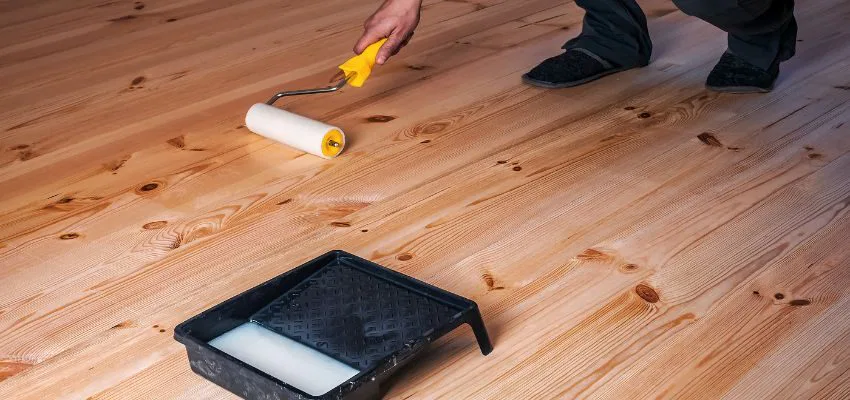
Image Source: usvintagewood.com
The True Threat of Dog Urine to Wood Floors
Dog urine is more than just a liquid mess. It is a complex mix of chemicals. These chemicals are very bad for wood. When urine hits your floor, it starts a damaging process.
First, the urine is acidic. It can eat away at the floor finish. This opens up the wood grain. Then, as it dries, urine turns alkaline. This alkaline state causes dark stains. These stains are very hard to remove. They often go deep into the wood.
Second, urine contains ammonia. Ammonia is a harsh chemical. It can break down wood fibers. This makes the wood weaker. It also makes the stain harder to clean. Over time, the ammonia smell can get trapped in the wood. This can lead to repeat accidents. Dogs often pee where they smell old urine.
Third, moisture is a big problem. Wood and water do not mix well. Urine can soak into the wood. This makes the wood swell up. It can even warp or buckle. This is especially true if the urine sits for a long time. The moisture can also lead to mold or mildew growth under the floor. This creates a health risk. It also makes the smell worse.
In short, dog urine is a triple threat. It stains, it breaks down wood, and it causes moisture damage. Acting fast is key to saving your floors.
Quick Action: Your First Defense
Speed is your best friend when a dog has an accident. The faster you clean, the less damage will happen.
Steps for Immediate Cleanup
Follow these simple steps right away:
- Blot, Don’t Rub: Use paper towels or a clean cloth. Press firmly on the wet spot. This soaks up the urine. Do not rub the mess. Rubbing can spread the urine. It also pushes it deeper into the wood.
- Soak Up All Liquid: Keep blotting until the area feels dry. Use many fresh paper towels. You want to get as much liquid as possible.
- Clean the Spot: Mix a small amount of mild dish soap with warm water. Dampen a cloth with this mix. Gently wipe the area. This helps remove any urine residue.
- Rinse and Dry: Wipe the spot with a clean, damp cloth. Then, dry the area completely. You can use a dry towel. Make sure no moisture is left on the wood.
- Use an Enzymatic Cleaner: This step is very important. Enzymatic cleaners break down urine proteins. They get rid of the odor at its source. This stops your dog from peeing in the same spot again. Apply it as directed on the bottle. Let it sit for the recommended time. Then blot it dry.
Products for Fast Cleanup
Having the right tools ready makes clean-up easy.
- Absorbent Paper Towels or Microfiber Cloths: These soak up liquid well.
- Mild Dish Soap: Good for general cleaning.
- Enzymatic Pet Urine Cleaner: This is a must-have for dog owners. Look for cleaners specifically for pet urine. Brands like Nature’s Miracle or Rocco & Roxie are popular. These cleaners are vital for preventing dog urine stains on wood. They attack the odor-causing molecules.
Proactive Protection: Building a Urine Barrier
Stopping urine from reaching the wood is the best method. You can do this by using certain floor finishes and sealants. This creates a pet urine barrier for hardwood floors.
Sealing Wood from Pet Urine
A good sealant acts as a shield. It keeps moisture from soaking into the wood. This is key for hardwood floor urine protection.
- Polyurethane Coating Dog Urine Defense: Polyurethane is a popular choice. It creates a durable, plastic-like layer. This layer sits on top of the wood. It is very resistant to water and scratches. For the best protection, choose an oil-based polyurethane. It is tougher than water-based options. It also takes longer to dry. Many coats are often needed. Each coat adds to the barrier.
- Water-Based Polyurethane: This type dries faster. It has less odor. It is also easier to clean up. It is a good choice for light use. But it might not be as tough as oil-based poly. It still offers good protection against dog pee.
- Oil-Modified Polyurethane: This is a mix of oil-based and water-based. It offers a good balance of hardness and ease of use. It is a strong option for dog pee resistant floor finish.
Other Dog Pee Resistant Floor Finish Options
While polyurethane is great, other finishes offer protection too.
- Epoxy Finishes: These are very tough. They create a completely waterproof surface. Epoxy is often used in garages. It can make wood floors look very shiny, almost like plastic. It offers the best waterproof wood floor sealant dogs can have. It is also a very good urine-proof flooring option for pets. But it can be very expensive. It also requires professional application.
- Penetrating Oil Sealants: These oils soak into the wood. They do not form a layer on top. They harden inside the wood. This makes the wood more water-resistant. But they are not as waterproof as polyurethane or epoxy. They might need more frequent re-application. They are a good choice if you want a natural look for your floor.
- Wax Finishes: Wax creates a soft, warm look. It offers some water protection. But it is not as strong as polyurethane or epoxy. It is also easier to scratch. Wax is not the best floor protector for dog accidents if you want strong water resistance. It needs regular upkeep.
Choosing the Best Floor Protector for Dog Accidents
The best choice depends on your needs.
- For High Traffic and Active Dogs: Oil-based polyurethane or epoxy is best. They offer maximum protection.
- For Moderate Traffic: Water-based polyurethane is a good balance.
- For Natural Look and Less Protection: Penetrating oils or waxes. But be ready for more quick cleanups.
Table 1: Comparing Floor Protection Options
| Protection Type | Key Features | Dog Urine Protection Level | Durability | Aesthetic | Best For |
|---|---|---|---|---|---|
| Oil-Based Polyurethane | Hard, durable, amber tint, strong odor | High | Excellent | Warm, slightly amber | High traffic, active dogs, maximum defense |
| Water-Based Polyurethane | Clear, faster dry, less odor | Medium-High | Good | Clear, natural look | Moderate traffic, lighter use |
| Epoxy Finishes | Extremely hard, waterproof, high gloss | Very High | Excellent | Plastic-like, very shiny | Extreme protection, very active dogs |
| Penetrating Oil Sealant | Soaks into wood, natural feel, easy touch-up | Medium | Good | Natural, matte | Natural look preference, quick cleanups |
| Wax Finishes | Soft sheen, traditional look, needs re-waxing | Low | Fair | Soft, warm | Low risk of accidents, traditional homes |
Stopping Accidents: Training and Management
The best way to protect your floors is to stop accidents from happening. This involves good dog potty training floor protection.
Potty Training Basics
- Frequent Potty Breaks: Take your dog out often. Puppies need to go out every 1-2 hours. Adult dogs need to go out at least 3-5 times a day. Take them out after waking up, playing, and eating.
- Set a Schedule: Dogs thrive on routine. Take them out at the same times each day. This helps them learn when and where to go.
- Positive Reinforcement: Praise your dog when they potty outside. Give them a treat. Make it a happy event. This helps them connect outside potty breaks with good things.
- Supervise Your Dog: Watch your dog closely when they are inside. If they start sniffing, circling, or squatting, quickly take them outside.
- Crate Training: A crate can be a great tool. Dogs do not like to soil their sleeping area. A properly sized crate is big enough for them to stand and turn around. It should not be too big. If it’s too big, they might use one end as a bathroom. The crate is a safe den for them. It helps them hold their bladder.
- Puppy Pads or Dog Litter Boxes: These can be useful for small dogs. They also work for dogs that are alone for long hours. But try to move outdoor training forward. You want your dog to go outside.
Managing Your Home Environment
- Block Off Areas: Use baby gates or pet barriers. Block off rooms with wood floors. This is good for new puppies or dogs still learning.
- Temporary Floor Covers: During training, use rugs or mats. You can also use plastic runners. These can protect vulnerable areas. They are easy to clean or replace. These are good for best floor protector for dog accidents during training.
- Clean Old Accidents Thoroughly: Use an enzymatic cleaner every time. This gets rid of the smell. If your dog smells old urine, they will likely pee there again. Preventing dog urine stains on wood starts with proper cleaning. This stops repeat marking.
Fixing Damaged Floors: Restoring Beauty
Sometimes, accidents happen. Even with the best efforts, a stain might appear. But you can often fix light damage.
Dealing with Stains and Odors
- For Fresh Stains: Follow the immediate cleanup steps. Then use an enzymatic cleaner. Apply it heavily. Let it sit for hours, or even overnight. Cover the spot with a damp cloth and plastic wrap. This keeps the cleaner wet. It lets it work deeper.
- For Old, Dark Stains: These are harder to remove.
- Hydrogen Peroxide: For very dark stains, hydrogen peroxide can help. Test it first on a hidden spot. It can lighten wood. Apply a 3% hydrogen peroxide solution. Soak a cloth in it. Place it on the stain. Cover with plastic wrap. Let it sit for a few hours. Check often. Rinse well afterward.
- Oxalic Acid: This acid is found in wood bleaches. It helps remove black water stains and iron stains. It can also help with urine stains. Follow product directions very carefully. Use gloves and good ventilation. Test in a hidden area first.
- Odor Removal: If the smell remains after cleaning, try a second round of enzymatic cleaner. You can also try baking soda. Sprinkle a thick layer over the dry, cleaned spot. Let it sit overnight. It absorbs odors. Then vacuum it up. For severe smells, you might need to seal the subfloor.
Refinishing and Repair
If stains are deep or damage is bad, you might need to refinishing.
- Sanding: This is often the only way to remove deep stains. Sanding removes the top layer of wood. It takes the stain with it. This is a big job. It creates a lot of dust.
- Light Sanding: For surface stains, you might only need light sanding. This removes the finish and the very top layer of wood.
- Deep Sanding: For very deep stains, you might need to sand more. This removes more wood. Be careful not to sand too much. Wood floors have a limit to how many times they can be sanded.
- Restaining: After sanding, you can restain the wood. You can match the old color or choose a new one.
- Re-sealing: After sanding and staining, you must re-seal the floor. Use a strong, durable finish. Polyurethane coating for dog urine is a good choice here. This will protect your newly restored wood. It helps prevent future damage.
- Board Replacement: For severely damaged boards, replacement might be needed. This happens if boards are warped, buckled, or deeply stained. A professional can match and replace individual boards.
When to Call a Professional
Sometimes, the job is too big for a DIY fix.
- Large Stained Areas: If many boards are stained, professional sanding and refinishing is best.
- Persistent Odors: If the smell stays even after cleaning, it might be in the subfloor. Pros have tools to find and fix this. They can also use stronger odor treatments.
- Warped or Buckled Boards: These issues need a professional. They know how to fix or replace damaged planks.
- Applying Complex Finishes: If you want epoxy or other special finishes, hire a pro. These coatings need exact application.
Long-Term Floor Care and Maintenance
Even with protection, ongoing care helps your floors last.
- Regular Cleaning: Sweep or vacuum regularly. This removes dirt and grit. These tiny bits can scratch your floor finish. Scratches make the floor more open to urine damage.
- Wipe Spills Immediately: Even water can harm wood if left. Clean all spills quickly.
- Use Proper Cleaners: Only use cleaners meant for wood floors. Avoid harsh chemicals or too much water.
- Keep Nails Trimmed: Trim your dog’s nails often. Long nails can scratch the floor finish. This makes it easier for urine to soak in.
- Place Mats at Entryways: Mats catch dirt and moisture from outside. This stops them from getting onto your wood floors.
- Protect High-Traffic Areas: Use rugs or runners in spots your dog uses often. This adds an extra layer of protection. These are good for best floor protector for dog accidents.
- Reapply Finish as Needed: Over time, floor finishes wear down. Watch for dull spots or scratches. Reapply your finish every few years. This keeps your pet urine barrier for hardwood floors strong.
Urine-Proof Flooring Options for Pets: Beyond Wood
If you are thinking about new floors, consider these pet-friendly options. They are nearly urine-proof.
- Luxury Vinyl Plank (LVP): LVP looks like wood or stone. It is very durable. It is also 100% waterproof. It is easy to clean. This is a top choice for pet owners.
- Tile: Ceramic or porcelain tile is waterproof. It is very hard to stain. It is also very durable. But it can be cold and hard. Grout lines can collect dirt.
- Concrete: Polished concrete is very durable and easy to clean. It is waterproof. It has a modern look.
- Laminate (Water-Resistant): Some new laminates are water-resistant. They have special cores and coatings. But they are not fully waterproof like LVP or tile. Always check the waterproof rating. Older laminate types are very bad with water.
While these options are great, this article focuses on how to protect your existing wood floors. Knowing your options for urine-proof flooring for pets can help you make smart choices for new builds or major renovations.
Conclusion: Keep Your Wood Floors Safe
Protecting your wood floors from dog urine needs a plan. It starts with fast cleanup. Then, it means adding strong barriers like polyurethane. Good potty training is also key. It stops accidents before they happen. Regular care keeps your floors looking great.
By following these tips, you can enjoy both your beloved dog and your beautiful wood floors. You can have a home that smells fresh and looks clean. This way, you save your floor, and you save yourself from stress.
Frequently Asked Questions (FAQ)
Q1: How do I get old dog urine stains out of hardwood floors?
A1: For old stains, start with an enzymatic cleaner. If the stain remains, try hydrogen peroxide (3%) or oxalic acid. Always test in a hidden spot first. For very deep or widespread stains, sanding and refinishing the floor may be needed.
Q2: What is the best waterproof wood floor sealant for dogs?
A2: Oil-based polyurethane is a strong, durable choice for a waterproof wood floor sealant. Epoxy finishes offer even higher waterproof protection but are more expensive and often need professional application.
Q3: Can I really prevent dog urine stains on wood floors completely?
A3: It’s hard to prevent them completely without a fully waterproof floor. But you can greatly reduce the risk. Quick cleanup, strong sealants, good potty training, and temporary floor covers all help prevent stains.
Q4: Is polyurethane coating good for dog urine protection?
A4: Yes, polyurethane coating is an excellent choice for dog urine protection. It forms a hard, protective layer over the wood. This layer resists moisture and scratches. Multiple coats provide the best barrier.
Q5: What are some good options for a pet urine barrier for hardwood floors?
A5: The best options for a pet urine barrier include durable finishes like oil-based polyurethane, epoxy, or even water-based polyurethane. Regular application of a strong, moisture-resistant floor finish creates this barrier.
Q6: What is the best floor protector for dog accidents during potty training?
A6: During potty training, a combination of temporary floor covers (like waterproof mats or plastic runners), frequent potty breaks, and consistent positive reinforcement training is best. Using enzymatic cleaners after accidents is also vital to remove odors and prevent repeat marking.
Q7: Should I use water-based or oil-based polyurethane for dog urine protection?
A7: Oil-based polyurethane offers superior durability and moisture resistance. It is often recommended for homes with pets. Water-based polyurethane is quicker to dry and has less odor but is generally less tough than oil-based.