
Image Source: clawguard.com
Your Guide: How To Protect Screen Door From Dog Today
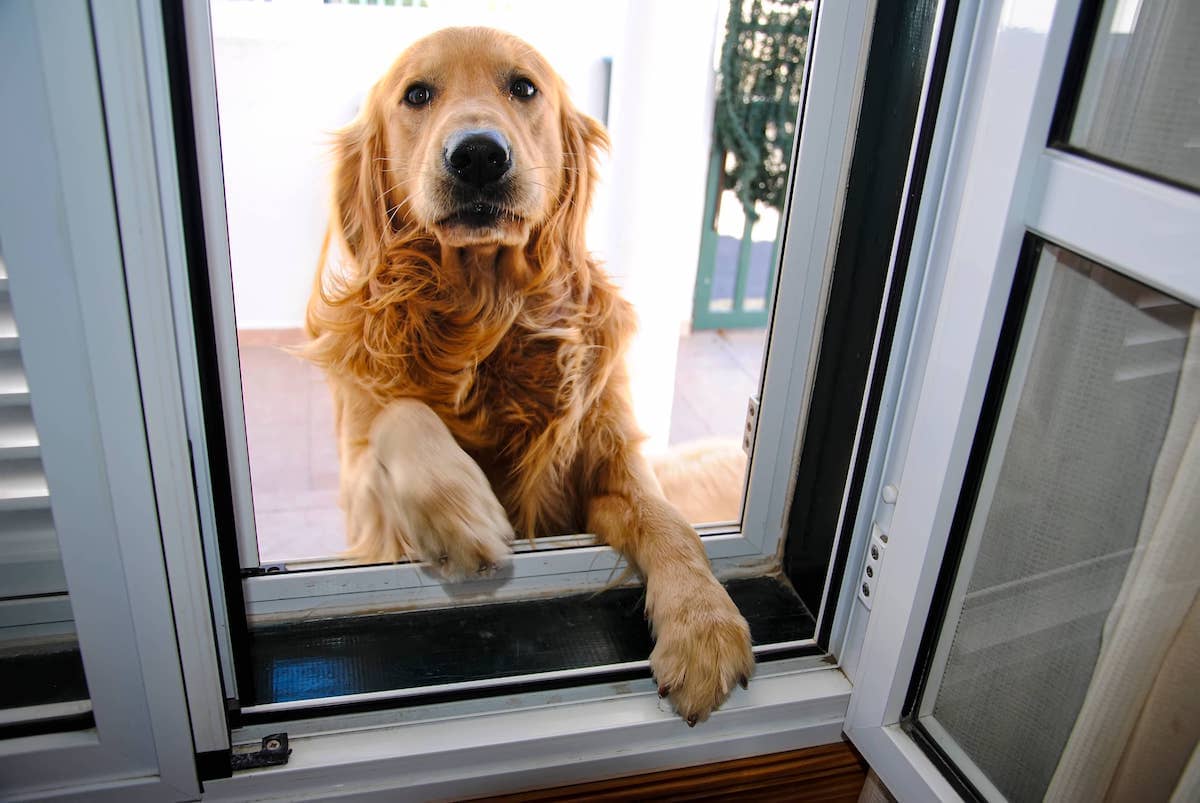
Dogs love screen doors. They let your dog see outside. They let fresh air in. But they are also very easy to break with paws and claws. So, how to protect screen door from dog? You can stop your dog from scratching, put something strong on the door, or change the screen to a tougher kind. This guide will show you the best ways to keep your screen door safe from your furry friend.
Grasping Why Dogs Scratch
Why do dogs scratch doors? It is not usually to be bad. They scratch for simple reasons.
* They see something! A squirrel, a person walking by, another dog. They want to get closer.
* They want to be with you. You step outside, and they want to come too. The door is in the way.
* They are bored. They need something to do. Scratching the door becomes a game or a way to get attention.
* They feel worried. Some dogs scratch when they feel scared or alone. It helps them feel better, but it hurts the door.
What Dog Paws Do
A dog’s claws are sharp. Even small paws can cause big problems.
* Tears: Claws catch on the thin screen material. A small tear can become a big hole very fast.
* Holes: Dogs push or jump at the door. Their paws go right through the screen.
* Bent Frames: Big dogs jumping or pushing hard can bend the thin metal or plastic frame of the door.
* Damaged Paint/Wood: If they scratch the frame, they can mess up the finish too.
Once a screen door is broken, it is hard to fix it perfectly. It is better to stop the damage before it happens.
Fast Help vs. Real Answers
There are quick fixes for a screen door. You might tape a small hole. But these do not last. Dogs will find the weak spot again.
Real answers mean using products or training. These solutions stop the problem for good. We will look at both kinds of help.
Saving Your Current Screen
You can add things to your screen door to make it stronger. This uses what you have now.
Screen Door Protector Options
Many companies make products to protect screens. These are layers you add to the door. They sit between your dog and the screen.
- Kick Plates: These go on the bottom part of the door. Dogs often scratch low down. Kick plates are made of metal or strong plastic. They stop paws from hitting the screen itself. A simple screen door protector like a kick plate is easy to install.
- Grilles or Guards: These cover a bigger part of the screen. They can cover the whole screen or just the lower half. They are often made of metal or strong plastic mesh or bars. A metal screen guard for doors is a very strong option. It looks like a cage or a thick mesh over the screen. These guards take the hit from the dog’s paws. The screen stays safe behind the guard.
DIY Screen Door Protection Ideas
You do not always need to buy a ready-made protector. You can make one yourself. This is DIY screen door protection.
- Plastic Sheeting: You can buy clear, stiff plastic sheets. Cut the plastic to fit the size of the screen area you want to protect. You can use strong tape or small screws to attach it to the door frame. Make sure there are no sharp edges. This creates a smooth surface the dog cannot grip or tear.
- Wire Mesh: Buy a roll of strong wire mesh with small holes. Cut it to size. Fasten it to the screen door frame using staples or clips. Choose mesh that is strong but not too thick. It should be hard for paws to get through.
- Plywood or Hardboard: For a very strong, but maybe less pretty, option, cut a piece of thin plywood or hardboard. Cover the bottom part of the screen door. Paint it to match the door. This is a very solid barrier.
Table: Quick Look at Protection Methods
| Method | Material | Strength | Cost | Look |
|---|---|---|---|---|
| Kick Plate | Metal, Plastic | Good (low area) | Low-Med | Can look nice |
| Ready Guard (Grille) | Metal, Strong Plastic | Very Good | Med-High | Can look good |
| DIY Plastic Sheet | Stiff Plastic | Good | Low | Can be clear |
| DIY Wire Mesh | Strong Wire | Good | Low-Med | Industrial look |
| DIY Plywood/Hardboard | Wood, Pressed Board | Excellent | Low-Med | Solid, less open |
Using these protectors means your dog hits the protector, not the screen. This saves your screen from tears and holes.
Building a Tougher Door
Sometimes, adding a protector is not enough. Or maybe your screen is already broken. You can make the door itself stronger.
Using Heavy Duty Materials
You can buy screen doors made with stronger parts. A heavy duty screen door is built better from the start.
- Stronger Frame: The metal or vinyl frame is thicker and less likely to bend.
- Better Corners: The parts where the frame meets are stronger.
- Built-in Guards: Some heavy duty doors come with strong grilles already part of the design. This is like having a protector included.
If you need a new screen door anyway, look for one called “heavy duty” or “pet-friendly.” They cost more, but they last longer against dog paws.
Pet Screen Material Explained
This is a very popular solution. You replace screen with pet-resistant material. This material is made to be much stronger than regular screen.
- What it is: Pet screen material is usually made from tough polyester. It is coated with vinyl. This makes it much thicker and stronger than standard fiberglass or aluminum screen.
- How it works: The thick threads are hard for claws to tear. If a claw goes into it, the material stretches and goes back into place without breaking. It is also more resistant to chewing, making it a good screen door chew guard for the screen itself.
- Benefits:
- Much harder to tear or rip than normal screen.
- Can handle pushes and jumps better.
- Less likely to get holes.
- Still lets air through.
- Lets you see through, but might be a little less clear than thin screen.
- Drawbacks:
- Costs more than standard screen material.
- Can be a little harder to install because it is thicker.
- Might make the area behind the door slightly darker.
You can buy rolls of pet screen material and put it into your existing screen door frame. This is a common reinforce screen door method for the screen part. If your frame is strong enough, just changing the screen can solve the problem.
Reinforce Screen Door Frame
The screen is not the only part that can break. The frame can bend or pull apart. To reinforce screen door frames:
- Add Corner Brackets: If the corners are weak, add metal brackets. Screw them into the frame parts at each corner. This keeps the frame square and strong.
- Use Thicker Screws: Check the screws holding the frame together or holding the door in its track. Replace weak ones with thicker, stronger screws.
- Add a Middle Bar: Some doors have a bar across the middle. You can add one if your door does not have one. This makes the door more stiff and harder to push through the middle.
Reinforcing the frame makes the whole door unit stronger, so it can better handle your dog pushing against it, even if you add a strong screen or protector.
Stopping the Scratching
Putting things on the door is one way. Another way is to teach your dog not to scratch at all. This is often the best long-term solution.
Training Tips
Training takes time and patience. But it works.
- Teach a “Wait” or “Stay” command: Practice having your dog sit or stay a short distance from the door when you go out. Reward them when they do not rush the door.
- Teach “Go to Your Mat/Bed”: Train your dog to go to a specific place when you are using the door. Give them a treat when they go there instead of the door.
- Manage Exits: Make going outside calm. Do not make a big fuss. Ask your dog to sit before you open the door. Reward calm behavior.
- Correct Consistently: If you see your dog start to scratch, make a noise to interrupt them (like a sharp “Eh!”). Then, quickly redirect them to a toy or their mat. Never hit or yell angrily; this can make anxiety worse.
Deterrents
Some things can make the door area less appealing to your dog. These are dog scratch deterrent screen helpers, even if they are not part of the screen itself.
- Bitter Sprays: You can buy sprays that taste bad to dogs but are safe. Spray this on the frame (not the screen, as it can mess up visibility or material). Dogs lick the area, taste the bad spray, and learn not to chew or lick there.
- Scat Mats: These are mats you put near the door. When the dog steps on them, they make a noise or give a mild, harmless static pulse. This surprises the dog and makes the door area less fun.
- Movement-Activated Alarms: Small alarms you can place near the door. They go off when the dog gets too close, startling them away.
Use deterrents along with training. They help stop the behavior in the moment, giving you a chance to teach the dog what you want them to do instead.
Managing Dog Behavior
A tired dog is less likely to scratch. A dog with toys is less likely to be bored.
- Exercise: Make sure your dog gets enough walks, runs, or playtime outside. A dog with energy to burn is less likely to take it out on your door.
- Mental Stimulation: Puzzle toys, training sessions, or chew toys can keep your dog busy and tired mentally.
- Reduce Anxiety: If your dog scratches because they miss you, work on separation training. Start with leaving for very short times. Give them a special treat when you leave. Make arrivals calm. In severe cases, talk to a vet or a dog behavior expert.
Combining training and managing their needs is a powerful way to stop the scratching habit itself.
Looking Closely at Products
Let’s dive a bit deeper into specific types of protection you can buy.
Metal Screen Guards
These are very popular for a good reason. They are strong. A metal screen guard for doors is usually made of aluminum or steel mesh or bars.
- Pros:
- Excellent protection against scratching and pushing.
- Very durable, lasts a long time.
- Allows air flow.
- You can still see through it (though bars or thick mesh can block the view a bit).
- Cons:
- Can be expensive.
- Installation might need tools like a drill.
- Adds weight to the screen door.
- Can change the look of your door significantly.
- Installation: Most metal guards screw into the frame of the screen door. You hold it in place, mark the spots, drill small pilot holes, and screw it in. It needs to be attached firmly so the dog cannot push it off.
Plastic/Acrylic Panels
Clear panels offer protection while keeping the look clean. They act as a solid screen door protector.
- Pros:
- Very good protection from claws.
- Keeps visibility clear (if using clear material).
- Easy to clean.
- Can also help keep out bugs if installed well.
- Cons:
- Can scratch over time, making them less clear.
- May block some air flow compared to mesh.
- Can trap heat on sunny days.
- Some plastics can become brittle over time in the sun.
- DIY Option: As mentioned, you can buy acrylic or polycarbonate sheets (like Lexan) from a hardware store. Cut to size and attach. This is often cheaper than buying a ready-made plastic protector.
Pet-Proof Screen Fabric
Replacing your old screen with pet screen material is a major upgrade. It makes the screen itself resistant.
- Choosing: Look for material specifically labeled “pet screen” or “pet resistant.” The thicker the threads, the stronger it usually is. Black screen is common, but other colors exist.
- Installation: This is similar to replacing any window or door screen. You need a spline roller tool, new spline (the rubber cord that holds the screen in the frame), and a utility knife.
- Take the screen door out of its frame.
- Remove the old spline and screen.
- Lay the new pet screen material over the frame, leaving extra on the sides.
- Use the spline roller to push the new spline into the groove, starting at one corner. Go slowly and make sure the screen stays flat, but not too tight.
- Cut off the extra screen material with a utility knife.
- Benefits of this method: The protection is built-in. It does not look like an add-on protector. It protects the entire screen area. This is a key part of dog proof screen door options for the material itself.
Chew Guards
Some dogs do not just scratch; they chew the door frame. A screen door chew guard protects the edges of the frame.
- What it is: These are usually L-shaped pieces of metal or tough plastic. They fit over the edge of the door frame that the dog chews.
- Installation: They screw or stick onto the edge of the frame where the dog is causing damage.
- Benefit: Protects the frame material from teeth marks and breaking down.
Picking What Works Best
Choosing the right way to protect your screen door depends on a few things. Think about your dog, your door, and your budget. This helps you pick from the many dog proof screen door options.
- Your Dog:
- Size and Strength: A small dog might only need a simple kick plate or strong screen. A large, strong dog might need a metal guard or a heavy duty door.
- Behavior: Does your dog just scratch when excited? Or do they scratch and chew when anxious? Chewing needs a chew guard. Anxiety needs training and behavior help.
- Motivation: Are they scratching to see outside? A clear protector works. Are they scratching to get to something specific? You need to manage that stimulus.
- Your Door:
- Type: Is it a sliding door, a hinged door, or French doors with screens? Some protectors fit certain types better.
- Condition: Is the frame already weak? You might need to reinforce the frame or get a new door. Is just the screen old? Replacing the screen is easier.
- Your Budget:
- Cheapest: DIY plastic sheet or wire mesh, simple kick plate, training.
- Medium: Ready-made screen door protector, replacing screen with pet screen material.
- Most Expensive: Heavy duty screen door replacement, custom metal guard.
Think about how much work you want to do. DIY needs time and effort. Buying ready-made products is faster to install.
Using a Mix of Methods
Often, the best answer is to use more than one method. This is like building layers of protection.
- Use pet screen material for a strong screen.
- Add a metal screen guard for doors on the bottom half for extra strength against scratching low down.
- Use training and deterrents (like a bitter spray on the frame) to teach your dog not to go near the door aggressively.
- Make sure your dog gets enough exercise so they are not bored and restless near the door.
This layered approach gives you the best chance of having a dog proof screen door that lasts.
How to Put Things On
Adding a protector or changing a screen needs some basic steps.
Putting on a Screen Guard/Protector:
1. Read the instructions that come with the product.
2. Hold the protector in place on the door. Use a pencil to mark where screws or clips go.
3. Use a drill to make small pilot holes if needed. This makes screwing easier and prevents splitting the frame.
4. Line up the protector again and screw it into the frame.
5. Check that it is tight and does not wobble. Make sure no sharp screw points stick out on the other side.
Replacing Screen with Pet Material:
(See steps mentioned earlier in the “Pet Screen Material Explained” section). Get the right tools: spline roller, new spline, utility knife. This job takes a little practice but is very doable for most people. You are essentially doing the replace screen with pet-resistant material task yourself.
Keeping It Safe
Once you have protected your door, keep it in good shape.
- Clean protectors and screens gently. Use soap and water. Avoid harsh chemicals that could hurt the material or your dog.
- Check screws and fastenings now and then. Make sure they are still tight.
- Look for any new scratch marks on the protector or frame. This might mean you need to try a different training method or add protection to another spot.
Regular checks keep your dog proof screen door working well for a long time.
Stories That Help
Imagine this: You just put up a clear plastic screen door protector. Your dog, Spot, runs to the door when he sees a cat. He jumps up, paws hitting the door. But instead of ripping the screen, his paws slide harmlessly on the smooth plastic! He looks confused for a second, then gives up and comes to you when you call. It works!
Or maybe you replaced your old screen with pet screen material. Your puppy, Daisy, is learning. She still tries to scratch sometimes. You see her claws snag a tiny bit on the new screen, but the strong material does not tear. You can calmly tell her “no,” and give her a chew toy. The material bought you time to train her without getting a new hole every day.
These solutions really do help protect your home and save you from costly repairs.
What It Might Cost
The price depends on what you choose.
- DIY: Might cost $20-$50 for materials like plastic sheeting or wire mesh.
- Kick Plates: $20 – $60.
- Screen Guards/Protectors: $30 – $150+, depending on size and material (metal is usually more). A metal screen guard for doors is on the higher end.
- Pet Screen Material: $10 – $20 per yard. Replacing a whole door screen might cost $20 – $50 for the material and spline.
- Heavy Duty Screen Door: $100 – $400+, depending on features. A door with built-in pet features will cost more.
Training takes time, not money, but it is priceless for stopping the behavior.
When to Call a Pro
Most people can install a kick plate or replace a screen. But sometimes you need help.
- If your door frame is badly damaged, a handyman or contractor might need to fix it or install a new frame.
- If you are not comfortable using tools to install a metal guard or replace a screen, a local screen repair shop or handyman can do it for you. They are experts at replace screen with pet-resistant material.
- If your dog’s scratching is due to severe anxiety or fear, a professional dog trainer or a vet behaviorist can provide expert help and training plans.
Simple Questions Answered (FAQ)
- Will pet screen material work for big dogs? Yes, pet screen material is much stronger than regular screen and works well for most dogs, including larger ones. It resists tears from claws.
- Is a screen door protector easy to clean? Yes, most are made of metal or plastic and can be wiped down with soap and water.
- Can I install a metal screen guard myself? Yes, most metal screen guard for doors come with instructions and hardware. You usually need a drill and screwdriver.
- How long does pet screen material last? It lasts much longer than standard screen when exposed to dog paws. It is very durable.
- Do chew guards hurt the dog? No, screen door chew guard products are just a hard barrier the dog cannot easily bite into. They do not harm the dog.
- Are heavy duty screen door options worth the cost? If your dog is very destructive or you need a new door anyway, a heavy duty screen door built to withstand pets can save you money and hassle in the long run.
- Does DIY screen door protection work as well as store-bought? It can, if you use strong materials and attach them securely. The look might not be as finished as a store-bought protector.
Final Thoughts
Protecting your screen door from your dog is possible. You have many choices. You can add a screen door protector like a guard or kick plate. You can use DIY screen door protection with materials like plastic. You can reinforce screen door frames. You can replace screen with pet-resistant material like pet screen material. For the strongest protection, you can get a heavy duty screen door or add a metal screen guard for doors. Don’t forget training and managing your dog’s energy. By choosing the right dog proof screen door options for your home and your dog, you can enjoy fresh air without worrying about holes and tears. Take action today to save your screen door!