
Image Source: usvintagewood.com
Prevent Damage: How To Protect Hardwood Floors From Dog Pee
Dog pee can harm hardwood floors. It causes stains and bad smells. It also breaks down the wood. But you can protect your floors. You can clean quickly. You can also use special finishes. You can make your floors safe from dog pee. This guide will show you how. We will cover many steps. These steps help your floors last.
Deciphering Dog Urine Hardwood Floor Damage
Dog pee is bad for wood floors. It has many chemicals. These chemicals hurt the wood. Pee causes dark spots. It also makes floors smell bad. We need to know why this happens.
What Makes Dog Pee So Harmful?
Dog pee is not just water. It has ammonia. It has uric acid. It also has salts. These things are harsh. When pee dries, it becomes stronger. The chemicals get more focused. They dig into the wood.
Hardwood floors are made of wood. Wood is like a sponge. It has tiny holes. These holes soak up liquids. Pee goes deep into the wood. It can go through the finish. It goes into the wood fibers.
How Pee Changes Wood
First, pee causes stains. The tannins in wood react with pee. Tannins are natural wood parts. This reaction makes dark black spots. These spots are hard to remove. They go deep into the wood grain.
Second, pee smells bad. Ammonia in pee breaks down. This creates a strong odor. The smell stays in the wood. It can stay for a long time. Even after cleaning, the smell may linger. Dogs can smell this. It might make them pee there again.
Third, pee damages the wood structure. Wet pee can make wood swell. Then, dry pee can make wood shrink. This change harms the wood. It can cause warping. It can make boards cup or buckle. The wood can also rot over time. This damage can be very costly to fix.
Your First Step: Quick Clean-Up and Good Habits
The best way to prevent dog pee stains on wood is to act fast. Clean pee up right away. This stops it from soaking in. Good training also helps a lot.
Act Fast: Immediate Cleaning Tips
- Blot, do not wipe: When you see fresh pee, grab paper towels. Or use a clean cloth. Press it firmly onto the pee. Let it soak up the liquid. Do not rub the pee around. This spreads it. It also pushes pee deeper into the wood. Keep blotting until the area is dry.
- Rinse lightly: After blotting, spray a little clean water. Use a very light mist. Do not drench the floor. This helps dilute any leftover pee. Blot this water up quickly too.
- Use a safe cleaner: Mix white vinegar with water. Use a 1:1 ratio. Or use an enzyme cleaner. Enzyme cleaners break down pee. They get rid of smells. Read the cleaner label. Make sure it is safe for hardwood. Spray the cleaner on the spot. Let it sit for a few minutes. Then, blot it up.
- Dry well: After cleaning, make sure the floor is very dry. Use a dry cloth. You can even use a fan. Air drying helps prevent future damage. Any moisture can harm wood.
Training Your Dog to Prevent Accidents
Good training is key for long term dog pee protection wood. It stops accidents before they happen.
- Potty breaks often: Take your dog out many times. Especially when they are young. Take them out after waking up. Take them out after eating. Take them out before bed. This helps them learn.
- Reward good behavior: Praise your dog when they pee outside. Give them a treat. Make it a good experience. They will want to do it again.
- Crate training: A crate can help. Dogs do not like to pee where they sleep. A crate helps them hold it. Then, you can take them outside.
- Clean old spots well: If your dog has peed indoors before, clean it well. Use an enzyme cleaner. This gets rid of the smell. If the smell stays, your dog might pee there again. They go by smell.
- Watch for signs: Learn your dog’s signals. Do they sniff around? Do they circle? Take them out fast if you see these signs.
These steps greatly reduce accidents. They are the first and most important defense.
Proactive Protection: Making a Hardwood Floor Urine Barrier
Cleaning fast helps. But the best way to prevent dog pee stains on wood is to seal your floors. A good seal acts like a shield. It stops pee from soaking in. This is about creating a hardwood floor urine barrier. This is a big step in dog proofing wood floors.
Types of Finishes for Pet Friendly Floor Finishes
Not all floor finishes are the same. Some work better against dog pee. You need a finish that resists moisture. You want a urine resistant hardwood coating.
- Polyurethane (Poly): This is a popular choice. It makes a strong, clear layer on top of the wood.
- Oil-based Polyurethane: This is very durable. It is good against scratches. It is also good against moisture. It gives wood a warm, amber color. But it smells strong. It also takes longer to dry. It can be hard to apply. It is a good choice for pet friendly floor finishes.
- Water-based Polyurethane: This dries faster. It has less smell. It stays clear. It is good for many homes. It is also durable. But maybe not as hard as oil-based poly. Still, it is a very good choice for a hardwood floor urine barrier. It makes a strong seal.
- Moisture-Cured Urethane: This is super strong. It is very resistant to chemicals and wear. It is used in places with high traffic. It is very good for dog proofing wood floors. But it is usually for pros to apply. It has a very strong smell. It cures fast with moisture in the air.
- Epoxy Coatings: These are extremely tough. They are often used in garages or factories. They make a waterproof wood floors for dogs. They are not common for homes. They can make wood look like plastic. They are very hard to remove later. But they are a complete barrier.
- Penetrating Oils: These soak into the wood. They do not form a layer on top. They give a natural look. They are easy to repair. But they are less resistant to liquids. Pee can still soak through if not cleaned fast. They need more upkeep. They are not the best choice for resisting pee.
- Hardwax Oils: These are a mix of oil and wax. They soak in and form a thin layer. They are more durable than pure oils. They are easy to repair spots. They are not as protective as polyurethane against pee. They offer a natural look.
For a strong hardwood floor urine barrier, polyurethane is usually the best mix of price, ease of use, and protection. Especially for urine resistant hardwood coatings, poly stands out.
Applying a Hardwood Floor Urine Barrier: Steps to Seal Hardwood Floors Against Pet Urine
Applying a good sealer is key. It stops pee from getting into the wood. This is how you seal hardwood floors against pet urine.
For Bare Wood Floors (New or Sanded):
- Prep the floor: Make sure the floor is clean. It must be very dry. Sand it smooth. Remove all dust. Use a vacuum. Then wipe with a tack cloth. A clean floor helps the finish stick well.
- Apply wood sealer: Some wood needs a special sealer first. This is a primer. It helps the finish stick better. It also helps block stains. Read the finish maker’s guide.
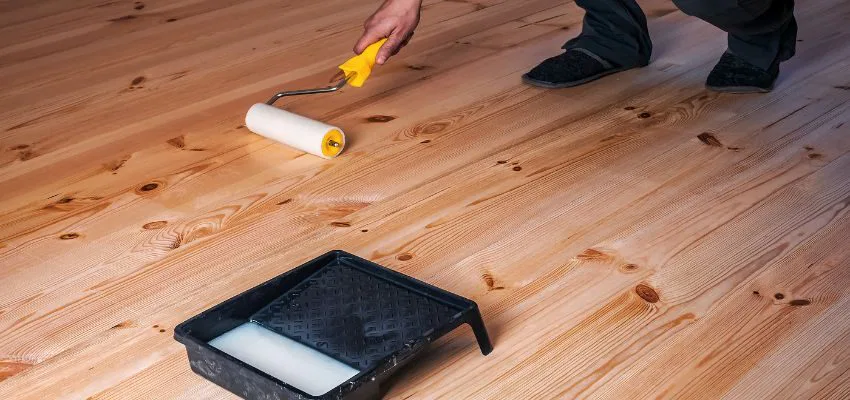
- Apply the first coat of finish: Use a good quality brush or roller. Follow the wood grain. Put on a thin, even coat. Do not make puddles. Let it dry completely. Drying time is often 4-8 hours. Check the product label.
- Light sanding between coats: After drying, lightly sand the floor. Use fine-grit sandpaper. This helps the next coat stick better. It also smooths out bumps. Clean off all dust after sanding.
- Apply more coats: Put on 2-3 more coats of finish. Follow the same steps. Sand lightly and clean between each coat. More coats mean more protection. They make a thicker hardwood floor urine barrier.
- Curing time: The floor will feel dry to touch. But it needs more time to fully harden. This is called curing. It can take 7-30 days. Do not put heavy things on it during this time. Do not let your dog on it. Wait until it is fully cured for long term dog pee protection wood.
For Already Finished Wood Floors:
If your floors have a finish, you might not need to sand to bare wood.
- Clean the floor: Wash the floor well. Use a wood floor cleaner. Make sure it is free of dirt and grease. Let it dry fully.
- Scuff the surface: Lightly sand the old finish. Use fine-grit sandpaper (220-grit or higher). This creates a rough surface. The new finish will stick to it. This is called “screening” or “scuffing.”
- Clean dust: Vacuum all dust. Then wipe with a tack cloth.
- Apply new finish coats: Apply 1-2 thin coats of the same type of finish. Or use a compatible finish. For example, use water-based poly over existing water-based poly. Check with the finish maker if unsure. More coats add to your hardwood floor urine barrier.
- Cure fully: Let the finish cure before heavy use.
Choosing the Best Sealers for Pet Urine:
| Sealer Type | Pros | Cons | Pet Urine Protection |
|---|---|---|---|
| Oil-Based Poly | Very durable, tough, amber warmth | Strong smell, slow dry, harder to apply | Excellent |
| Water-Based Poly | Low smell, fast dry, clear finish | Slightly less hard than oil-based, needs more coats | Excellent |
| Moisture-Cured Urethane | Extreme durability, chemical resistant | Pro application, very strong fumes, costly | Excellent |
| Epoxy Coatings | Waterproof, ultra-durable | Plastic look, hard to remove, very costly | Complete |
| Penetrating Oils | Natural look, easy spot repair | Less moisture resistant, needs more upkeep | Fair |
| Hardwax Oils | Natural feel, decent repairability | Less protection than poly, needs re-oiling | Good |
For most homes, high-quality water-based or oil-based polyurethane offers the best seal hardwood floors against pet urine. They give great urine resistant hardwood coatings.
Beyond Sealers: Advanced Waterproofing Techniques
Sometimes, a regular finish is not enough. If your dog has many accidents, you might need more. This is about truly waterproof wood floors for dogs. These methods are more intense. They are often for very busy homes. Or for homes with older, accident-prone dogs.
Using Epoxy for Ultimate Protection
Epoxy makes a very strong barrier. It creates a seamless, plastic-like layer. It is used in garages for this reason.
- How it works: Epoxy resin mixes with a hardener. It creates a very hard surface. This surface is not porous. It does not let liquids through. It fully encapsulates the wood. This means true waterproof wood floors for dogs.
- Pros: It is almost impossible for pee to soak through. It is very durable. It stands up to harsh chemicals. It can last for many years.
- Cons: It changes the look of wood. It can look like plastic. It is very hard to remove. It is often expensive. It needs professional help to apply well. It is not common for homes. But it gives the best dog proofing wood floors against pee.
Adding Durable Floor Coverings
This is not sealing the wood itself. It is covering the wood. This is a very strong way to protect floors.
- Area Rugs with Waterproof Backing: These are simple to use. Place them in high-risk areas. Make sure they have a waterproof layer. This stops pee from reaching the wood. You can clean or replace the rug. It is an easy way to protect wood.
- Vinyl Plank Overlays: Vinyl planks are plastic. They are very durable. They are also waterproof. You can install them over your hardwood. This means the hardwood is fully protected. It is like a new floor on top of your old one.
- Pros: Very durable. Very waterproof. Many styles look like real wood. Easy to clean.
- Cons: It covers your hardwood. It is a big change. It is a big project. But it offers a completely waterproof wood floors for dogs. It stops all urine problems.
These options are more drastic. They are for when regular sealing is not enough. Or if you want the best possible protection.
Maintaining Your Protected Hardwood Floors
Even with a strong seal, upkeep matters. Good care ensures long term dog pee protection wood.
Regular Cleaning for Longevity
- Sweep or vacuum often: Dust and dirt can scratch your finish. This makes it weaker. Clean daily or every other day.
- Use a damp mop, not wet: Wipe floors with a slightly damp mop. Use a cleaner made for hardwood. Do not use too much water. Too much water can harm wood. Even sealed wood.
- Clean spills fast: Even with a good finish, clean any spill right away. Do not let water or other liquids sit. This includes pee. A strong finish gives you more time. But speed is still best.
When to Re-Seal Your Floors
Finishes wear down over time. Foot traffic, sunlight, and cleaning can thin the protective layer.
- Watch for dull spots: If areas look dull or worn, they might need re-sealing. This is common in high-traffic paths.
- Water test: Put a drop of water on the floor. If it beads up, the finish is still good. If it soaks in, the finish is worn. It needs more protection.
- Follow product guides: Finish makers suggest how often to re-coat. This is usually every 3-5 years for homes. For busy homes with pets, it might be more often.
- Add maintenance coats: Some finishes let you add thin “refresh” coats. This can extend the life of your main finish. It keeps your hardwood floor urine barrier strong.
Regular maintenance helps your finish last. It ensures long term dog pee protection wood. It keeps your floors safe and beautiful.
Special Care for Older Homes or Existing Damage
What if your floors already have pee damage? It is harder to fix. But it can be done.
Fixing Existing Stains and Odors
- Minor stains: If stains are light, try a stronger enzyme cleaner. Let it soak longer. You might need to use a special wood cleaner for stains.
- Deep stains: Dark, old stains are hard to remove. They might need sanding. The wood needs to be sanded down past the stain. This means removing the old finish. Then, you re-finish the wood. This is a big job.
- Odor removal: Odor is often from crystals left by pee. Enzyme cleaners help break these down. For very bad smells, you might need an ozone generator. Or special products made for pet odors. Sometimes, the wood itself needs to be removed. If the pee went into the subfloor, that needs treatment too.
- Color matching: If you fix one spot, it might not match the rest of the floor. Old wood changes color over time. A professional can help match it better.
When to Call a Pro
If damage is severe, call a professional. They have special tools. They have strong cleaners. They know how to sand and re-finish well. They can help with bad dog urine hardwood floor damage. They can suggest the best sealers for pet urine for your fixed floors.
Choosing the Right Approach for Your Home
Protecting your hardwood floors from dog pee has many ways. You need to choose the best one for you. Think about what you need.
- How much protection do you need?
- Light protection: For dogs with rare accidents. Focus on quick cleaning.
- Good protection: For dogs who have some accidents. Use a good polyurethane finish. Keep up with cleaning.
- Strong protection: For dogs who have many accidents. Or for very busy homes. Use multiple coats of tough finish. Maybe even consider epoxy or vinyl overlays. Aim for ultimate dog proofing wood floors.
- What is your budget?
- Cleaning supplies are cheap.
- DIY re-finishing costs more. But it is cheaper than hiring someone.
- Professional re-finishing or epoxy is more costly.
- Vinyl overlays are a bigger investment.
- How much effort can you put in?
- Daily cleaning is easy.
- Re-finishing is a lot of work.
- Hiring a pro means less work for you.
- What kind of look do you want?
- Polyurethane keeps the wood look.
- Epoxy changes the look more.
- Vinyl planks cover the wood.
Think about these points. Then pick the best way to protect your floors. Make your hardwood floors safe from dog pee. Enjoy your beautiful home and your furry friend.
Frequently Asked Questions (FAQ)
Q1: Can I really waterproof wood floors for dogs completely?
A: You can make hardwood very resistant to pee. A strong finish like polyurethane or epoxy helps a lot. No floor is truly 100% waterproof if liquids sit on it forever. But a good finish gives you plenty of time to clean up. This stops damage.
Q2: What are the best sealers for pet urine if I have an older dog with accidents?
A: For older dogs with more accidents, you need a very durable finish. Oil-based or water-based polyurethane with 3-4 coats is great. Moisture-cured urethane or even an epoxy coating might be needed for the strongest protection. These are urine resistant hardwood coatings.
Q3: How often should I re-seal my hardwood floors for long term dog pee protection wood?
A: It depends on traffic and the finish. For homes with dogs, check your floors every 2-3 years. Look for dull areas or spots where water soaks in. Most finishes suggest re-coating every 3-5 years. Regular light cleaning also helps keep the finish strong longer.
Q4: Will an enzyme cleaner remove old, dark dog pee stains from my hardwood?
A: Enzyme cleaners work best on fresh pee. They break down the chemicals that cause odor and new stains. For old, dark stains, they might lighten them. But often, deep stains need sanding. You might need to sand down to clean wood. Then, you re-finish the area.
Q5: Is dog proofing wood floors possible without harsh chemicals?
A: Yes, you can. Regular cleaning with vinegar and water is gentle. For finishes, water-based polyurethanes have lower fumes. They are also pet friendly floor finishes. The best dog proofing comes from good training and quick clean-up. This lowers the need for strong chemicals later.