
When you want a rescue dog, it’s good to know many things. A rescue dog temperament assessment checks how a dog acts. It helps match you with the right pet. A shelter dog adoption checklist guides you through the steps. You should ask many questions to animal shelter staff. Yes, a first time dog owner can adopt a rescue dog, but it takes careful thought. Matching a dog to your lifestyle is key for a happy home. This guide helps you pick the perfect friend. It covers signs of a well-adjusted shelter dog, how to prepare your home for an adopted dog, and interpreting shelter dog behavior. We also look at adult dog vs puppy adoption and important health considerations for rescue dogs.
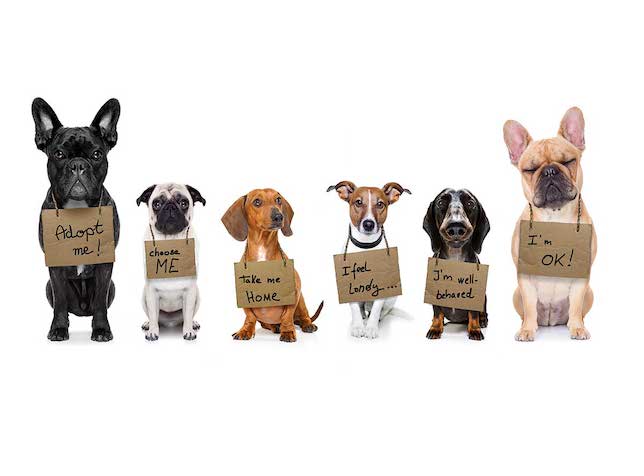
Image Source: www.medicalservicedogs.org
Why Choose A Shelter Dog?
Adopting a dog from a shelter is a wonderful choice. You give a home to a dog in need. These dogs often wait for a loving family. Many come with great traits. They can be very thankful and loyal. Shelters do much work for these animals. They give them care, food, and medical help. They also try to find out about each dog’s past. This helps them find the right match for you.
When you adopt, you save a life. You also make room for another dog in the shelter. This is a big help to the community. Shelter dogs are not “broken” or “bad.” Many are just victims of tough times. They may have lost their homes. Their owners may have moved. They might not have been able to keep them. Each dog has a story. You can help write a happy new chapter.
Before You Adopt: Know Yourself And Your Home
Finding the right dog starts with you. Think about your life. What kind of dog fits best? This is about matching a dog to your lifestyle. It makes sure both you and the dog are happy.
Grasping Your Lifestyle And Needs
First, think about your daily life.
* How much time do you have? Dogs need care every day. Puppies need a lot of time. Adult dogs still need walks and play.
* How active are you? Do you like long walks? Or do you prefer quiet time at home? Some dogs need lots of exercise. Others are happy with short strolls.
* What is your living space like? Do you live in a small apartment? Or do you have a big house with a yard? Your home size matters. A large, active dog may not do well in a tiny space.
* What is your budget? Dogs cost money. They need food, toys, and vet visits. Emergencies can be costly. Be ready for these costs.
* Who lives with you? Do you have kids? Other pets? Some dogs do better with kids. Others are best in adult-only homes. Some dogs love other animals. Some do not.
* How much noise can you handle? Some dogs bark a lot. Some are very quiet. Think about what you want.
Make a list of what you want in a dog.
* Size: Small, medium, large?
* Energy level: High, medium, low?
* Grooming needs: Does shedding bother you? Do you want a dog that needs much brushing?
* Age: Puppy, young adult, senior? We will talk more about adult dog vs puppy adoption later.
Knowing these things helps you look for the right dog. It stops you from picking a dog that does not fit your life.
Preparing Your Home For An Adopted Dog
Your home needs to be ready for a new dog. This step is very important. It helps your new friend feel safe and happy.
What You Need:
* Food and water bowls: Get sturdy ones.
* Dog food: Ask the shelter what the dog eats. Keep using that food for a while. Change it slowly if you want to.
* Leash and collar: Get one that fits well. Add an ID tag with your phone number.
* Bed: A comfy place for your dog to rest.
* Toys: Get a few different types. Chewy toys are good.
* Crate (optional but helpful): A crate can be a safe den for your dog. It helps with house training.
* Cleaning supplies: Accidents can happen. Be ready.
Dog-Proofing Your Home:
Think like a curious dog. What can they get into?
* Put away chemicals and cleaning supplies. Keep them high up.
* Hide electrical cords. Dogs might chew them.
* Remove small items from the floor. These could be choking hazards.
* Secure trash cans.
* Check your yard fence. Make sure there are no holes.
* Remove toxic plants. Lilies, Sago palms, and others can be very bad for dogs.
* Close toilet lids. Some dogs drink from them.
Have a quiet space ready for your dog. This could be a bed in a corner or a crate. Your dog will need a place to feel safe and rest. It is a big change for them.
Finding Your Perfect Match: The Shelter Visit
Visiting the animal shelter is exciting. It is also a key step. You will meet many dogs. Take your time. Do not rush this part.
Questions To Ask Animal Shelter Staff
The shelter staff know their dogs best. They spend time with them every day. Ask them many questions. Write them down if you want. This helps you remember.
Here is a table of good questions to ask:
| Category | Questions to Ask | Why it Matters |
|---|---|---|
| Dog History | How long has the dog been here? | Shorter stays might mean less time for stress. Longer stays mean staff know the dog well. |
| Do you know why the dog was given up? | This can give clues about past living situations or behaviors. | |
| Was the dog found as a stray? | Strays may have unknown histories or need more time to adjust. | |
| Behavior | How does the dog act with other dogs? | Important if you have other pets or plan to. |
| How does the dog act with children? What ages? | Crucial if you have kids or kids visit often. | |
| How does the dog act with strangers? | Some dogs are shy, some are very friendly. | |
| Is the dog house-trained? | Helps you know what training might be needed. | |
| Does the dog have any known fears or anxieties (e.g., loud noises, storms)? | Helps you prepare your home and routine. | |
| What is the dog’s energy level? Does it need much exercise? | Helps you match the dog to your active lifestyle. | |
| Does the dog have any bad habits (e.g., jumping, chewing, barking)? | Knowing these helps you plan for training. | |
| How does the dog do on a leash? | Important for walks. | |
| Health | Has the dog seen a vet here? What medical care has it had? | Important for health considerations for rescue dogs. |
| Is the dog spayed/neutered? Has it had shots? Is it microchipped? | Most shelters do this already. | |
| Does the dog have any known health issues or special needs? | Prepares you for ongoing care or vet visits. | |
| Training | What kind of training has the dog had, if any? | Helps you know where to start with training. |
| How does the dog take treats? Is it food motivated? | Useful for training. | |
| Adoption Process | What is included in the adoption fee? | Usually covers spay/neuter, shots, microchip. |
| What is your adoption process? (e.g., application, home visit, meet and greet) | Helps you know the next steps. | |
| Do you offer any post-adoption support or resources? | Some shelters offer training tips or advice. |
Deciphering Shelter Dog Behavior
When you visit, pay close attention to how dogs act. Interpreting shelter dog behavior is key. Dogs in shelters can be stressed. The sounds and smells are new. They might not show their true personality right away.
Look for:
* Calmness: A dog that is calm, even if a little shy, is a good sign. It shows they can handle stress.
* Curiosity: A dog that sniffs around, looks at you, or takes a treat gently. This shows they are open to new things.
* Playfulness: Some dogs may try to play. This shows a happy spirit.
* Gentle actions: Watch how they take treats. Do they snatch or take gently?
* Body language: A loose, wagging tail means happy. A stiff tail means worried. A dog licking its lips or yawning may be stressed. A dog avoiding eye contact might be shy.
What to be careful about:
* Too much barking or lunging: This could mean stress or reactivity.
* Hiding: A dog that always hides might be very fearful.
* Nipping or growling: These are warning signs. Always respect them.
* Fixation: A dog that stares too hard at you or other dogs could be an issue.
Spend time observing. Go back more than once if you need to. See how the dog acts over time. A dog may act differently outside their kennel. Ask to take the dog to a play yard.
Rescue Dog Temperament Assessment
Shelters often do a rescue dog temperament assessment. This is a way to learn about a dog’s personality. It checks how the dog acts in different situations.
What a temperament assessment might check:
* Reaction to touch: How does the dog react when petted?
* Reaction to sounds: How does the dog react to loud noises?
* Reaction to other dogs: How does the dog act around other dogs?
* Resource guarding: Does the dog guard its food or toys?
* Play drive: Does the dog like to play?
* Handling: Can the dog be handled easily? Can you check its paws, ears?
These tests help the shelter know if a dog is good for kids, other pets, or certain homes. Ask the staff about the dog’s assessment results. They can explain what they saw. Do not just rely on these tests. Also watch the dog yourself.
Adult Dog vs Puppy Adoption
Deciding between an adult dog and a puppy is a big choice. Both have pros and cons.
Puppy Adoption:
* Pros: You get to shape their behavior from a young age. They are cute. You watch them grow.
* Cons: Puppies need much more time and training. They need house training, basic manners, and socialization. They chew things. They have accidents. They need vet visits more often. This is a big commitment for a first time dog owner rescue.
Adult Dog Adoption:
* Pros: Often, adult dogs are already house-trained. They may know basic commands. Their personality is set. You know what you are getting. They may be calmer. Many older dogs are very thankful for a new home. They might be past the chewing phase.
* Cons: You might not know their full history. They might have habits that need work. They may need more time to adjust to a new home. Some can have past issues. But many are great.
For a first time dog owner rescue, an adult dog is often a better choice. They need less intense training. They are usually more settled. Many adult dogs are easier to integrate into a busy life.
After You Adopt: Settling In And Thriving
Bringing your new dog home is exciting. But it is also a big change for the dog. They need time to adjust. Be patient and kind.
The Shelter Dog Adoption Checklist
Before you leave the shelter, make sure you have everything. This checklist helps you get ready for your new friend.
Things to do at the shelter:
* Complete all paperwork.
* Pay the adoption fee.
* Get the dog’s medical records.
* Get microchip information.
* Ask about the dog’s food and feeding schedule.
* Ask about any recent medications.
Things to have ready at home:
* Food and water bowls.
* Dog food.
* Leash and collar with ID tag.
* Dog bed.
* Toys.
* Crate (if using).
* Designated potty spot in your yard.
Health Considerations For Rescue Dogs
When you adopt a rescue dog, health is a big deal. Shelters do their best to make sure dogs are healthy. But some issues can come up.
Common health checks at shelters:
* Spay/neuter surgery: Most shelters do this before adoption.
* Vaccinations: They get core shots (like rabies, distemper).
* Microchip: This helps find your dog if it gets lost.
* Deworming: Many rescue dogs have worms.
* Flea/tick treatment: They get treated for pests.
What to do when your dog comes home:
* Vet visit: Schedule a vet visit within a few days. Your vet will do a full check-up. Tell your vet your dog came from a shelter. Bring all medical records.
* Parasite check: Your vet will check for internal and external parasites.
* Dental check: Many rescue dogs need dental care.
* Nutrition: Talk to your vet about the best food.
* Behavioral health: Stress can affect health. A calm home helps.
* Look for signs of illness:
* Changes in eating or drinking.
* Throwing up or diarrhea.
* Coughing or sneezing.
* Lethargy (being very tired).
* Limping or pain.
* Changes in skin or fur.
Some rescue dogs might have old injuries or long-term health issues. The shelter should tell you about these. Be ready to care for them. It is part of the commitment.
Signs Of A Well-Adjusted Shelter Dog
It takes time for a dog to settle in. Some dogs adjust in a few days. Others need weeks or months. Be patient. Look for these signs that your dog is doing well:
- Eating and drinking normally: This is a basic sign of comfort.
- Regular potty habits: House training is getting better.
- Sleeping well: A relaxed dog sleeps soundly.
- Showing personality: Playing, seeking attention, showing affection.
- Relaxed body language: A loose body, wagging tail, relaxed ears.
- Exploring the home: Showing interest in their new space.
- Responding to their name: Or to cues like “come.”
- Building trust: Looking to you for comfort and direction.
- Enjoying walks and playtime: Showing enthusiasm for activities.
If your dog is not showing these signs, do not worry too much at first. Give them space and time. Set up a routine. Use positive training methods. If concerns continue, reach out to the shelter or a professional dog trainer.
Making Sense Of New Behaviors
Your new dog might show behaviors you did not expect. This is common. The shelter is a stressful place. Dogs often act differently once they are in a home.
Common behaviors and how to help:
* Shyness/Hiding: Give your dog a safe space. Do not force interaction. Let them come to you. Use gentle voices.
* Excitement/Zoomies: This is energy release. Provide outlets like walks and playtime.
* Accidents in the house: Go back to basics. Take them out often. Praise them for going outside. Clean accidents well.
* Not eating: Some dogs are too stressed to eat at first. Try different foods. Offer food in a quiet place.
* Barking: Find out why they are barking. Is it boredom, fear, or wanting attention? Address the cause.
* Chewing: Give them many chew toys. Supervise them. Distract them from chewing wrong things.
* Resource guarding: If your dog guards food or toys, seek help from a professional trainer. This needs careful handling.
* Leash pulling: Practice loose-leash walking. Use positive reinforcement.
Always use positive training methods. Reward good behaviors. Do not punish fear or accidents. Punishment can make things worse. Patience and consistency are key.
Building A Strong Bond
The bond with your shelter dog grows over time.
* Routine: Dogs thrive on routine. Feed them at the same time. Walk them at the same time.
* Positive reinforcement: Use treats, praise, and play to reward good behavior.
* Training: Enroll in a basic obedience class. This builds confidence in your dog and strengthens your bond. It is also good for socialization.
* Playtime: Engage in fun activities together. Fetch, tug-of-war, or puzzle toys.
* Quiet time: Simply sitting together, petting your dog.
* Respect their space: Let them initiate contact. Do not overwhelm them.
A strong bond builds trust. Trust helps your dog feel safe and loved.
What To Do If Problems Arise
Even with the best preparation, issues can come up.
* Contact the shelter: They are a great resource. They know the dog and can offer advice. Many shelters offer post-adoption support.
* Consult a vet: If health or behavior issues seem tied to health, call your vet.
* Find a positive reinforcement trainer: For behavior problems, a good trainer can help. Look for certified professional dog trainers (CPDT-KA). Avoid trainers who use harsh methods.
* Be patient: Behavior changes take time. Consistency from you is vital.
Remember, adopting a shelter dog is a journey. There will be good days and challenging days. But with love and effort, you will build a lasting friendship.
Frequently Asked Questions (FAQ)
Q1: How long does it take for a rescue dog to adjust to a new home?
A1: It often takes three days, three weeks, and three months.
* 3 days: They are very stressed. They might hide or not eat much. Give them space.
* 3 weeks: They start to feel safe. Their true personality begins to show. They learn your routine.
* 3 months: They should feel completely at home. They trust you. They know the rules. Some dogs take more or less time. Be patient.
Q2: Can I adopt a shelter dog if I work full-time?
A2: Yes, you can. But it means planning.
* Make sure the dog gets enough exercise before and after work.
* Consider a dog walker or doggy daycare.
* Choose a dog with a lower energy level. An older dog might be a good fit.
* Do not leave a dog alone for too long. No dog should be alone for 8+ hours without a potty break and human interaction.
Q3: What if the dog I adopted is not a good fit?
A3: Most shelters have a return policy. If things are not working, contact the shelter first. They might offer advice or take the dog back. This is always better than giving the dog away or neglecting it. It is okay if a match does not work. The goal is a happy home for the dog.
Q4: Do rescue dogs have more behavioral problems?
A4: Not necessarily. All dogs can have behavior quirks. Rescue dogs might come from unknown pasts. This can mean they need more patience or specific training. Many rescue dogs are well-behaved. They just need a loving home and consistent training.
Q5: Is it true that black dogs are harder to adopt?
A5: Yes, this is often called “Black Dog Syndrome.” Black dogs, especially large ones, can wait longer in shelters. They are sometimes overlooked. Their dark fur can make them harder to photograph well. People might also have old ideas about them. Consider giving a black dog a chance!
Q6: How much does it cost to adopt a shelter dog?
A6: Adoption fees vary by shelter and location. They usually range from $50 to $500. This fee covers basic care. It includes spay/neuter surgery, vaccinations, and microchipping. This saves you money on initial vet costs. Remember, the adoption fee is just the start of dog ownership costs.
Choosing a shelter dog is a big step. It is a rewarding one. With careful thought, preparation, and love, you will find your perfect new family member. Enjoy the journey.