
Are you asking, “Why is my dog peeing inside?” or wondering how to stop puppy peeing on rug? Many dog owners face the problem of dogs peeing indoors. It is a common issue. But you can fix it. This guide gives effective tips. It covers potty training, preventing accidents, and cleaning up. We will help you keep your rugs clean and your dog happy.
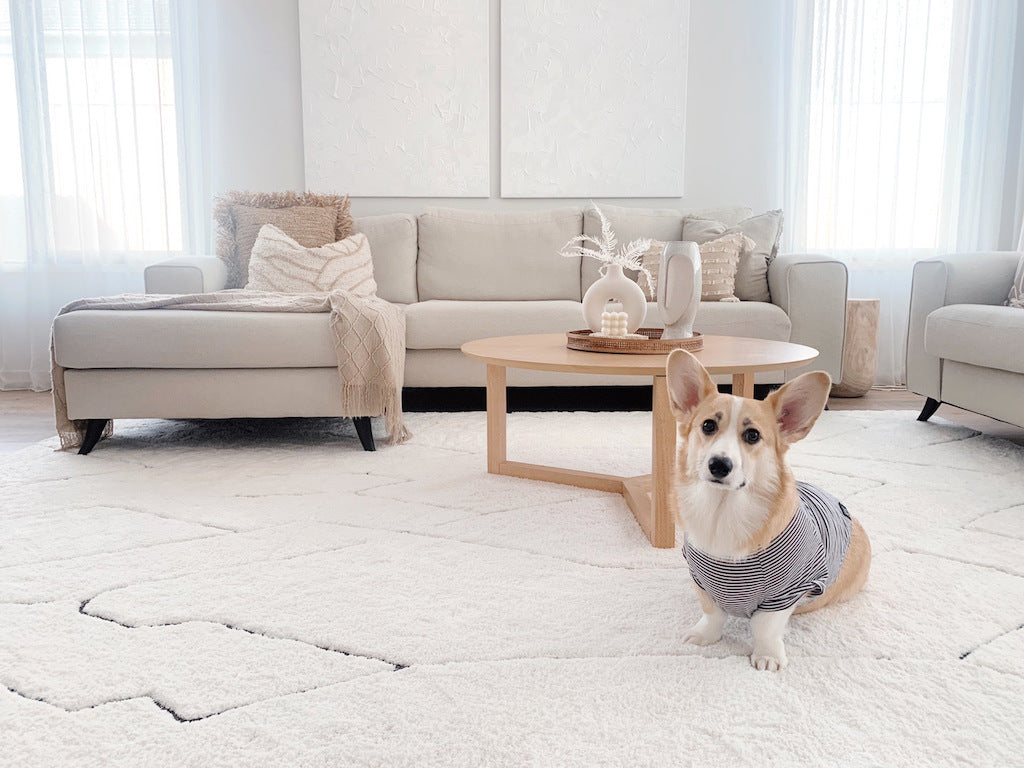
Image Source: missamara.com.au
Deciphering Why Dogs Pee Inside
Dogs do not pee inside to be bad. There is always a reason. Knowing the reason helps you fix the problem.
Medical Issues
Sometimes, a dog pees inside because they are sick. This is true even for well-trained dogs.
Signs of Medical Problems
- Peeing more often than usual.
- Peeing large amounts or small amounts.
- Straining to pee.
- Licking their private parts a lot.
- Acting tired or not eating much.
Common Health Reasons
- Urinary Tract Infections (UTIs): This is very common. It makes dogs need to pee often. It can be painful.
- Bladder Stones: Stones can block the pee path. This causes pain and accidents.
- Kidney Problems: Sick kidneys affect pee. Dogs may pee more or less.
- Diabetes: Dogs with diabetes drink a lot. This means they need to pee a lot.
- Cushing’s Disease: This changes hormones. It makes dogs drink and pee more.
- Arthritis: Older dogs may have joint pain. It hurts to go outside. So they pee inside.
- Dementia: Older dogs can get confused. They may forget their potty training.
If your dog suddenly starts peeing inside, see your vet first. A vet can check for health problems. Fixing the health issue can stop the peeing.
Behavioral Reasons
If the vet says your dog is healthy, the pee problem is likely behavioral. This means it is about how your dog feels or acts.
Reasons Dogs Pee for Behavior
- Not Fully Potty Trained: Puppies and some adult dogs need more training. They may not know they should only pee outside. Or they cannot hold it long enough.
- Anxiety or Fear: Loud noises, being alone, or changes at home can make dogs anxious. This stress can cause them to pee. This is called stress-induced peeing.
- Excitement: Some dogs pee a little when they get very excited. This happens when you come home or new people visit.
- Submission: Some dogs pee to show they are not a threat. This happens if they feel scared or unsure. It is common in young or shy dogs.
- Dog Marking Territory Indoors: This is different from peeing to empty the bladder. Marking is usually small amounts of pee. Dogs mark to show this is their space. They often mark on new things or places that smell like other dogs. Male dogs mark more, but females do too. This is a key reason for dog peeing indoors solutions.
- Changes at Home: A new baby, a new pet, moving to a new house, or a change in your work schedule can upset a dog. This can lead to accidents.
- Smell of Past Accidents: Dogs like to pee where they have peed before. Even if you think you cleaned it, your dog’s strong nose can still smell it. This makes the spot a pee magnet. This is why cleaning dog urine from carpet properly is vital.
Dog Potty Training On Rugs (And Everywhere Else)
Proper housebreaking is the best way to prevent accidents. This is true for puppies and older dogs. Good dog potty training on rugs (meaning training not to pee on rugs) focuses on teaching the dog where to pee.
Basics of Housebreaking
Housebreaking means teaching your dog to pee and poop outside. It takes time, patience, and consistency.
Key Steps for Housebreaking
- Set a Schedule: Take your dog out at set times.
- First thing in the morning.
- After waking up from a nap.
- After eating or drinking.
- After playing.
- Before bedtime.
- Every 1-2 hours for young puppies.
- Go to the Same Spot: Always take your dog to the same outdoor potty spot. Their smell there tells them this is the place.
- Stay With Them: Go outside with your dog. Watch them.
- Praise and Reward: When they pee or poop outside, praise them right away. Give a treat. Make a big deal about it. This teaches them that peeing outside is good.
- Use a Cue Word: Say a word like “go potty” or “busy” as they pee. This helps them learn to go on command later.
- Bring Them Inside Calmly: After they finish, bring them inside. Do not let them run around and play outside after peeing if you want to teach them outside time is for potty first.
- Watch Your Dog Inside: Keep an eye on your dog when they are in the house. This helps you see signs they need to go out.
- Know the Signs: Look for signs like sniffing the floor, circling, whining, or heading towards the door. If you see these signs, take them out fast.
Training Near Rugs
Some dogs seem to target rugs. Rugs might feel soft like grass. Or they hold smells more.
How to Train Dogs Away From Rugs
- Put the Rug Away (for now): If a rug is the main problem spot, remove it while training is ongoing. This removes the target.
- Block Access: If you cannot remove the rug, block your dog from getting to it. Use baby gates or close doors.
- Supervise Closely: When the rug is there and you are home, watch your dog like a hawk. If they go near the rug and sniff, quickly take them outside.
- Make the Rug Undesirable: Clean the rug very well if it has had accidents (more on cleaning later). You can also use a dog pee repellent (more on this too).
Handling Housebreaking Dog Accidents
Accidents happen. Especially during training. How you handle them matters a lot. Bad handling can make things worse. Good handling helps your dog learn. This is part of managing housebreaking dog accidents.
What To Do Right After an Accident
- Do Not Punish: Never yell at your dog or rub their nose in it. This teaches them to be afraid of you. It does not teach them where to pee. They may start hiding to pee. Punishment after the fact does not work because the dog connects the punishment to your anger, not the peeing they did minutes or hours ago.
- Interrupt (if you see it happening): If you catch your dog in the act (sniffing, circling, starting to pee), make a noise to startle them (like a clap). Do not scare them badly. Just interrupt.
- Rush Them Outside: As soon as you interrupt, pick them up or quickly lead them to their potty spot outside.
- Praise if They Finish Outside: If they pee even a tiny bit outside after being taken out, praise and reward them heavily.
- Clean Up Later: Once the dog is safely outside or distracted away from the spot, clean up the mess. Never clean up while the dog is right there and can see you. This can make some dogs think you are playing or paying attention to the spot, which can encourage them to pee there again.
Cleaning Dog Urine From Carpet
Cleaning is the most important step after an accident. If the smell stays, your dog will pee there again. Basic cleaning does not remove the smell for dogs. You need special cleaners. This is the core of cleaning dog urine from carpet.
Steps for Cleaning Urine
- Act Fast: The sooner you clean, the better. Fresh pee is easier to remove.
- Blot, Don’t Rub: Use paper towels or a clean cloth to soak up as much pee as possible. Press down hard. Repeat until no more liquid comes up. Do not rub, as this spreads the pee and pushes it deeper into the carpet fibers.
- Use an Enzyme Cleaner: This is key. An enzyme cleaner for dog urine breaks down the chemicals in dog pee that cause odor. Regular soap or carpet cleaner might clean the smell for you, but your dog can still smell the parts that attract them back.
- Apply the Enzyme Cleaner: Follow the product directions. Usually, you soak the area with the cleaner. Make sure it gets deep into the carpet and padding, just like the urine did.
- Let it Work: Let the cleaner sit for the time stated on the bottle (often 10-15 minutes or longer). The enzymes need time to work.
- Blot Again: After the time is up, blot the area again to remove the cleaner.
- Let it Dry: Let the spot air dry completely. You can cover the spot with a laundry basket turned upside down to keep your dog away while it dries.
- Check for Smell: Once dry, smell the area yourself. If you can still smell pee, your dog definitely can. You may need to use the enzyme cleaner again. Sometimes, severe accidents soak very deep.
- Consider Professional Cleaning: For old, stubborn stains or large areas, a professional carpet cleaner with experience in pet odors might be needed.
Why Enzyme Cleaner for Dog Urine is Best
Dog urine has urea, uric acid, and creatinine. When it dries, bacteria break down the urea. This makes it smell like ammonia. This is the strong pee smell you smell. Uric acid is the problem for smells that attract dogs. It binds to surfaces. It is hard to remove with water or normal cleaners. Enzyme cleaners have special proteins (enzymes). These enzymes break down the uric acid and other parts of the urine. This removes the smell completely, even for your dog’s nose. Look for cleaners specifically labeled as “enzyme cleaner for pet urine” or “enzyme cleaner for dog urine.”
Stopping Dog Marking Territory Indoors
Marking is different from having accidents. It is a communication behavior. Dogs mark to say “I was here” or “This is mine.” They often mark on vertical surfaces like furniture legs, walls, or indeed, the edge of a rug. Dog marking territory indoors needs a different approach than simple housebreaking.
Grasping Marking Behavior
- Why Dogs Mark: They use scent to claim space. They also mark when they feel unsure, anxious, or challenged by other dogs (real or perceived).
- When Dogs Mark: They might mark when a new dog visits, after a walk where they smelled other dogs, or when something new is brought into the house.
- Who Marks: Male dogs are more likely to mark, especially if not neutered. But spayed females also mark.
How to Stop Indoor Marking
Stopping marking requires managing the cause and making marked spots undesirable.
Steps to Reduce Marking
- Clean Thoroughly: Just like with accidents, enzyme cleaners are a must for marking spots. If the smell is gone, there is less reason to remark.
- Identify Triggers: What causes your dog to mark?
- Seeing dogs outside? Close curtains.
- New items? Introduce them slowly. Keep your dog away from them at first.
- Visitors? Manage your dog’s interaction. Maybe put them in another room with a treat when guests arrive.
- Smell of other dogs? Be extra careful after doggy playdates or walks.
- Increase Outdoor Potty Breaks: Take your dog out more often. Let them mark outside. Praise them when they mark on trees or posts outdoors. This encourages them to mark in allowed places.
- Supervise and Interrupt: Watch your dog closely inside. If they look like they are about to mark (sniffing vertically, lifting a leg), interrupt them gently and take them outside immediately.
- Make Marked Areas Unattractive: After cleaning, make the spot unpleasant for your dog.
- Put their food or water bowl near the spot (dogs usually do not pee where they eat or drink).
- Put a dog bed or favorite toy there.
- Cover the spot with furniture for a while.
- Use Repellents: Some smells might deter dogs. More on repellents later.
- Consider Neutering/Spaying: Neutering male dogs often reduces or stops marking. Spaying females can also help. This is especially true if done early.
- Address Anxiety: If marking is due to stress, you need to work on the anxiety. This might involve training, creating a safe space, or in some cases, talking to a vet about anti-anxiety options.
Dog Peeing Indoors Solutions – A Multi-Pronged Approach
Fixing indoor peeing often needs more than one solution. You might need to use training, management, and cleaning together. These dog peeing indoors solutions address different parts of the problem.
Management Strategies
Management means controlling the environment and your dog’s access to problem areas.
Managing Your Home
- Limit Space: When you cannot watch your dog, keep them in a smaller, safe area. A crate, a playpen, or one room with a floor that is easy to clean (like tile or linoleum) works well. Dogs usually do not soil their sleeping space.
- Close Doors: Keep doors closed to rooms with rugs or carpet when you are not there to supervise.
- Use Baby Gates: Block off areas you want to protect.
- Roll Up Rugs: If a rug is a constant target, simply roll it up and store it until your dog is reliably house trained or the marking issue is solved.
Training Strategies
Consistent training reinforces good habits.
Training Tips for Indoor Accidents
- Stick to the Potty Schedule: Regular outings prevent dogs from being forced to hold it too long.
- Supervise Indoors: Active watching is key. If you are busy, use management strategies.
- Teach a “Go Potty” Cue: This helps your dog learn to pee on command outside.
- Reward Outdoor Success: Make going potty outside the most rewarding thing your dog does. Use high-value treats they only get for peeing outside.
- Avoid Punishment: Focus on rewarding the good behavior (peeing outside) rather than punishing accidents. This builds trust and confidence.
These dog training tips for indoor accidents build a strong foundation for good potty habits.
Product Solutions
Certain products can help in the fight against indoor peeing.
Useful Products
- Enzyme Cleaners: As discussed, essential for removing odor.
- Pet Stain Removers: Good for lifting the visual stain after the enzyme cleaner has removed the odor.
- Black Light (UV Light): Dog urine glows under black light in a dark room. This helps you find old, invisible accident spots that your dog can still smell. Check around rugs, furniture bases, and walls.
- Best Dog Pee Repellent for Rugs: Repellents use smells dogs dislike. They can discourage dogs from peeing in a specific area. However, repellents are not a magic fix. They work best when combined with training and cleaning. Look for natural repellents with citrus or bitter apple smells. Test in a small, hidden spot first to ensure it does not harm your rug.
Selecting the Best Dog Pee Repellent for Rugs
Many products claim to repel dogs. Read reviews and ingredients. Some chemicals can be harsh. Natural options are often safer. Remember, a repellent is a deterrent, not a solution to the root cause (training need, anxiety, marking). Use it to make a cleaned problem spot less appealing while you work on training or behavior.
How To Stop Puppy Peeing On Rug
Puppies are still learning. Accidents are normal. How to stop puppy peeing on rug is all about consistent training and management.
Puppy Potty Training Specifics
Puppies have small bladders. They need to go out very often.
Puppy Potty Training Plan
- Frequent Trips: Take your puppy out every 30-60 minutes when they are awake and active. Plus after sleeping, eating, drinking, and playing.
- Use a Crate: A crate is a great tool. It should be just big enough for the puppy to stand up, turn around, and lie down. If it is too big, they might pee in one corner and sleep in another. They learn to hold it to keep their den clean. Do not leave a puppy in a crate for too long.
- Supervise Outside: Stay with your puppy outside. Praise and treat the moment they finish peeing or pooping.
- Watch Inside: When your puppy is out of the crate, watch them constantly. Use a leash tethered to you if needed (umbilical cord method). This way, you see every sign they need to go.
- Quickly Correct Accidents: If you see a puppy starting to pee, interrupt gently and rush outside. Praise if they finish out there.
- Clean Accidents Properly: Use enzyme cleaner every time. Puppies are very guided by smell.
- Limit Rug Access: While training, it is easiest to keep puppies away from rugs unless you are actively supervising them.
- Nighttime Potty Breaks: Young puppies often need a potty break during the night. Set an alarm to take them out. Slowly increase the time between breaks as they get older.
Dealing with Puppy Accidents on Rugs
Puppies might find rugs soft and inviting. Treat rug accidents the same as any other indoor accident: interrupt (if seen), take outside, praise outdoor success, and clean thoroughly with enzyme cleaner. Management (like rolling up the rug or blocking access) is very helpful during the puppy stage.
Interpreting Specific Situations
Sometimes, the reason for peeing inside is tied to a specific event or change.
Peeing When Left Alone
This could be separation anxiety. The dog is stressed or scared when you leave. They might pee, chew things, or bark a lot.
Helping Anxiety Peeing
- Rule out Medical: Always start with a vet check.
- Increase Exercise: A tired dog is less anxious.
- Practice Short Absences: Leave for just a minute, then come back. Build up the time slowly.
- Create a Calm Routine: Do not make a big fuss when you leave or return.
- Leave Distractions: Give a puzzle toy filled with treats or a long-lasting chew before you go.
- Consider Professional Help: A certified dog trainer or veterinary behaviorist can help with severe anxiety. Medication might be needed in some cases.
Peeing When Guests Arrive
This is often excitement or submissive peeing.
Managing Excitement/Submissive Peeing
- Keep Greetings Calm: Ask guests to ignore your dog until they are calm. No excited hellos right away.
- Have Dog Sit: Ask your dog to sit before guests pet them.
- Short Potty Break Before Guests: Take your dog out just before guests arrive.
- Management: Put your dog on a leash or in a safe, comfortable room with a treat before guests come in. Let them greet guests later when things are calmer.
- For Submissive Peeing: Avoid hovering over the dog, loud voices, or reaching for them quickly. Approach calmly and from the side. Often dogs grow out of submissive peeing with age and confidence.
Ongoing Dog Training Tips for Indoor Accidents
Housebreaking is not a one-time event. It is a process. Here are some final tips for preventing housebreaking dog accidents long-term.
Consistency is Key
Keep the schedule. Keep rewarding outdoor potty. Keep supervising (or managing) indoors. Everyone in the household must follow the same rules.
Patience and Positivity
It can be frustrating to clean up pee. But getting angry does not help. Stay patient. Use positive reinforcement. Your dog wants to please you, they just need to understand how.
Know Your Dog’s Habits
Learn your dog’s signals. Do they always sniff a certain corner? Do they whine by the door? The better you know their signs, the faster you can get them outside.
Never Assume Training is Done
Even well-trained dogs can have accidents if their routine changes, they are stressed, or they feel unwell. Stay aware.
Clean, Clean, Clean
Seriously, use that enzyme cleaner every time. If there is any residual odor, the spot is an invitation for future accidents or marking. Cleaning dog urine from carpet thoroughly is a non-negotiable step.
Frequently Asked Questions
My dog is house-trained, but just peed on the rug. Why?
First, rule out medical issues with a vet visit. If they are healthy, think about changes in their routine, stress (new pet, moving, loud noises), or if they were left too long without a potty break. Sometimes, a lingering smell from a past accident can attract them back. Clean the spot with enzyme cleaner and go back to basics with the potty schedule and supervision for a few days.
Can I punish my dog for peeing inside?
No. Punishing a dog after an accident only teaches them to fear you or hide their accidents. It does not teach them where to go. Focus on preventing accidents through supervision and schedule, and heavily reward them for peeing in the right place (outside).
How long does it take to housebreak a puppy?
Every puppy is different. Some learn quickly in a few weeks, others take months. Consistency and patience are key. Factors like the puppy’s age, breed, and your training effort play a big role. Do not get discouraged; keep following the steps.
Will using a pee pad on the rug help?
It might seem like a quick fix, but using pee pads on a rug can actually confuse your dog. It teaches them it is okay to pee on something like a rug indoors. It is usually better to train them to go outside only. If you must use pads, put them on a hard floor away from carpets and slowly move them closer to the door, then outside.
What is the best dog pee repellent for rugs?
There is no single “best” one for all dogs. Effectiveness varies. Many people have success with natural repellents using citrus or bitter apple smells. Always test in a small area first. Remember, repellents are a temporary deterrent and must be used with proper training and cleaning.
How often should I use enzyme cleaner for dog urine?
Use it every single time there is an indoor pee accident on carpet or upholstery. Apply enough to soak the spot as much as the urine did. Repeat if any odor remains after drying.
My older dog is starting to have accidents inside. What should I do?
The very first step is a vet check. Older dogs can develop medical issues like UTIs, kidney problems, diabetes, or pain from arthritis that make them unable to hold it or get outside in time. If health is okay, consider if they might have doggie dementia (Cognitive Dysfunction Syndrome) which can affect house-training memory. You might need to go back to a more frequent potty schedule and increase supervision or management, similar to training a puppy.
My dog keeps marking the same spot on the rug. How can I stop this?
Thoroughly clean the spot with an enzyme cleaner to remove all scent. Make the spot less appealing – put a food bowl, bed, or furniture there. Increase outdoor marking opportunities and praise your dog when they mark outside. If marking is linked to anxiety or sensing other dogs, address those triggers. Consider neutering if your dog is not already.
Stopping your dog from peeing on the rug is possible with the right approach. Focus on finding the cause, using proper training methods, managing their environment, and cleaning accidents completely. Be patient, be consistent, and celebrate successes. Your rugs will thank you!