
Can your dog hurt your Christmas tree? Yes, a Christmas tree can be a big danger for your dog. Dogs love new smells, textures, and shiny things. A Christmas tree offers all of these, making it very tempting. What happens if a dog eats Christmas tree needles? Eating needles can upset your dog’s stomach. They can cause vomiting or diarrhea. Why do dogs attack Christmas trees? Dogs might attack a tree because they think it is a new toy. They might also do it out of boredom or curiosity. Can I put up a Christmas tree with a dog? Yes, you can. But you must take many steps to keep your dog and your tree safe. This guide will show you how to keep your dog away from the Christmas tree safely. We will help you enjoy the holidays without worries. You can protect your home, your tree, and your furry friend from holiday pet hazards decorations.
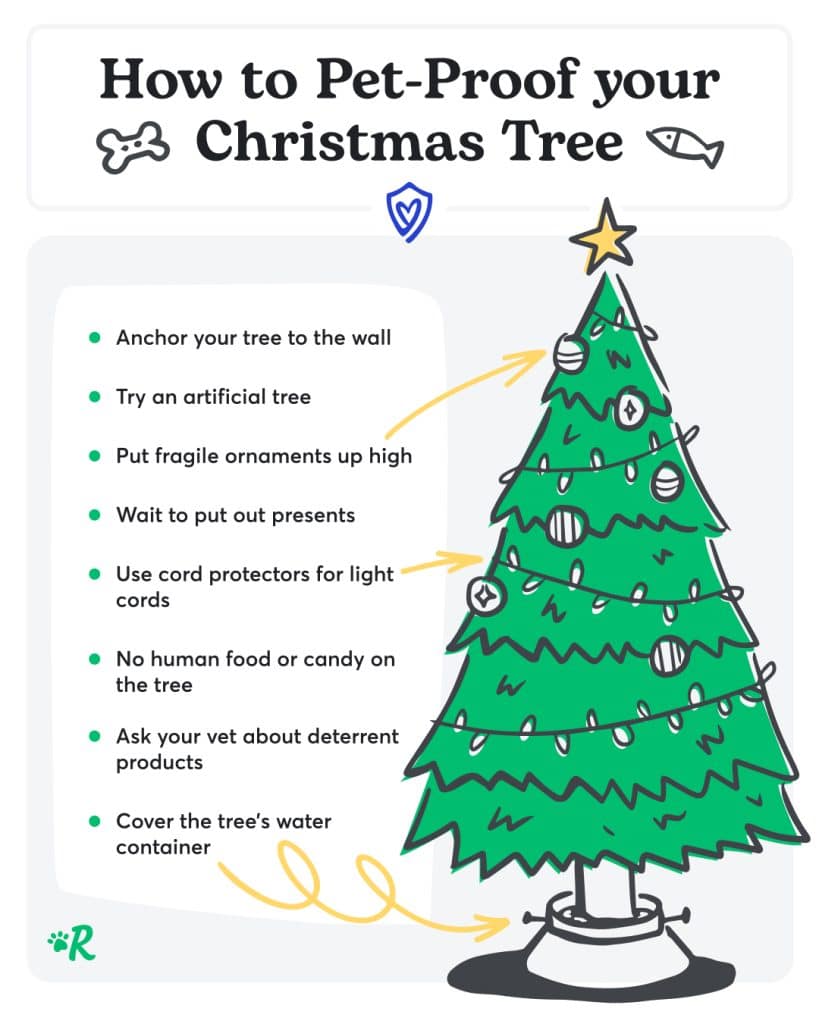
Image Source: www.rover.com
The Allure and Risks of the Festive Tree
Dogs are naturally curious. A Christmas tree is a giant, new object in their home. It smells new. It feels new. It looks different. This makes it very interesting to them.
Why Dogs Love Christmas Trees
Dogs explore with their noses and mouths.
* New Smells: Real trees bring outdoor smells inside. Dogs find these smells exciting. They might think the tree is a new pee-spot or a giant chew toy.
* Shiny Objects: Ornaments sparkle. Lights blink. These moving lights catch a dog’s eye. They look like fun toys to chase or bite.
* Forbidden Fruit: Sometimes, dogs are drawn to things they are not allowed to touch. A Christmas tree can become a test of wills.
* Water Bowl: Real trees need water. The tree stand holds water. Dogs see this as a new water bowl. This water can have harmful tree sap or chemicals in it.
Real Dangers of Christmas Trees for Dogs
The festive look of a Christmas tree hides many dangers. Pet safety Christmas decorations are very important. Without care, your holiday joy can turn into a vet visit.
Toxicity and Swallowing Hazards
Many parts of a Christmas tree can be bad for your dog.
* Pine Needles: Eating too many pine needles can upset a dog’s stomach. They are not toxic, but they can cause vomiting, diarrhea, or mouth irritation.
* Tree Water: The water in a real tree stand can have sap, fire retardants, or other chemicals. Dogs should not drink this water. It can make them sick.
* Ornaments: Small, shiny ornaments are choking risks. Glass ornaments can break. Sharp pieces can cut your dog’s mouth or insides. If swallowed, they can block the gut.
* Tinsel: Tinsel is very dangerous. It is attractive to dogs because it wiggles and shines. But it is thin and can get stuck in a dog’s gut. It can cause serious damage and often needs surgery to remove. This is a big holiday pet hazard decoration.
* Hooks: Ornament hooks are sharp. They can cut paws or mouths. If swallowed, they can cause internal damage.
* Food Ornaments: Popcorn strings, gingerbread cookies, or chocolate ornaments are tempting. These are bad for dogs. Chocolate is toxic. Too much sugar is bad.
Electrical and Fire Risks
Lights and electrical cords add danger.
* Chewing Wires: Dogs may chew on light cords. This can cause electric shocks or burns. Severe shocks can stop a dog’s heart.
* Overheating Lights: Old or faulty lights can get hot. They can start a fire if they touch dry needles or other things.
* Falling Tree: A dog pulling on the tree can make it fall. This can hurt the dog. It can also break things or start a fire from broken lights.
Toxic Holiday Plants
Some festive plants are also risky.
* Poinsettias: These plants are mildly toxic. They can cause mouth irritation and stomach upset.
* Mistletoe & Holly: These plants are more serious. Eating them can cause vomiting, diarrhea, low blood pressure, or even death. Keep them far from your dog.
* Lilies: Many types of lilies are very toxic to pets, especially cats. But dogs can also get very sick from them.
Pre-Tree Setup Strategies
Before you even bring the tree inside, plan for safety. Think about the type of tree, where it will go, and how to make it sturdy. These steps help with dog proofing holiday tree efforts.
Choosing Your Christmas Tree Wisely
Your choice of tree type and size matters.
* Artificial Trees: These are often safer. They do not drop needles. They do not need water that can be toxic. They are less likely to dry out and become a fire risk. Make sure parts are not easily chewed off.
* Real Trees: If you choose a real tree, pick one that is fresh. Fresh trees are less likely to drop needles. They also have a lower fire risk. Ask for a stand that is strong and holds a lot of water.
Table: Tree Type Comparison for Pet Safety
| Feature | Real Tree | Artificial Tree |
|---|---|---|
| Needles | Drops needles (can be ingested) | Less likely to drop parts (check for loose pieces) |
| Water | Needs water (can contain toxins/sap) | No water needed |
| Smell | Strong, appealing scent for dogs | Less appealing scent |
| Fire Risk | Higher if dry | Lower (check fire-resistant label) |
| Setup | Can be messy | Cleaner, often reusable |
| Toxicity | Sap, needles, water additives can harm | Parts are generally plastic, less toxic |
Smart Placement and Securing
Where you put the tree and how you secure it are key. This is vital for securing Christmas tree from pets.
-
Location, Location, Location:
- Corner Spot: Place the tree in a corner. This gives two sides of wall support. It also limits dog access to all sides.
- Away from Furniture: Do not put the tree near furniture your dog can jump from. This stops them from using it as a launchpad onto the tree.
- Less Traveled Area: If possible, pick a room or spot that is not a main walkway. This lowers the chances of your dog brushing against it by accident.
-
Make it Sturdy: A falling tree can cause serious injury or damage.
- Heavy Base: Use a wide, heavy tree stand. Fill it with water if it’s a real tree. The wider the base, the harder it is to tip.
- Wall Anchors: Use fishing line or strong wire to tie the tree to the wall. Attach it to a picture hook or a screw drilled into a stud. This is the best way of securing Christmas tree from pets. Use multiple points for extra strength.
- Ceiling Hooks: For very active dogs, a hook in the ceiling with fishing line tied to the top of the tree can add extra stability.
- Trainers’ Tip: “Think of it like child-proofing. If it can fall, it will. Secure it more than you think you need to.”
Creating a Physical Barrier
The simplest way to stop a dog from reaching the tree is to block them. This is true dog proofing holiday tree work.
* Baby Gates: Use baby gates to block off the entire room where the tree is. Or use them to make a smaller area around the tree.
* Pet Playpens: An extra-large pet playpen or exercise pen can form a sturdy fence around the tree. Choose one that is tall enough so your dog cannot jump over it. Make sure it is heavy enough so your dog cannot move it.
* Decorative Fencing: You can also find decorative indoor fences. These can look nicer than a plain pet gate. Make sure they are strong enough to withstand a playful bump from your dog.
* Box Method: For very small puppies, placing the tree in a large playpen or even a large, sturdy box can work. This prevents dog access Christmas tree directly.
Decorating Smart for Pet Safety
How you decorate your tree can greatly affect pet safety Christmas decorations. Every choice, from lights to ornaments, should consider your dog’s curious nature.
Lights and Electrical Cords
Lights are pretty but can be dangerous. Dog behavior Christmas tree lights can be risky.
* Choose Wisely:
* LED Lights: These are cooler than traditional lights. This makes them less of a fire risk. They are also less likely to burn your dog’s mouth if chewed.
* Cord Length: Use lights with shorter cords. This means less dangling wire for your dog to grab.
* Secure Cords:
* Hide and Tuck: Tuck all cords out of sight. Use cord protectors or wraps. You can tape them to the tree stand or the wall.
* Elevate: Keep cords off the floor. Do not let them hang where your dog can reach.
* Unplug: Always unplug lights when you are not home. Unplug them when you go to bed. This lowers the risk of shock or fire.
* Tree Lights Behavior: Dogs may chew on lights because they are shiny. The string looks like a rope. They might also react to the buzzing sound or warmth. This is normal dog behavior Christmas tree lights interest. Try to make them less appealing by hiding them.
Ornament Choices and Placement
Protecting ornaments from dogs starts with smart choices.
* High and Mighty: Put breakable or valuable ornaments high up on the tree. Place them where your dog cannot reach them. This means the top two-thirds of the tree.
* Dog-Friendly Bottom:
* Use non-breakable ornaments on the lower branches. Choose plastic, wood, felt, or fabric items.
* Pick larger ornaments. These are less likely to be swallowed whole.
* Avoid shiny, reflective ornaments that look like toys.
* Skip the Bad Stuff:
* No Tinsel: This is a top rule. Tinsel is very dangerous if swallowed. It can cause serious internal damage.
* No Food Ornaments: Do not hang popcorn, candy canes, chocolate, or dried fruit. Your dog will want to eat them.
* No Glass or Ceramic: These shatter easily. Broken pieces are sharp and dangerous.
* Secure Ornaments:
* Use wire ornament hangers. These are stronger than string or flimsy hooks. They are harder for a dog to pull off.
* Pinch the wire hangers tightly around the branch.
Table: Safe vs. Unsafe Ornament Guide
| Ornament Type | Pet Safety Rating | Notes |
|---|---|---|
| Glass/Ceramic | DANGEROUS | Breaks into sharp pieces; choking hazard. |
| Tinsel | DANGEROUS | Causes severe internal damage if swallowed. |
| Small Ornaments | DANGEROUS | Choking hazard; easily swallowed. |
| Food Ornaments | DANGEROUS | Attracts dogs; some foods are toxic (e.g., chocolate). |
| Metal Hooks | DANGEROUS | Sharp, can cut mouths or paws; internal injury if swallowed. |
| Large Plastic | SAFE (lower) | Less likely to break; larger size reduces choking risk. |
| Wood/Felt/Fabric | SAFE (lower) | Soft, less harmful if chewed; still avoid ingestion of small pieces. |
| Pinecones | SAFE (lower) | Natural, less appealing to chew; can be a choking hazard if too small. |
| Wire Hangers | SAFE (use) | Secure ornaments better than string; pinch tightly. |
Tree Skirts and Water
The base of the tree also needs attention.
* Cover the Water: If you have a real tree, cover the water bowl. Use a tree skirt that fits snugly. Or place a large, heavy object over the stand. This stops your dog from drinking the bad water.
* Durable Tree Skirt: Choose a tree skirt made of strong material. Dogs may try to chew or dig at it.
* Vacuum Often: Real trees drop needles. Vacuum up fallen needles every day. This prevents your dog from eating them.
Other Festive Decor
Remember pet safety Christmas decorations around the whole house.
* Candles: Never use real candles on or near the tree. Always use flameless LED candles.
* Potpourri: Liquid potpourri can cause chemical burns if swallowed. Dried potpourri can be a choking hazard. Keep these high and out of reach.
* Garlands: Instead of tinsel, use fabric, paper, or wooden bead garlands. Make sure they are firmly attached and not dangling.
* Gift Wrap: Dogs love to chew on wrapping paper and ribbons. Clean up paper and ribbons right after gifts are opened. Ribbons can be a choking hazard or cause gut problems if swallowed.
Training and Behavior Adjustments
Even with all the physical barriers, training is a vital part of keeping dogs off festive tree. Positive reinforcement can teach your dog what is allowed and what is not.
Early Intervention for Puppies
Puppies are naturally more curious and prone to chewing. Start training early.
* “Leave It” Command: This is perhaps the most important command. Teach your puppy to ignore things you do not want them to touch. Practice with treats and toys, then apply it to the tree.
* Hold a treat in your hand. Say “leave it.”
* If your dog looks away, praise them and give them a different treat.
* Slowly work up to ignoring items on the floor, then near the tree.
* “Go To Your Place”: Teach your puppy to go to their bed or crate on command. This gives them a safe, quiet spot away from the tree.
* Positive Reinforcement: When your puppy ignores the tree, praise them loudly. Give them a special toy or treat. Make good behavior worth it. This is key for puppy training around Christmas tree.
Teaching Boundaries to All Dogs
Even older dogs can learn new rules.
* Controlled Introduction: When the tree is first set up, introduce your dog to it on a leash. Let them sniff from a safe distance.
* “No” and Redirection: If your dog tries to approach or sniff too closely, firmly say “No.” Immediately redirect their attention. Offer a favorite toy, a puzzle feeder, or a chew toy.
* Consistency: Everyone in the house must follow the same rules. Your dog needs to know that the tree is always off-limits. Consistency helps prevent dog access Christmas tree.
Making the Tree Less Appealing
You can use safe sprays or tools to make the tree less attractive. These are common dog deterrents Christmas tree owners use.
* Bitter Apple Spray: This spray has a taste dogs do not like. Spray it on lower branches, cords, or the tree skirt. Always test a small, hidden spot first to make sure it does not stain. Reapply it often.
* Motion-Activated Air Sprays: These cans release a harmless burst of air when motion is detected. Place one near the tree. When your dog gets too close, the puff of air will surprise them. This makes them want to stay away.
* Foil or Bells: Some people wrap the base of the tree in aluminum foil. The sound and texture are often disliked by dogs. Hanging bells on lower branches can also alert you when your dog gets too close.
Supervision is Key
No amount of training or barriers replaces watchful eyes.
* Active Supervision: Always watch your dog when they are in the same room as the tree. This is especially true in the first few days.
* Crate Training: If you cannot watch your dog, put them in their crate or a dog-proof room. This is important when you leave the house or go to bed.
* Leash Time: For very curious dogs, keep them on a leash when they are in the tree room. This lets you quickly correct bad behavior.
Table: Dog Deterrent Options
| Deterrent Type | How it Works | Pros | Cons |
|---|---|---|---|
| Bitter Apple Spray | Unpleasant taste when licked/chewed | Easy to apply; generally safe. | Needs reapplication; some dogs don’t mind. |
| Motion-Activated Air Spray | Releases air when motion detected | Startles dog; no harm. | Can be noisy; batteries needed. |
| Aluminum Foil | Crinkly sound and texture disliked by some dogs | Cheap, easy to apply. | Not effective for all dogs; looks messy. |
| Jingle Bells | Sound alerts owner when dog touches tree | Simple, visual/auditory alert. | Only alerts, doesn’t stop action. |
| Citrus Peels | Dogs dislike strong citrus smell | Natural, cheap. | Needs frequent replacement; limited power. |
Daily Management and Monitoring
Keeping your dog safe around the Christmas tree is not a one-time task. It needs ongoing effort. Good daily habits ensure pet safety Christmas decorations remain unharmed, and your dog stays well.
Regular Cleanup
A clean area around the tree means fewer chances for trouble.
* Vacuum Needles: If you have a real tree, pine needles will fall. Vacuum around the tree every day. Needles can prick paws or get eaten, causing irritation.
* Check for Fallen Ornaments: Before letting your dog near the tree, quickly scan the floor. Look for any fallen ornaments, hooks, or tinsel. Pick them up right away.
* Wipe Up Water Spills: If water from the tree stand spills, clean it up at once. This prevents your dog from drinking it.
Observing Dog Behavior
Watch your dog closely. Their actions can tell you if they are thinking about the tree.
* Look for Interest: Does your dog stare at the tree? Do they pace around it? Do they sniff the lower branches often? These are signs of interest.
* Early Intervention: If you see your dog getting too curious, step in. Redirect their attention with a toy or a walk. Give them a “leave it” command if needed.
* Signs of Ingestion: If your dog seems sick, acts strangely, or shows signs of pain, they might have eaten something. Watch for vomiting, diarrhea, lethargy, or loss of appetite.
Reinforcing Good Choices
Praise your dog when they do well.
* Reward Calmness: If your dog walks by the tree without a second glance, praise them. Give them a small treat.
* Consistent Praise: Make sure all family members praise good behavior. This helps your dog learn that ignoring the tree is a good thing.
* Play Away from the Tree: Always play games or give treats away from the tree area. This keeps the tree from becoming linked to fun activities.
When to Seek Help
Knowing what to do in an emergency is very important.
* Call Your Vet: If you think your dog has eaten something from the tree, call your vet right away. Do not wait for symptoms. Describe what you think they ate.
* Emergency Vet: If it is after hours, call an emergency vet clinic. Have their number ready.
* Pet Poison Control: Keep the number for Pet Poison Helpline (855-764-7661) or ASPCA Animal Poison Control Center (888-426-4435) handy. There may be a fee for their services.
Table: Emergency Contacts for Pet Safety
| Service | Phone Number | Notes |
|---|---|---|
| Your Veterinarian | (Your Vet’s Number) | For immediate advice on non-urgent concerns or known ingestions. |
| Emergency Vet Clinic | (Local ER Vet No.) | For after-hours emergencies, severe symptoms, or suspected serious poisonings. |
| Pet Poison Helpline | 855-764-7661 | Expert advice on pet poisonings; fee may apply. |
| ASPCA Animal Poison Control | 888-426-4435 | Expert advice on pet poisonings; fee may apply. |
These steps are key for keeping dogs off festive tree. They help create a safe and happy holiday season for everyone.
Conclusion
Having a Christmas tree and a dog does not have to be stressful. By planning ahead and being careful, you can enjoy the holidays safely. Start with dog proofing holiday tree efforts. Choose the right tree and secure it well. Use smart pet safety Christmas decorations. Teach your dog good behavior around the tree. Use dog deterrents Christmas tree options if needed. Always watch your dog. Clean up often.
Remember, a Christmas tree is exciting for a dog. It is filled with new sights, smells, and textures. Your job is to make sure your dog sees it as an off-limits display, not a giant toy. By using these tips, you will be very good at preventing dog access Christmas tree. You can keep your furry friend safe and your festive tree sparkling. Have a happy, safe, and dog-friendly holiday season! This way, you will be successful in keeping dogs off festive tree, allowing everyone to enjoy the most wonderful time of the year.
Frequently Asked Questions (FAQ)
Q: Can a dog really get hurt by a Christmas tree?
A: Yes, very much so. Dogs can get cuts from broken ornaments. They can get sick from eating needles or drinking tree water. They can get an electric shock from lights. They can also choke on decorations or get internal damage from things like tinsel.
Q: Is an artificial tree safer than a real one for dogs?
A: Yes, generally artificial trees are safer. They do not drop needles. They do not need water that can be toxic. They often have less scent to attract dogs. But always check for small, loose parts that a dog could chew off.
Q: How do I stop my dog from drinking the tree water?
A: Cover the tree stand completely. Use a tree skirt that fits snugly over the base. You can also place heavy objects on top of the stand to block access.
Q: What if my dog eats tinsel?
A: Call your vet or an animal poison control center right away. Tinsel is very dangerous. It can cause serious internal damage. It often needs surgery to remove. Do not wait.
Q: What kind of ornaments are safest for a tree with dogs?
A: Choose large, non-breakable ornaments. Plastic, wood, felt, or fabric ornaments are best. Place glass, ceramic, or small ornaments high up on the tree. Avoid food-based ornaments and tinsel completely.
Q: Should I use a dog deterrent spray?
A: You can try a bitter apple spray. Test it first on a small, hidden part of the tree to ensure it does not stain. Reapply it often. Motion-activated air sprays can also work. Always use products designed for pets and follow directions.
Q: Can I leave my dog alone with the Christmas tree?
A: It is best not to leave your dog alone with the tree. If you must leave, put your dog in a crate or a safe room away from the tree. This helps prevent dog access Christmas tree when you are not there to watch.
Q: How can I teach my puppy to stay away from the tree?
A: Start early with “leave it” and “go to your place” commands. Praise your puppy when they ignore the tree. Use barriers like baby gates or playpens around the tree. Be very consistent with your training.
Q: What if my dog pulls the tree down?
A: If the tree falls, first check your dog for injuries. Then, unplug any lights. Clean up broken glass or ornaments very carefully. To prevent this, make sure your tree is tied to the wall or ceiling with strong wires. Use a very sturdy base.
Q: Are there any other holiday decorations I should watch out for?
A: Yes. Avoid toxic plants like mistletoe, holly, and lilies. Do not use real candles; choose flameless ones. Keep potpourri, ribbons, and gift wrap out of reach. Always think about what your dog might chew or swallow.