
Hardwood floors look great in a home. But they can be tricky for dogs. Dogs often slip and slide on smooth wood. This can be scary for them. It can also cause injuries. Falls can hurt muscles, joints, or even bones. It’s especially hard for older dogs or dogs with health problems. They may have less strength or balance. Keeping your dog safe and steady on your floors is important for their health and happiness. This guide gives you helpful tips and ways to stop your dog from slipping. You will learn about different dog traction solutions to help your furry friend walk with confidence and improve their grip on hard floors. We will cover many ways to help, from simple changes to special products. This will help with preventing dog falls on hardwood.
Image Source: s3.amazonaws.com
Why Dogs Slip on Hardwood
Why do dogs slip on these floors? Their paws are made for walking on different ground. Grass, dirt, and carpets give them grip. Hard, smooth wood is different.
Dogs use their claws and paw pads to grip the ground. On wood, claws can’t dig in at all. Paw pads are smooth. They don’t have the bumps or grip needed for polished surfaces. It’s like you trying to walk on ice in socks.
Things that make slipping worse include:
- Old Age: Older dogs often have less muscle strength. Their balance might not be as good. Joint pain (like arthritis) makes them careful or unsteady. This mix makes them very likely to slip. Senior dog mobility on wood floors is a big concern for many owners.
- Health Issues: Problems like hip dysplasia, nerve damage, or even being overweight can affect how a dog walks. This makes slipping more likely.
- Long Nails: If a dog’s nails are too long, they hit the floor before the paw pad. The nail slides on the wood. This lifts the paw pad slightly. It stops the pad from even trying to grip.
- Dry Paw Pads: Dry or cracked paw pads can be less flexible. They might not grip as well as healthy, moist pads.
- Fear or Anxiety: A dog that has slipped before might become scared. They might walk very stiffly. This can make them even more likely to slip. It becomes a bad cycle.
Knowing why dogs slip helps you choose the best ways to help them. Let’s look at ways to make floors safer.
Helping Paws Grip Better
Good paw care is key for improving dog grip on hard floors. Simple things you do for their paws can make a big difference.
Trimming Nails Right
H5 The Importance of Short Nails
Long nails are a big reason dogs slip. When a dog walks, their paw pads should touch the ground first. Their nails should be short enough not to touch the floor when they are standing. If nails are too long, they act like skates on wood. They push the paw up. This means the paw pad can’t get any grip.
H5 How to Trim Nails Safely
Regular dog nail trimming for grip is a simple fix. How often depends on your dog. Some dogs wear down their nails walking on rough ground outside. Other dogs, especially older ones or those who walk mostly indoors, need trims more often.
- Use good clippers: Get clippers made for dogs. Scissor-style or guillotine-style both work.
- Trim just the tip: Only cut the very end of the nail. This is the part without blood vessels (the quick). Cutting the quick hurts the dog and will bleed. It’s hard to see the quick on dark nails. You can trim tiny bits at a time. Or only trim the part that curls down.
- Have styptic powder ready: This powder stops bleeding quickly if you cut too close.
- Make it a good experience: Touch your dog’s paws often when they are young. Give treats during and after trimming. This helps them feel okay about it.
- Ask for help: If you are nervous, ask your vet or a groomer to show you how. Or have them do it for you.
Keeping nails short helps the paw pads do their job. This is the first step for better grip.
Caring for Paw Pads
H5 Why Paw Pad Health Matters
Paw pads are like the soles of a dog’s feet. They cushion their steps. They also provide grip. Pads that are dry, cracked, or rough can’t grip smooth surfaces well. Healthy paw pads are slightly soft and flexible.
H5 Using Paw Balm or Wax
You can use special products on your dog’s paw pads. Dog paw wax or balm can help. These products moisturize the pads. They make them softer and more flexible. This can help them grip better on smooth floors.
- What to look for: Choose products made for dogs. Look for natural ingredients like beeswax, shea butter, or coconut oil.
- How to apply: Rub a small amount onto the paw pads. Do this regularly, maybe once a day or a few times a week.
- Be careful of licking: Dogs might try to lick it off. Try to apply it when they are relaxed. Maybe before nap time or bedtime. Make sure the product is safe if licked.
Some waxes are made specifically for grip. They create a slightly sticky surface on the pad. This can give extra traction on wood floors. These are different from moisturizing balms. Read product labels carefully.
Adding Grip to the Paws Themselves
Sometimes caring for the natural paw isn’t enough. You might need to add something to the paw for better grip. This is where dog traction solutions like paw wear come in.
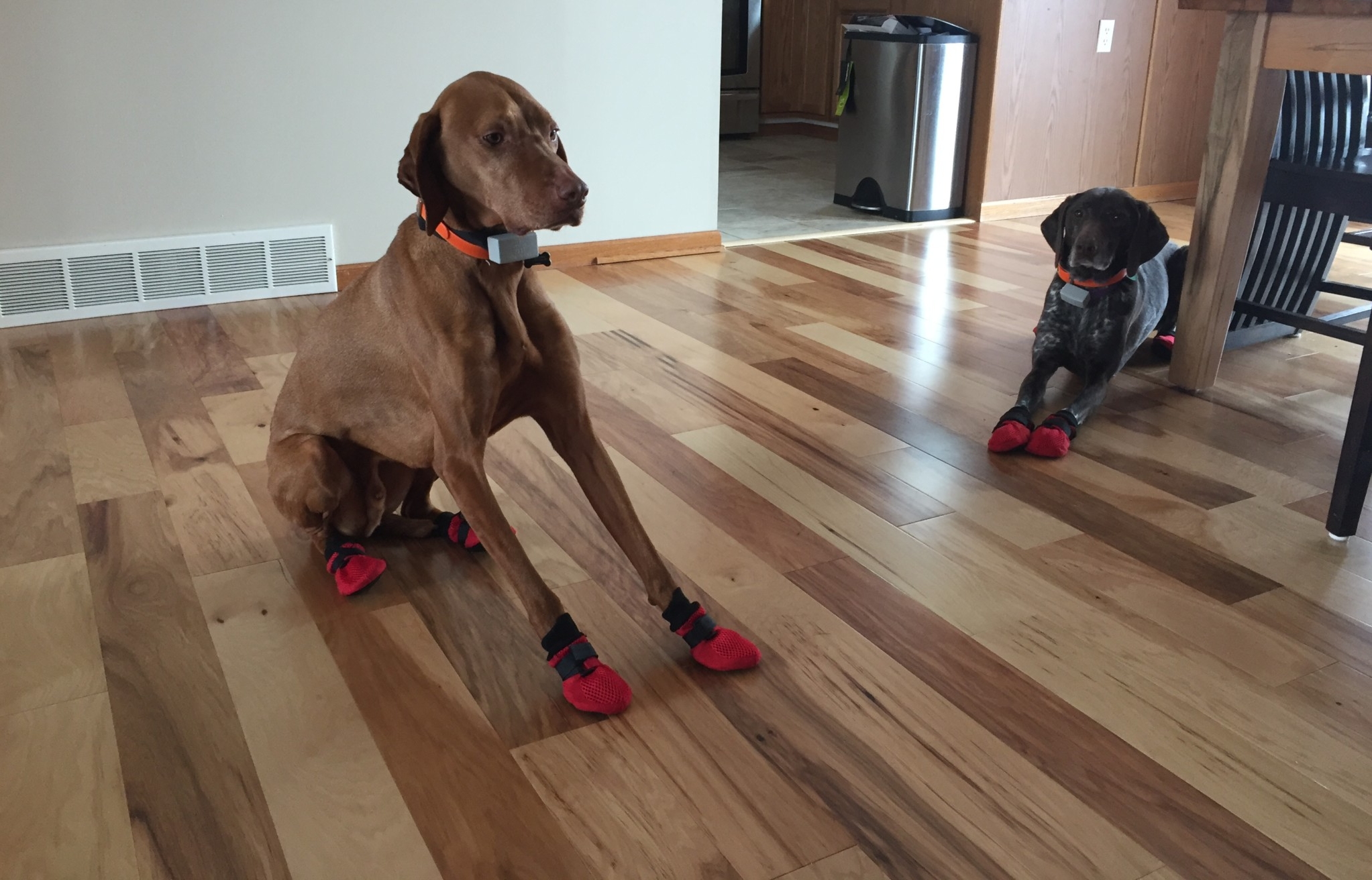
Dog Socks
H5 Socks for Slippery Floors
Yes, they make socks for dogs! Dog socks for slippery floors are designed to help. They usually have non-slip grips on the bottom. These grips are often rubber or silicone.
- Pros:
- Can work well on wood floors.
- Protect paws from rough surfaces outside (if worn outdoors).
- Can protect paws if the dog has a small cut or sore.
- Cons:
- Some dogs don’t like wearing them.
- They can twist on the paw. This means the grip is on the side or top, not the bottom.
- They can be warm for the dog’s paws.
- Sizing can be tricky. If too loose, they fall off. If too tight, they are uncomfortable.
- Need to be taken off regularly for paw checks and air.
H5 Choosing and Using Dog Socks
When choosing socks:
- Look for socks with grip covering the whole bottom part. This helps if the sock twists a little.
- Measure your dog’s paw size carefully. Follow the product’s sizing chart.
- Get socks that are breathable.
- Check the socks often for wear and tear. Replace them when the grip wears down.
To get your dog used to socks:
- Put one sock on for a few seconds. Give a treat.
- Slowly increase the time.
- Put more socks on, one by one, giving treats.
- Let them wear socks for short times inside only at first.
- Watch them closely to make sure they are comfortable and walking okay.
Dog socks are one option, but they don’t work for every dog.
Paw Grippers or Pads
H5 Sticker Pads for Paws
Another option is dog paw grippers. These are sticky pads you put directly on the bottom of the dog’s paw pads. They are like temporary stick-on soles.
- Pros:
- They stay in place better than socks because they stick.
- They leave the rest of the paw open to air.
- They can provide excellent traction.
- Cons:
- Applying them can be hard, especially if your dog doesn’t like their paws touched.
- They might fall off, especially if they get wet or if the dog licks them.
- They need to be replaced regularly.
- Can sometimes pull on the hair between the pads.
- Some dogs might try to chew them off.
H5 Applying Paw Grippers
Make sure the paw is clean and dry before applying. Trim any long hair between the paw pads. Peel off the backing and carefully stick the pad onto the main paw pad. Press it down firmly. Follow the product instructions. These usually last for a few days to a week before needing to be replaced. They are a great dog traction solution for many dogs.
Dog Boots or Shoes
H5 Boots for Indoor Traction?
While often used for protection outside (hot pavement, snow, salt), some dog boots can also provide good indoor grip. They usually have rubber soles.
- Pros:
- Offer great grip.
- Protect paws fully.
- Stay on securely if fitted correctly.
- Cons:
- Many dogs find boots very strange and uncomfortable. They might walk funny or refuse to move.
- Can be hot for indoor wear.
- Can be expensive.
H5 Using Boots Inside
Indoor use of boots is usually for specific times. Maybe for an older dog who needs help getting around only part of the day. Or for a dog recovering from injury. Like socks, introduce boots slowly and with lots of positive reinforcement (treats!).
H5 Comparing Paw Wear Options
Here is a simple look at the different paw additions:
| Solution | How it Works | Pros | Cons | Best For |
|---|---|---|---|---|
| Dog Socks | Fabric sleeve with grip on bottom | Easy to put on/take off, many styles | Twist easily, fall off, can be hot | Dogs who tolerate things on their feet, mild slipping |
| Paw Grippers/Pads | Sticky pads on paw bottoms | Stay in place better than socks, breathable | Hard to apply, may fall off, dog may chew | Owners okay with application, dogs who tolerate sticking |
| Dog Boots (indoor) | Full shoe with rubber sole | Excellent grip, full protection | Hard for dogs to adjust to, can be hot | Specific temporary needs, dogs who tolerate boots |
| Paw Wax (Grip type) | Creates a slightly sticky layer | Easy to apply, natural feel | Needs reapplication, less grip than pads/socks | Mild slipping, dogs who won’t wear paw gear |
These are all forms of dog traction solutions you can put directly on the dog’s paws.
Changing the Floor Surface
One of the most effective ways to help dogs on hardwood is to change the floor itself in key areas. This doesn’t mean ripping up your floors! It means adding surfaces your dog can grip.
Area Rugs
H5 Why Rugs are Great for Dogs
Area rugs for dog safety are a popular and effective choice. They give dogs a safe path to walk on. Dogs naturally seek out surfaces they can grip. Adding rugs creates “safe zones” for them.
- Where to put them:
- Main pathways through the house.
- In front of couches or beds where dogs jump on/off.
- Near stairs (if allowed on stairs).
- Where they eat and drink.
- Around their favorite resting spots.
- Benefits:
- Provide excellent grip.
- Define safe areas for the dog.
- Can make a room feel warmer and nicer.
- Easy to implement.
- Help with preventing dog falls on hardwood in high-traffic areas.
H5 Choosing the Right Rugs
Not just any rug will do. Some rugs can slide just like the dog!
- Non-slip backing: This is the most important feature. Look for rugs with built-in rubber or latex backing. Or buy separate non-slip rug pads to put underneath. The rug must stay put when the dog walks or runs on it.
- Material: Shorter piles are often easier to clean (for pet accidents). But even short pile rugs offer good grip.
- Size and Shape: Get rugs large enough to cover the main walking paths. A small mat might not be enough. Think about the dog’s common routes.
Filling key areas with non-slip rugs is one of the best dog traction solutions. It benefits multiple dogs in the home and requires no effort from the dog once the rug is down.
Non-Slip Mats and Runners
H5 Mats for Specific Spots
Like rugs, non-slip mats for dogs are great for targeted areas. These are often smaller than rugs or are long, narrow runners.
- Good places for mats/runners:
- Right next to the dog bed.
- Under food and water bowls.
- At the bottom or top of stairs.
- Near doors.
- Types of mats:
- Rubber mats (durable, easy to clean).
- Carpet runners with non-slip backing.
- Special pet-specific mats.
Make sure these mats are truly non-slip. Test them by trying to slide them with your foot. They should stay firmly in place. Using runners down long hallways can create a safe path for dogs who struggle with confidence on wood.
Non-Slip Floor Treatments
H5 Coatings for Wood Floors
There are also products you can apply directly to the hardwood floor itself. These treatments aim to make the surface less slippery.
-
Types:
- Non-slip floor finishes: These are applied like a varnish or sealant. They add a texture that provides more grip. This is a more permanent solution.
- Non-slip floor coatings or sprays: Some products claim to add temporary grip when sprayed or wiped onto the floor.
-
Considerations:
- Cost: Refinishing floors is expensive. Sprays might be cheaper but need reapplication.
- Durability: How long does the grip last? Does it wear off in high-traffic areas?
- Appearance: How does it change the look of the floor? Does it make it cloudy or less shiny?
- Safety: Are the chemicals safe for pets who walk and potentially lick the floor?
- Application: Is it easy to apply? Does it require special tools or knowledge?
Applying a non-slip finish is a major step. It’s often done when floors need refinishing anyway. Sprays are easier but less permanent. Research any product carefully and make sure it’s pet-safe. This is a direct way of improving dog grip on hard floors at the source.
Helping Senior and Ailing Dogs
Older dogs or those with mobility issues face extra challenges on slippery floors. Senior dog mobility on wood floors often requires a mix of the solutions already discussed, plus perhaps some extra support.
H5 Special Needs for Older Dogs
Aging often brings:
* Reduced muscle mass and strength.
* Joint pain (arthritis).
* Nerve issues affecting coordination.
* Poorer eyesight.
* Less confidence.
These factors make slipping more dangerous. A fall can lead to serious injury or make existing conditions worse.
H5 Combining Solutions for Seniors
For older dogs, it’s best to use several methods together:
- Max out floor coverage: Use as many rugs and runners as you can. Make sure there are safe paths everywhere the dog needs to go.
- Paw help: Use paw wax or grippers regularly. If the dog tolerates them, socks or boots might be helpful for specific times (like going outside or navigating a tough area).
- Nail care: Keep nails extra short. This is even more critical for older dogs with less ability to adjust their footing.
- Ramps or steps: If your dog goes on furniture or needs to go up a step, provide a ramp or steps they can grip onto. This prevents risky jumps or climbs on a slippery surface.
- Support harnesses: For dogs needing help standing or walking, a rear-end or full-body support harness can be used. This gives you something to hold onto to steady them on slippery spots. It’s not a direct grip solution for the floor, but it prevents falls by providing human help.
H5 Keeping Them Active Safely
Gentle exercise is still important for senior dogs. It helps maintain muscle mass. Do this exercise on a safe surface like grass or carpet. Avoid asking them to do difficult moves on hardwood.
Weight management is also key. Carrying extra weight puts more strain on joints. It also makes it harder to balance and recover from a slip.
Other Helpful Tips
Beyond paws and floors, here are a few more ideas for preventing dog falls on hardwood.
H4 Keep Floors Clean but Not Slippery
Dirty floors can actually offer some texture. But clean floors are healthier. When you clean hardwood, be careful about the products you use. Some floor cleaners or polishes can make the surface more slippery. Use products that leave a non-slippery finish. Always wipe up spills right away, especially water spills from the dog bowl!
H4 Watch Where Your Dog Walks
Pay attention to where your dog struggles most. Is it turning corners? Getting up from lying down? Walking down a specific hallway? This helps you know exactly where to place rugs or mats.
H4 Train “Slower” on Wood
For some dogs, especially high-energy ones, teach them to walk slowly and calmly on hardwood areas. Use treats to reward calm behavior. Avoid letting them race or play rough games on slippery surfaces indoors.
H4 Check Paws Often
Get in the habit of looking at your dog’s paw pads and nails regularly. Check for dryness, cracks, cuts, or nails getting too long. Good paw health is the base for good grip.
Combining Different Approaches
You don’t have to pick just one solution. Often, the best results come from using several methods together.
- Use rugs for main paths AND apply paw wax for extra grip everywhere else.
- Put down mats near food bowls AND use paw grippers on the dog’s feet.
- Keep nails trimmed short for ALL dogs AND use a support harness for an older dog when they need to navigate slippery areas.
Think of it like layers of safety. Each step helps reduce the risk of slipping and falling. The right combination depends on your dog’s specific needs, your home layout, and what you find easy to manage.
Choosing What’s Best for Your Dog
With so many options for dog traction solutions, how do you decide?
H4 Consider Your Dog’s Age and Health
- Puppies/Young Dogs: Usually just need short nails and perhaps some early training on walking calmly indoors. Rugs in play areas are good.
- Adult Dogs: May benefit from nail trimming, paw wax, or rugs if they are prone to slipping.
- Senior Dogs: Need the most help. Focus on maximum rug coverage, excellent paw care, and maybe paw grippers or support tools. Their senior dog mobility on wood floors is a priority.
- Dogs with Injuries/Illness: Work with your vet. They might recommend specific paw products, harnesses, or limiting movement to safe areas.
H4 Think About Your Home and Lifestyle
- How much hardwood do you have? (Lots of wood means more need for rugs/mats or floor treatments).
- How clean do you need your floors? (Paw wax can leave slight marks, grippers might come off).
- Are you home to help your dog, or do they need solutions that work when you’re out? (Rugs are always there; socks/grippers depend on application).
- What is your budget? (Rugs can be an investment; paw wax is cheaper).
H4 Watch Your Dog’s Reaction
Try one solution at a time, or a couple together. See how your dog responds. Do they hate the socks? Are they avoiding the rugs? Do they seem more confident with paw wax? Your dog will give you clues about what works and what they tolerate.
What works wonders for one dog might not work for another. Be patient. Try different things. The goal is to find solutions that help your dog feel safe and move freely in your home. This is key to preventing dog falls on hardwood and keeping them happy.
Frequently Asked Questions (FAQ)
H3 Common Questions About Dog Grip
H4 Are dog socks safe to leave on all day?
It depends on the sock and the dog. Many experts recommend taking them off regularly. This lets you check the paws for any rubbing or moisture build-up. It also lets the paws breathe. Follow the product instructions. If your dog’s paws get sweaty or irritated, don’t leave them on for long periods.
H4 Will paw wax make my floors greasy?
Most quality dog paw wax products for grip or moisture should not leave a greasy mess. Some might leave a very slight, temporary residue right after applying. Using only a small amount and letting it absorb a bit helps. Test a small, hidden area of your floor if you are worried.
H4 How often should I trim my dog’s nails?
There’s no single answer. For dogs who walk mostly indoors on soft surfaces, every 2-4 weeks might be needed. For active dogs who walk on pavement, less often. You should trim them when they are long enough to touch the floor when the dog is standing. If you hear them clicking on the floor, they are too long. Regular dog nail trimming for grip is important.
H4 Can slippery floors cause long-term problems for dogs?
Yes. Constant slipping and sliding puts stress on joints, muscles, and ligaments. Dogs might strain or pull something. Repeated falls can cause sprains or even fractures. It can worsen conditions like arthritis. Plus, the fear of falling can make dogs less active. This leads to weight gain and muscle loss, creating a bad cycle for their health. Preventing dog falls on hardwood protects their physical and mental well-being.
H4 My senior dog is scared of the hardwood. What can I do?
This is common. They’ve likely had bad experiences. Focus heavily on creating safe, non-slip paths with area rugs for dog safety and non-slip mats for dogs. Use positive reinforcement (treats!) to encourage them to walk on the rugs. Use paw grippers or wax to help them feel more secure when they step off the rug. Be patient. Sometimes, seeing they can walk without slipping helps build confidence back slowly.
H4 Are all dog traction solutions safe for all dogs?
Most are safe if used correctly. However, dogs can have allergies to materials (like latex in some sock grips). Some dogs might chew and swallow pieces of socks or paw pads, which is dangerous. Always supervise your dog when trying new products. Make sure products are non-toxic. If your dog has sensitive skin or paws, test a small area first or talk to your vet.
H4 How effective are non-slip floor finishes?
They can be very effective at improving dog grip on hard floors because they cover the entire surface. However, they are a more permanent and costly solution than adding rugs or paw products. Their effectiveness depends on the specific product and how it’s applied.
H4 Where can I find dog paw grippers or dog socks for slippery floors?
You can find them at pet stores (large chains and local shops), online pet supply retailers, and sometimes through veterinary clinics or specialty mobility aid stores.
Conclusion
Seeing your dog struggle on hardwood floors is worrying. Luckily, many good dog traction solutions exist. By keeping their nails short, caring for their paw pads, using paw wear like grippers or socks, and adding area rugs for dog safety or non-slip mats for dogs, you can make a big difference. This is especially important for senior dog mobility on wood floors.
Taking steps for preventing dog falls on hardwood helps your dog walk more confidently. It protects them from pain and injury. Your home can be a comfortable and safe place for your dog, allowing them to move freely and happily for years to come. Pick the tips that seem right for your dog and your home. Be consistent. Your dog will thank you with more wagging tails and fewer slips!