
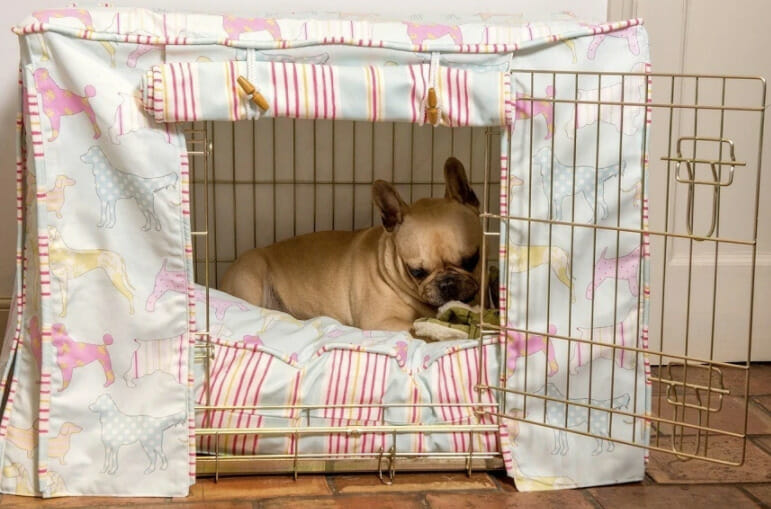
Image Source: www.doggietoys.deals
Top Tips: How To Keep A Dog Warm In A Kennel This Winter
Dogs need to stay warm. This is true especially in winter. How do you keep a dog warm in a kennel? You do this by adding insulation, good bedding, and safe heat sources. Can you use a heated dog bed? Yes, heated dog beds are a great choice for warmth. What is dog kennel insulation? It is material that traps heat inside the kennel. Are dog house heaters safe? Some are very safe if used right. Always check for safety features. What is the best bedding for a dog house in winter? Straw is a top choice. How do you winterize an outdoor dog house? Seal cracks, add insulation, and use a door flap. These steps help protect your dog from cold. This guide will show you how to keep your dog cozy and safe.
Picking the Right Kennel
The kennel itself is the first step to warmth. Not all kennels are made the same. Some keep heat better than others.
Size Matters for Warmth
Think about the size of your dog’s kennel. A kennel that is too big lets heat escape. Your dog’s body heat cannot fill the space. A kennel that is too small might feel cramped. It could also stop air from moving. This can make the air stale.
The right size kennel helps your dog stay warm. It should be just big enough for your dog to stand up. It should let your dog turn around easily. It should also let your dog lie down comfortably. A snug fit helps trap your dog’s body heat. This makes the kennel warmer inside.
Table: Ideal Kennel Size Guide
| Dog Size (Approx. Weight) | Kennel Dimensions (Length x Width x Height) |
|---|---|
| Small (Up to 20 lbs) | 24″ x 18″ x 21″ |
| Medium (21-50 lbs) | 30″ x 21″ x 24″ |
| Large (51-90 lbs) | 36″ x 24″ x 27″ |
| X-Large (91+ lbs) | 42″ x 28″ x 31″ or larger |
Note: These are general sizes. Always measure your dog. Add a few inches for comfort.
Kennel Material and Design
The material of the kennel also matters for warmth.
- Wood Kennels: Wood is a good choice. It is a natural insulator. It holds heat well. Wood kennels can be heavy. They need regular upkeep.
- Plastic Kennels: Plastic kennels are lighter. They are easy to clean. Some plastic kennels are double-walled. This offers better insulation.
- Metal Kennels: Metal kennels are the worst for cold. Metal gets very cold. It loses heat fast. They are often for indoor use. Or they are for short trips. Avoid them for outdoor winter use.
An elevated kennel is better. It lifts the kennel off the cold ground. This stops cold from seeping up. You can use wood blocks or bricks. Make sure it is steady and safe.
A good entrance is also key. A simple opening lets cold air in. A door flap helps a lot. It keeps wind and snow out. It also traps warm air inside. You can buy these. Or you can make one from heavy vinyl.
Boosting Warmth with Insulation
Insulation is vital for keeping your dog warm. It acts like a warm coat for the kennel. It stops heat from leaving. It also stops cold from getting in. This is a key step in winterizing outdoor dog house setups.
What is Dog Kennel Insulation?
Dog kennel insulation is material put into the walls, floor, and roof. It slows down heat transfer. This means the warmth your dog makes stays inside. The cold air outside stays out. It creates a warm, cozy space for your dog.
Common materials for insulation include:
- Rigid Foam Boards: These are simple to cut and fit. They have good R-values. R-value shows how well a material insulates. Higher R-value means better insulation.
- Reflective Foil Insulation: This type reflects heat. It helps keep heat in. It also stops radiant cold from walls.
- Fiberglass Batts: Use these only if covered well. Dogs can chew them. This can be unsafe. They are not often used in DIY dog kennels.
- Wood Paneling: Adding an inner layer of wood creates an air gap. This air gap itself provides some insulation.
How to Insulate Your Kennel
Insulating all parts of the kennel is best.
- Walls: Cut foam boards to fit snugly inside the walls. Place them against the outer wall. Then, cover them with plywood or thin paneling. This protects the insulation. It also stops your dog from chewing it.
- Floor: The floor loses a lot of heat. Place foam board under the floor. Or put it inside the floor. Lift the kennel off the ground. This also helps. You can use wood pallets or bricks. This stops cold from rising from the ground.
- Roof: The roof needs insulation too. Heat rises. It can escape through the roof. Add foam board to the inside of the roof. Cover it with plywood. Make sure it is secure.
Seal all cracks and gaps. Use caulk or weather stripping. This stops cold drafts. Even small gaps can let a lot of cold air in. This makes the kennel feel much colder. This dog kennel insulation work makes a big difference.
Insulated Dog Kennel Cover
An insulated dog kennel cover adds another layer of warmth. (LSI: insulated dog kennel cover) These covers fit over the whole kennel. They are made from tough, thick material. They often have a waterproof outer layer. They have a warm inner lining.
Benefits of using an insulated cover:
- Extra Insulation: They add more warmth. They help block wind.
- Draft Protection: They seal off small gaps. They stop drafts.
- Weather Shield: They protect the kennel from rain, snow, and ice.
- Easy to Use: Most covers are simple to put on and take off.
- Noise Reduction: Some covers can even help reduce outside noise. This makes the kennel a calmer place.
Look for covers made for your kennel size. Make sure it has vents for air flow. Good air flow is always needed. This helps prevent moisture build-up. It keeps the air fresh inside.
Safe Heating Solutions for Kennels
Adding heat can make a huge difference. But safety is first. You must pick the right items. You must use them the right way. This keeps your dog safe and warm.
Heated Dog Bed Options
A heated dog bed is a simple way to add warmth. (LSI: heated dog bed) Your dog can lie right on the warmth. This feels very good on a cold day.
Types of heated dog beds:
- Electric Heated Beds: These plug into an outlet. They use low power. They warm up to your dog’s body temperature. Some have thermostats. They turn off when warm enough. Look for beds with:
- Chew-proof cords: This is very important. Dogs can chew wires. This is dangerous.
- Automatic shut-off: This is a safety feature. It turns off if it gets too hot.
- Waterproof cover: This protects the heating elements. It also makes cleaning easy.
- Low voltage: These are safer.
- Self-Warming Beds or Mats: These do not use power. They use your dog’s body heat. They have special layers inside. These layers reflect the heat back to your dog. They are great for mild cold. They are also good as a backup. They are very safe because they have no electric parts.
Safety tips for electric beds:
- Always follow the maker’s instructions.
- Place the bed inside the kennel. Keep it flat.
- Check the cord often for damage.
- Do not let your dog chew the cord.
- Unplug it if you are away for a long time.
Safe Dog House Heater Choices
Using a safe dog house heater can keep your dog very warm. (LSI: safe dog house heater) But choosing the right one is key. Safety is the main concern. Not all heaters are safe for a dog house.
Heater types that can be safe:
- Radiant Panel Heaters: These are flat panels. They mount to a wall. They give off steady, gentle heat. They do not get super hot to touch. They are less of a burn risk. They often have low power use. They are a good choice.
- Oil-Filled Radiators: These are like small home radiators. They heat oil inside. They give off gentle heat. They are usually safe. They do not have exposed heating coils. Make sure they are steady. Make sure your dog cannot knock them over.
- Ceramic Heaters (with caution): Some ceramic heaters are made for kennels. They must be mounted high up. They must be out of your dog’s reach. They must have good safety features. This includes tip-over switches. They must have overheat protection. Never use standard space heaters. They are a fire risk. They can burn your dog.
Crucial Safety Rules for ALL Heaters:
- Thermostat Control: The best heaters have a thermostat. This keeps the temperature steady. It stops the kennel from getting too hot.
- Chew-Proof Cords: This cannot be stressed enough. All wires must be protected. Use metal conduits or hide cords.
- Proper Installation: Mount heaters high up. Secure them firmly to a wall. Make sure your dog cannot reach them. Do not place them on the floor.
- Ventilation: Even with a heater, fresh air is important. Do not seal the kennel completely. A small vent near the top helps.
- Fire Risk: Be aware of anything that can catch fire. Keep bedding away from heaters. Check the heater regularly.
- Power Source: Plug heaters into a proper outdoor-rated outlet. Use a ground fault circuit interrupter (GFCI) outlet. This protects against electric shock.
Heaters to AVOID:
- Heat Lamps: These get very hot. They are a fire risk. They can burn your dog.
- Household Space Heaters: These are not safe for kennels. They can tip over. They can overheat. They are not made for small, enclosed spaces.
Thermal Dog Mat Benefits
A thermal dog mat is like a self-warming bed. (LSI: thermal dog mat) But it is often thinner. It is a simpler option. It works by reflecting your dog’s own body heat back. It uses no electricity.
Benefits of a thermal mat:
- No Power Needed: This makes it very safe. No wires to chew. No electric costs.
- Portable: You can move it easily. Use it in the kennel. Use it in the car. Use it in the house.
- Adds a Layer: It adds an extra layer of warmth and comfort. It stops cold from rising from the floor.
- Washable: Most thermal mats are easy to clean.
These mats are great for mild cold. They are also good to use with other warmth solutions. They add warmth without adding risks.
Best Bedding for Winter Warmth
What you put inside the kennel matters a lot. Good bedding helps trap heat. It gives your dog a soft, warm place to rest.
Straw Bedding for Dog House
Straw is one of the best choices for outdoor dog houses. (LSI: straw bedding for dog house) It is natural and works very well.
Pros of Straw:
- Great Insulation: Straw has hollow shafts. These trap air. This makes it an excellent insulator. It holds heat well.
- Dries Quickly: It does not hold moisture like blankets. This stops mold and mildew. It also keeps your dog dry.
- Resists Fleas: Fleas do not like straw as much as other materials.
- Affordable: It is usually cheap to buy.
- Easy to Replace: You can easily add more or change it out.
Cons of Straw:
- Can be Messy: It can be tracked outside the kennel.
- Allergies: Some dogs or people might be allergic.
- Not a Cushion: It is not as soft as a padded bed.
How to Use Straw Right:
- Use real straw, not hay. Hay holds moisture. It can get moldy. It attracts bugs. Straw is drier and more hollow.
- Pile it high. Put in at least 6-12 inches of straw. Your dog should be able to burrow into it. This lets them make a warm nest.
- Change it often. Replace wet or dirty straw at least once a week. Or more often if needed.
Other Warm Bedding Materials
While straw is great, other options can work. Especially for indoor kennels or as extra layers.
- Cedar Shavings: These also have good insulation. They can repel fleas. They have a pleasant smell. But some dogs might be sensitive to the scent. They also need to be deep to be effective.
- Old Blankets and Towels: These can add softness and some warmth. But be careful. They soak up moisture easily. They can get wet and cold. They can also get dirty fast. If you use them, check them daily. Change them as soon as they are damp.
- Elevated Dog Beds with Fleece Covers: An elevated bed lifts your dog off the cold floor. Add a thick fleece cover for warmth. This works well inside an insulated kennel.
- Commercially Made Dog Beds: Look for beds with good insulation. Beds filled with memory foam or thick polyester fill are good. Make sure they have a removable, washable cover.
Choose bedding that is right for your dog. Think about how much cold your dog faces. Think about how often you can clean it. The goal is a dry, warm, and safe place.
Winterizing Your Outdoor Dog House
Winterizing an outdoor dog house is very important. It means making it ready for the cold season. It is more than just adding warmth. It is about protecting dogs from freezing temperatures. (LSI: protecting dogs from freezing temperatures)
Location and Placement
Where you put the kennel matters a lot.
- Out of the Wind: Place the kennel away from harsh winds. A strong wind can make even an insulated kennel cold. Use a wall, a shed, or a fence as a windbreak.
- Sun Exposure: Try to place the kennel where it gets some sun. The sun’s warmth can add a little heat during the day.
- Elevated from Ground: We talked about this. Lifting the kennel stops cold from the ground. It also keeps it dry from puddles.
- Slope: Place the kennel on a slight slope. This helps water drain away. It stops water from pooling under the kennel.
Draft Proofing and Sealing
Small cracks can let in a lot of cold air.
- Check for Gaps: Look at all seams and corners. Check around the door opening. Use a flashlight on a dark day. Look for light coming through cracks.
- Seal Cracks: Use caulk for small cracks. Use weather stripping around the door. Use foam sealant for bigger gaps.
- Door Flaps: Install a sturdy door flap. This is crucial. It keeps warm air in. It keeps cold air and wind out. Heavy vinyl or rubber flaps work best. Make sure your dog can push it open easily.
Protecting Dogs from Freezing Temperatures
Even with the best kennel, some days are too cold. Dogs need extra care in very cold weather.
- Know When to Bring Them Inside: If temperatures drop very low (below freezing for a long time), bring your dog inside. Young puppies, old dogs, and short-haired breeds get cold faster. Always bring them in if it is below 20°F (-6°C). For some breeds, even higher temps are too cold.
- Check Water Often: Water bowls can freeze fast. Check the water often. Give fresh, unfrozen water many times a day. You can use heated water bowls. These keep water from freezing.
- Food Needs: Dogs burn more calories to stay warm. Give them a bit more food in winter. High-quality food gives them energy.
- Never leave your dog without shelter. This is the most basic rule.
General Cold Weather Dog Care Tips
Keeping your dog warm in a kennel is part of cold weather dog care. (LSI: cold weather dog care) But other things help too. These steps make sure your dog is healthy and safe all winter.
Food and Water Needs
- More Calories: As mentioned, dogs use more energy to stay warm. If your dog spends a lot of time outside, give them a little more food. Talk to your vet about the right amount.
- Fresh, Unfrozen Water: This is so important. Dehydration can happen faster in cold weather. Always have fresh, unfrozen water ready. Heated water bowls are a great buy for outdoor dogs.
Check Your Dog Often
- Signs of Cold: Watch for shivering. Watch for whining. Watch for them trying to get warmer. These are signs your dog is too cold.
- Frostbite: Look at paw pads, ear tips, and tail tips. If they are pale, hard, or very cold, it could be frostbite. Get vet help fast.
- Paw Care: Salt and ice can hurt paws. Rinse your dog’s paws after walks. Use paw balm or dog booties. This protects their pads.
- Grooming: A clean coat insulates better. Brush your dog regularly. But avoid too many baths in winter. Natural oils help keep them warm. If you must bathe, dry them completely.
Limit Outdoor Time
- Breed Differences: Some dogs handle cold better. Huskies and Malamutes have thick coats. Greyhounds and Chihuahuas have thin coats. They get cold fast.
- Puppies and Old Dogs: Very young and very old dogs are more sensitive to cold. They should spend less time outside.
- Sick Dogs: Dogs that are sick or have health problems get cold easily. Keep them warm and inside.
Even dogs that love snow should not be left out too long. Always watch them. If they seem cold, bring them inside right away.
Dog House Warmth Solutions: A Summary
Putting all these ideas together creates a safe and warm home for your dog. (LSI: dog house warmth solutions) It is about layers of protection.
- Start with the Right Kennel: Pick one that is the right size. Pick one made of good material like wood or plastic.
- Insulate Well: Add insulation to the walls, floor, and roof. Seal all cracks. This is the base of warmth.
- Add a Door Flap: This simple thing stops wind and holds heat.
- Use Good Bedding: Straw is excellent for outdoor kennels. Pile it high. Keep it clean and dry.
- Provide Safe Heat: Consider a heated dog bed or a safe, mounted dog house heater. Always put safety first.
- Check Location: Place the kennel away from wind. Let it get some sun. Lift it off the ground.
- General Care: Give more food. Provide unfrozen water. Check your dog often. Limit time outside in extreme cold.
By taking these steps, you can give your dog a warm, safe place all winter. Your dog will thank you for it!
Frequently Asked Questions (FAQ)
Can my dog stay in a kennel all winter?
It depends on many things. It depends on your dog’s breed, health, and age. It depends on how cold it gets. If your kennel is well-insulated, heated, and has good bedding, some hardy breeds can. But for many dogs, especially small, old, or short-haired ones, it is best to bring them inside during very cold weather. Below 20°F (-6°C) is often too cold for most dogs to stay outside for long.
What temperature is too cold for a dog in a kennel?
Generally, temperatures below 45°F (7°C) can be risky for some dogs. Below 32°F (0°C) is freezing. Below 20°F (-6°C) is very dangerous for most dogs, even in a kennel. Always watch your dog for signs of cold. These include shivering or trying to curl up tightly.
How often should I change bedding?
You should change bedding like straw at least once a week. Or change it more often if it gets wet or dirty. Blankets and towels need daily checks. They soak up moisture fast. Change them right away if they are damp. Dry bedding is key for warmth.
Are self-warming beds safe?
Yes, self-warming beds and thermal mats are very safe. They do not use electricity. They work by reflecting your dog’s body heat back to them. This means no fire risk. No wires to chew. They are a great, safe option for added warmth.
Can I use a heat lamp in my dog kennel?
No, it is not safe to use a heat lamp in a dog kennel. Heat lamps get very hot. They are a big fire risk. They can also cause burns to your dog if they get too close. Always choose a heater made for pet use. Make sure it has safety features.