
Keeping your dog’s crate warm is vital for their health and comfort, especially when the weather gets cold. To keep a dog crate warm safely and effectively, you need to use a mix of proper insulation, suitable bedding, and sometimes gentle heat sources. This can include an insulated dog crate cover, a self-warming dog bed for crate, or a dog crate heating pad safe for pets. You can also prevent cold drafts and add extra layers.
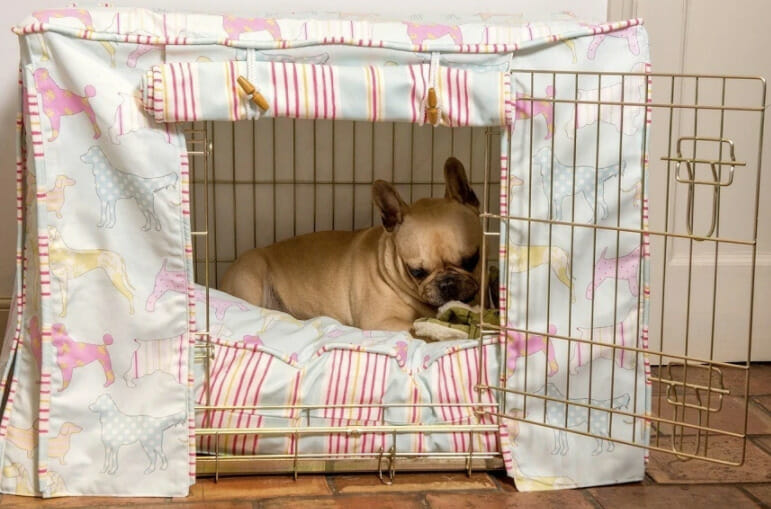
Image Source: www.doggietoys.deals
Ensuring Your Dog’s Warmth: A Core Need
Dogs need warmth, just like people. A cold crate can make your dog sick. It can also make them uncomfortable. Puppies, old dogs, and thin dogs feel the cold more. Keeping their crate warm helps them sleep well. It also keeps them healthy and happy. A warm crate is a safe place for your dog.
Signs Your Dog Is Too Cold
How can you tell if your dog is cold in their crate? Look for these signs:
* Shivering: Your dog might shake or tremble.
* Huddling: They curl up tight in a ball.
* Cold ears or nose: Touch their ears or nose. If they are very cold, your dog might be too cold.
* Whining or restlessness: They might cry or move around a lot, trying to get warm.
* Seeking warmth: They try to burrow under blankets or lean against a warm spot.
If you see these signs, act fast. Your dog needs more warmth.
Ways to Make a Crate Cozy and Warm
There are many good ways to warm your dog’s crate. Some ways are simple. Some add a lot of warmth. Always put your dog’s safety first.
Choosing the Best Bedding for Warmth
The right bedding makes a big difference. It gives a soft, warm place for your dog to rest. It also helps trap body heat.
What is the best dog crate bedding for warmth?
The best dog crate bedding for warmth includes thick blankets, fluffy beds, and special warming pads.
- Thick Blankets and Towels: These are simple and easy to find. Use old blankets or towels. Fold them to make a thick layer. They trap warm air. Make sure they are not too easy for your dog to chew up. If your dog chews a lot, choose tougher bedding.
- Pros: Cheap, easy to wash, good for adding layers.
- Cons: Can be chewed, might need many layers for enough warmth.
- Fleece Blankets: Fleece is a very warm material. It is soft and light. Fleece blankets are great for crates. They hold heat well.
- Pros: Very warm, soft, durable, easy to wash.
- Cons: Some dogs might chew on them.
- Orthopedic Beds: These beds are thick and supportive. They are good for older dogs or dogs with joint problems. Many orthopedic beds offer good insulation from cold floors.
- Pros: Very comfortable, good insulation, supports joints.
- Cons: Can be expensive, might take up more space.
- A self-warming dog bed for crate: This is a smart choice. These beds use your dog’s own body heat. They have special layers that reflect heat back to your dog. They need no electricity.
- How they work: They have a metallic layer inside. This layer sends your dog’s heat back to them. It is like a personal heat reflector.
- Pros: Safe, no power needed, very effective, good for travel.
- Cons: Can be pricey, some dogs might not like the feel at first.
Here is a quick look at common bedding types:
| Bedding Type | Warmth Level | Safety | Ease of Cleaning | Notes |
|---|---|---|---|---|
| Old Blankets/Towels | Medium | High | Easy | Good for layering, replace if chewed. |
| Fleece Blankets | High | High | Easy | Very popular, soft, holds heat well. |
| Orthopedic Beds | High | High | Medium | Excellent for comfort, good for older dogs. |
| Self-Warming Dog Bed for Crate | Very High | Very High | Medium | Uses pet’s body heat, no electricity needed. |
| Straw (Outdoor Only) | High | High | Medium | For outdoor crates only, not for indoor use. |
Using Insulated Crate Covers and Liners
An insulated dog crate cover is a top way to keep a crate warm. It wraps around the crate. This cover adds a layer of warmth. It also stops drafts.
- How they work: Crate covers are often made of thick fabric. Some have special insulation inside. They fit snugly over the top and sides of the wire crate. They help keep heat inside the crate. They also block cold air from coming in.
- Benefits:
- Traps heat: Holds your dog’s body heat inside the crate.
- Blocks drafts: Stops cold air from blowing through the wires.
- Creates a den: Makes the crate feel safer and more private for your dog.
- Reduces noise: Can help dampen loud sounds.
- Choosing one: Look for covers made from thick, durable material. Some covers have roll-up flaps. These let you control airflow. They also help your dog see out if they want to.
- Thermal dog crate liner: Some covers come with or can be paired with a thermal liner. This is an extra layer that goes on the inside. It adds even more insulation. Think of it like a warm jacket for the crate.
Stopping Cold Air: Preventing Cold Drafts in Dog Crate
Cold air can quickly chill a crate. Preventing cold drafts in dog crate areas is key.
- Crate Placement:
- Away from windows and doors: These spots often have cold air leaks. Move the crate away from them.
- Not against outside walls: Outside walls can be very cold in winter. Pull the crate a few inches away from them.
- On a raised surface: Put the crate on a mat or a small stand. This lifts it off a cold floor. Cold floors can pull heat away from the crate.
- Block Drafts:
- Use blankets or towels: Tuck blankets around the base of the crate. This can stop air from flowing underneath.
- Seal leaky windows/doors: If you feel a draft near your dog’s crate, check for air leaks. Seal them with weather stripping or caulk.
- Crate Covers: As mentioned, an insulated cover will stop drafts very well. It acts like a wall against the cold air.
Safe Ways to Add Extra Heat
Sometimes, bedding and covers are not enough. You might need to add a bit more heat. Always use safe ways to warm dog crate spaces. Safety is very important when using heating devices.
Dog Crate Heating Pad Safe Use
Is a dog crate heating pad safe?
Yes, a dog crate heating pad can be safe if you choose the right kind and use it correctly. Always pick a pad made for pets. Never use human heating pads.
-
Choose Pet-Specific Heating Pads:
- Low Voltage: Pet heating pads usually run on low voltage. This makes them much safer.
- Chew-Proof Cords: Good pet pads have cords that are hard for dogs to chew. This stops shocks and fires.
- Automatic Shut-Off/Temperature Control: Many have built-in safety features. They turn off if they get too hot. Or they keep a steady, safe temperature.
- Placement: Place the pad under half of the crate’s bedding. This way, your dog can move away from the heat if they get too warm. Do not cover the whole floor.
- Always Supervise: Watch your dog when they first use a heating pad. Make sure they are comfortable. Check for any signs of overheating.
-
Important Safety Tips for Heating Pads:
- Read Instructions: Always read the product guide carefully.
- Check Cords: Look at the power cord often. Make sure it is not chewed, cut, or damaged.
- No Direct Contact: Never let your dog lie right on the pad. Always put a blanket or bedding over it.
- No Overheating: Feel the pad yourself. It should be warm, not hot.
- Unplug When Away: If you leave your dog alone for a long time, unplug the pad.
- Avoid Liquids: Keep water and other liquids away from the heating pad.
Other Gentle Heat Sources
- Snuggle Safe Discs: These are non-electric. You heat them in the microwave. They stay warm for many hours. They are very safe. Just put them under the bedding. They are great for puppies.
- Warm Water Bottles: Fill a sturdy bottle with warm water. Wrap it in a towel. Place it in the crate. This gives gentle heat. It will cool down over time.
- Rice Socks: Fill a clean sock with uncooked rice. Tie it off. Heat it in the microwave for 1-2 minutes. Make sure it is warm, not hot. Place it in the crate. This is a very cheap option.
Special Cases: Keeping Puppies Warm at Night
Keeping puppy crate warm at night is extra important. Puppies are small. They cannot control their body heat as well as adult dogs. They also miss their littermates’ warmth.
- Body Heat is Key: Puppies rely on body heat from their mom and siblings. When they are alone, they need help staying warm.
- Use Extra Layers: Add more soft, thick blankets. A self-warming dog bed for crate is perfect for puppies.
- Snuggle Buddy: A heated disk or a warm water bottle (wrapped well) can act like a littermate. It gives a sense of comfort and warmth.
- Quiet and Draft-Free Spot: Place the puppy’s crate in a quiet room. Make sure it is free from drafts. A room that stays warm all night is best.
- Observe: Check on your puppy often. Make sure they are not shivering or panting. Panting can mean they are too hot.
Winterizing Outdoor Dog Crate and Dog Kennel Insulation Ideas
If your dog’s crate or kennel is outside, you need to do more work. Winterizing outdoor dog crate spaces is crucial for safety. It protects your dog from harsh cold, wind, and snow.
Dog Kennel Insulation Ideas for Outdoor Use
Insulation holds warmth inside. It keeps cold out. Here are some dog kennel insulation ideas:
- Insulation Panels:
- You can add foam insulation boards to the walls, floor, and ceiling of the outdoor crate or kennel.
- Cut the boards to fit. Secure them to the inside.
- Make sure your dog cannot chew them. Cover them with plywood or other safe material.
- Double Walls: Build a second wall inside the kennel. Leave a gap between the two walls. Fill this gap with straw or other safe insulation.
- Raised Floor: Lift the kennel off the ground. Use wooden pallets or concrete blocks. This stops cold from coming up from the frozen ground.
- Dog Doors/Flaps: Add a sturdy flap over the entrance. This lets your dog go in and out. But it keeps cold wind out.
- Straw Bedding: For outdoor kennels, straw is an excellent choice. It is warm, dry, and easy to clean. It allows dogs to burrow. Do not use blankets or towels outside. They can get wet and freeze.
- Roof Overhang: A roof that hangs over the front can block wind and snow from entering the door.
- Proper Ventilation: While you want to keep heat in, some air flow is still important. It stops moisture buildup. This prevents dampness and mold. Small vents near the top are usually enough.
Location and Protection for Outdoor Crates
- Sheltered Spot: Place the outdoor crate in a spot that blocks wind. A corner of a building or a fenced area is good.
- Elevate: Always lift the crate off the cold ground. Use wooden pallets or cinder blocks.
- Face Away from Wind: Position the crate door away from the main wind direction.
- Add a Vestibule: Build a small entry area or “mud room” outside the main door. This adds an extra layer of protection from the wind and cold.
Monitoring and Adjusting
After you set up your dog’s warm crate, you still need to watch it.
- Check the Temperature: Feel inside the crate. Is it too warm or too cold? Use a pet-safe thermometer if you want to be precise.
- Watch Your Dog: Look at your dog’s behavior. Are they sleeping soundly? Are they panting (too hot)? Are they shivering (too cold)?
- Adjust as Needed: The weather changes. Your dog’s needs change. Add or remove blankets. Turn on or off a heating pad as needed.
What to Avoid
Some things are not safe or helpful for warming a dog crate.
- Human Heating Pads: These get too hot for dogs. They can cause burns. Their cords are often not chew-proof.
- Electric Blankets (Human Use): Same reasons as human heating pads. Too hot and not safe for chewing.
- Space Heaters Too Close: A space heater can be very dangerous if placed too close to a crate. It can cause burns or fires. If you use one in the room, keep it far from the crate. Make sure your dog cannot knock it over.
- Too Many Layers Without Space: While layers are good, do not pack the crate so full that your dog has no room to move. They need space to stretch and turn around.
- Leaving Wet Bedding: Wet bedding will make your dog colder, not warmer. Change wet bedding right away.
- Heating Lamps (Unless Specific for Animals and Far Away): Some heat lamps are for animals. But they can get very hot. Use them only if they are made for pet enclosures. Keep them far enough away to avoid burns.
Frequently Asked Questions (FAQ)
Q1: How cold is too cold for my dog in a crate?
A1: This depends on your dog’s breed, coat, and age. But generally, temperatures below 45°F (7°C) are too cold for most dogs, especially for long periods. Small dogs, puppies, and senior dogs get cold faster. Always aim for a comfortable temperature, ideally above 50°F (10°C).
Q2: Can I use regular blankets to warm a dog crate?
A2: Yes, regular blankets like fleece or wool are good. They add warmth and comfort. Just make sure your dog does not chew on them and swallow pieces. If your dog chews a lot, choose tougher bedding.
Q3: How often should I check my dog’s crate temperature?
A3: If you are new to warming the crate, check it daily, especially in cold weather. After you know your dog’s needs, check less often. Always check if the weather changes a lot. Also, check if your dog seems cold or too hot.
Q4: Are self-warming dog beds safe for all dogs?
A4: Yes, self-warming dog beds for crate use are very safe for almost all dogs. They use no electricity. They simply reflect your dog’s own body heat. They are a good choice for puppies, old dogs, and dogs who chew electric cords.
Q5: Can I put a hot water bottle directly in the crate?
A5: No, never put a hot water bottle directly in the crate without a cover. Always wrap it in a thick towel or blanket. This stops your dog from getting burned. Also, make sure the bottle is strong and will not leak.
Q6: What are dog kennel insulation ideas that are cheap?
A6: Cheap dog kennel insulation ideas include using straw (for outdoor kennels), old blankets (for indoor crates), or cardboard boxes taped around the outside of a wire crate (for temporary insulation). You can also use bubble wrap for temporary window insulation.
Q7: Is it safe to leave a dog crate heating pad on all night?
A7: Yes, if the dog crate heating pad safe is made for pets and has safety features like auto shut-off. Always put it under bedding. Make sure your dog can move away from it. Check the cord regularly. Do not use human heating pads all night.
Q8: What if my dog chews everything in the crate?
A8: If your dog chews a lot, choose very tough bedding. Look for chew-proof fabrics. Use a limited amount of bedding. Focus on an insulated dog crate cover for warmth. For heat, try a Snuggle Safe disc or a wrapped warm water bottle. These are harder to chew than electric cords.
Keeping your dog warm and safe in their crate is a loving act. By using these tips, you can make sure your furry friend stays cozy and healthy, no matter how cold it gets outside.