
Can I take my dog kayaking? Yes, absolutely! Kayaking with your dog can be a fantastic way to spend time together, enjoy nature, and get some exercise. This guide will walk you through everything you need to know to make your paddling trips safe, fun, and successful for both you and your furry friend.
Kayaking with a dog requires preparation. You need the right gear. You need to train your dog a little. You need to know how to stay safe on the water. This post covers all these things. We will look at training, needed gear, safety tips, and finding good places to paddle. By the end, you’ll feel ready to hit the water with your best friend.
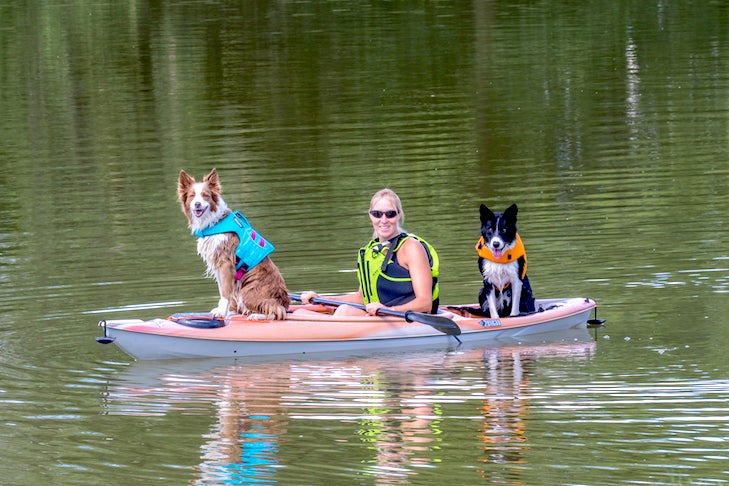
Image Source: www.akc.org
Getting Ready for Your Trip
Before you even think about putting a paw in a boat, you need to get ready. This means thinking about your dog. It also means getting your gear in order. Being ready makes everything go smoother. It helps keep everyone safe.
Choosing the Right Dog for the Job
Not every dog is a natural kayaker. Some dogs love water. Some hate it. Some are calm. Some are very active. Think about your dog’s personality.
- Temperament: Is your dog generally calm and able to sit still for a bit? A dog that can relax is better than one that bounces everywhere.
- Water Love: Does your dog enjoy swimming? Do they like being near water? A dog scared of water might not like kayaking.
- Obedience: Can your dog listen to simple commands like “sit,” “stay,” and “leave it”? This is important for safety on the water.
- Size and Weight: A very large, heavy dog can make a small kayak unstable. Think about how big your dog is and the kind of kayak you have.
If your dog is very anxious, overly energetic, or afraid of water, kayaking might not be the best fit. Or, it might take a lot more slow, careful training.
Grasping the Need for Training
You can’t just put your dog in a kayak and push off. You need to train dog for kayaking. This training is key for safety and fun. It helps your dog feel safe in the boat. It teaches them how to behave.
Training should happen slowly. It should always be positive. Use treats and praise. Make it a fun game. Never force your dog to do something they are clearly scared of.
Essential Gear for Paddling with Your Dog
Having the right stuff is a must. It keeps you safe. It keeps your dog safe. Don’s skip this part. Getting the essential gear kayaking dog needs is a key step.
The Most Important Item: A Dog Life Jacket
Let’s be clear: A dog life jacket kayaking is not optional. Even if your dog is a great swimmer, they need a life jacket. Why?
- Safety: It helps them float higher. This is important if they fall out. It keeps their head above water if they get tired or hurt.
- Visibility: Most dog life jackets are bright colors. This helps you see your dog in the water. It helps other boaters see your dog too.
- Help Getting Back In: Most life jackets have a handle on the back. This handle is super useful for lifting your dog back into the kayak if they go for a swim.
Look for a good quality dog life vest boat. It should fit well. It should not be too loose or too tight. Make sure it has a strong handle and secure buckles. Try it on your dog before you go. Let them wear it around the house. Give them treats while they wear it. This helps them get used to it.
Choosing the Right Kayak
Not all kayaks are great for dogs. The best kayak for dog owner depends on your dog’s size and how stable you need the boat to be.
- Sit-on-Top Kayaks: These are often better for dogs.
- Pros: Very stable. Easy for dogs to get on and off (if they fall out). Open space for the dog to sit or lie down. Easy to get back on if you tip over.
- Cons: You will get wet.
- Sit-Inside Kayaks: These can work, but they are harder.
- Pros: You stay drier. Good for colder weather.
- Cons: Less stable sometimes. Harder for a dog to get in and out. Less space inside the cockpit. If the dog moves a lot, it can flip you more easily.
For most people kayaking with a dog, a sit-on-top kayak is the best kayak for dog owner. Look for one with plenty of flat space on top for your dog. Some have special pads for grip. Tandem kayaks (made for two people) also offer more space for a dog.
Other Important Gear Items
Here is a basic packing list kayaking dog:
- Dog Life Jacket: Already talked about this, it’s number one!
- Water and Bowl: Just like you, your dog needs to drink. Bring fresh water and a travel bowl.
- Treats: For training, rewards, and keeping your dog happy.
- Leash: A lightweight leash is good for land. On the water, avoid tying it to the kayak. It can be dangerous if the dog falls out. Maybe use a short tether only if you are sure it’s safe and allows them to get back in or detach easily. Many people prefer no leash in the boat.
- Towels: For drying off a wet dog after a swim or at the end of the trip.
- Dog First-Aid Kit: Small version of yours. Include things like paw balm, antiseptic wipes, bandage material, and any meds your dog needs.
- Poop Bags: Leave no trace! Pack it in, pack it out.
- ID Tag: Make sure your dog has up-to-date ID tags on their collar.
- Sun Protection: Dogs can get sunburned, especially on ears and nose. Dog-safe sunscreen is available.
Gathering all the right essential gear kayaking dog needs is a big step towards a safe and fun day.
Training Your Dog for the Kayak
Training is where you build your dog’s comfort and confidence. It takes time and patience. Remember, make it fun! This section is all about train dog for kayaking.
Step 1: Introduce the Kayak on Land
Put the kayak in your yard or living room. Let your dog sniff it. Give treats when they are calm near it. Let them step on it. Give treats. The kayak should be a source of good things.
Step 2: Practice Getting In and Out
This is a big one: Getting dog in kayak and out smoothly.
- Put the kayak on the ground, stable.
- Lure your dog onto the kayak with treats. Use a command like “kayak” or “boat.”
- Practice having them sit or lie down in the spot you want them to stay. Give treats for staying.
- Practice them getting off. Use another command like “off” or “shore.”
- Repeat this many times. Make it easy and fun.
Practice this until your dog can get in and out easily and seems happy doing it.
Step 3: Practice Sitting Still
Once they are comfortable getting in, practice staying. Get in with them. Sit there for a few minutes. Give treats for calmness. Slowly increase the time. Practice commands like “sit,” “stay,” and “down” while in the boat on land.
Step 4: Move to Shallow Water
Find a calm, shallow place to launch. A boat ramp or sandy shore is good. Put the kayak in the water right at the edge. It should still be mostly on land or in very shallow water.
- Have your dog get in like you practiced on land.
- You get in too.
- Just sit there for a bit. Get them used to the slight movement of the water. Give treats.
- If they are calm, gently push off a few feet. Stay very close to shore.
- Practice getting back to shore and getting out.
Keep these first water sessions very short. End on a good note. You want your dog to think of the kayak as a fun place.
Step 5: Short Paddles
Once they are good in shallow water, try a very short paddle. Stay close to shore. Paddle for just 5-10 minutes. Come back. If your dog stayed calm, give lots of praise and maybe a special treat. Slowly make your paddles longer as your dog gets more comfortable.
What if My Dog Jumps Out?
This can happen! This is why the life jacket is vital.
- Stay calm.
- Call your dog to you.
- Use the handle on the life jacket to help them get back in. This is easier on a sit-on-top kayak.
- If they keep jumping out, they might not be ready. Go back to practicing in shallow water or on land. Or, maybe kayaking isn’t right for that dog right now. Never punish them for jumping; it might make them scared.
Remember, patience is key when you train dog for kayaking. Every dog learns at their own pace.
Safety on the Water
Safety is the most important thing. Safety tips kayaking with dog cover more than just the life jacket. You need to think about the water, the weather, and your dog’s behavior.
Launching and Landing Safely
- Choose a Good Spot: Look for a calm, easy place to get in and out. Grassy banks or shallow sandy areas are best. Avoid steep, rocky, or muddy spots.
- Get Yourself Set: Get your kayak in the water. Make sure it’s stable. Put your paddle nearby.
- Get Your Dog In: Use the command you practiced. Guide them to their spot. Have them sit or lie down. You might need a helper to hold the kayak steady while you and the dog get in.
- Landing: Approach the shore slowly. Make sure you are stable. Give your dog the command to get out when you are ready. Block them if they try to jump out too soon.
While You Are Paddling
- Dog’s Position: Teach your dog to stay in one main spot. Often, this is between your legs or just in front of you on a sit-on-top. This keeps the kayak balanced. If they move a lot, paddle to shore and practice sitting still again.
- Stay Calm: Your dog can sense your feelings. If you are nervous, they might get nervous. Stay relaxed and confident.
- Watch the Water: Pay attention to waves, boat wakes, and currents. These can make your kayak rocky. Paddle into waves if possible to stay stable.
- Watch Your Dog: Keep an eye on your dog. Are they panting a lot? Do they look stressed? Are their paws too hot on the deck?
- Breaks: Stop sometimes. Let your dog stretch on shore if possible. Let them swim if they want to. Give them water.
Water Safety Tips for Your Dog
- Water safety tips dog kayak are vital. Always know the water conditions. Is there a strong current? Are there fast boats? Is the water very cold?
- Cold Water: Cold water is dangerous for dogs, just like for people. They can get hypothermia. A life jacket adds some warmth, but don’t stay out too long in cold conditions.
- Blue-Green Algae: Avoid water that looks scummy or green. This can be toxic to dogs if they drink it or swim in it. Check local reports.
- Underwater Dangers: Be aware of rocks, sticks, or other things under the water near the shore where your dog might jump in or out.
- Drinking Water: Don’t let your dog drink water from lakes or rivers. It can have bacteria or parasites. Always bring fresh water for them.
- Sunburn and Heat: Dogs can overheat and get sunburned. Paddle in the cooler parts of the day. Find shade if you can. Use dog-safe sunscreen on exposed skin. Make sure the kayak surface isn’t too hot for their paws.
Following these safety tips kayaking with dog helps ensure a fun trip instead of a scary one.
Dealing with Falling Out
It happens! Even well-trained dogs can get excited or surprised and jump or fall out.
- Stay Calm: Your dog will look to you.
- Call Them: Call your dog back to the kayak.
- Use the Handle: Grab the handle on their dog life vest boat. This makes it much easier to lift them.
- Balance is Key: When pulling them in, pull towards the center of the kayak. This helps stop you from tipping.
- Practice: Practice getting your dog back in from the water in a safe, shallow spot. It’s harder than it looks!
Finding Dog Friendly Paddling Spots
Not all places are good for kayaking with dogs. You need to find dog friendly kayaking spots.
- Check Rules: Always check local rules and signs. Some parks or lakes don’t allow dogs, or require them to be on a leash at all times (even in the boat).
- Calm Water: Start on calm lakes, ponds, or slow-moving rivers. Avoid fast currents, rapids, or busy boat channels until you and your dog are very experienced.
- Easy Access: Look for places with easy entry and exit points. Steep banks or rocky shores are hard with a dog.
- Shade: If possible, find spots with some shade, especially in warm weather.
Ask other kayakers or local paddling groups about good places. Websites or apps for parks and recreation areas often list dog rules. Finding good dog friendly kayaking spots makes the trip more enjoyable.
Deciphering Different Kayak Types for Dog Owners
We touched on this earlier, but let’s look closer at why certain kayaks are the best kayak for dog owner. It’s about more than just space.
Sit-on-Top Kayaks
- Stability: They are generally wider and flatter than sit-insides. This makes them much more stable. When a dog moves, it can quickly shift weight. High stability is a big plus.
- Space: They have open deck space. Your dog can usually sit or lie in the large front area or sometimes behind you. There are no small cockpits to cram into.
- Entry/Exit: If the dog jumps out, it’s much easier to get them back onto a sit-on-top deck than lift them over the side and into a sit-inside cockpit.
- Self-Bailing: Sit-on-tops usually have holes that let water drain out. If waves splash over or your dog shakes off, the water leaves.
Sit-Inside Kayaks
- Protection: They keep you drier and warmer, which is nice in cooler weather or choppy water.
- Speed/Tracking: Many sit-insides are designed to be faster and track straighter (go in a line better) than sit-on-tops.
- Challenges with Dogs:
- Limited space inside the cockpit. A large dog might not fit comfortably.
- Harder for the dog to get in and out.
- If the dog moves suddenly inside a narrow cockpit, it can be easier to tip.
- Getting the dog back in if they fall out is very hard or impossible without going to shore.
Other Types
- Inflatable Kayaks: Can be stable and easy to store. Make sure the material is durable enough for dog claws. Some dogs might be nervous on a soft, bouncy surface.
- Tandem Kayaks: Great for dogs! Whether sit-on-top or sit-inside, a tandem offers much more room. You can paddle from one seat, and the dog has the other area to themselves (or sits in the middle).
When picking or using a kayak with your dog, think about space, stability, and how easy it is to get the dog in and out, especially from the water. This helps pick the best kayak for dog owner for your needs.
Your First Kayak Trip with Your Dog
You’ve trained, you have the gear, you found a spot. Now it’s time for the first trip!
- Keep it Short: Make the first paddle a very short one. Maybe 20-30 minutes total.
- Choose a Calm Day: No wind, no waves, no strong currents.
- Go With a Friend: It’s much easier if you have someone else to help you launch, land, and possibly help with the dog. They can paddle their own boat alongside you.
- Focus on Fun: Don’t worry about paddling a long distance. The goal is for you and your dog to have a positive experience. Give treats, praise, and take breaks.
- Bring Toys (Optional): Some dogs like a favorite floating toy to play with if they are allowed to swim.
- Post-Trip: When you get home, rinse your dog off with fresh water, especially if you paddled in salt water or murky fresh water. Check their paws for cuts or soreness. Give them rest and maybe a special meal.
Making the first trip easy and fun sets the stage for many happy paddles together.
Advanced Tips and Considerations
Once you and your dog are pros, you might think about longer trips or different types of water.
- Longer Trips: Plan for more breaks. Pack more water, food, and treats. Consider the weather forecast carefully. Know where potential rest stops are along the route.
- Camping Trips: If you are kayak camping, practice setting up your tent with your dog. Make sure they are comfortable sleeping in a tent before you go. Pack all their usual camping gear (bed, food, tie-out).
- Different Water Types:
- Rivers with Current: Requires more skill from you. Know how to read the water. Avoid fast currents or rapids unless you are very experienced. Be aware of strainers (fallen trees or branches in the water) which are very dangerous.
- Coastal/Ocean: Tides, waves, and wind can be big factors. Saltwater requires rinsing your gear and dog afterwards. Be aware of boat traffic.
Always put safety first, even as you become more experienced. Know your and your dog’s limits.
Packing List Recap
Let’s quickly review the packing list kayaking dog needs:
- Required:
- Kayak
- Paddle
- Your life jacket
- Dog life jacket kayaking (with handle!)
- Water for you and dog
- Dog bowl
- Leash (for land use)
- Poop bags
- Dog ID tags
- Recommended:
- Treats
- Towels
- Dog first-aid kit
- Dog-safe sunscreen
- Kayak seat pad (for you)
- Dry bag (for your stuff)
- Anchor (for staying put)
- Whistle or air horn (for signaling)
Having the essential gear kayaking dog needs packed and ready means less stress on the day of your trip.
FAQ: Common Questions About Kayaking with Your Dog
Here are some quick answers to questions people often ask about hitting the water with their dog.
Q: My dog is small. Do they still need a dog life jacket kayaking?
A: Yes! Size doesn’t matter. All dogs should wear a life jacket in a kayak. It’s for safety, visibility, and helps you get them back in.
Q: How do I stop my dog from jumping out?
A: Training is the best way. Start slow on land. Practice sitting still. Keep first water trips short and calm. Make the kayak a positive place. If they jump, calmly get them back in. If it keeps happening, they might not be ready, and more training is needed.
Q: Where should my dog sit in the kayak?
A: On a sit-on-top, the most stable spot is usually in front of you or between your legs. On a sit-inside, they sit in the cockpit with you. The key is for them to stay in one place to keep the kayak balanced.
Q: Is it okay to tie my dog’s leash to the kayak?
A: Generally, no. If your dog falls out while tied, they could be pulled under or trapped. It’s safer to have them unrestrained in the boat so they can swim freely if they exit unexpectedly. Use the life jacket handle to retrieve them.
Q: How do I find dog friendly kayaking spots?
A: Check websites for local parks, nature reserves, or water access points. Look for rules about dogs. Ask local paddling groups or bait and tackle shops for recommendations. Start with calm, well-known lakes or slow rivers.
Q: What’s the best kayak for dog owner who is just starting?
A: A stable sit-on-top kayak is often recommended. Tandem kayaks offer extra space. Look for stability and ease of getting the dog in and out.
Q: What water safety tips dog kayak should I remember most?
A: Always wear life jackets (you and dog), avoid letting dogs drink the water, check for toxic algae, be aware of currents and weather, and know how to get your dog back in if they fall out.
Q: What should be on my packing list kayaking dog?
A: Key items are dog life jacket, water and bowl, leash (for land), treats, towels, and poop bags. A dog first-aid kit is also wise.
Conclusion
Kayaking with your dog is a special experience. It builds your bond. It gets you both outside. It creates great memories. By taking the time to prepare, train, gather the right gear, and put safety first, you can enjoy many wonderful adventures on the water with your canine companion.
Start small, be patient, and celebrate the successes. With good preparation and attention to safety tips kayaking with dog, you and your dog will be paddling buddies in no time. Grab that dog life vest boat, pack the essentials, and go make some waves (gentle ones, preferably!).