
Safe Steps: How To Introduce A New Dog To A Reactive Dog
Bringing a new dog into a home with a reactive dog can be tricky. It needs great care and a smart plan. You can introduce a new dog to a reactive dog. But you must do it slowly and safely. This guide shows you how to do it. We will cover every step to help your dogs become friends. This way, you can create a happy home for all your pets.
Image Source: images.squarespace-cdn.com
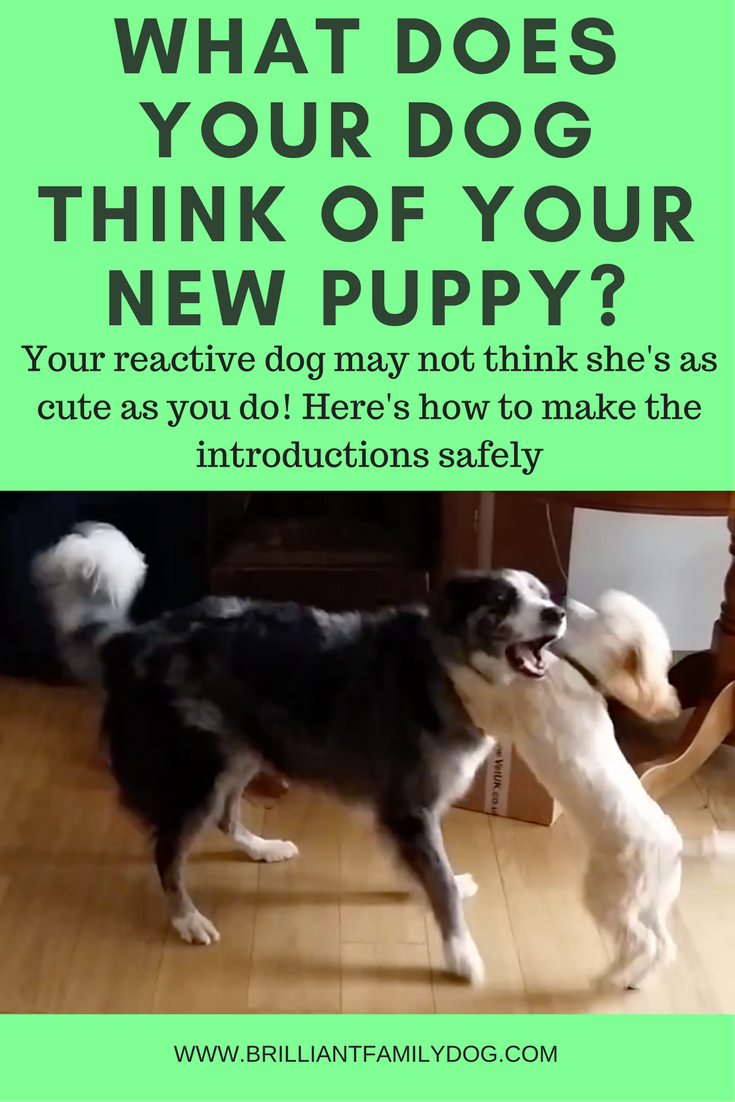
Prep Before Paws Meet
Before your dogs even see each other, much work is needed. Good prep makes a big difference. It helps everyone feel safe.
Deciphering Your Reactive Dog’s Signals
Your first step is to know your reactive dog. What makes them bark or lunge? Why do they act this way? Reactivity means a dog overreacts to normal things. This could be other dogs, people, or noises. It often comes from fear, anxiety, or past bad events. Sometimes, it’s just too much excitement.
Signs of reactivity can be clear. These include barking, growling, or lunging. But some signs are subtle. These can be licking lips, yawning, turning away, or a stiff body. Your dog might tuck their tail or flatten their ears. Pay close attention to these small hints. They tell you how your dog feels. Knowing your dog’s triggers is key. A trigger is what sets off their reaction. Is it big dogs? Small dogs? Dogs that stare? Dogs that run fast? Write down these triggers. This helps you avoid bad meetings.
Preparing Your Current Home for the New Dog
Your home needs to be ready. Safety is most important. Your goal is to keep the dogs separate at first. They need their own safe spots.
- Separate Spaces: Set up a separate area for the new dog. This could be a spare room, a part of the basement, or a section of the house. Use baby gates or crates. These help keep dogs apart. Each dog should have their own bed, food bowl, and water bowl. Do not make them share. This stops fights over things.
- Safety Measures: Keep leashes handy. Have strong crates ready. Use sturdy baby gates. Make sure doors can lock. This is for quick separation if needed. It stops bad events from happening.
- Scent Swapping: This is a vital first step. Before the dogs meet, let them smell each other. Rub a towel on one dog. Leave it near the other dog’s bed. Do this for both dogs. This lets them get used to each other’s smell. It helps them know who the other dog is, without seeing them. Do this for several days. Watch for good signs. A dog might sniff the towel, wag their tail, or seem curious. If a dog growls or seems upset, take the towel away. Try again later.
Preparing the New Dog
The new dog also needs to be ready. Their behavior can greatly affect the intro.
- Temperament Check: Pick a new dog with the right energy. A calm, easy-going dog is best. Avoid a dog who is pushy or too bouncy. A dog who respects space is ideal. If you rescue, ask about the dog’s past. Ask how they do with other dogs.
- Health Check: Both dogs must be healthy. Make sure they are up-to-date on shots. They should be free of worms or fleas. Sick dogs can be grumpy.
- Basic Training: The new dog should know basic commands. Sit, stay, and come are very useful. These help you control them in new situations. This also helps with Canine behavior modification for introductions. You can use these commands to reward calm behavior.
Initial Contact and Management
This is where the dogs start to meet. It must be slow. Always keep safety first.
Neutral Territory First
The first real meeting should happen somewhere new to both dogs. This is called neutral ground. A new place helps prevent your reactive dog from feeling territorial. If they meet in their own home, your reactive dog might feel they need to protect their space. This can lead to conflict.
- Why Neutral? A park, an empty parking lot, or a quiet field works well. Choose a place with few distractions. Avoid busy dog parks. The area should be open. This lets dogs move away if they feel stressed.
- Leash Handling: Both dogs must be on a leash. Use a long leash (6-10 feet) that is not tight. A tight leash makes a dog feel trapped. It can make them more anxious. It can make them react more strongly. A loose leash lets them move more freely. It makes them feel less stressed.
- One Handler Per Dog: Each dog needs its own person. This person should be calm and watchful. This lets each handler focus on their dog’s signals. It helps manage both dogs well.
The “Parallel Walk” Method
This is a great strategy for gradual new dog introduction. It lets dogs be near each other without direct contact.
- Start Far Apart: Begin with the dogs far enough apart so your reactive dog does not react. This might be 50 feet or more. Each handler walks their dog.
- Walk in the Same Direction: Walk side by side, but with plenty of space between them. The goal is for them to notice each other but not feel threatened.
- Watch Body Language: Look for relaxed signs. These include loose tails, soft eyes, and calm sniffing. If a dog stiffens, stares, or growls, you are too close. Move farther apart.
- Slowly Reduce Distance: Over many walks, slowly get closer. Do not rush. This might take days or weeks. The goal is for them to walk calmly near each other. They should be able to walk together without stress. This is a key part of safe dog meeting strategies.
- Sniff and Walk: Once they can walk close, let them sniff briefly. This is usually best if one dog walks slightly behind the other. They can sniff the ground where the other dog walked. Then keep walking. Do not let them face each other head-on. Head-on meetings can feel like a challenge.
- Multiple Sessions: Do these parallel walks often. Keep them short and positive. Always end on a good note. This means ending before any stress signs appear.
Supervised Home Entry
After successful parallel walks, it’s time to bring them into the home. But still, keep them separated.
- Separate Rooms: First, bring the new dog inside. Put them in their safe room. Keep your reactive dog in a separate area. They should not see each other yet. Let them get used to the smells and sounds of being in the same house.
- Leashed Introductions in Common Area: When both dogs are calm, try a brief, leashed meeting. Choose a large, neutral room in the house. A living room or kitchen often works. Keep both dogs on loose leashes. Let them enter the room one at a time. Do not let them interact directly at first. Just let them be in the same space. Give treats for calm behavior.
- Short, Positive Meetings: These meetings should be very short. A few minutes is enough. Let them sniff briefly if they seem relaxed. Then separate them. Do this many times a day. Build up the time slowly. Always end before any tension starts. This prevents dog-dog conflict.
Table: Good vs. Bad Dog Body Language Signs
| Good Signs (Relaxed) | Bad Signs (Stressed/Warning) |
|---|---|
| Loose body, wagging tail | Stiff body, frozen posture |
| Soft eyes, blinking | Hard stare, wide eyes (whale eye) |
| Relaxed mouth, panting | Growling, barking, snarling |
| Play bow, bouncy movements | Lip licking, yawning (out of context) |
| Gentle sniffing | Raised hackles (fur on back) |
| Turning head or body away | Avoiding eye contact (good) |
| Scratching (often stress) | Excessive scratching/grooming |
| Submissive urination/crawling | Low growl, showing teeth |
| Happy panting | Yawning, lip licking (stress signals) |
| Relaxed ears | Flattened ears, pulled back ears |
Building Bridges: Positive Reinforcement and Training
Once dogs can be in the same room calmly, you can start active training. This uses positive reinforcement for dog introductions. It helps both dogs feel good about being together. This is also part of canine behavior modification for introductions.
Rewarding Calm Behavior
Dogs learn by what gets them good things. If they are calm near each other, reward them!
- High-Value Treats: Use treats your dogs love. Small pieces of cheese, cooked chicken, or hot dogs work well. Give them quickly when you see calm behavior.
- Clicker Training: A clicker can be very helpful. Click the moment your dog is calm near the other dog. Then give a treat. This helps them know exactly what behavior you like.
- “Look at That” Game: This game turns a trigger (the other dog) into something good. When your reactive dog looks at the new dog, click and treat. Do not wait for a reaction. Just a glance. The goal is for your dog to look at the new dog and then look at you for a treat. This changes their feeling about the new dog from fear to “treat time!”
Structured Activities
Planned activities help dogs learn to coexist.
- Separate Training Sessions: Keep training sessions separate at first. Train each dog alone. This builds your bond with each one. It also ensures they get enough mental exercise.
- Parallel Play: Once comfortable in the same room, try parallel play. Both dogs chew on kongs or puzzle toys in the same room. They should be far enough apart that they are not stressed. This teaches them to relax in each other’s presence. They learn to do their own thing.
- Feeding Time Adjustments: Feed dogs in separate rooms or crates. This prevents any food guarding. Food is a high-value item. Keep feeding separate until they are very comfortable together. Even then, watch them closely.
Preventing Dog-Dog Conflict
Even with careful steps, conflict can happen. Knowing how to prevent it is vital. This is key to preventing dog-dog conflict.
- Never Force Interaction: Dogs need to choose to interact. Do not push them together. Do not make them share toys or beds. Let them have their own space.
- Supervision is Key: Always watch your dogs when they are together. Never leave them alone until you are 100% sure they are safe. This can take months or even years. Use crates or gates when you cannot watch them.
- Reading Body Language: This is crucial. Learn the signs of stress or fear. Look for stiff bodies, hard stares, lip licking, yawning (when not tired), or trying to get away. If you see these signs, separate the dogs calmly. Redirect their attention.
- Intervention Strategies: If tension rises, step in calmly. Do not yell. Do not grab collars. You can call one dog away. Or toss a treat to get their attention. Or simply lead one dog to a separate room. The goal is to break the tension safely.
- Resource Guarding: Pay special attention to high-value items. Food, treats, favorite toys, beds, and even people can be things dogs guard. Ensure each dog has their own things. Pick up all toys when you cannot watch them. Feed them separately.
Long-Term Integration: Creating a Harmonious Multi-Dog Home
The goal is a calm and happy home for all. This is about creating a harmonious multi-dog home. It takes time and ongoing effort. These are essential multi-dog household integration tips.
Continuing Management and Observation
The introduction phase ends. But good habits must continue. This is part of managing reactive dog introductions.
- Regular Check-ins: Keep watching your dogs. Notice their interactions. Are they still comfortable? Are there new triggers? Dogs change over time. Your plan might need to change too.
- Adjusting as Needed: Some days might be better than others. If you see signs of stress, go back a step. Give them more space. Have shorter visits. Do not feel bad about this. It’s part of the process.
- Maintaining Separate Resources: Continue giving each dog their own things. Each dog should have their own food bowl, water bowl, bed, and toys. This reduces reasons to fight. Even if they seem fine, it’s a good safety rule.
- Individual Attention: Make sure each dog gets alone time with you. This keeps your bond strong with each dog. It helps them feel secure. It reduces jealousy.
Seeking Professional Help
Sometimes, you need more help.
- When to Call a Trainer/Behaviorist: If you feel stuck, confused, or unsafe, get help. If your reactive dog shows aggression, or the new dog is struggling, call a pro. A certified professional dog trainer or a veterinary behaviorist can offer tailored advice. They can see things you might miss.
- Benefits of Professional Guidance: They can guide you step-by-step. They can teach you how to read dog body language better. They can suggest training exercises. They can help you create a safe plan. They can truly help you in introducing aggressive dogs safely if that applies to your situation.
Special Considerations: Introducing Aggressive Dogs Safely
If your reactive dog has shown aggression (biting, serious fights), the process is much harder. It is very risky. You must take extreme care.
- Emphasize Professional Help: For aggression, working with a certified professional dog trainer or a veterinary behaviorist is not an option; it’s a must. Do not try this alone. They have the knowledge to create a safe plan.
- Extreme Caution: Every step must be planned carefully. Always have a clear escape route for both dogs. Keep them separate unless under direct expert guidance.
- Muzzle Training: Muzzle training is very important. Teach both dogs to wear a basket muzzle happily. This adds a layer of safety during brief, supervised interactions. It prevents bites.
- Very Slow Process: The timeline for aggressive dogs will be much longer. It might take many months, even a year or more, before they can be in the same room. Some aggressive dogs may never be able to live together freely. Be ready for this possibility. Your top goal is the safety and well-being of all pets and people in your home.
This journey is not easy. It takes time, patience, and effort. But with the right steps, you can help your dogs live together. You can create a peaceful and loving home for your whole pack.
Frequently Asked Questions (FAQ)
Q: How long does it take to introduce a new dog to a reactive dog?
A: There is no set time. It can take weeks, months, or even a year or more. It depends on the dogs. Each dog learns at their own pace. Be patient. Do not rush the process.
Q: What if my reactive dog still growls or barks at the new dog?
A: This means you moved too fast. Go back a step. Increase the distance between them. Shorten the meeting times. Focus more on positive reinforcement for calm behavior. If it continues, seek help from a professional dog trainer.
Q: Can I use crates to help with introductions?
A: Yes, crates are very helpful. They provide a safe space for each dog. They allow dogs to be in the same room without direct interaction. This helps them get used to each other’s presence safely. Always make crates a positive place.
Q: Should I let them fight it out?
A: No, never let dogs “fight it out.” This can lead to serious injury. It also makes the reactive dog’s fear worse. It can break trust between the dogs. Always step in calmly to prevent conflict.
Q: What if my new dog is also reactive?
A: This makes the introduction much harder. It is strongly advised to get help from a professional dog trainer or behaviorist from the start. Both dogs need special plans. It will be a very slow and careful process.
Q: How do I know if the introduction is going well?
A: Look for relaxed body language in both dogs. They should have loose bodies, soft eyes, and calm sniffing. They might show interest in each other without stiffness or fear. They might start to relax in the same room. They may even ignore each other. This is a good sign. Any signs of stress mean you need to slow down.