
Your Guide: How To Hunt Quail Without A Dog Effectively
Can you hunt quail without a dog? Yes, absolutely. It is a challenging but very rewarding way to hunt. Many hunters rely on dogs to find quail, but it is entirely possible to succeed without one. This guide will show you how to hunt quail without a dog effectively, focusing on key skills like reading the land, interpreting quail behavior, and using smart hunting tactics. You will learn important quail hunting techniques no dog is needed for, helping you find and flush birds on your own.
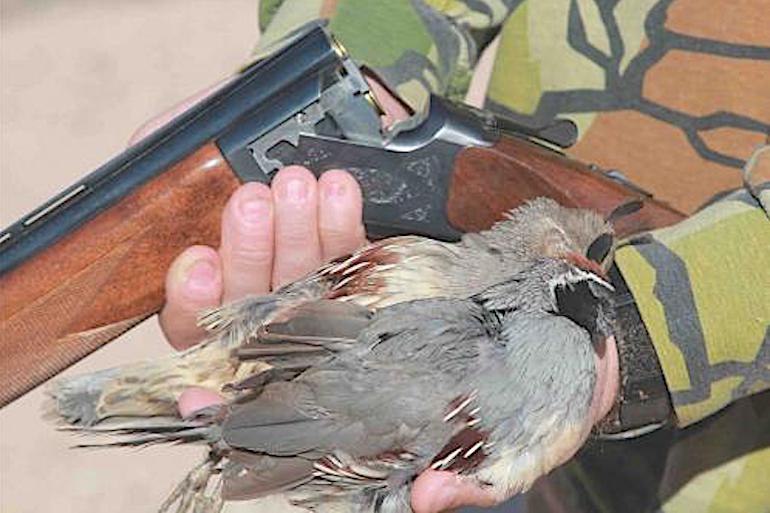
Image Source: content.osgnetworks.tv
The Core Principles of Dogless Quail Hunting
Hunting quail without a dog asks more from the hunter. You become the eyes, ears, and nose of the hunt. This means you must deeply connect with the environment and the birds. It requires great patience, keen observation skills, and a good knowledge of quail. You need to think like a quail, moving slowly and watching for signs. This type of hunting builds a strong bond between you and nature. It makes every successful flush feel like a great achievement.
Grasping Quail Behavior Patterns
To hunt quail well, you must know how they act. Quail are creatures of habit. They follow daily routines linked to feeding, resting, and safety. Knowing these patterns helps you find them.
- Morning Activity: Quail are often most active soon after sunrise. They leave their roosting spots to feed. This is a great time to find a covey. They look for seeds, insects, and fresh greens.
- Midday Rest: As the sun gets high, quail often move to thicker cover. They rest and digest food. This keeps them safe from predators and the heat. Hunting during midday can be tough, but you might find them in deep shade or dense brush.
- Late Afternoon Feeding: Quail often have another feeding period before sunset. They stock up on food for the night. This is another good time to be in the field.
- Roosting: At dusk, quail gather in a tight circle to roost. They face outwards to watch for danger. This keeps them warm and safe. They usually roost in thick cover, like briar patches or tall grass.
- Flight and Running: Quail usually run to escape danger first. They try to stay hidden. If pressed, they will explode into flight, scattering in all directions. This is the flush you are looking for. They fly fast and low, then dive back into cover. Knowing this helps you predict where they will go.
- Covey Sounds: Listen for quail calls. They make a distinctive “bob-white” call. They also make soft chirps and clucks when feeding or regrouping. These sounds are big clues for finding quail without a pointer. Hearing calls means birds are nearby.
Understanding these quail behavior patterns helps you plan your hunt. You can guess where they might be at different times of the day. This is a key part of dogless quail hunting strategies.
Identifying Quail Habitat
Finding quail without a pointer starts with knowing where they live. Quail prefer specific types of land. They need good cover for safety, food, and water. A spot with all three is a quail hotspot.
- Dense Cover: Quail love thick brush, briar patches, plum thickets, and tall, native grasses. This cover keeps them safe from hawks and other predators. It also protects them from bad weather. Look for areas where different types of cover meet. These “edge habitats” are often prime locations.
- Food Sources: Quail eat seeds, berries, and insects. Look for areas with plants that provide these foods. Examples include ragweed, lespedeza, wild grains, and various weed seeds. Agricultural fields, especially abandoned ones, can also hold quail if there is enough natural vegetation nearby.
- Water Sources: While quail can get some water from their food, they need open water too, especially in dry times. Look for streams, ponds, or even dew-heavy vegetation. Quail do not need much water, so a small puddle or damp area can be enough.
- Bare Ground and Dusting Bowls: Quail use bare, dusty spots to “dust bathe.” This helps them clean their feathers and get rid of parasites. Finding dusting bowls is a clear sign of quail activity.
- Elevation Changes: Quail often prefer higher ground in wet conditions. In very cold weather, they might seek sunnier, south-facing slopes. These small changes in terrain can affect where birds are.
Here is a table showing ideal quail habitat features:
| Habitat Feature | Why It’s Important | What To Look For |
|---|---|---|
| Thick Brush | Safety from predators, bad weather | Briar patches, plum thickets, dense shrubbery, old fence lines |
| Tall Grasses | Roosting, nesting, escape cover | Native grass stands, broom sedge, switchgrass |
| Food Plots/Weeds | Primary food source (seeds, insects) | Ragweed, lespedeza, wild sunflowers, abandoned agricultural fields |
| Water Access | Drinking, insect attraction | Small ponds, damp spots, overgrown stream banks, dew-laden plants |
| Bare/Dusty Ground | Dust bathing for feather health | Patches of bare soil, old roadbeds, exposed dirt mounds |
| Edge Habitat | Meeting point of different cover types, travel corridors | Where fields meet woods, where brush meets open ground |
When you scout an area, look for these features. Use maps, satellite images, and ground checks. The more you walk an area, the better you will get at identifying quail habitat.
Solo Quail Hunting Tips: Gear and Preparation
Hunting quail alone, without a dog, means you rely only on yourself. Good gear and careful planning are key.
- Shotgun and Ammo: A light, fast-swinging shotgun is best. A 20-gauge or 28-gauge is often ideal. Use birdshot, typically #7.5 or #8. Carry enough shells for several flushes.
- Comfortable Boots: You will do a lot of walking. Good, supportive, waterproof boots are a must. They prevent tired feet and blisters.
- Hunting Vest/Game Bag: A good vest lets you carry shells, water, snacks, and a first-aid kit. It should have a large game bag for birds.
- Water and Snacks: Stay hydrated. Carry plenty of water. Pack energy snacks.
- Navigation Tools: A GPS device or a mapping app on your phone is very helpful. Know your hunting area well. Mark your starting point and any areas where you find birds.
- First-Aid Kit: Small cuts, scrapes, or insect bites can happen. A basic kit is important for safety.
- Orange Clothing: Safety first. Wear hunter orange to be seen by other hunters.
- Layered Clothing: Dress in layers. You will get warm walking, but mornings can be cool. Layers let you adjust to the temperature.
- Gloves and Eye Protection: Protect your hands from thorns and your eyes from brush.
- Binoculars: Small binoculars can help you spot quail on the ground from a distance. They are useful for scanning open areas.
Before you go, check the weather. Tell someone where you are going and when you expect to be back. Make sure your shotgun is clean and works well. This preparation is a crucial part of solo quail hunting tips. It makes your hunt safer and more fun.
Finding Quail Without A Pointer: Scouting Methods
The most important part of dogless quail hunting is good scouting. Since you do not have a dog’s nose, you must use your eyes and ears.
- Pre-Season Scouting: Before hunting season, walk the areas you plan to hunt. Look for habitat features like thick brush, tall grass, and food sources. Note potential travel paths and roosting spots. This helps you build a map in your mind.
- Listening for Calls: Quail are noisy. Listen for their “bob-white” call, especially in the morning or late afternoon. If you hear it, move slowly and quietly towards the sound. They also make soft social calls when moving or feeding. Silence often means they know you are there.
- Quail Sign Tracking: Look for direct signs of quail.
- Tracks: Quail tracks are small, three-toed prints. Look for them in soft dirt, muddy areas, or along old roads.
- Droppings: Quail droppings are small, dark, and often contain bits of seeds or insects. Find them near dusting bowls, feeding areas, or roosting spots.
- Dusting Bowls: These are small, circular depressions in bare dirt or dust. Quail use them to dust bathe. They are a sure sign of recent quail activity.
- Feathers: Finding small body feathers or flight feathers indicates quail have been in the area. Look near roosting spots or where they might have flushed.
- Scratches/Diggings: Quail scratch and dig for food. Look for small, shallow scrapes in the leaf litter or dirt.
- Spotting Quail on the Ground: This takes patience and a keen eye. Quail blend in very well.
- Slow Down: Walk very slowly, often pausing to scan the ground.
- Use Binoculars: Scan likely areas with binoculars. Look for movement, or the distinct shape of a quail’s head or body.
- Focus on Edges: Quail often move along the edges of cover. Pay extra attention to where fields meet woods, or where thickets meet open ground.
- Look for Irregular Shapes: Quail are small and camouflaged. Do not look for a whole bird. Look for an odd shape, a dark eye, or a slight movement that does not fit the natural patterns of the ground.
- Sunlight: The angle of the sun can make it easier or harder to see birds. Try to hunt with the sun behind you if possible.
By combining these methods, you greatly increase your chances of finding quail without a pointer. This detailed scouting is the cornerstone of effective dogless quail hunting.
Quail Hunting Techniques No Dog: The Stalk and Flush
Once you have found likely areas, it is time to use specific hunting techniques. The goal is to surprise the quail and make them fly. This is called flush hunting quail.
Stalking Quail: This is the most crucial part of hunting without a dog.
- Move Slowly and Quietly: Quail have good hearing. Walk softly, lifting your feet rather than dragging them. Avoid stepping on dry leaves or breaking twigs if possible.
- Use the Terrain: Use small hills, bushes, or tall grass for cover. Stay out of sight as much as possible.
- Zig-Zag or Grid Pattern: Instead of walking in a straight line, walk in a zig-zag or grid pattern. This helps you cover more ground in a thorough way. It also makes your approach less predictable to the birds.
- Stop and Go Method: This is a classic dogless quail hunting strategy. Walk for 10-20 steps, then stop for 10-20 seconds. Stand still and listen. Quail are often nervous and will hold tight when you move. When you stop, they might think the danger has passed and move, giving themselves away. They may also flush if you stop close enough to them. This method works well for flush hunting quail.
- Walk into the Wind: If possible, walk into the wind. This makes your scent less likely to reach the birds. It also helps you hear them better.
- Reading the Land: Pay attention to how the land lies. Quail often run uphill or along natural escape routes. If you are pushing them, try to block their escape path. Walk around thick cover to push birds out, rather than walking straight through it if it’s too dense for a good shot.
Flush Hunting Quail: When quail are near, they often hold tight. Your goal is to make them fly within shooting range.
- Surprise Element: The “stop and go” method creates surprise. When you stop, birds might flush. If not, when you start moving again, they might.
- Sudden Movement: If you think quail are very close, a sudden stomp, yell, or quick move can make them flush. Be ready to mount your gun quickly.
- Shot Placement: Quail fly fast and low. Aim slightly ahead of them, leading the bird. Focus on a quick, smooth swing.
- Mark the Fall: If you shoot a bird, watch exactly where it falls. Pick out a landmark like a tree, bush, or rock. This helps you find it later.
This mix of stalking quail and strategic flushing is how you become a successful dogless quail hunter. It is all about patience and being ready.
Dogless Quail Hunting Strategies for Different Scenarios
Hunting quail without a dog requires flexible strategies. The best approach changes with the season, the birds’ behavior, and the terrain.
- Early Season (Fall):
- Behavior: Coveys are larger and less wary. Birds are often in predictable feeding areas. They may be more likely to hold tight.
- Strategy: Focus on finding large coveys. Walk through edges of crop fields, open woods with good undergrowth, and dense brush lines. Use wider sweeps and the “stop and go” method to cover ground. Birds might be less likely to run far before flushing.
Late Season (Winter):
- Behavior: Coveys are smaller due to hunting pressure and natural loss. Birds are much warier. They will run more often and flush wilder. They seek the densest, most protected cover.
- Strategy: Focus on thick, nasty cover: briar patches, honeysuckle thickets, dense evergreens. Work these areas slowly and thoroughly. Expect birds to run. You might need to work an area multiple times, pushing birds from different angles. Be ready for longer shots.
Hunting Single Birds vs. Coveys:
- Coveys: When a covey flushes, pick one bird and shoot. Mark where the other birds scatter. They usually land in dense cover, but often close to each other.
- Singles: Scattered birds from a covey are often called “singles.” These birds will hold very tight, often letting you walk right past them. They are harder to find but offer close shots. Walk slowly and crisscross the area where the covey scattered. Look for small movements or distinct shapes. If you flush one, try to mark its flight path again.
- Hunting in Dense Cover:
- Challenge: Limited visibility, hard to swing a gun. Birds might flush very close.
- Strategy: Move very slowly. Be ready for instant shots. Consider shorter barrels on your shotgun. Wear thick brush pants or chaps. Focus on listening for their movements. You are almost blind hunting, relying on sound and a quick reaction.
- Hunting in Open Areas:
- Challenge: Birds can see you coming from far away. They might run or flush wild.
- Strategy: Use any available cover (ditches, fences, tall weeds) to hide your approach. Walk into the wind. Use binoculars to spot birds from a distance. If you see them, try a long, careful stalk. If they run, try to cut them off.
- Re-flushing Scattered Birds:
- Key: After a covey flushes, mark where they land. Wait a few minutes (5-10 min) for them to settle down.
- Method: Systematically work the area where they landed. Walk in smaller, tighter circles or grids. These birds will hold very tight, so walk slowly and be ready for a flush at your feet. This is where most dogless hunters get their shots on single birds.
These dogless quail hunting strategies adapt to different field conditions and bird behaviors. The more you hunt, the better you will get at choosing the right tactic.
After the Shot: Retrieval and Ethics
The hunt is not over until you retrieve your bird. Without a dog, this step requires extra care.
- Mark the Fall: This is critical. As soon as you shoot, keep your eyes on the bird. Watch exactly where it falls. Pick out a specific landmark: a lone tree, a bush, a rock, a fence post. Do not take your eyes off that spot until you are walking directly towards it.
- Thorough Search: Quail are small and can be hard to find in cover. Walk to your marked spot. If you do not see the bird immediately, expand your search in ever-widening circles. Look under leaves, in thick grass, and at the base of bushes. Go slowly. Many birds are lost because hunters give up too soon.
- Grid Search: If you still cannot find it, perform a grid search. Walk in a straight line past your mark, then turn 90 degrees, walk a short distance, turn 90 degrees again, and come back parallel to your first line. Repeat this pattern, making sure you cover the entire area.
- Patience is Key: It can take 10-15 minutes or more to find a downed bird, especially a small quail in thick cover. Do not rush.
- Ethical Hunting:
- No Wasted Game: Make every effort to find downed birds. It is your responsibility as a hunter.
- Respect Private Property: Always know property lines and get permission before hunting.
- Follow Regulations: Know and obey all local and state hunting laws, including bag limits and seasons.
- Safety First: Always follow gun safety rules. Know what is beyond your target.
- Conservation: Consider the long-term health of the quail population. Support conservation efforts that improve quail habitat.
Retrieval is as important as the shot itself. Being thorough and ethical ensures a good hunting experience.
The Rewards of Dogless Quail Hunting
Hunting quail without a dog is not easy. It tests your skills and your patience. But it also offers unique rewards that many hunters come to value deeply.
- Deeper Connection to Nature: When you rely solely on your own senses, you become much more aware of your surroundings. You learn to read the landscape in new ways. You notice small details: a single feather, a subtle track, the slight rustle of a hidden bird. This intense focus builds a strong bond with the wild.
- Enhanced Skills: Dogless hunting forces you to sharpen every hunting skill. Your powers of observation improve greatly. You become better at stealthy movement, at reading bird signs, and at quick, accurate shooting. Each successful hunt is a testament to your growing expertise.
- Sense of Accomplishment: Finding and flushing quail on your own gives a huge sense of pride. You did it with your own two feet and your own sharp mind. It’s a pure form of hunting, where the challenge is met by your own skill.
- Peace and Solitude: Solo hunting often means time alone in nature. It is a chance to clear your head, enjoy the quiet, and escape daily stress. The sounds of the wild become your companions.
- Fitness and Health: Dogless quail hunting means a lot of walking. You will cover many miles of uneven ground. It is a great workout and a wonderful way to stay active outdoors.
For many, the true prize of dogless quail hunting is not just the birds in the bag. It is the journey, the challenge, and the profound connection to the natural world.
Frequently Asked Questions (FAQ)
Q1: How many miles do you walk quail hunting without a dog?
A1: The distance can vary a lot. To effectively cover enough ground and find birds, you might walk anywhere from 5 to 15 miles in a full day of hunting. It depends on the habitat, how thick the cover is, and how many birds you are finding.
Q2: What is the best time of day to hunt quail without a dog?
A2: The best times are usually early morning (first two hours after sunrise) and late afternoon (last two hours before sunset). These are times when quail are most active, feeding, and moving. Midday can be slower, as birds often rest in thick cover.
Q3: What shotgun choke is best for quail hunting?
A3: For quail, a more open choke is usually best. Improved Cylinder (IC) or Modified (MOD) are popular choices. Quail flush close and fly fast, so you need a wide shot pattern to hit them. If hunting in very dense cover, even a Skeet or Cylinder choke might be good.
Q4: How do you find scattered quail after a covey flush?
A4: After a covey flushes, mark the exact spots where birds appear to land. Wait 5-10 minutes for them to settle. Then, slowly and quietly work the area where they scattered. Walk in tight, systematic grids or circles. Scattered quail hold very tight, so you need to be patient and ready for a close flush.
Q5: Is it harder to hunt quail without a dog?
A5: Yes, it is generally harder. Dogs use their sense of smell to locate birds and retrieve them. Without a dog, the hunter must rely solely on sight, sound, knowledge of habitat, and tracking skills to find birds. Retrieving downed birds also becomes much more challenging. However, many hunters find this increased challenge to be very rewarding.
Hunting quail without a dog is a journey into the heart of the sport. It challenges you, teaches you, and connects you deeply with the natural world. While it demands more skill and effort, the satisfaction of finding and flushing quail on your own is immense. Prepare well, move slowly, observe keenly, and embrace the wild. You will find that dogless quail hunting is a rewarding pursuit that builds character and sharpens your instincts in the field.