
Can a senior dog with weak back legs get better? Yes, many dogs can improve or keep their quality of life with the right care. What causes old dog mobility issues? Many things can cause this, like arthritis, nerve problems, or muscle loss. We will talk about ways to help your dog feel better. We will cover common reasons for senior dog hind leg weakness. You will learn how to give your old dog good old dog mobility support.
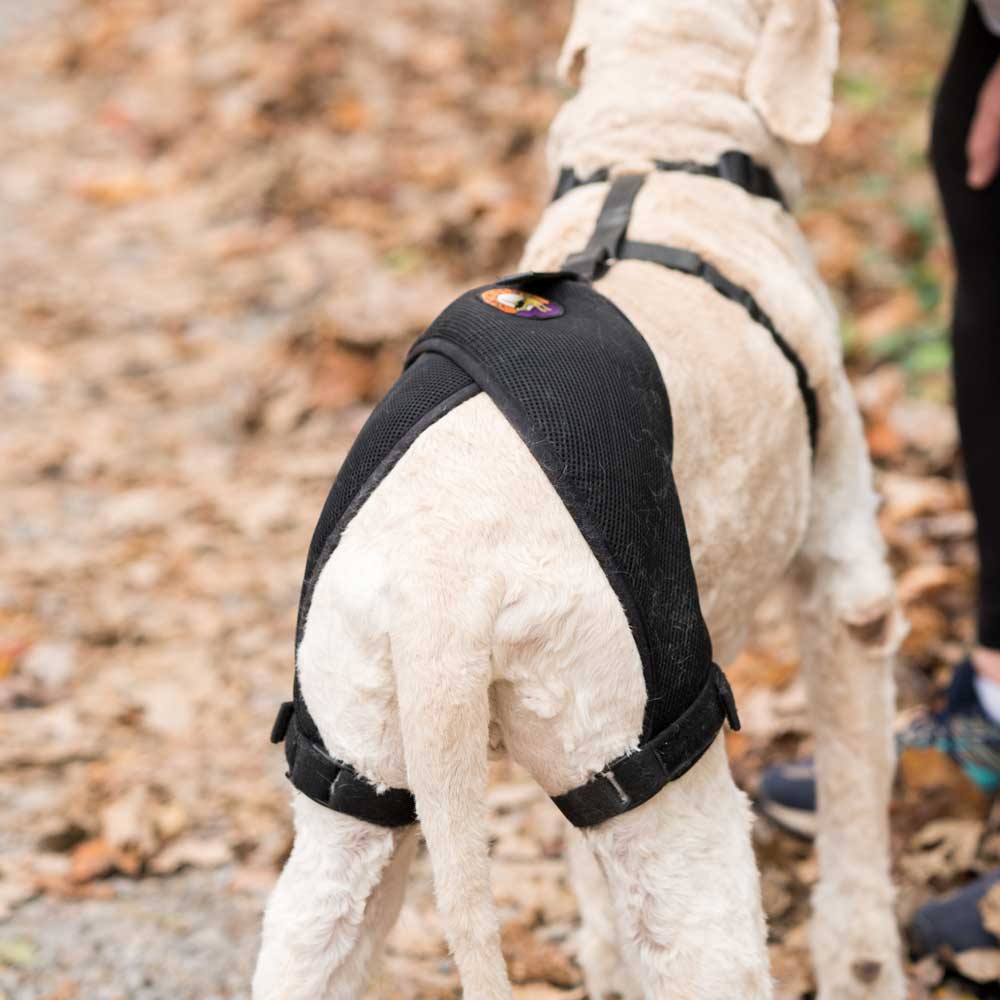
Image Source: orthodog.com
Knowing the Reasons for Weak Back Legs in Senior Dogs
It is hard to see your old dog struggle. Their back legs might shake or give out. They might find it tough to stand up. Knowing why this happens is the first step. It helps you help them better.
Common Causes of Hind Leg Weakness in Senior Dogs
Many things can make a dog’s back legs weak. Here are the main ones:
- Arthritis (Osteoarthritis): This is very common in older dogs. Their joints get stiff and painful. It makes moving hard. This is a big reason for
hind leg weakness in senior dogs. - Degenerative Myelopathy (DM): This is a serious nerve disease. It slowly gets worse. It affects the spinal cord. It makes the back legs weak and wobbly. There is no cure, but you can help your dog. We will talk about
degenerative myelopathy dog carelater. - Hip Dysplasia: This is when the hip joint does not fit right. It can cause pain and weakness. Some dogs are born with it. It often gets worse with age.
- Spinal Issues: Problems with the back bones can pinch nerves. This includes:
- IVDD (Intervertebral Disc Disease): The soft cushions between backbones bulge or burst. This hurts the spinal cord.
- Lumbosacral Stenosis (LSS): The lower back narrows. It puts pressure on nerves.
- Muscle Atrophy: Old dogs might move less. This makes their muscles get smaller and weaker. This is common in the back legs.
- Injuries: An old injury might cause lasting weakness. Or, a new injury can make things worse.
- Other Health Problems: Some diseases can make dogs weak all over. This includes heart problems, kidney disease, or cancer. Always check with your vet.
Recognizing the Signs
It is important to spot the signs early. This helps your dog get help fast. Watch for these clues:
- Changes in Walking: Your dog might walk slower. They might drag their feet. Their steps might be uneven.
- Difficulty Getting Up: They may struggle to stand after resting. They might need help to get off the floor.
- Limping or Dragging Feet: One or both back legs might limp. They might drag their paws.
- Shaking or Trembling: Their back legs might shake when they stand. This can be from pain or weakness.
- Pain Signs: Your dog might cry out. They might snap if you touch their back or legs. They might avoid certain movements.
- Muscle Loss: Their back leg muscles might look thinner.
Getting a Diagnosis
You need to know what is causing the weakness. A vet visit is a must. They can find the exact problem.
Why a Vet Visit is Key
Do not try to guess what is wrong. A vet can run tests. They can tell you the true reason for the weakness. This means your dog gets the right treatment. Early help can make a big difference.
What Your Vet Will Do
Your vet will do a full check-up. They will ask you many questions. These questions help them understand your dog’s history. They might do some or all of these tests:
- Physical Exam: They will watch your dog walk. They will feel their joints and muscles. They will check their reflexes.
- X-rays: These pictures show bones and joints. They can find arthritis, hip dysplasia, or spinal problems.
- Blood Tests: These check for other health issues. They can find infections or other diseases.
- MRI or CT Scan: These are special scans. They give a detailed look at the spine and soft tissues. They can find pinched nerves or disc problems.
- Neurological Exam: This test checks the brain and nerves. It helps spot nerve diseases like DM.
Caring for Your Dog’s Pain and Mobility
Once you know the cause, you can help your dog. There are many ways to make them feel better. We focus on pain relief and getting them moving again.
Easing Pain: Arthritis Pain Relief Senior Dogs
Pain stops dogs from moving. Managing pain is vital. It improves their life quality. Here are common ways for arthritis pain relief senior dogs:
- Pain Medication: Your vet can give pain pills. These can be NSAIDs (non-steroidal anti-inflammatory drugs). They reduce pain and swelling.
- Important: Never give human pain medicine. It can harm your dog.
- Other Pain Aids:
- Gabapentin: This helps with nerve pain. It can be used with other pain pills.
- Amantadine: This helps with chronic pain.
- CBD Oil: Some owners use CBD. Talk to your vet first. Make sure it is safe and the right dose.
- Injections:
- Polysulfated Glycosaminoglycans (PSGAGs): These shots help protect joint cartilage.
- Steroid Injections: These can reduce severe pain and swelling. They are used for short times.
Boosting Strength: Physical Therapy Senior Dog Legs
Physical therapy helps build muscle. It makes joints move better. It is a big part of physical therapy senior dog legs. A trained therapist can guide you.
- Gentle Exercises:
- Controlled Walks: Short, slow walks help keep muscles strong. Go on flat, even ground.
- Passive Range of Motion (PROM): Gently move your dog’s legs. Bend and straighten joints. Do this when they are lying down. Ask your vet how to do it right.
- Weight Shifting: Help your dog stand. Gently shift their weight from side to side. This builds balance.
- Massage: Gentle massage helps blood flow. It can ease muscle stiffness. Use soft, circular strokes on their legs and back.
- Hydrotherapy: This means exercise in water. Swimming or walking on an underwater treadmill is great. Water supports their body. It makes movement easier. It builds muscle without joint stress. Many vet rehab centers offer this.
- Laser Therapy: A cold laser can reduce pain and swelling. It speeds up healing. Your vet might offer this.
Adding Good Foods: Joint Supplements for Aging Dogs
Supplements can help support joint health. They may slow down joint damage. They are good for joint supplements for aging dogs.
- Key Ingredients to Look For:
- Glucosamine: Helps build joint cartilage.
- Chondroitin: Helps keep cartilage healthy. It works well with glucosamine.
- MSM (Methylsulfonylmethane): Reduces pain and swelling.
- Omega-3 Fatty Acids: (Fish oil, flaxseed oil) These fight swelling. They are good for joint health.
- Green-Lipped Mussel: Contains nutrients that support joints.
- Hyaluronic Acid: Helps keep joint fluid thick and slippery.
- Table: Common Joint Supplements and Benefits
| Ingredient | How it Helps |
|---|---|
| Glucosamine | Builds and repairs joint cartilage |
| Chondroitin Sulfate | Protects cartilage, improves joint elasticity |
| MSM (Methylsulfonylmethane) | Reduces pain and swelling, supports connective tissue |
| Omega-3 Fatty Acids (EPA/DHA) | Reduces inflammation, supports overall joint health |
| Green-Lipped Mussel | Contains joint-supporting nutrients, anti-inflammatory |
| Hyaluronic Acid | Lubricates joints, absorbs shock |
- Note: Always talk to your vet before starting supplements. They can suggest the best ones for your dog.
Helping Dogs with Specific Needs
Some conditions need special care. Degenerative myelopathy dog care is one example. Knowing how to help dogs with these issues is important.
Special Care for Degenerative Myelopathy Dog Care
DM is a tough disease. It causes progressive hind leg weakness in senior dogs. There is no cure. But, you can do a lot to help your dog live well. Degenerative myelopathy dog care focuses on support and comfort.
- What DM Is: DM is like ALS in humans. It slowly destroys nerves in the spinal cord. It starts in the back legs. It moves forward over time. Dogs do not feel pain from DM itself.
- Helping Your Dog Live Well with DM:
- Physical Therapy: This is critical. It helps keep muscles strong for as long as possible. It also keeps joints moving. Regular walks, passive range of motion, and hydrotherapy are key.
- Assistive Devices: A
dog wheelchair for weak legsis often needed. It gives dogs back their movement. It helps them stay active. It also protects their paws. - Paw Protection: Dogs with DM often drag their feet. This can cause scrapes and sores. Use dog booties or socks.
- Non-Slip Surfaces: DM dogs have trouble on slippery floors. Use rugs or mats everywhere.
- Bladder and Bowel Care: As DM gets worse, dogs may lose control. You might need to help them empty their bladder. Or, use doggie diapers.
- Hygiene: Keep your dog clean. This prevents skin sores.
- Quality of Life: Focus on your dog’s happiness. Give them love and mental stimulation. Even if they cannot walk far, they can still enjoy life.
Tools for Daily Living: Assistive Devices for Old Dogs
Many tools can help improving senior dog mobility. These assistive devices for old dogs make life easier for them and for you.
Walking Aids
These tools give support when your dog moves.
- Harnesses and Slings:
- Rear-Support Harnesses: These wrap around your dog’s hips. They have a handle. You can lift their back end. This helps them stand and walk. It takes pressure off their weak legs.
- Full-Body Harnesses: These support the whole body. They are good for dogs with weakness in all four legs.
- Slings: Simple fabric slings can go under their belly. They are good for short lifts or going up steps.
- Dog Wheelchair for Weak Legs:
- A wheelchair gives dogs their freedom back. It supports their weak back legs. They can run, play, and go on walks.
- Measure your dog carefully. The right size is important for comfort and safety.
- Many dogs love their wheelchairs. It lets them be active again.
- Booties and Paw Grips:
- Dog Booties: These protect paws that drag. They also give better grip on smooth floors.
- Paw Grips/Traction Socks: These have non-slip pads. They help dogs get better grip on floors.
Making Home Easier
Simple changes at home can make a big difference. They help with improving senior dog mobility.
- Ramps and Stairs:
- Ramps: Use ramps for beds, couches, and cars. This stops your dog from jumping. Jumping can hurt weak joints.
- Pet Stairs: These are shorter steps. They help dogs get on and off furniture.
- Non-Slip Mats: Put rugs or yoga mats on slippery floors. This gives your dog traction. It stops them from slipping and falling. Falls can cause serious injury.
- Raised Bowls: Bowls on a stand mean your dog does not have to bend down. This is easier on their neck and back. It helps them eat and drink without strain.
- Comfy Beds: Get an orthopedic bed. These beds support joints and muscles. They ease pressure points. This helps your dog rest better. A good bed can ease
arthritis pain relief senior dogs.
Boosting Your Dog’s Movement: Improving Senior Dog Mobility
Beyond specific aids, general care can greatly boost your dog’s movement. These are vital for improving senior dog mobility.
Keeping a Healthy Weight
Extra weight puts more stress on weak joints. It makes pain worse. Keep your dog at a healthy weight. Talk to your vet about the best food and portion size. A lean body helps mobility.
Balanced Exercise
Even with weak legs, your dog needs to move.
* Short, Frequent Walks: Instead of one long walk, do several short ones. This keeps muscles active. It avoids tiring your dog too much.
* Gentle Play: Play soft games. Roll a ball a short distance. This keeps them active and happy.
* Vet’s Advice: Always follow your vet’s exercise plan. They know what is safe for your dog.
Regular Vet Checks
Keep up with vet visits. They can watch your dog’s condition. They can adjust medicines or care plans. Early checks help spot new issues.
Daily Care Tips for Your Senior Dog
Caring for an older dog with weak legs is a daily job. These tips help keep them comfortable and happy.
Keeping Clean
Dogs with mobility issues can get dirty.
* Regular Grooming: Brush their fur often. This helps prevent matting.
* Clean Bottom: If they struggle to stand for potty breaks, they might get messy. Keep their rear clean. Use pet wipes. This prevents skin irritation.
* Nail Trims: Long nails make walking harder. They can cause slipping. Keep their nails trimmed short.
Good Nutrition
Feed your dog a high-quality senior dog food. Some foods have joint-supporting ingredients. Your vet can suggest the best diet. Small, frequent meals can be easier to digest.
Mental Fun
Even if movement is limited, your dog needs mental exercise.
* Puzzle Toys: These toys make dogs think for treats.
* Gentle Training: Work on simple commands. “Sit,” “Stay,” or “Down” can still be fun.
* Scent Games: Hide treats around the house. Let your dog use their nose to find them. This keeps their mind busy.
Keeping Your Dog Happy and Safe
The most important thing is your dog’s comfort and happiness.
Safety First
- Watch for Hazards: Remove things your dog could trip on. Keep pathways clear.
- Supervise Outdoor Time: Always watch your dog outside. They might lose balance easily.
- Temperature: Protect your dog from extreme heat or cold. They may not move as well to get comfortable.
Love and Patience
Caring for a senior dog needs patience. There will be good days and bad days. Your dog might be frustrated. They might make mistakes. Never get angry. Give them lots of love and comfort. Your bond is the most important thing.
Helping a senior dog with weak back legs is a journey. It takes effort and love. With the right care, you can improve their quality of life greatly. Your dog can still enjoy their golden years, moving as best as they can.
Frequently Asked Questions (FAQ)
H4: Can weak back legs in senior dogs get better?
Yes, in many cases, weakness can improve or be managed well. It depends on the cause. For example, pain from arthritis can get much better with medicine and therapy. Nerve diseases like DM will get worse, but dogs can still live a good life with support.
H4: What is the best supplement for old dog mobility?
The best joint supplements for aging dogs often contain Glucosamine, Chondroitin, and Omega-3 fatty acids. MSM and Green-Lipped Mussel are also helpful. Always ask your vet for advice. They can suggest the right type and dose for your dog’s needs.
H4: How can I make my house safe for a dog with weak legs?
Put non-slip mats or rugs on all slippery floors. Use ramps or pet stairs for beds and couches. Keep pathways clear of clutter. Also, make sure your dog has a comfy, orthopedic bed. These simple changes help improving senior dog mobility at home.
H4: When should I consider a wheelchair for my dog?
Consider a dog wheelchair for weak legs when your dog struggles to stand or walk on their own. This is especially true for dogs with conditions like Degenerative Myelopathy. A wheelchair gives them back their freedom and stops them from dragging their paws. Talk to your vet or a physical therapist. They can help you decide.
H4: Can physical therapy really help my old dog’s legs?
Yes, physical therapy senior dog legs is very helpful. It includes gentle exercises, massage, and hydrotherapy. It can build muscle, improve balance, and reduce pain. A trained therapist can make a special plan for your dog.