
Can your dog stay outside alone? Yes, with the right steps, your dog can learn to be happy and calm in your yard. What is separation anxiety in dogs outdoors? This is when a dog feels very stressed or scared when left alone outside. They might bark, whine, or try to escape. This guide will show you how to help your dog feel safe and happy outside by themselves. We will cover many things to make this happen. You can teach your dog to love their outdoor time.
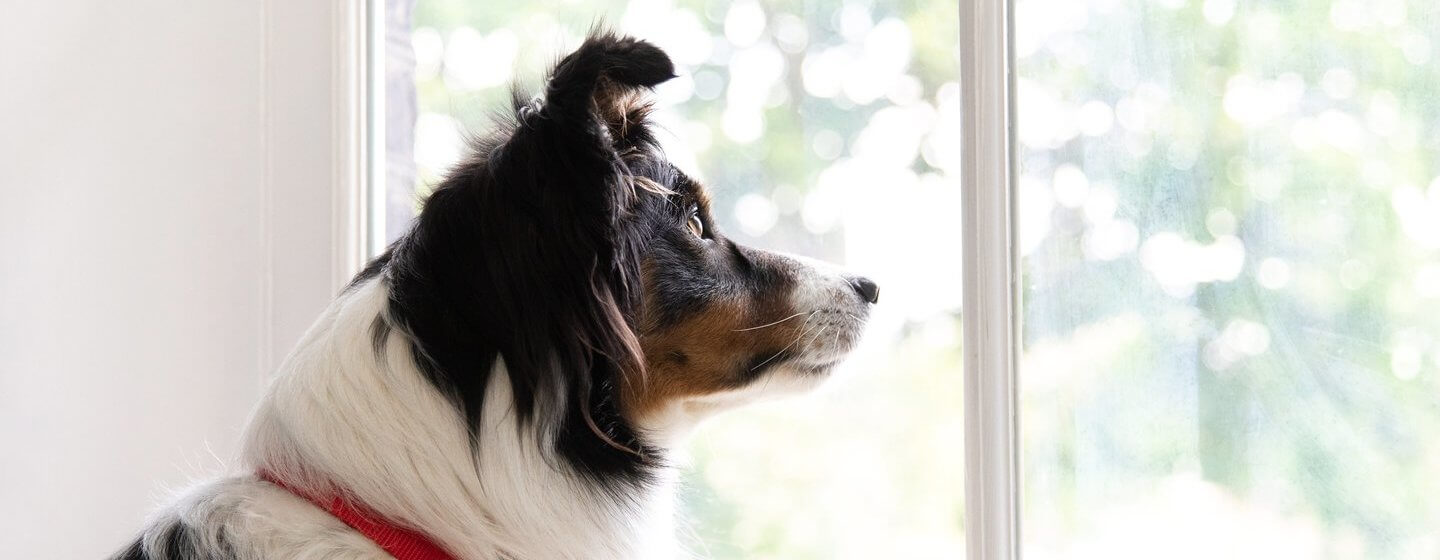
Image Source: www.purina.co.nz
Grasping Why Dogs Struggle Outside Alone
Many dogs find it hard to be outside by themselves. This is true even if they love being outdoors when you are with them. They might feel lonely or bored. Some dogs get scared. This fear can lead to problems like barking or trying to run away. It is important to know why your dog acts this way. This helps you fix the problem.
The Root of the Problem: Anxiety
A big reason dogs struggle is anxiety. Separation anxiety in dogs outdoors is a real issue. It means your dog gets very upset when left alone. This happens outside just like it can happen inside. Signs include:
* Non-stop barking or howling.
* Digging holes.
* Trying to jump or chew through fences.
* Pacing back and forth.
* Sometimes even hurting themselves.
Your dog might see being alone as a bad thing. They might link it to you leaving them. This can make them feel worried and sad. Knowing these signs is the first step. You need to address this anxiety. If you do not, training will be harder.
Other Reasons for Outdoor Distress
Anxiety is one part. But other things can make your dog dislike being alone outside.
* Boredom: Dogs need things to do. A yard with nothing fun can make a dog bored. Bored dogs often find their own fun, like digging or chewing.
* Lack of Shelter: Dogs need a safe, comfy spot outside. Without good shelter, they can get too hot, too cold, or wet. This makes them unhappy.
* Poor Security: A yard that feels unsafe can stress a dog. If they think they can escape, they might try. If they feel exposed, they might bark more.
* No Training: If your dog has never learned to be alone, it will be hard for them. They need to learn step by step.
Solving these issues helps your dog be calm. It builds trust. It makes your dog feel good about their outdoor space.
Making Your Yard a Safe Haven
Your dog’s outdoor space must be safe and welcoming. Think of it as their outdoor room. It should be a place they want to be. A good yard helps prevent many issues. It makes training easier.
Secure Your Borders
A key step is preventing dog escape from yard. Your dog cannot relax if they can run away. They also cannot relax if they think they can.
* Fences: Check your fences often. Look for loose boards or weak spots. Make sure the fence is tall enough. Some dogs can jump very high.
* Digging: If your dog digs under fences, bury chicken wire at the bottom. Or, lay large rocks along the fence line.
* Gates: Make sure gates latch firmly. Locks add extra safety. Post signs if you have one.
| Escape Risk | Solution |
|---|---|
| Jumping over fence | Add height extenders; use coyote rollers |
| Digging under fence | Bury chicken wire; lay landscape timbers |
| Slipping through gate | Add a secure latch; check gaps often |
| Chewing through fence | Use stronger materials; apply bitter spray |
A secure yard gives you peace of mind. It also helps your dog feel safe. They know they cannot get out. This removes one worry.
Provide Comfort and Shelter
Every dog needs a good place to rest outside. This is part of dog house training for outdoor living.
* Dog House: A dog house is a must. It should be big enough for your dog to stand, turn around, and lie down easily.
* It protects them from sun, rain, and cold.
* Put soft bedding inside. Make it comfy.
* Place the dog house in a spot that offers more shade or cover.
* Water: Always have fresh water available. Use a heavy bowl that will not tip over. Place it in a shady spot.
* Shade: Dogs can get too hot quickly. Make sure there are shady spots at all times of the day. Trees, awnings, or shade cloths work well.
* Cleanliness: Keep the yard clean. Pick up waste often. This makes the space more pleasant.
A well-set-up yard tells your dog, “This is a good place for you.” It helps them feel calm and safe.
Outdoor Dog Training Basics
Training is the heart of teaching your dog to stay outside alone. It is about building good habits. It helps your dog feel confident. These are general outdoor dog training tips that form a strong base.
Start with Short, Happy Times
Do not just put your dog outside and leave. Start with very short, positive times.
* Go Out Together: First, spend time with your dog in the yard. Play games. Give treats. Make the yard a fun place.
* Supervised Alone Time: Stand where your dog can see you but you are not right next to them. Watch them. If they are calm, praise them.
* Short Absences: Go inside for 10 seconds. Come back out. If your dog is calm, give a treat. Repeat this many times. Slowly make the time longer.
This is a key part of gradually leaving dog outside alone. It builds trust. Your dog learns you will come back.
Positive Reinforcement is Key
Always use positive methods.
* Treats: Give high-value treats when your dog stays calm.
* Praise: Use happy words and a happy tone.
* Play: Use a favorite toy as a reward.
Never punish your dog for barking or being upset. This will only make them more anxious. It teaches them to fear being alone. You want them to feel good.
Teach Basic Commands
Simple commands help.
* “Stay”: Practice this command in the yard. Start close, then move further away.
* “Place”: Teach your dog to go to a specific spot, like their dog bed or a mat. This can be their outdoor “place.”
* “Quiet”: Teach them to stop barking on command. We will cover this more later.
These commands give your dog a job. They help them focus. They also give you ways to manage their behavior.
Building Independence: The Gradual Approach
This step is very important. It is how you truly desensitize dog to outdoor alone time. It means slowly getting your dog used to being alone. You want them to feel comfortable and safe. This is not a fast process.
The Slow Increase Method
This is a step-by-step plan.
1. Preparation: Make sure your dog has had a potty break. Give them some mental or physical exercise. A tired dog is a good dog.
2. Short Absence 1: Go outside with your dog. Play for a bit. Then, go inside for just 30 seconds. Do not make a big deal of leaving or coming back.
3. Return and Reward: If your dog was quiet and calm, go back out. Give a treat and praise. If they barked, wait until they are quiet for a second before going back.
4. Repeat and Lengthen: Do this many times a day. Slowly increase the time.
* 30 seconds -> 1 minute -> 2 minutes -> 5 minutes -> 10 minutes.
* Do not jump too fast. If your dog starts to get upset, go back to a shorter time.
5. Vary Times: Do not always leave for the same amount of time. Sometimes leave for 2 minutes, sometimes 7 minutes. This teaches your dog that “alone time” is not always long.
6. Vary Departures: Do not always use the same door. This helps your dog not link certain actions with you leaving.
This process builds confidence. Your dog learns that you always come back. They learn that being alone is okay.
Creating a “Departure Routine”
Make leaving less stressful.
* Calm Exit: Do not say long goodbyes. Your dog picks up on your emotion. Act calm. Just walk out.
* Calm Return: Do not make a big fuss when you come back. Greet your dog calmly. Give them a treat after they are settled. This teaches them that your return is not a huge event. It just happens.
* Safe Toy: Leave a special toy or treat puzzle for them only when you leave. This gives them something good to do. It helps them link your leaving with a treat.
This careful, slow method helps your dog learn to be independent outdoors. It sets them up for success.
Setting Clear Borders
Boundary training for dogs outside helps your dog know where they can go. It teaches them what areas are off-limits. This is good for safety and control.
Physical Boundaries
Your fence is the main boundary. But you can use others too.
* Garden Beds: Place small decorative fences around flower beds. This teaches your dog not to go there.
* Designated Areas: If you want your dog to stay in one part of the yard, put up a small barrier.
Invisible Boundaries
These rely on training.
* “Stay” Command: Teach your dog to “stay” inside a defined area. This could be a mat, a dog bed, or a specific spot in the yard. Use treats to reward them for staying.
* Electronic Fences: These give a small static correction if a dog crosses a line. They need proper training. You must teach your dog what the warning beep means. They are not for all dogs, especially anxious ones. They can add to stress.
* Verbal Boundary: Mark a line in the yard with flags. Walk your dog on a leash near the line. When they get close, say “No!” or “Off limits!” and gently pull them back. Reward them for staying inside the line.
Teaching dog to be independent outdoors means they respect their space. It gives them structure. This helps them feel safe and know what to do.
Keeping Barking Under Control
A common problem when leaving dog in yard alone is barking. Managing barking when dog is outside is vital for you and your neighbors. Barking often comes from boredom, fear, or wanting attention.
Why Do Dogs Bark?
- Boredom: They have nothing else to do.
- Loneliness: They want you to come back.
- Fear: Something scares them, like a new sound or person.
- Attention-Seeking: They learned that barking makes you come out.
- Territory: They see something they want to guard.
Steps to Manage Barking
- Address the Root Cause:
- If bored, give more exercise and toys.
- If lonely, increase gradual alone time training.
- If fearful, find the cause and work to desensitize them.
- If attention-seeking, ignore the barking, reward quiet.
- Teach “Quiet”:
- Let your dog bark a few times.
- When they stop for a second, say “Quiet!” and give a treat.
- Practice this inside first, then outside.
- You can also try making a distracting noise (like shaking coins in a can) to interrupt barking. As soon as they are quiet, reward them.
- Remove Triggers:
- Can your dog see people or other dogs passing by? Block their view with fence screens.
- Are they reacting to sounds? Play calming music or white noise near their outdoor spot.
- Enrichment: A tired dog is less likely to bark.
- Give puzzle toys with treats inside.
- Hide treats around the yard for them to find.
- Provide chew toys that last a long time.
- More exercise before alone time helps.
| Barking Cause | Solution |
|---|---|
| Boredom | Puzzle toys, long-lasting chews, hidden treats |
| Loneliness/Anxiety | Gradual desensitization, calm departures/returns |
| Fear | Identify trigger, desensitize, create safe space |
| Attention-seeking | Ignore barking, reward quiet, do not rush back |
| Territorial | Block view, manage access to fence line |
Be consistent. Do not reward barking by coming out right away. Wait for a moment of quiet before you return.
Solutions for Leaving Your Dog in Yard Alone
This section brings together all the things we talked about. It focuses on making leaving dog in yard alone solutions work. It is about creating a great routine. It helps with teaching dog to be independent outdoors.
Create a Predictable Routine
Dogs love routines. A routine helps them know what will happen. This reduces their stress.
* Morning Ritual: Start with a good walk or play session. This burns energy. It helps them be calm later.
* Potty Break: Always give a potty break right before alone time.
* Food and Water: Make sure they have fresh water and any planned meals.
* Alone Time: Start with short times, as discussed. Increase slowly.
* Return: Calmly return. Engage in calm play or training after.
Provide Entertainment and Comfort
When you leave, give your dog something good.
* Long-Lasting Chews: Rawhide-free chews, bully sticks, or Kongs filled with peanut butter (frozen is best) can keep them busy.
* Puzzle Toys: Toys that make your dog work for treats are great mental exercise.
* Sniffing Games: Hide treats in different spots in the yard. This makes their alone time an exciting hunt.
* Comfort Items: An old T-shirt with your smell can be comforting for some dogs. Place it in their dog house.
These things turn alone time into fun time. It changes their view of your leaving.
Monitor and Adjust
Always watch your dog, even when you are not there.
* Cameras: Use a dog camera or a simple security camera. You can watch your dog from your phone. This helps you see if they are calm or stressed.
* Listen: If you are inside, listen. Are they barking or whining? Use this info to adjust your training.
* Check the Yard: Look for new digging or escape attempts. This shows if your setup is working.
If problems arise, go back to an earlier step. Make the alone time shorter again. Build up slowly. Every dog learns at their own pace.
Addressing Anxiety Outdoors More Deeply
We talked about separation anxiety in dogs outdoors. Let’s look closer. This is a tough problem. It needs patience.
Signs of Outdoor Anxiety
Beyond barking and escaping, look for:
* Drooling: Excessive drooling, not from heat.
* Panting: Heavy panting, not from exercise or heat.
* Pacing: Walking back and forth in a nervous way.
* Destructive Chewing: Chewing fences, plants, or other yard items.
* Self-Harm: Licking paws raw or other obsessive behaviors.
These are signs your dog is in distress. They are not being “bad.” They are scared.
Counter-Conditioning and Desensitization
These are key parts of fixing anxiety.
* Counter-Conditioning: This means changing your dog’s feelings about being alone. You want them to link alone time with good things.
* Give a special treat or toy ONLY when you leave them outside. This toy goes away when you come back.
* They learn: “Oh, human is leaving! Time for my super-fun bone!”
* Desensitization: This is the gradual exposure we talked about. You slowly get them used to being alone. You start very short and increase slowly.
* Do not leave if they are already upset. Wait until they are calm.
* Never punish anxiety signs. It makes it worse.
When to Get Help
If your dog’s anxiety is severe, it is okay to ask for help.
* Professional Trainer: A certified dog trainer or behaviorist can offer tailored plans. They can spot things you might miss.
* Veterinarian: Your vet can rule out health issues. They might also suggest calming aids or medication for severe cases. This is often a short-term help to make training possible.
Helping a dog with anxiety takes time and effort. But it is worth it for their peace of mind.
Making Progress Last
Consistency is key. So is patience. Teaching dog to be independent outdoors is a journey.
Be Consistent
- Follow the Plan: Stick to your training steps every time.
- All Family Members: Everyone in the house should follow the same rules and routines.
- Routine: Maintain a regular schedule for exercise, potty breaks, and alone time.
Be Patient
- No Quick Fixes: Real change takes time. Do not get frustrated if you have bad days.
- Small Steps: Celebrate small wins. Each calm minute outside is a step forward.
- Go Back if Needed: If your dog struggles, it is okay to go back to an easier step.
Watch Your Dog Closely
Your dog will tell you if the plan is working.
* Body Language: Look for relaxed posture, soft eyes, calm breathing. These are good signs.
* Behavior: Are they resting? Playing with toys? Or are they pacing and whining?
* Adjust: Change your plan based on what you see. If they are stressed, make the time shorter. If they are doing well, try a bit longer.
Building a dog’s confidence outside takes time. It makes their outdoor space a place of comfort, not fear. Your dog will thank you for it. They will enjoy their outdoor time, and you will enjoy your peace of mind.
Frequently Asked Questions (FAQ)
H5: How long should I leave my dog outside alone at first?
Start with very short times, like 30 seconds to 1 minute. Slowly increase this time over days or weeks.
H5: What are common signs my dog has separation anxiety outdoors?
Look for barking, howling, whining, digging, trying to escape, or destructive chewing when left alone outside. They might also pace or drool a lot.
H5: Can an invisible fence help with boundary training?
Yes, an invisible fence can help. But it needs careful training. Some dogs might find the static correction too stressful, especially if they are already anxious.
H5: How can I stop my dog from barking at everything when outside?
First, find out why they are barking. Is it boredom, fear, or for attention? Then, remove triggers (like blocking their view). Teach a “quiet” command. Provide lots of toys and exercise.
H5: Is it okay to leave my dog outside all day?
It depends on many things. The weather must be good. Your dog needs constant water, shade, and shelter. They also need to be comfortable being alone for that long. Most dogs do better with some inside time too. Dogs should not be left alone for extremely long periods without bathroom breaks or human interaction.
H5: What kind of shelter is best for an outdoor dog?
A well-made dog house is best. It should be big enough for them. It needs to protect them from sun, rain, and cold. Put comfy bedding inside.