
How To Get Shiny Dog Coat: The Ultimate Home Care Guide
A shiny dog coat shows good health. It is a sign of a happy dog. Many owners want their dog’s fur to look its best. This guide will show you how to get that shiny coat using simple home care tips.
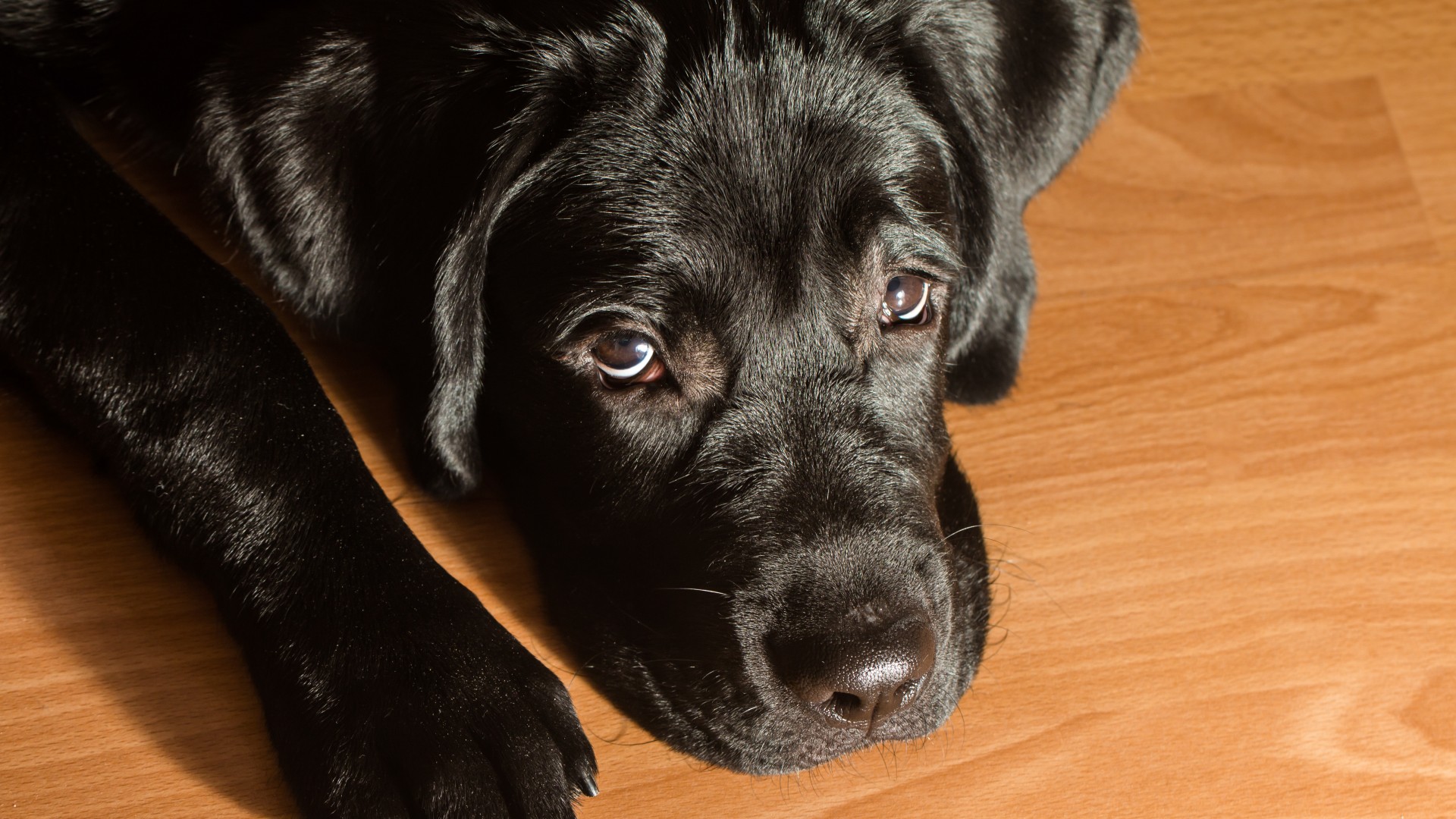
Image Source: cdn.mos.cms.futurecdn.net
Deciphering the Causes of a Dull Coat
Why does a dog’s coat lose its shine? Many things can make a dog’s fur look dull or dry. Knowing these causes helps us fix the problem. The causes of dry dog coat can be simple or point to bigger issues.
Common Reasons for a Dull Coat:
- Poor Food: What your dog eats directly affects its skin and fur. Cheap dog food may not have enough good fats, proteins, or vitamins. This can make the coat dull.
- Not Enough Water: Dogs need to drink a lot of water. If they don’t, their skin can get dry. Dry skin leads to dry, dull fur.
- Bad Bathing: Using the wrong shampoo can strip natural oils from the skin. Bathing too often can also cause this.
- Not Brushing Enough: Brushing helps spread natural oils. It also removes loose hair and dirt. Not brushing means oils stay clumped.
- Skin Problems: Fleas, ticks, allergies, or skin infections can make skin itchy and dry. This harms the coat.
- Health Issues: Some diseases can show up as a dull coat. These include thyroid problems or other hidden illnesses. If you try home care and it does not work, see your vet.
- Weather: Cold, dry air or too much sun can dry out skin and fur.
Knowing these causes is the first step to making your dog’s coat shine again.
The Role of Nutrition: Fueling a Brilliant Coat
The best way to get a shiny coat starts from the inside. Your dog’s food is key. A diet for healthy dog coat must be full of good nutrients. Think of your dog’s coat as a mirror of its diet.
Key Nutrients for a Healthy Coat:
- High-Quality Protein: Protein builds hair. Look for dog food with a good animal protein source as the first ingredient. Examples are chicken, beef, lamb, or fish.
- Good Fats: Fats, especially certain ones, are vital for skin and coat health. These are often called essential fatty acids.
- Vitamins and Minerals: Vitamins A, E, and B, plus zinc and copper, are all important. They help skin grow and keep hair strong.
What to Look For in Dog Food:
When choosing food, check the label. Look for:
- Real Meat First: The first ingredient should be a named meat, not “meat by-products” or “meat meal.”
- Healthy Fats: See terms like “chicken fat,” “fish oil,” or “flaxseed oil.”
- No Fillers: Avoid foods with corn, wheat, or soy as main ingredients. These offer little nutrition.
- No Artificial Colors or Flavors: These are not good for your dog’s health.
Omega-3 Fatty Acids: Coat Superheroes
Omega-3 fatty acids for dogs are super important. They fight skin dryness and make coats shiny. They also help reduce skin irritation and allergies.
- EPA and DHA: These are the two main types of omega-3s. They come mostly from fish.
- ALA: This type comes from plants. Dogs can use it, but it is less effective than EPA and DHA.
How Omega-3s Work:
Omega-3s help cell membranes. They reduce redness and itchiness in the skin. This leads to healthier skin, which then grows better fur.
Sources of Omega-3s:
- Fish Oil: This is one of the best sources. We will talk more about fish oil benefits for dogs later.
- Flaxseed Oil: A plant-based source of ALA.
- Certain Fish: Salmon, mackerel, and sardines are rich in omega-3s.
- Egg Yolks: Contain some beneficial fats and vitamins.
Adding these to your dog’s diet can make a big difference.
The Power of Good Grooming for a Radiant Coat
Grooming is more than just making your dog look good. It is a vital part of coat health. Proper grooming helps natural oils spread. It removes dead skin and loose hair.
Brushing Techniques for a Glossy Coat
Regular brushing is a simple yet powerful step. It helps bring out the natural shine. It also helps you bond with your dog.
Why Brushing Helps:
- Spreads Natural Oils: Brushing moves oils from the skin down the hair shaft. This makes the fur shiny and keeps it from drying out.
- Removes Dead Hair: Old hair can make the coat look dull. Brushing takes it out.
- Boosts Blood Flow: The gentle massage of brushing helps blood move to the skin. This feeds hair follicles.
- Checks for Skin Issues: You can spot fleas, ticks, bumps, or dry patches early.
How Often to Brush:
- Short-Haired Dogs: Brush 2-3 times a week.
- Long-Haired Dogs: Brush daily. This prevents mats and tangles.
Tools for Brushing:
The right brush makes a big difference.
- Slicker Brush: Best for removing loose hair and mats. Has fine, wire bristles.
- Bristle Brush: Good for short-haired dogs to smooth the coat and add shine.
- Pin Brush: Used for long, silky coats to detangle and remove loose fur.
- Rubber Curry Brush: Great for short-haired dogs. Removes loose hair and gives a massage.
Brushing Steps:
- Start Gentle: Begin at the head and work your way back.
- Brush in Layers: For long-haired dogs, lift sections of fur and brush from the skin out.
- Go with the Grain: Brush in the direction the hair grows.
- Check for Mats: Gently work out any tangles. Never pull hard.
- Finish with a Shine: After brushing, you can gently wipe the coat with a damp cloth or a small amount of coconut oil for dog fur on your hands.
Bathing for a Bright Coat
Bathing is important, but don’t overdo it. Too much bathing or the wrong products can harm the coat.
How Often to Bathe:
- Most dogs need a bath every 1-3 months.
- Dogs with skin issues or allergies may need more frequent baths with special shampoo.
- If your dog gets very dirty, a bath is fine, but avoid harsh shampoos.
Choosing the Best Shampoo:
The best dog shampoo for shiny coat will be gentle and moisturizing.
- Look for Natural Ingredients: Aloe vera, oatmeal, and vitamin E are good.
- pH-Balanced: Dog skin has a different pH than human skin. Use dog-specific shampoo.
- Moisturizing: Shampoos with added conditioners or moisturizers help.
- Avoid Harsh Chemicals: Stay away from artificial dyes, fragrances, and sulfates.
Bathing Tips:
- Wet Thoroughly: Make sure your dog’s coat is wet down to the skin.
- Lather Gently: Apply shampoo and massage it in. Focus on dirty areas.
- Rinse Completely: This is the most important step. Shampoo left on the skin can cause dryness and irritation. Rinse until the water runs clear and no suds are left.
- Condition (Optional): A dog conditioner can add extra moisture and shine. Rinse well after.
- Towel Dry: Gently squeeze excess water. Blot, don’t rub too hard.
- Blow Dry (If Needed): Use a low, cool setting if you blow dry. Never use hot air.
Grooming Tips for a Shiny Coat
Beyond brushing and bathing, other grooming tips for shiny coat can help.
- Regular Trimming: Get your dog trimmed by a professional groomer or do it yourself. This removes split ends and keeps the coat healthy.
- Clean Ears: Check and clean your dog’s ears regularly. Ear infections can sometimes affect overall health, including coat quality.
- Paw Care: Trim nails and check paw pads. Healthy paws contribute to overall comfort.
- Eye Care: Gently wipe away any eye discharge.
These small steps add up to a much healthier and shinier coat.
Supplements and Natural Aids: Boosting Inner Health
Sometimes, diet and grooming are not enough. Dog skin and coat supplements can give an extra boost. They fill gaps in your dog’s diet. They also help address specific skin and coat problems.
Top Supplements for Coat Health:
-
Fish Oil (Omega-3s): We talked about this before, but it’s worth a deeper dive. Fish oil benefits for dogs are huge. It is rich in EPA and DHA, which are anti-inflammatory. This means it helps soothe itchy skin. It also helps the skin produce healthy oils. This leads to a shinier, softer coat.
- Dose: Talk to your vet. The right amount depends on your dog’s size and health.
- Types: Look for purified fish oil. It should be free of mercury and other toxins.
- Storage: Keep it in a cool, dark place or the fridge. It can go bad if exposed to air and light.
-
Coconut Oil: Coconut oil for dog fur can be used in two ways:
- Topically (on the skin): Rub a small amount into your dog’s dry patches or directly onto the coat. It moisturizes and can make the fur look sleek. It can also help with minor cuts or bug bites.
- Orally (in food): A small amount added to food can help digestion. It also supports skin health from the inside. Start with a tiny amount (e.g., 1/4 teaspoon for small dogs, 1 teaspoon for large dogs) and increase slowly. Too much can cause loose stools.
-
Flaxseed Oil: Another good source of omega-3s (ALA). It’s a plant-based option for those who prefer it. While not as strong as fish oil for EPA/DHA, it still provides beneficial fats.
-
Biotin: A B vitamin important for healthy skin and hair growth. Often found in multi-vitamin supplements for dogs.
-
Zinc: An important mineral for skin health. Zinc deficiency can lead to hair loss and skin problems.
-
Vitamin E: An antioxidant that protects skin cells from damage. It can be given as a supplement or applied topically (e.g., puncturing a capsule and rubbing the oil on a dry spot).
Using Natural Remedies for Dull Fur
Besides supplements, some natural remedies for dull dog fur can work wonders.
- Oatmeal Baths: Great for soothing itchy, dry skin. Buy special colloidal oatmeal for baths or grind plain oatmeal into a fine powder. Add it to warm bath water. Soak your dog for 10-15 minutes, then rinse well.
- Apple Cider Vinegar Rinse: Mix one part apple cider vinegar with one part water. After shampooing and rinsing, pour this mix over your dog’s coat. Let it sit for a few minutes, then rinse well. It can help balance skin pH and add shine.
- Egg Yolk Mask: Raw egg yolks are rich in protein and fatty acids. Whisk one or two egg yolks (depending on dog size) and massage into your dog’s coat. Leave for 10-15 minutes, then shampoo and rinse thoroughly. Do this no more than once a month. Only use if your dog is not allergic to eggs.
- Olive Oil: Similar to coconut oil, a tiny amount of olive oil can be rubbed onto the coat for shine or added to food. It’s a good source of healthy fats.
Important Note on Supplements and Remedies:
Always talk to your vet before adding any new supplement or remedy to your dog’s routine. They can tell you the right dose and if it’s safe for your dog. Some supplements can interact with medicines or cause side effects if given in too large amounts.
| Supplement/Remedy | Primary Benefit | How to Use | Notes |
|---|---|---|---|
| Fish Oil | Shiny coat, less itch | In food | Vet advises dose; store cold. |
| Coconut Oil | Moisturizer, shine | On fur, in food | Start small; can cause loose stools. |
| Oatmeal Bath | Soothes dry skin | Bath additive | Rinse very well. |
| Apple Cider Vinegar | pH balance, shine | Rinse after shampoo | Dilute with water; rinse well. |
| Egg Yolk | Protein, fats | Coat mask, then shampoo | Use once a month; check for allergies. |
Environmental Factors and Lifestyle for a Healthy Coat
Beyond food, grooming, and supplements, your dog’s daily life and surroundings play a part in coat health.
- Fresh Water: Always have fresh, clean water available. Dehydration makes skin and fur dry.
- Clean Living Space: A clean bed and clean floors mean less dirt and dust getting into the coat.
- Protection from Elements: In harsh sun, keep your dog in the shade. In dry, cold weather, a humidifier in your home can help with dry skin.
- Stress Reduction: Stress can affect a dog’s overall health, including skin and coat. A calm environment and regular exercise help reduce stress.
- Regular Exercise: Good blood flow from exercise helps nutrient delivery to the skin and hair follicles.
- Pest Control: Keep up with flea and tick prevention. These pests cause intense itching and skin damage. This can lead to a dull, patchy coat.
When to Seek Veterinary Help
Most dull coat issues can be fixed at home. But sometimes, a dull coat signals a bigger health problem.
See your vet if:
- Sudden Change: Your dog’s coat suddenly gets very dull or starts losing hair fast.
- Skin Problems: There are open sores, scabs, redness, severe itching, or bad smells from the skin.
- Other Symptoms: Your dog seems tired, loses weight, changes eating habits, or drinks a lot more water. These can be signs of underlying diseases like thyroid issues or allergies.
- No Improvement: You have tried home care for a few weeks, and there is no change.
Your vet can do tests to find the root cause. They can then give you the best advice or treatment plan. A healthy coat means a healthy dog.
The Path to a Luminous Coat: A Summary
Getting a shiny dog coat takes effort. It’s about a mix of good food, regular grooming, and sometimes extra help from supplements.
- Start with Quality Food: Ensure your dog eats a diet rich in protein, good fats, and essential nutrients. Remember the importance of omega-3 fatty acids for dogs and the amazing fish oil benefits for dogs.
- Master Grooming: Brush your dog often using the right brushing techniques for glossy fur. Use the best dog shampoo for shiny coat and rinse very well. Follow other grooming tips for shiny coat.
- Consider Supplements: Dog skin and coat supplements can bridge nutrient gaps. Coconut oil for dog fur and other natural remedies for dull dog fur can add extra shine and health.
- Keep an Eye on Environment and Health: Ensure fresh water, a clean home, and vet check-ups.
- Address Causes: If you notice causes of dry dog coat, work to fix them.
By following these steps, you will not only get a beautiful, shiny coat. You will also help your dog be healthier and happier overall.
Frequently Asked Questions (FAQ)
Q1: How long does it take to see results after changing my dog’s diet or adding supplements?
A1: You might start to see small changes in 4-6 weeks. Full results can take 2-3 months. Hair growth takes time.
Q2: Can I use human shampoo on my dog for a shiny coat?
A2: No, it’s not a good idea. Human shampoos have a different pH level. They can dry out your dog’s skin and cause irritation. Always use shampoo made for dogs.
Q3: My dog eats high-quality food. Do I still need supplements?
A3: It depends. While high-quality food is a great start, some dogs might still benefit from supplements. This could be due to age, breed, health issues, or just needing an extra boost. Talk to your vet to see if supplements are right for your dog.
Q4: Is it possible for my dog’s coat to be too shiny?
A4: Not really, if the shine comes from health. However, if the coat looks greasy or feels oily, it might be due to too much topical product, certain skin conditions, or an unbalanced diet. If you are worried, see your vet.
Q5: What are the best human foods I can give my dog for a shiny coat?
A5: Small amounts of certain human foods can help. These include cooked salmon (no bones), sardines packed in water (no salt), flaxseeds (ground), and plain cooked eggs. Always avoid foods toxic to dogs like grapes, chocolate, or onions. Give these treats in moderation.