
Your Guide: How To Get A Service Dog In Oklahoma.
Getting a service dog in Oklahoma involves a few clear steps. First, you need a medical need for a service dog that performs tasks to help with a disability. Second, you must choose a suitable dog. Third, that dog needs proper training to do specific tasks. Fourth, you do not need official “certification” in Oklahoma or nationwide, but many people seek professional training or evaluations. Finally, it’s key to know your rights and the service dog laws Oklahoma has, alongside federal laws.
Deciphering Service Dogs: More Than Just Pets
What is a service dog? A service dog is not just a pet. It is a highly trained animal that performs specific tasks for a person with a disability. These tasks must directly help with the person’s disability. This makes them different from regular pets.
For example, a service dog might:
* Guide a person who cannot see.
* Alert a person to a seizure.
* Help a person in a wheelchair by picking up dropped items.
* Remind a person to take medicine.
* Provide deep pressure to calm someone during a panic attack.
The law sees these dogs as medical equipment. They help people live fuller, more independent lives.
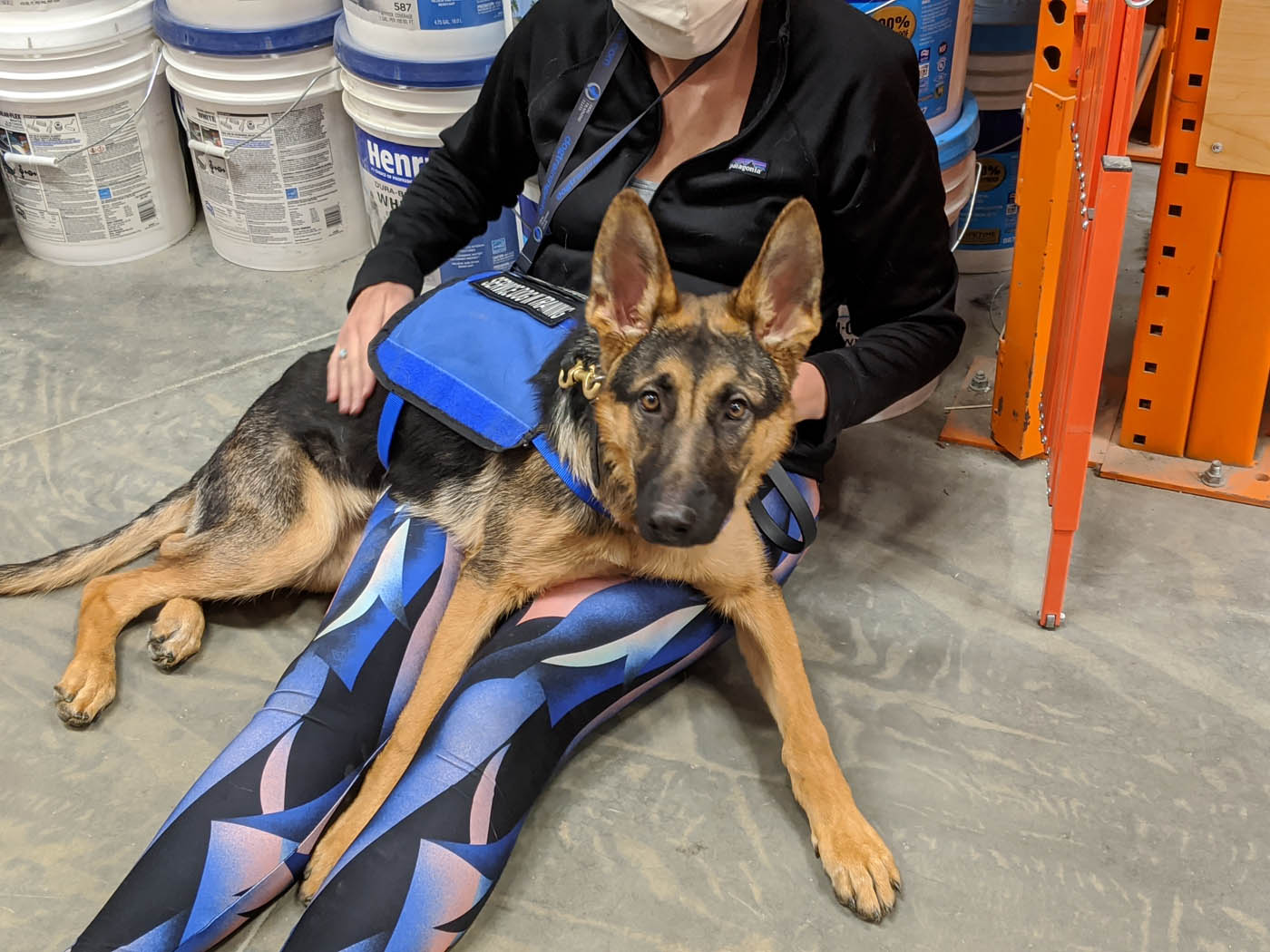
Image Source: dogtrainingelite.com
Service Dogs vs. Emotional Support Animals: A Key Difference
It is vital to know the difference between a service dog and an Emotional Support Animal (ESA). This is a common source of confusion, especially when thinking about emotional support animal vs service dog Oklahoma rules.
- Service Dogs: These dogs are trained to do specific tasks. They help people with disabilities. Their right to be in public places comes from the Americans with Disabilities Act (ADA). The ADA is a federal law. This means ADA service dog Oklahoma rules are the same as in other states.
- Emotional Support Animals (ESAs): ESAs offer comfort just by being there. They do not need special task training. They help people with mental or emotional issues. ESAs do not have the same public access rights as service dogs. They are not allowed in public places where pets are not welcome. This includes stores, restaurants, or hospitals. ESAs do have rights for housing and air travel under different laws, but these rights are limited.
Here is a simple table to show the main differences:
| Feature | Service Dog | Emotional Support Animal (ESA) |
|---|---|---|
| Training | Trained to do specific tasks for a disability | No special task training needed |
| Public Access | Yes, generally allowed everywhere | No, generally not allowed where pets are not allowed |
| Legal Basis | Americans with Disabilities Act (ADA) | Fair Housing Act, Air Carrier Access Act (limited) |
| Purpose | Mitigate disability via tasks | Provide comfort and emotional support |
| Certification | No official certification needed | No official certification needed |
Knowing this difference is very important. It ensures you know your rights and responsibilities. It also helps businesses understand who can bring a dog inside.
Navigating Service Dog Laws in Oklahoma
Service dog laws Oklahoma follow federal guidelines. The main law is the Americans with Disabilities Act (ADA). Oklahoma state laws also support these rights.
The Americans with Disabilities Act (ADA)
The ADA is a nationwide civil rights law. It stops discrimination against people with disabilities. Under the ADA, a service animal is a dog. It must be individually trained to do work or perform tasks for a person with a disability.
Key points of the ADA for service dogs:
* What can staff ask? Staff cannot ask about your disability. They cannot ask for proof of training. They cannot ask for “service dog certification Oklahoma.” They can only ask two things:
1. “Is the dog a service animal required because of a disability?”
2. “What work or task has the dog been trained to perform?”
* Where can service dogs go? Service dogs can go into most public places. This includes stores, restaurants, hotels, movie theaters, and public transport. This is known as service dog public access rights Oklahoma. These places must allow service dogs.
* When can a service dog be asked to leave? A service dog can be asked to leave if it is out of control. It can also be asked to leave if it is not housebroken. Allergies or fear of dogs are not valid reasons to deny access.
* No extra fees: Businesses cannot charge extra fees for a service dog.
Oklahoma State Laws
Oklahoma law mirrors the ADA. It further clarifies and supports the rights of people with service animals.
* Oklahoma Statutes Title 7, Section 19.1: This law states that people with disabilities have the same right to common public places as others. This includes their service dogs.
* Penalties: Oklahoma law can fine people who wrongly claim their animal is a service animal. It also protects those who interfere with a service dog.
These laws help ensure that service dog users can live freely. They give people with disabilities dignity and independence. Knowing these laws is very important for both service dog users and businesses.
Oklahoma Service Dog Requirements: Who Qualifies?
Not everyone can have a service dog. There are specific Oklahoma service dog requirements. These rules ensure that service dogs go to people who truly need them for their disability.
Having a Disability
First, you must have a disability. The ADA defines a disability as a physical or mental problem that greatly limits one or more major life activities.
Examples of major life activities include:
* Walking
* Seeing
* Hearing
* Speaking
* Breathing
* Learning
* Caring for oneself
* Working
A doctor or other licensed health professional must confirm your disability. They must also confirm your need for a service dog.
The Need for Specific Tasks
Second, the service dog must perform tasks that directly help with your disability. The dog’s actions must do something for you that you cannot do yourself. Or they must help you do something more easily because of your disability.
The tasks must be active, not just comforting.
For example, for someone with diabetes, a service dog might:
* Alert them to low or high blood sugar levels.
* Fetch medication.
For someone with a mobility issue, a dog might:
* Open doors.
* Retrieve dropped items.
* Help them balance.
Psychiatric Service Dog Oklahoma Specifics
Psychiatric service dog Oklahoma users have specific needs. A psychiatric service dog helps people with mental disabilities. These disabilities include:
* Post-Traumatic Stress Disorder (PTSD)
* Severe anxiety disorders
* Depression
* Obsessive-Compulsive Disorder (OCD)
* Schizophrenia
For a psychiatric service dog, the tasks are just as important as for other service dogs. These tasks must directly help with the mental disability.
Examples of tasks for a psychiatric service dog:
* Deep Pressure Therapy (DPT): The dog puts its weight on the person’s body to calm them during panic attacks or anxiety.
* Medication Reminders: The dog nudges or brings a medicine bag to remind the person to take their pills.
* Interrupting Harmful Behaviors: The dog might nudge or paw to stop self-harm, repetitive actions, or dissociation.
* Room Checks/Perimeter Sweeps: The dog checks a room before the person enters to ease paranoia or anxiety.
* Guiding to Safety: The dog can lead a disoriented person to an exit or quiet place.
* Grounding: The dog helps the person focus on the present during an episode.
* Finding an Exit: The dog guides a person out of a stressful situation.
A mental health professional must diagnose the mental disability. They must also state that the tasks the dog performs are needed to help manage the condition. Like all service dogs, a psychiatric service dog must be trained for these specific tasks. Simple emotional comfort is not enough to make a dog a service dog under the ADA.
The Path to Getting Your Service Dog
Getting a service dog is a big commitment. It involves many steps. It requires time, effort, and money.
Step 1: Medical Evaluation and Needs Assessment
The first step is always medical. You need a doctor or other healthcare professional to confirm your disability. They must also agree that a service dog would help you. This step is key for Oklahoma service dog requirements.
* Consult your doctor: Talk openly about your challenges and how a service dog might help.
* Get a diagnosis: Make sure your disability is formally diagnosed.
* Discuss tasks: Brainstorm specific tasks a dog could do to help you.
Step 2: Choosing the Right Canine Partner
Not every dog can be a service dog. They need a special temperament.
* Temperament: A service dog must be calm, steady, and not easily scared. It needs to be focused on its handler. It must be friendly but not overly excitable.
* Breed: While any breed can be a service dog, some breeds are more common. This is because of their natural traits. Popular choices include:
* Labrador Retrievers (smart, eager to please)
* Golden Retrievers (gentle, patient)
* Standard Poodles (smart, hypoallergenic)
* German Shepherds (loyal, protective)
* Collies (smart, gentle)
* Age: Many people get puppies to train from a young age. Some prefer adult dogs that have already shown good traits.
* Source: You can get a dog from a reputable breeder or a shelter. If from a shelter, make sure the dog has a stable history and good temperament.
Step 3: Service Dog Training Oklahoma Pathways
This is perhaps the most important part. A service dog must be trained to do specific tasks. There are several ways to approach service dog training Oklahoma.
Option 1: Program-Trained Dogs
* What it is: These dogs are trained by professional organizations. They are often raised from puppies. They go through years of training before they are matched with a person.
* Pros:
* The dog is fully trained when you get it.
* Less work for you in terms of training.
* High success rate.
* Cons:
* Very high cost of service dog Oklahoma (often $20,000 – $50,000+).
* Long waitlists (1-3 years or more).
* Finding programs: Look for Oklahoma service dog organizations. Research their reputation and success rates.
Option 2: Owner-Trained Dogs
* What it is: You train your own dog to be a service dog. This means teaching it all the needed tasks. You also teach it public manners.
* Pros:
* Lower cost of service dog Oklahoma (mostly for supplies, occasional trainer help).
* You build a strong bond with your dog from the start.
* You can tailor the training to your exact needs.
* Cons:
* Requires a huge time commitment (1-2 years of daily training).
* Requires a deep understanding of dog training.
* Can be very challenging.
* High dropout rate for dogs not suited for the work.
* Resources: Use online guides, books, and public access tests. It’s smart to work with a professional trainer for guidance.
Option 3: Hybrid Training
* What it is: You train your dog with the help of a professional service dog trainer. You might do most of the basic training. Then, the trainer helps with advanced tasks and public access skills.
* Pros:
* More affordable than a program dog.
* Still provides expert guidance.
* You are actively involved in the training.
* Cons:
* Still requires a lot of your time and effort.
* Cost can add up if you need many private sessions.
* Finding trainers: Look for local trainers specializing in service dog work. Check their experience and references.
No matter the training method, your dog must be:
* Housebroken: It must relieve itself in proper places.
* Under control: It must respond to commands. It must not bother others.
* Task-trained: It must perform specific tasks related to your disability.
Step 4: Public Access Training and Readiness
After task training, your dog needs to be ready for public spaces. This means learning to behave calmly in busy, noisy places.
* Start small: Begin training in quiet public places. Slowly move to busier areas.
* Practice distractions: Train your dog to ignore distractions. This includes other people, food, and sounds.
* Good manners: Your dog must not bark, jump, or sniff people or items without a command.
Some trainers or organizations offer a Public Access Test (PAT). This test checks if your dog is ready for public access. While not required by law, it’s a great way to ensure your dog is well-behaved.
Step 5: Service Dog Certification Oklahoma (Deciphering)
There is no official federal or state service dog certification Oklahoma. The ADA does not require service dogs to be certified, registered, or wear special vests. Any company or website claiming to “certify” or “register” your service dog for a fee is misleading. They are not giving you legal rights.
However, some service dog organizations or trainers might issue their own “certificates of completion.” This just means the dog finished their training program. It is not an official government document. You do not need it to have a service dog.
Wearing a vest or ID is also not required. But many handlers choose to use them. They can help alert the public and businesses that their dog is a service animal. This can make public access smoother.
The Financial Aspect: Cost of Service Dog Oklahoma
The cost of service dog Oklahoma can be very high. This is one of the biggest challenges for people seeking a service dog.
Breakdown of Costs
The total cost varies a lot based on how the dog is acquired and trained.
| Item | Estimated Cost (Range) | Notes |
|---|---|---|
| Program-Trained Service Dog | $20,000 – $50,000+ | Includes dog acquisition, full training, matching, and follow-up support. Very high upfront cost. |
| Owner-Trained (Self-Trained) | $2,000 – $10,000 | Includes puppy/dog cost, food, vet care, basic supplies, some professional guidance, public access training, gear. |
| Hybrid Training (with Trainer) | $5,000 – $20,000 | Includes dog acquisition, private training sessions, group classes, specialized gear. Cost depends on trainer fees and number of sessions. |
| Dog Acquisition | $500 – $3,000 (puppy/adult) | Varies by breed, breeder, and health clearances. Shelter dogs can be cheaper ($100-$500). |
| Vet Care (first year) | $500 – $1,500 | Vaccinations, spay/neuter, check-ups, emergency visits. |
| Vet Care (yearly) | $300 – $800 | Annual check-ups, vaccinations, parasite prevention. Does not include emergencies. |
| Food & Treats (yearly) | $400 – $1,000+ | Depends on dog size, breed, and quality of food. |
| Gear & Supplies | $200 – $500 (initial) | Vest, leash, harness, bowls, crate, grooming tools, toys. |
| Professional Training (Hourly) | $75 – $200 per hour | If you hire a trainer for specific tasks or public access work. |
| Total Lifetime Cost | Potentially $15,000 – $80,000+ over 8-12 years | Includes initial costs, ongoing vet care, food, supplies, and potential unforeseen medical issues or training refreshers. |
These figures are estimates. They can change based on your location and choices.
Funding and Assistance
The high cost means many people need help. Here are some options:
* Non-Profit Organizations: Many Oklahoma service dog organizations and national groups offer service dogs for free or at a reduced cost. They often rely on donations. You will likely face a waitlist.
* Grants and Scholarships: Some charities and foundations offer grants to help cover service dog costs. Research groups that focus on your specific disability.
* Fundraising: Many people raise money through crowdfunding sites, local events, or asking friends and family.
* Personal Loans/Savings: Some people use personal savings or take out loans, but this is a big financial decision.
* Veterans Benefits: If you are a veteran, the Department of Veterans Affairs (VA) may cover service dog costs for certain conditions.
It is rare for health insurance to cover the cost of a service dog. But it’s always worth checking with your provider.
Finding Support: Oklahoma Service Dog Organizations
Finding good resources is key for your service dog journey. Oklahoma service dog organizations can help with training, placements, or information.
Here are general types of organizations to look for:
- Non-Profit Service Dog Providers: These groups usually breed, raise, and train service dogs. They then match them with people who need them. They often have strict application processes and long waitlists. Examples might include:
- Canine Companions (national, with regional chapters)
- Leader Dogs for the Blind (national)
- Assistance Dogs International (ADI) accredited members: ADI is a worldwide group that sets high standards for service dog organizations. Look for ADI-accredited groups in Oklahoma or nearby states.
- Professional Dog Trainers Specializing in Service Dogs: These are individual trainers or small businesses. They offer private lessons or group classes. They can help you owner-train your dog or provide a hybrid approach.
- Look for trainers with experience in service dog specific tasks.
- Ask for references and check their credentials.
- Disability Advocacy Groups: Organizations supporting people with disabilities often have information about service dogs. They might know about local trainers or funding.
- Online Forums and Communities: These can be great for peer support and shared experiences. But always check information against official sources.
How to find them:
* Search online for “service dog Oklahoma,” “assistance dog Oklahoma,” or “psychiatric service dog Oklahoma.”
* Check the Assistance Dogs International (ADI) website for member organizations.
* Ask your doctor or disability specialist for recommendations.
Public Access Rights and Etiquette: Navigating the World
Knowing your service dog public access rights Oklahoma is vital. It helps you advocate for yourself. It also helps businesses know what is allowed.
What Businesses Can and Cannot Ask
As mentioned, under the ADA, staff can only ask:
1. “Is the dog a service animal required because of a disability?”
2. “What work or task has the dog been trained to perform?”
They cannot ask:
* About your disability.
* For medical documents.
* For special ID cards or “certification.”
* For the dog to do its tasks.
When Public Access Can Be Denied
Public places can deny access if:
* The dog is out of control: It is barking, jumping, or causing a disturbance. And the handler does not correct the behavior.
* The dog is not housebroken: It relieves itself inside.
* The dog poses a direct threat: This must be based on the dog’s behavior, not just its breed. An example is aggressive growling or snapping.
If access is denied for a valid reason, the business must still offer goods or services without the dog.
Handler Responsibilities and Etiquette
Being a service dog handler comes with duties.
* Control: Your dog must always be under your control. This means a leash, harness, or voice command.
* Hygiene: Your dog must be clean and well-groomed. It must not smell bad.
* Housebreaking: Your dog must be fully housebroken.
* Public behavior: Your dog should not be disruptive. It should not beg for food or attention. It should be an example of good canine behavior.
* Advocacy: Be ready to explain your rights calmly. Carry a card with ADA information if it helps.
Remember, a well-behaved service dog helps everyone. It makes public access easier for all service dog teams.
Maintaining Your Service Dog’s Well-being
A service dog is a working animal. It needs careful care to stay healthy and do its job well.
* Regular Vet Care: Annual check-ups, vaccinations, parasite prevention, and dental care are crucial.
* Proper Nutrition: Feed your dog high-quality food.
* Exercise and Play: Even working dogs need downtime. Provide enough physical exercise and mental breaks. This helps prevent burnout.
* Continued Training: Keep practicing tasks. Learn new skills if your needs change. This keeps your dog sharp.
* Mental Stimulation: Give your dog toys and puzzles to keep its mind active.
* Retirement Planning: Service dogs usually work for 8-10 years. Plan for their retirement. This might mean getting a new service dog. It might also mean adopting out your retired dog as a pet.
Taking good care of your service dog ensures it can help you for many years. It is a partnership built on trust and mutual respect.
Frequently Asked Questions (FAQ)
Q1: Do I need a doctor’s note for a service dog in Oklahoma?
A1: While the ADA does not require a doctor’s note for public access, it is wise to have documentation of your disability and need for a service dog. This is not for showing to businesses but for your own records. It helps prove you meet the Oklahoma service dog requirements if ever questioned legally.
Q2: Can I train my own psychiatric service dog in Oklahoma?
A2: Yes, you can. The ADA allows owner-training for all types of service dogs, including psychiatric service dog Oklahoma. However, it is a big commitment and often benefits from professional guidance.
Q3: Are there any specific service dog certification requirements in Oklahoma?
A3: No, there are no legal service dog certification Oklahoma requirements. No state or federal agency “certifies” service dogs. Any company offering such a service is not providing legally recognized certification.
Q4: How long does it take to get a service dog in Oklahoma?
A4: The time varies greatly. Getting a program-trained dog can take 1-3 years or more due to waitlists. Owner-training can take 1-2 years of consistent work.
Q5: What are the main differences between a service dog and an emotional support animal in Oklahoma regarding public access?
A5: A service dog has public access rights under the ADA and service dog laws Oklahoma, allowing them in most public places. An emotional support animal does not have these rights and is generally not allowed where pets are not. This is a key difference in emotional support animal vs service dog Oklahoma laws.
Q6: What if a business denies my service dog access in Oklahoma?
A6: If you believe your rights were wrongly denied, calmly explain the law. You can refer to the ADA guidelines. If the issue continues, you can contact the Department of Justice or local disability rights organizations.
Q7: Can a landlord charge an extra fee for my service dog in Oklahoma?
A7: No. Under the Fair Housing Act, landlords cannot charge extra pet fees or deposits for service animals. This also applies to emotional support animals in housing.
Q8: What are some common tasks a psychiatric service dog might perform?
A8: A psychiatric service dog Oklahoma might perform tasks like deep pressure therapy (DPT), medication reminders, interrupting self-harm, providing a brace for balance during panic attacks, or guiding a disoriented handler to a safe place.
Getting a service dog in Oklahoma is a journey that can greatly improve your life. It calls for research, training, and a clear grasp of your rights and duties. With proper planning and a strong partnership with your canine helper, you can navigate public spaces with confidence and enjoy a richer, more independent life.