
Making treats for your dog at home can be fun. It lets you know exactly what your dog is eating. You can dry chicken to make tasty jerky for them. This process is called dehydrating chicken for dogs. It takes time, usually several hours in a dehydrator or oven, depending on how thick the chicken pieces are. Making these treats is a great way to give your dog something special. It avoids extra stuff often found in store-bought treats.
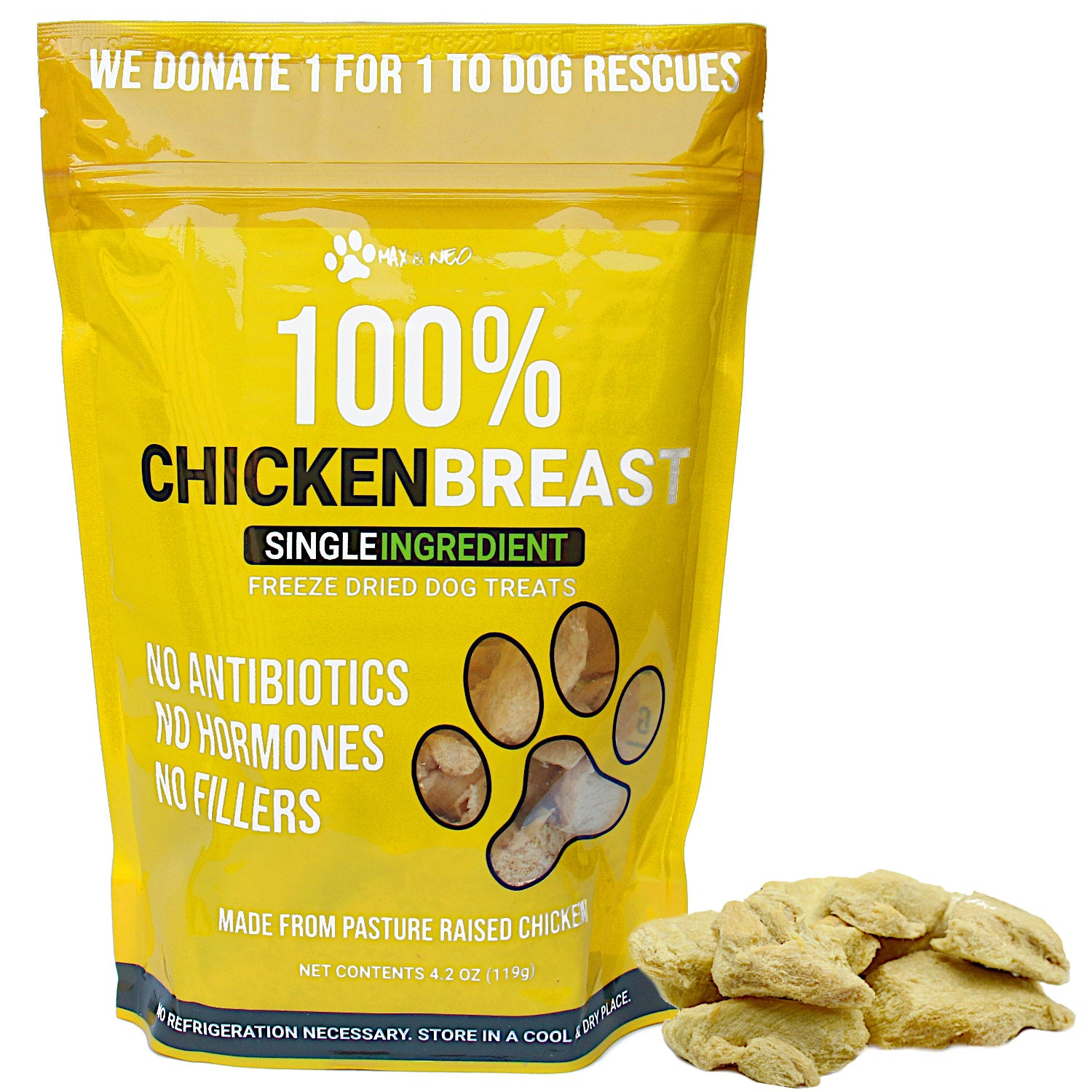
Image Source: www.maxandneo.com
Why Make Chicken Treats Yourself?
Making treats at home gives you full control. You pick the meat. You know it is fresh. There are no hidden ingredients. Store treats can have added salt, sugar, or things you cannot pronounce. Homemade ones usually have just one thing: chicken. This is great for dogs with sensitive stomachs. It is also often cheaper than buying good quality treats. Your dog will likely love them too! A special treat from you is always the best.
Safety Comes First!
Dog treats must be safe. This is the most important rule. You must use plain chicken. Do not add salt or spices. These things are not good for dogs. Some can even be harmful. The biggest safety step is making sure the chicken is fully dried. Drying chicken correctly kills bad germs. It also stops new germs from growing. This means your homemade treats are safe chicken treats for dogs. Not drying them enough can let germs like Salmonella grow. Always start with fresh chicken from a good store.
Choosing Your Chicken
What kind of chicken works best? Boneless and skinless is the best choice. Skin adds fat. Fat does not dry well. It can make treats go bad fast. Fat can also upset a dog’s tummy. Boneless chicken is safer. You do not want bone pieces in the treats. Chicken breast is very lean. This makes it perfect for drying. Chicken thighs can work too. They have more fat. You must trim off all the fat you can see if you use thighs.
Getting Ready: Preparing the Chicken
Ready to start? Preparing the chicken is the first step. This makes sure the drying works well. It also helps the treats last longer.
Removing Fat and Skin
You bought boneless, skinless chicken. That is a good start. Still, look closely at each piece. Cut off any bits of fat you see. Fat looks white or yellow. It feels a bit greasy. Use sharp scissors or a knife to get it all off. Remove any skin pieces too. Skin does not dry properly. Getting rid of fat helps the chicken dry evenly. It keeps the treats healthy for your dog.
Slicing Chicken for Jerky
How you slice the chicken is key. The goal is even drying. Thin pieces dry faster and more evenly than thick ones. This helps stop germs. It makes sure the whole piece is safe. Aim for slices about 1/8 to 1/4 inch thick. Think of slices for human jerky.
Cutting thin slices can be tricky. Chicken is soft. A good tip is to freeze the chicken a little bit first. Do not freeze it solid. Just put it in the freezer for 30 to 60 minutes. It should be firm on the outside but still a bit soft inside. This makes it much easier to slice thin and even pieces. Use a sharp knife. Cut across the grain of the meat. Cutting across the grain can make the jerky easier for your dog to chew. Lay the slightly frozen chicken breast on a cutting board. Hold it steady. Slice carefully to get even pieces. Make all your slices about the same thickness. This helps them finish drying at the same time.
Two Main Paths: Dehydrating or Baking
You have two main ways to dry chicken for dog treats: using a food dehydrator or using your oven. Both work. A dehydrator is often seen as the best way. It gives you more control. But the oven works well if you do not have a dehydrator.
Dehydrating Chicken
Many people like using a dehydrator. This is how you dehydrate chicken for dogs. A dehydrator is made to dry food. It blows warm, dry air over the food. This gently takes away moisture.
Why use a dehydrator?
A dehydrator keeps a steady low heat. It moves air around well. This makes food dry evenly. It does this without cooking the outside too fast. This low, even drying is perfect for making jerky. It helps keep nutrients in the food too. Dehydrators are designed for this exact job. This often makes the drying process more reliable than an oven.
Arranging the chicken
Once your chicken is sliced, put the pieces on the dehydrator trays. Make sure the pieces do not touch or overlap. Air needs to flow all around each piece. This helps them dry evenly. Use as many trays as you need. Do not crowd the trays. If trays are too full, the chicken will take much longer to dry. It might not dry right. You want air to get to all sides of every piece.
Dehydrator temperature chicken jerky
Setting the right heat is very important for safety. The dehydrator temperature for chicken jerky needs to be high enough to kill germs but low enough to dry the meat slowly. The safe temperature for drying meat is often listed as 160°F (70°C). This temperature is hot enough to kill bacteria like Salmonella and E. coli. But it is not so hot that it cooks the outside before the inside dries. Check your dehydrator’s guide. Set the temperature to 160°F (70°C). Some guides might suggest a slightly lower initial temperature then raising it. However, keeping it at a steady 160°F (70°C) from the start is a safe way to make sure germs are killed quickly before the meat is fully dry.
How long to dehydrate chicken
Now for the waiting part. How long to dehydrate chicken? This depends on a few things. The main things are how thick your chicken slices are and how much moisture was in the meat. It also depends on your dehydrator model and how humid the air is where you are.
Generally, dehydrating chicken takes between 4 and 12 hours.
* Thin slices (1/8 inch) might be done in 4-6 hours.
* Thicker slices (1/4 inch) will take longer, maybe 8-12 hours or even more.
Start checking the chicken after 4-5 hours. Check more often as time goes on. Do not rely just on the clock. You must check the chicken itself.
Checking if it’s done
How can you tell if the chicken jerky is finished drying? Take a piece out of the dehydrator. Let it cool for a few minutes. Bend the piece. It should be very stiff. It should not bend easily. If you try to break it, it should snap or feel like it is about to snap. It should not feel soft or chewy in the middle. It should not have any moisture you can feel. If it feels rubbery or bendy, it needs more time. Put it back in the dehydrator. Check again in an hour or two. This step is vital for safe chicken treats for dogs. Undried meat can make your dog sick.
Cooling
Once the chicken is perfectly dry, turn off the dehydrator. Let the trays of jerky sit in the dehydrator (with the door or lid open) or move the jerky to a cooling rack. Let the treats cool completely. This takes an hour or two. Cooling finishes the drying process. It also makes sure you are storing fully dry treats. Storing warm treats can trap moisture. This can lead to mold.
Oven Drying Chicken
Do not have a dehydrator? You can still make oven dried chicken treats. Using your oven is another way. It takes longer than a dehydrator. It can be a little harder to get just right. But it definitely works.
Why use an oven?
The main reason is simply because you do not have a dehydrator. Most homes have an oven. It lets you make these healthy treats without buying a special tool.
Setting up the oven
Ovens are usually made for baking at higher temperatures. To dry chicken, you need a very low temperature. Set your oven to its lowest setting. This is often around 170°F to 200°F (75°C to 90°C). The exact temperature might vary.
It is also helpful to keep the oven door slightly open. You can prop it open a little bit. Use a wooden spoon or a heat-safe oven mitt. This lets moisture escape from the oven. If the door is closed tight, the moisture stays in. This steams the chicken instead of drying it. Be careful with a hot oven door open. Make sure pets and kids are not near it.
Arranging the chicken
You cannot put chicken directly on oven racks like in a dehydrator. The fat that renders out could drip. The best way is to use baking sheets. Place a wire rack on top of a baking sheet. Arrange the sliced chicken pieces on the wire rack. Do not let them touch or overlap. The wire rack lets air flow around the chicken pieces. The baking sheet below catches any drips. This helps the chicken dry on both sides at the same time.
Oven dried chicken treats
Put the baking sheets with chicken into your low-heat oven. Remember the propped-open door. The low heat and airflow will slowly dry the chicken. This makes your oven dried chicken treats.
How long in the oven?
Oven drying takes longer than dehydrating. It can take anywhere from 6 to 15 hours or more. It really depends on your oven, the temperature, and the chicken thickness. Because ovens can have hot spots and are not made for drying, you need to watch the chicken closely. You might need to rotate the trays or even flip the chicken pieces every few hours.
Start checking after about 6 hours. Check often after that. You are looking for the same dryness as with a dehydrator.
Checking if it’s done
Check oven dried chicken treats the same way you check dehydrator ones. Take a piece out. Let it cool. Bend it. It should be stiff and break easily. No softness or bendiness in the middle. If it is still flexible, it needs more time in the oven. Keep drying until it is very hard and dry all the way through.
Cooling
Just like with dehydrating, let the oven dried chicken treats cool completely before storing. Leave them on the wire racks until they are fully cooled.
Creating Your Chicken Dog Treat Recipe
When we say “chicken dog treat recipe,” it is not like baking cookies. There are no flours, eggs, or sugars. The “recipe” is really about how you prepare and dry the chicken.
1. Start with plain, raw, boneless, skinless chicken. Chicken breast is best.
2. Trim off all fat and skin.
3. Slice the chicken thinly (1/8 to 1/4 inch thick). Freezing it slightly first helps.
4. Arrange slices on dehydrator trays or on a wire rack over a baking sheet. No touching.
5. Dry using a dehydrator (160°F or 70°C) or oven (170-200°F or 75-90°C with door ajar).
6. Dry until the chicken is hard and brittle. This can take many hours.
7. Cool completely.
That is the simple, safe chicken dog treat recipe. You can add a tiny sprinkle of a dog-safe herb before drying, like dried parsley or oregano, but it is not needed. Plain chicken is usually a big hit. Keep it simple for safety and your dog’s health.
Ensuring Treats are Safe
Making sure your homemade chicken jerky for dogs is safe is the most important step. Safety means two main things:
1. Using only safe food (plain chicken).
2. Removing enough moisture to stop bad stuff from growing.
We already talked about using plain chicken. Do not add anything harmful. The drying step is where you kill germs and prevent mold. Drying at the right temperature for enough time is key. For dehydrators, 160°F (70°C) is the standard safe temp for meat. For ovens, using the lowest temp and drying for a long time helps remove water. The final treat must be hard. It should not bend easily. If it is still soft, it has too much water. That water lets bacteria and mold grow. Safe chicken treats for dogs are bone-dry.
Checking If Treats Are Done
Checking for doneness is so important, let’s talk about it more. Do not just guess. Take a piece of the drying chicken. Let it cool down. This is important. It will feel more flexible when warm. Once cool, bend it firmly.
* If it bends easily and feels soft inside, it needs more time.
* If it bends a little but feels stiff and you can see it almost breaking, it might be close.
* If it is very stiff and snaps when you bend it hard, or feels like it is about to snap, it is done.
Look at the inside of a broken piece. It should not look moist or feel soft. It should look dry all the way through. This is the sign of safe, homemade chicken jerky for dogs.
Cooling the Treats
We mentioned this, but it is worth saying again. Cooling is a must before storing. Hot treats can create warmth and moisture in a container. This is a perfect place for mold to start. Once the drying time is done, turn off the heat source (dehydrator or oven). Let the chicken jerky sit on the trays or move it to a cooling rack. Leave it uncovered. Let it cool completely to room temperature. This can take an hour or two depending on how many treats you made and the air around them.
Storing Homemade Dog Treats
You made a batch of tasty, safe treats. Now, how do you store them? Storing homemade dog treats correctly keeps them fresh. It also stops mold or spoilage.
The best way to store homemade chicken jerky is in an airtight container. Glass jars or plastic containers with tight-fitting lids work well. You can also use zip-top bags. Push out as much air as possible from bags.
- Short-term storage: For treats you will use in a week or two, storing them in an airtight container in the refrigerator is a good option. The cold helps keep them fresh.
- Long-term storage: For larger batches or if you want them to last longer, store them in the freezer. Place the cooled treats in an airtight container or freezer bag. They can last for several months in the freezer. When you need some, just take out a few pieces. They thaw quickly at room temperature.
Do not store these treats at room temperature for a long time, especially if you are not 100% sure they are bone-dry. While fully dry jerky can be stored at room temp in a cool, dark place, there is a higher risk of mold if even a tiny bit of moisture is left. Using the fridge or freezer is safer for homemade treats. Always check treats for any signs of mold before giving them to your dog. If you see anything suspicious, throw the batch out.
Homemade Chicken Jerky for Dogs
So, what you have made is basically homemade chicken jerky for dogs. It is a simple, protein-rich treat. It is chewy and satisfying for dogs. This kind of treat is great for training. You can break off small pieces. It is also just a nice snack. Knowing you made them yourself is a good feeling. Your dog gets a healthy, natural treat.
Dehydrate Chicken for Dogs
Using a dehydrator is often the best way to dehydrate chicken for dogs. Why? Dehydrators are built to control heat and airflow perfectly for drying. This leads to more consistent results. It makes it easier to ensure the chicken is dried enough to be safe. While ovens work, a dehydrator takes some guesswork out of the process. If you plan to make homemade jerky often, a dehydrator is a worthwhile tool.
Cooked Chicken Dog Treats vs. Dried
Let’s talk about cooked chicken dog treats. Sometimes people just boil or bake plain chicken for their dog. This is also a healthy option! Plain, cooked chicken (no seasoning) is good for dogs. It can be used as a meal topper or a treat.
But there is a key difference between cooked chicken and dried chicken jerky.
* Cooked Chicken: This chicken still has its natural moisture. It needs to be treated like any cooked meat you would eat. It must be stored in the refrigerator and used within a few days (usually 3-4 days). It will spoil quickly at room temperature.
* Dried Chicken Jerky: By dehydrating or oven-drying, you remove most of the water. This lack of water is what makes it last longer. It is much less likely for bacteria or mold to grow without moisture. Dried jerky is shelf-stable if done perfectly, but fridge/freezer storage is safest for homemade.
So, while cooked chicken dog treats are fine, dried chicken treats (jerky) are made to last longer. They are a different type of treat designed for storage.
Making More Treats: Tips and Tricks
Once you make your first batch, you might want to make more! Here are some ideas:
* Big Batches: If you have a large dehydrator or multiple oven racks, make a lot at once. It takes the same amount of drying time whether you make a little or a lot (as long as you do not overlap pieces).
* Different Thicknesses: Try slicing some chicken a bit thicker. See how your dog likes it. Just remember thicker pieces take much longer to dry.
* Mix It Up: While the focus is chicken, you can dry other dog-safe foods at the same time in a dehydrator if their drying time and temperature are similar. For example, sweet potato slices or apple slices (no core or seeds) can be made into treats too. Keep chicken on separate trays from veggies/fruits to avoid flavor mix. Always research if other foods are safe for dogs first.
* Rotate Trays: In both dehydrators and ovens, rotating the trays every few hours can help ensure even drying. This is more important in ovens which can have uneven heat.
Troubleshooting Common Issues
Sometimes things do not go perfectly. Here are a few problems you might have:
* Treats are taking forever to dry: Are your slices too thick? Is your temperature high enough? Is there enough airflow? Make sure slices are thin and not overlapping. Check your heat setting. If using an oven, make sure the door is propped open enough.
* Treats are still bendy/soft inside: They are not done! They need more drying time. This is a safety issue. Put them back in.
* Treats got moldy in storage: This means they were not dried enough before storing. There was still too much moisture. Or they were not stored in an airtight container, letting moisture in. Always dry until they are hard and brittle. Store in airtight containers, best in the fridge or freezer.
* My dog doesn’t like them: Some dogs are picky! Most dogs love plain chicken jerky. Make sure the chicken was fresh. Maybe try a different thickness or break them into smaller pieces.
Reading the Results: Your Dog’s Happiness
After all that work, the best part is seeing your dog enjoy their homemade treats. Watch their tail wag! See how excited they get. Giving them something healthy and made with care is rewarding. These homemade chicken jerky for dogs are usually a big hit. It is a simple pleasure for both of you.
Frequently Asked Questions
Here are answers to common questions about drying chicken for dog treats at home.
Can I use boneless chicken thighs instead of breast?
Yes, you can. Boneless, skinless chicken thighs work. Thighs have more fat than breasts. It is very important to trim off all the fat you can see from the thighs. Fat does not dry well and can make the treats go bad faster.
Do I need to add salt, spices, or other things to the chicken?
No, absolutely not. Do not add salt. Dogs should not have salt added to their food or treats. Most spices are not good for dogs either. Plain chicken is best and safest. A tiny amount of a known safe herb like dried parsley is okay, but not needed. Keep it simple: just chicken.
How long do homemade chicken treats last?
How long they last depends on how dry they are and how you store them.
* If dried until very hard and brittle and stored in an airtight container in the refrigerator, they can last 2-3 weeks.
* If stored in an airtight container or bag in the freezer, they can last several months (3-6 months or longer).
* Storing at room temperature is risky for homemade treats unless you are certain they are dried to a crisp and stored perfectly airtight in a cool, dark place. Fridge or freezer is safer. Always check for mold.
Can puppies eat these chicken treats?
Yes, plain dried chicken is fine for most puppies. Make sure the pieces are not too big. Cut them into small, easy-to-chew sizes. Always watch your puppy when they eat any treat to make sure they chew it well.
Why did my homemade chicken treats get moldy?
Mold usually means there was too much moisture left in the chicken when you stored it. The treats were not dried long enough or at a high enough temperature to remove enough water. Make sure the treats are very hard and brittle all the way through before storing. Also, make sure your storage container is truly airtight. Storing them in the fridge or freezer helps prevent mold too.
Is it better to use a dehydrator or an oven?
A food dehydrator is generally considered better. It is designed for drying. It gives more even heat and airflow at low temperatures. This makes it easier to dry the chicken fully and safely. Ovens can work, but they might take longer. It can be harder to get consistent results. You have to be careful with oven temperatures and airflow.
Do I need to pre-cook the chicken before drying?
No, you do not need to pre-cook the chicken before drying it for jerky. You start with raw chicken. The drying process at 160°F (70°C) in a dehydrator (or the low, long heat in an oven) cooks the chicken slowly while removing moisture. The heat makes it safe by killing bacteria.
What is the ideal slicing thickness?
Aim for 1/8 to 1/4 inch thick slices. Thin slices dry faster and more evenly, which is important for safety. Thick slices take much longer and have a higher risk of not drying fully in the middle.
In Conclusion
Making your own dried chicken treats for your dog is a great project. It gives your furry friend a healthy, simple snack. It lets you avoid unknown ingredients. Whether you use a dehydrator or your oven, the key steps are simple: use plain chicken, slice it thin, dry it completely at a safe temperature until it is hard and brittle, and store it correctly in an airtight container, ideally in the fridge or freezer. By following these steps, you can easily dehydrate chicken for dogs and make safe chicken treats for dogs right in your own home. Your dog will thank you with a wagging tail!