
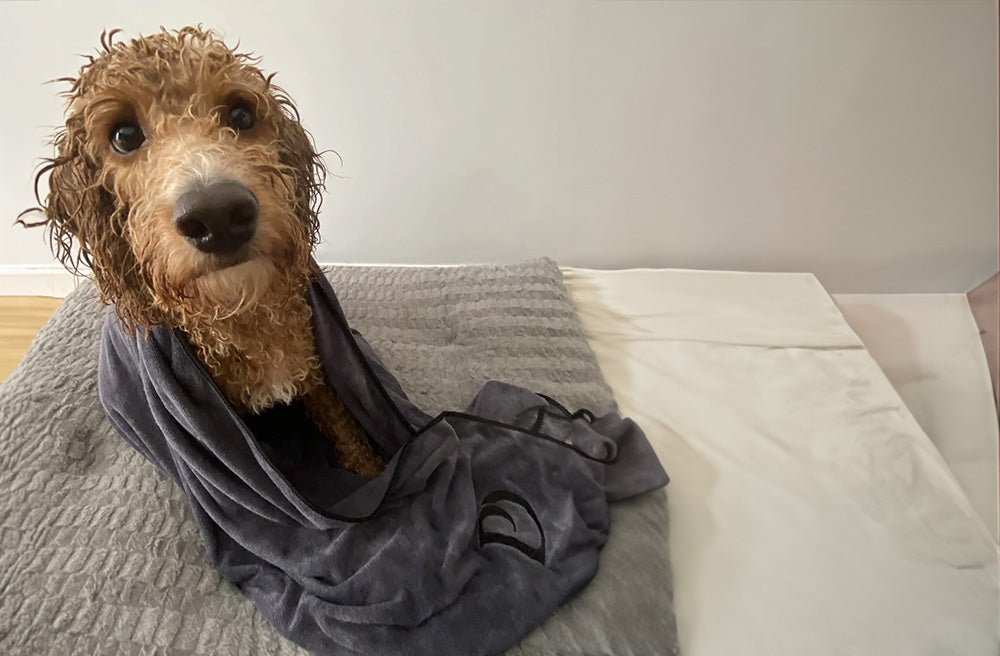
Image Source: pawdawoflondon.com
The Key to a Happy, Healthy Dog
Drying your dog after a bath might seem simple. But doing it the right way makes a big difference. This guide will show you how to dry your dog like a pro. It helps keep them healthy, clean, and happy. Proper drying stops many common issues. It cuts down on bad smells. It also helps your dog’s fur stay soft and neat. Follow these simple steps for the best way to dry pet fur after every wash.
Why Proper Dog Drying Matters So Much
A wet dog is more than just a bit messy. It can lead to health problems. It can also make your dog uncomfortable. Learning good dog drying techniques is a must for all pet owners.
Stopping Skin Issues
Leaving your dog wet can cause skin trouble. Moisture trapped close to the skin can lead to hot spots. These are red, itchy, painful areas. It can also cause yeast infections. These infections thrive in damp places. Keeping your dog dry helps keep their skin clear and healthy.
Keeping Fur Nice
Wet fur, especially long fur, can easily tangle. If not dried well, these tangles turn into mats. Mats pull on the skin. They can be very painful. They also collect dirt and germs. Proper drying helps prevent matted dog fur. It makes brushing easier later. It keeps your dog’s coat looking good.
Less Bad Smell
Everyone knows the “wet dog smell.” It comes from bacteria and yeast growing on wet fur. Drying your dog fully helps a lot to reducing wet dog odor. A dry dog smells much better.
Making Your Dog Happy
No one likes to be cold and damp. Your dog feels the same way. Drying them quickly makes them warm and cozy. It turns bath time into a less stressful event. A dry dog is a happy dog.
Getting Ready: What You Need
Before you start drying, gather all your tools. Having everything ready makes the process smooth. It also helps keep your dog calm.
Essential Drying Tools
You will need a few key items for the best way to dry pet fur.
Quick Dry Dog Towel
- Microfiber Towels: These are great. They soak up a lot of water. They dry fast themselves. Use a quick dry dog towel to get most of the water off first. This makes the next steps easier. They are soft and gentle on your dog’s skin.
- Super Absorbent Towels: Some towels are made from special materials. They can hold many times their weight in water. Have a few on hand. You might need more than one for large or very hairy dogs.
Dog Grooming Dryer
A dog grooming dryer is key for thorough drying. Do not use a human hair dryer. Human hair dryers get too hot. They can burn your dog’s skin. Pet dryers have specific heat settings. They also have special nozzles. These help direct air.
- Force Air Dog Dryer: This is a top choice for pros. A force air dog dryer blows powerful streams of cool or warm air. It pushes water out of the coat. It gets deep into double coats. It makes drying very fast. It also helps blow out loose fur. This cuts down on shedding.
- Stand Dryers: These let you use both hands. Your dog stands on a table. The dryer blows air from a stand. This is good for long drying sessions.
- Handheld Pet Dryers: These are good for smaller dogs or quick touch-ups. They are lighter and easier to move around.
Brushes and Combs
- Slicker Brush: Use this to brush out mats. It helps fluff the fur as it dries.
- De-shedding Tool: Good for removing loose hair.
- Wide-Toothed Comb: Helps find and untangle any knots.
Treats
Always have treats ready. They help make drying a positive time. Reward your dog often.
Setting Up Your Space
Pick a warm, safe spot for drying.
- Warm Area: Avoid cold drafts. Your dog can get chilled easily when wet.
- Non-Slip Mat: Put a non-slip mat on the floor or table. This stops your dog from slipping. It makes them feel safer.
- Everything in Reach: Place all your tools close by. You do not want to leave your dog alone while wet.
Step-by-Step Dog Drying Techniques
Now let’s get into the step-by-step process. These dog drying techniques will help you get pro results.
Step 1: Towel Dry First
This is the very first step after the bath. It removes most of the water. This saves a lot of time later.
- Gentle Blotting: Do not rub your dog roughly with the towel. This can tangle their fur. It can also cause mats. Instead, gently squeeze and blot the fur. Press the towel into the coat. This helps the water soak into the quick dry dog towel.
- Head to Tail: Start with their head. Be careful around their face and ears. Then move down their back, sides, and legs. Get as much water off as you can. For long-haired dogs, gently squeeze sections of fur.
- Use Multiple Towels: For big dogs or those with thick coats, you might use two or three towels. Keep using fresh, dry towels until no more water drips.
Step 2: Brush While Damp
Once your dog is towel-dry, their fur will still be damp. This is the perfect time to brush them.
- Loosening Fur: Use your slicker brush or wide-toothed comb. Gently brush through their coat. This helps separate the hairs. It makes the fur easier to dry. It also helps prevent matted dog fur from forming.
- Checking for Tangles: As you brush, look for any small tangles. Gently work them out. Do this before they dry and become tight knots. Brush in the direction the hair grows.
- Start with Legs and Tail: These areas often get the most tangled. Work your way up the body.
Step 3: Using a Dog Grooming Dryer
This is where the dog grooming dryer shines. It gets your dog fully dry.
- Introduce the Dryer Slowly: Many dogs are scared of the dryer’s noise. Let your dog sniff the dryer when it is off. Turn it on a low setting far away from them. Give them treats. Slowly move it closer. Praise them when they are calm.
- Force Air Dog Dryer Use: If you have a force air dog dryer, this is great. It uses powerful air to push water out of the coat.
- Keep Moving: Always keep the nozzle moving. Do not hold it in one spot. This stops the skin from getting too hot.
- Distance: Hold the nozzle a few inches from your dog’s skin.
- Sections: Work on small sections of fur at a time. Start at the rear and move forward. For thick coats, lift the fur to get the air deep down.
- Push Water Out: Aim the air so it pushes water away from the body.
- Other Dryer Types: For stand or handheld dryers, use a low heat setting. Cool air is even better if available. Always check the air with your hand first. It should feel warm, not hot.
- Safe Dog Drying Practices: This is very important.
- Low Heat: Use the lowest heat setting possible. Cool air is best. Your dog’s skin can burn easily.
- Constant Movement: Keep the dryer moving.
- Ear Protection: The dryer can be loud. Place cotton balls gently in your dog’s ears. Do not push them in too deep. This helps with noise.
- Watch for Overheating: Look for signs of overheating. These include panting, bright red gums, or frantic behavior. If you see these, stop at once. Let your dog cool down.
- Tips for Drying Long Haired Dogs: Long hair needs extra care.
- Line Drying: This is a pro technique. Hold a small section of fur up. Dry the fur directly under it. Work in lines from the bottom up.
- Brush While You Dry: Use your brush to separate the fur as you dry. This helps air get everywhere. It also helps prevent matted dog fur.
- Check Deeply: Ensure the fur is dry all the way down to the skin. This is vital for long-haired dogs.
Step 4: Finishing Touches
When you think your dog is dry, do a final check.
- Feel for Damp Spots: Run your hands through their fur. Feel for any damp patches. Pay special attention to:
- Behind the ears.
- Armpits.
- Between the toes.
- Under the tail.
- The chest area.
- If you find any, dry them fully.
- Final Brush: Give your dog a final brush. This helps smooth the coat. It makes them look neat. It also helps spread natural oils.
- Reward: Give your dog a big treat. Praise them a lot. This makes bath and dry time a good experience.
Detailed Drying Tips for Different Dog Types
Different dogs have different fur. This means you might need different dog drying techniques.
Short-Haired Breeds
- Examples: Beagles, Boxers, French Bulldogs.
- Drying: For these dogs, a good towel dry is often enough. Use a quick dry dog towel to blot out as much water as you can. They may air dry the rest of the way quite fast. If it’s cold, or they have a bit more fur, a quick run with a handheld pet dryer on cool air can finish the job.
Long-Haired Breeds
- Examples: Golden Retrievers, Afghan Hounds, Shih Tzus.
- Drying: This is where drying long haired dogs becomes a skill. You must prevent matted dog fur.
- Layer Drying: As mentioned, dry in layers. Use a force air dog dryer if possible. It pushes water out and helps straighten the hair.
- Brush Often: Brush constantly as you dry. This keeps the hair separated. It stops tangles from forming.
- Focus on Roots: The top layer may feel dry. But the roots can still be wet. Get the air down to the skin.
Double-Coated Breeds
- Examples: Huskies, German Shepherds, Malamutes.
- Drying: These dogs have a soft, dense undercoat and a tougher outer coat. They are very hard to dry fully.
- Force Air Dog Dryer is a Must: A force air dog dryer is truly the best way to dry pet double coats. Its power blasts through the topcoat. It gets air into the thick undercoat. This removes dead hair and water.
- Blow Out the Undercoat: Aim the dryer against the way the fur grows. This helps lift the undercoat. It lets the air dry it completely. It also helps de-shed.
- Check Deeply: Feel all the way down to the skin. Make sure no dampness remains in the undercoat. Damp undercoats lead to serious skin issues and smell.
Puppies and Sensitive Dogs
- Drying: These dogs need extra care.
- Low Settings: Always use the lowest speed and cool air setting on your dog grooming dryer.
- Gentle Handling: Be very gentle. Speak in a calm, soothing voice.
- Positive Experience: Give lots of treats and praise. Make drying a fun game, not a scary task. Start with short drying times. Build up slowly.
- Cover Ears: Use cotton balls in their ears to lessen noise.
Grasping Safe Dog Drying Practices
Safety must be your top concern when drying your dog. Follow these safe dog drying practices.
Temperature Control
- No Human Hair Dryers: Repeat: Never use a human hair dryer. They get too hot. They can burn your dog’s skin very fast.
- Cool or Low Heat: Always use the cool or low heat setting on a pet dryer. Even low heat can get too warm if held in one spot.
- Test on Your Skin: Before pointing it at your dog, test the air on your arm or wrist. It should feel warm, not hot.
Noise Control
- Slow Start: Introduce the dryer noise slowly. Let your dog get used to it over time.
- Ear Protection: Cotton balls in your dog’s ears can help a lot. Do not push them deep. Just place them lightly to muffle sound.
- Praise and Treats: Always pair the dryer noise with positive things.
Dryer Usage Safety
- Keep Moving: Never hold the dryer in one spot. Move it constantly over your dog’s body. This stops heat from building up in one area.
- Distance: Keep the dryer nozzle several inches from your dog’s skin.
- Supervise: Never leave your dog alone with a running dryer.
- Watch for Signs of Stress: Look for panting, wide eyes, trying to run away, or whining. If your dog shows stress, take a break. Try again later. Or try a different drying method.
Avoiding Over-Drying
Yes, you can over-dry your dog.
* Dry, Not Crispy: Your dog should be dry to the touch. Their fur should be soft. It should not feel brittle or look dull.
* Skin Health: Over-drying can make your dog’s skin dry and flaky. It can remove natural oils. This leads to itching and discomfort. Stop drying once the fur is completely dry.
Beyond the Bath: Post Bath Dog Care
Drying is a big part of post bath dog care. But there’s a bit more to do.
Checking Skin and Fur
- Quick Check: After drying, take a moment to check your dog’s skin and fur. Look for any red spots, bumps, or dry patches. This is a good time to spot new fleas or ticks.
- Full Groom: If your dog has a complex coat, this is the time for a thorough brush or comb. This keeps their fur healthy.
Brushing Regularity
- Prevent Mats: Regular brushing helps prevent matted dog fur between baths. It also helps spread natural oils. This keeps the coat shiny.
- Reduce Shedding: Brushing removes loose hair. This means less fur around your home.
Keeping the Home Clean
- Clean Bedding: Your dog’s bed and blankets can hold odors. Wash them often. This helps a lot in reducing wet dog odor in your home.
- Fresh Towels: Use clean towels for each bath. Store them properly.
Best Ways to Dry Your Pet: A Quick Comparison
Here is a quick look at common dog drying techniques. This can help you pick the best way to dry pet fur based on your dog’s needs.
| Drying Method | Pros | Cons | Best For |
|---|---|---|---|
| Towel Dry | Simple, no special tools needed, gentle. | Slow, not fully effective for thick coats, can cause tangles. | Short-haired dogs, first step for all dogs. |
| Air Dry | No tools needed, very gentle, natural. | Very slow, can lead to coldness, can cause odors and skin issues. | Very short-haired dogs in warm weather. |
| Pet Hair Dryer | Faster than air/towel, good for light drying, specific heat settings. | Slower than force dryer, can still be noisy, needs constant movement. | Small dogs, touch-ups, fine/medium coats. |
| Force Air Dryer | Very fast, blows out water and loose fur, prevents mats, deep drying. | Can be noisy, higher cost, requires practice. | Double-coated dogs, long-haired dogs, thick coats. |
Preventing Issues: Keeping Your Dog Healthy
Proper drying is a key part of keeping your dog healthy and happy. It helps you avoid common problems.
Dealing with Mats
Even with the best drying, mats can happen.
* Brush, Don’t Cut: Never try to cut out mats with scissors. You might cut your dog’s skin.
* Mat Breakers/Combs: Use special tools to gently work mats apart. Go slowly, one small section at a time.
* Professional Help: For severe mats, see a professional groomer. They have the right tools and skills. They can remove mats safely.
Tackling Odor
Reducing wet dog odor is easier with good drying habits.
* Thorough Drying is Key: This is the most important step. A fully dry dog smells much better.
* Cleanliness: Wash bedding, toys, and towels regularly.
* Good Diet: A healthy diet also helps your dog’s skin and coat health. This can affect their natural smell.
* Vet Check: If your dog still has a bad odor even after proper drying and care, see your vet. There might be an underlying health issue or skin problem.
In Conclusion: A Dry Dog is a Happy Dog
Mastering how to dry a dog like a pro makes a huge difference. It is more than just making them look good. It is about their health and comfort. By using the right dog drying techniques, from a quick dry dog towel to a force air dog dryer, you can prevent matted dog fur and keep reducing wet dog odor. Remember safe dog drying practices always. Your dog will thank you for the gentle post bath dog care. A dry dog feels good. A dry dog is a happy dog.
Frequently Asked Questions (FAQ)
Q: Can I use a human hair dryer on my dog?
No, never use a human hair dryer. They get too hot. They can burn your dog’s skin easily. Always use a dryer made for pets. Pet dryers have special heat settings for safety.
Q: How long does it take to dry a dog?
It depends on your dog’s size and coat type. Short-haired dogs might take 10-20 minutes. Long-haired or double-coated dogs can take 30-60 minutes or even longer. A force air dog dryer greatly speeds up the process.
Q: What if my dog hates the dryer?
Start slowly. Let your dog get used to the dryer’s sound when it’s off. Then, turn it on far away from them on a low setting. Give lots of treats and praise. Slowly bring it closer over time. Use cotton balls in their ears to lower the noise. Keep sessions short and positive.
Q: How often should I dry my dog?
You should dry your dog fully after every bath. How often you bath your dog depends on their breed, activity level, and skin needs. Some dogs need baths every few weeks. Others only a few times a year.
Q: What is the best way to reduce wet dog odor?
The best way to dry pet fur completely is key. Make sure your dog is fully dry after every bath. Use a quick dry dog towel first. Then use a dog grooming dryer, especially a force air dog dryer for thick coats. Also, wash your dog’s bedding and blankets often.