
Can you clean dog poop from fake grass? Yes, you absolutely can! It is important to clean your artificial turf regularly to keep it looking good and smelling fresh. This guide will show you how to easily clean pet messes on your fake lawn. You will learn the best ways to remove dog droppings from synthetic lawn. We will also cover how to deal with lingering odors and stains. Many people wonder if fake grass is good for dogs. It is! But it needs special care. Proper cleaning helps keep your yard clean and safe for everyone.
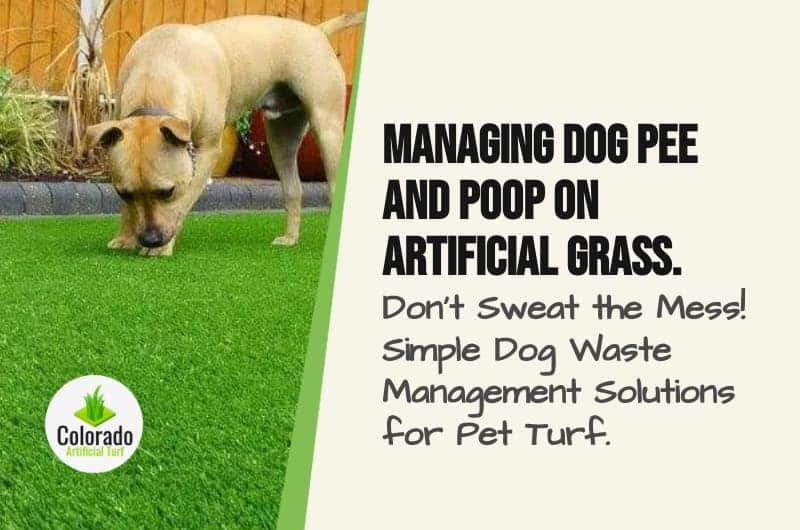
Image Source: coloradoartificialturf.com
Why Cleaning Fake Grass Matters
Fake grass is popular for pet owners. It stays green all year. It needs less water. But it still needs cleaning. Dog waste can build up. This causes bad smells. It can also make your lawn look dirty. Regular artificial turf dog waste cleaning prevents these issues. It keeps your yard fresh. It also helps your fake grass last longer.
The Problem with Pet Waste
Dog poop and urine are not just messy. They can cause problems on fake grass.
* Smells: Pet waste leaves a strong smell. This smell can get worse over time. It can make your yard unpleasant. You need synthetic grass pet odor removal.
* Bacteria: Feces carry germs. These germs can stay on the grass. You need to sanitize fake grass from dog feces. This keeps your family and pets safe.
* Stains: Poop can leave marks. Especially if it sits for too long. Pet stain removal on artificial turf is key.
* Drainage issues: Too much waste can clog the grass. This stops water from draining well.
Regular cleaning stops these problems. It keeps your outdoor space nice.
Gathering Your Cleaning Tools
Before you start cleaning, get your tools ready. Having everything at hand makes the job easier. You do not need many special items. Most things you might already have.
Essential Cleaning Supplies
Here is what you will need for basic cleaning:
- Gloves: Protect your hands from germs.
- Pooper scooper or plastic bag: For picking up solid waste.
- Garden hose: For rinsing the area.
- Stiff brush or rake: To remove debris and lift the grass fibers.
- Bucket: For mixing cleaning solutions.
- Mild soap or detergent: Dish soap works well for general cleaning.
- White vinegar: A natural deodorizer and disinfectant.
- Enzymatic cleaner: Essential for breaking down pet waste odors and stains.
Here is a simple table of tools and their uses:
| Tool | Purpose | Notes |
|---|---|---|
| Gloves | Hand protection | Wear them always. |
| Pooper scooper/Bag | Picking up solid waste | Easy and hygienic. |
| Garden Hose | Rinsing and flushing | Use good water pressure. |
| Stiff Brush/Rake | Removing debris, lifting fibers | Helps spread cleaner. |
| Bucket | Mixing cleaning solutions | Any size will do. |
| Mild Soap | General cleaning, light stains | Dish soap is fine. |
| White Vinegar | Deodorizing, light disinfecting | Mix with water. |
| Enzymatic Cleaner | Pet odor and stain removal, deep clean | Crucial for pet waste. |
Step-by-Step Guide: Cleaning Solid Waste
Removing dog droppings from synthetic lawn is the first step. Do this as soon as you see the mess. Fresh waste is easier to clean.
Step 1: Pick Up Solid Waste
Use your pooper scooper or a plastic bag. Pick up all solid pieces of poop. Be careful not to smear it around.
* Tip: If the poop is very soft, let it dry a little. This makes it easier to pick up. You can sprinkle some sand or cat litter on it to help it dry faster. Then scoop it.
Step 2: Rinse the Area
After picking up the waste, grab your garden hose. Spray the affected spot with water. Use a strong stream. This helps wash away any small bits of poop. It also pushes urine down through the grass. Make sure the water drains well. The goal is to flush the area completely.
Step 3: Scrub Lightly (If Needed)
Sometimes, stubborn bits of poop may stick. Use your stiff brush to gently scrub the spot. Do not scrub too hard. You do not want to damage the grass fibers. A light scrub with water should be enough. This also helps spread any remaining waste particles. Then, rinse again.
Tackling Liquid Messes and Odors
Liquid messes, especially urine, are trickier. They soak into the turf backing. This is where most odors come from. Deodorizing synthetic grass dog smell needs special products.
Addressing Urine Stains and Smells
Urine often causes the worst smells. It can leave a yellow stain. You need more than just water here.
1. Initial Rinse
Always start with a good rinse. Use your garden hose. Spray the area where your dog peed. This helps dilute the urine. It pushes it down into the drainage system.
2. Apply an Enzymatic Cleaner
This is the most important step for odors. An enzymatic cleaner for artificial turf dog urine is a must-have. These cleaners contain special enzymes. These enzymes break down the organic matter in urine. This removes the odor source.
* How to use: Read the label on your cleaner. Most need to be mixed with water. Spray or pour the cleaner over the affected area. Let it sit for a while. This lets the enzymes work.
* Why it works: Regular cleaners only mask smells. Enzymatic cleaners destroy them. They are key for synthetic grass pet odor removal.
3. Let it Work
Do not rinse the enzymatic cleaner right away. Let it soak into the grass. The instructions will tell you how long. This could be 10-30 minutes. The longer it sits, the more effective it is.
4. Final Rinse
After the cleaner has done its job, rinse the area again. Use plenty of water. Make sure all cleaner residue is gone. This helps prevent buildup. It also flushes away the broken-down waste.
Using White Vinegar for Odors
White vinegar is a natural alternative. It works well for light odors. It is also a mild disinfectant.
* How to use: Mix equal parts white vinegar and water. Put it in a spray bottle. Spray the affected area. Let it sit for 10-15 minutes. Then rinse well.
* Note: While good, vinegar is not as strong as an enzymatic cleaner for deep odors. It is best for fresh odors or as a backup.
Deep Cleaning and Sanitization
Beyond daily messes, your fake grass needs a deep clean. This helps sanitize fake grass from dog feces. It keeps your lawn truly clean and safe.
Why Deep Clean?
Over time, waste particles build up. Even with regular cleaning. This buildup can lead to:
* Lingering odors: Smells you just cannot get rid of.
* Bacteria growth: Even if you cannot see it, germs can be there.
* Drainage issues: Clogged infill means water sits on top.
A deep clean solves these issues. It rejuvenates your fake grass.
Deep Cleaning Steps
1. Remove All Debris
Before you deep clean, make sure the surface is clear. Use a rake or stiff brush. Remove leaves, twigs, and any other loose debris. This helps the cleaner reach the grass fibers.
2. Apply a Pet-Specific Turf Cleaner
Use a cleaner designed for artificial turf and pets. These often contain strong enzymes or safe disinfectants. Look for products that specialize in astroturf dog poop disinfectant.
* Application: Follow the product instructions. Some need to be diluted. Others come in a spray bottle. Apply it evenly over your entire fake lawn. Pay extra attention to areas your dog uses most.
3. Let the Cleaner Sit
Allow the cleaner to soak into the turf. This gives it time to work on odors and germs. Check the product label for the recommended time. It might be 15-30 minutes.
4. Brush the Turf
After soaking, use a stiff brush. Gently brush the grass fibers. This helps work the cleaner deeper into the turf. It also helps loosen any stuck dirt or waste. Brush against the grain of the grass to lift the fibers.
5. Thorough Rinse
Rinse the entire area with a garden hose. Use plenty of water. Make sure all cleaning solution is washed away. The goal is to flush everything out. This ensures no residue is left behind.
6. Allow to Dry
Let your fake grass dry completely. This is important. Wet grass can encourage mold or mildew if not properly ventilated. Good drainage helps it dry fast.
Preventative Measures for a Cleaner Lawn
Prevention is always better than cure. Taking a few simple steps can keep your fake grass cleaner. This means less work for you later.
Regular Rinsing
Rinse your fake grass a few times a week. Even if you do not see a mess. This helps wash away small amounts of urine. It stops odors before they start. Focus on high-traffic areas.
Designate a Potty Spot
Train your dog to use one specific area. This could be a corner of your fake lawn. Or even a patch of real grass. This makes cleanup much easier. You only have one spot to focus on.
Pick Up Poop Quickly
The sooner you pick up solid waste, the better. Fresh poop is less likely to leave stains. It also reduces the chance of smells setting in. Make it a habit to check your yard daily.
Consider a Pet-Friendly Infill
Some fake grass systems use special infill. This infill helps with odor control. Common infills include:
* Zeofill: A natural infill that absorbs ammonia from urine. This helps reduce smells.
* Silica sand with odor-reducing coatings: Treated sand that inhibits bacterial growth.
* Crumb rubber: Less common for pet use due to heat retention and odor issues.
If you are getting new fake grass, ask about pet-friendly infill. If you have existing grass, you might add some on top.
Keep Your Dog Hydrated
A well-hydrated dog has less concentrated urine. This can mean less potent odors. Make sure your dog always has fresh water.
Choosing the Right Products
The market has many products for cleaning fake grass. Knowing which ones to choose can be tricky. Look for products made for artificial turf and pets. This ensures they are safe and effective.
Best Artificial Turf Pet Waste Cleaner Options
When buying cleaners, look for these features:
* Enzymatic formula: This is crucial for breaking down organic matter. It truly removes odors.
* Non-toxic and pet-safe: Make sure it will not harm your dog or family.
* Biodegradable: Better for the environment.
* Concentrated: Often more cost-effective. You mix it with water.
* Disinfectant properties: Helps kill germs.
Here are some types of products that work well:
- Dedicated Artificial Turf Cleaners: Brands like Simple Green Outdoor Odor Eliminator, Turf Fresh, or Urine Off. These are made for fake grass. They are often the best artificial turf pet waste cleaner.
- Enzymatic Pet Cleaners: Products like Rocco & Roxie Supply Co. Stain & Odor Eliminator. While not always marketed for turf, their enzymatic action works wonders. Just ensure they are safe for outdoor use.
- Natural Solutions: White vinegar is a good natural option for light jobs. Baking soda can also absorb odors. Sprinkle it, let it sit, then brush and rinse.
What to Avoid
- Bleach: Never use bleach on fake grass. It can discolor the turf. It can also damage the fibers. It is also harmful to pets.
- Harsh chemicals: Strong chemicals can strip the grass. They can also leave harmful residues.
- Oil-based cleaners: These can leave a sticky film. This film attracts dirt.
- High-pressure washers: Very high pressure can damage the turf backing. Use a regular garden hose.
Common Mistakes to Avoid
Even with the right tools, mistakes can happen. Avoiding these common errors helps keep your fake grass in top shape.
Not Cleaning Soon Enough
Letting pet waste sit too long makes cleaning harder. Odors soak in. Stains become stubborn. Make it a habit to clean up daily.
Using the Wrong Cleaners
Using bleach or harsh chemicals is a big mistake. They damage the turf. They can also harm pets. Stick to enzymatic cleaners or mild, pet-safe options.
Insufficient Rinsing
After applying cleaners, you must rinse thoroughly. If cleaner residue stays, it can attract dirt. It can also cause skin irritation for pets. Always use plenty of water for rinsing.
Ignoring Drainage Issues
If your fake grass does not drain well, water and waste will sit. This makes odors worse. It can also lead to mold. Ensure your fake grass has proper drainage. If you see standing water, check for clogs.
Not Replacing Infill
The infill in your fake grass absorbs odors and pet waste. Over time, it gets saturated. It stops working as well. You might need to add new infill every few years. Or replace some of it.
Maintenance Schedule for Your Fake Grass
A regular cleaning schedule keeps your fake grass fresh. It prevents big problems. Here is a simple schedule to follow.
| Frequency | Task | Details |
|---|---|---|
| Daily | Pick up solid waste | As soon as you see it. |
| Daily/Every Other Day | Rinse high-traffic areas | Especially where your dog pees. Use garden hose. |
| Weekly | Light rinse of entire lawn | Or after heavy use. |
| Monthly | Apply enzymatic cleaner to pet areas | Focus on spots with lingering odors. |
| Quarterly | Deep clean entire lawn | Use a pet-specific turf cleaner. Brush fibers. Thorough rinse. |
| Annually | Check infill levels and top up | Especially in high-use areas. Consider professional cleaning. |
This schedule is a general guide. Adjust it based on how many pets you have. Also consider how much they use the fake grass.
When to Call a Pro
Most fake grass cleaning can be done by you. But sometimes, a professional can help.
Stubborn Odors
If you have tried everything and odors still linger, call a pro. They have stronger equipment and products. They can do a deep sanitizing fake grass from dog feces.
Large Areas
Cleaning a very large fake lawn can be a big job. A professional service has the right tools for efficiency.
Drainage Problems
If your fake grass is not draining well, it could be an installation issue. Or heavy infill saturation. Pros can assess and fix these problems.
General Wear and Tear
Professionals can also help with general maintenance. They can re-bloom matted fibers. They can top up infill. This extends the life of your artificial turf.
Conclusion
Cleaning fake grass from dog poop does not have to be a chore. With the right tools and steps, it is quite simple. Regular artificial turf dog waste cleaning keeps your yard hygienic. It also stops bad smells. Remember to pick up solid waste quickly. Rinse often. Use an enzymatic cleaner for artificial turf dog urine and other liquid messes. These cleaners are vital for synthetic grass pet odor removal. Following a simple cleaning schedule ensures your fake lawn stays beautiful and fresh for years. A clean fake lawn is a happy fake lawn for both pets and people.
Frequently Asked Questions (FAQ)
Q1: Is fake grass really hygienic for dogs?
A1: Yes, fake grass can be very hygienic for dogs. But it needs proper cleaning. If you clean it regularly, it stays clean. It helps prevent bacteria buildup. It also keeps odors away.
Q2: How often should I clean dog poop from fake grass?
A2: You should pick up solid poop daily. Rinse areas where your dog pees daily or every other day. Do a deeper clean with an enzymatic cleaner once a month. A full deep clean is good every three months.
Q3: Can I use bleach to clean fake grass?
A3: No, do not use bleach on fake grass. Bleach can damage the turf fibers. It can also cause discoloration. It is also harmful to pets. Stick to pet-safe, non-toxic cleaners.
Q4: What is an enzymatic cleaner and why is it important?
A4: An enzymatic cleaner contains special enzymes. These enzymes break down the organic matter in pet waste. This includes proteins and uric acid. It removes the source of the odor and stains. It does not just mask smells. This is why it is essential for synthetic grass pet odor removal.
Q5: My fake grass still smells after cleaning. What should I do?
A5: If odors remain, you might need a stronger enzymatic cleaner. Or you may need to apply it more often. Make sure you are letting the cleaner sit long enough. Rinse thoroughly. Check your infill. It might be saturated and need replacement. For very stubborn odors, consider a professional cleaning service.
Q6: How do I remove pet stains on artificial turf?
A6: For pet stains, use an enzymatic cleaner. Apply it directly to the stain. Let it soak for the recommended time. Then scrub lightly with a stiff brush. Rinse the area well with water. Repeat if necessary.
Q7: Does fake grass get hot for dogs?
A7: Yes, fake grass can get hotter than natural grass in direct sunlight. Darker colors absorb more heat. You can cool it down by rinsing it with water before your dog plays. Some special infills can also help keep the turf cooler. Consider shade options if it gets very hot.
Q8: How long does fake grass last with dogs using it?
A8: High-quality fake grass can last 10 to 15 years, even with dog use. Proper cleaning and maintenance extend its life. Regular brushing helps keep the fibers upright. This prevents matting. It also helps with drainage.