
No Smell! How To Clean Dog Pee From Tile Floor Guide
Cleaning dog pee from tile floors needs careful work. The best way to remove dog pee smell from tile and clean pet stains is to act fast. Use special cleaners. These cleaners break down the urine. This helps get rid of the bad smell. We will show you how to clean up dog pee well. This guide covers everything. You will learn how to clean tile floors well. You will also learn how to stop bad smells.
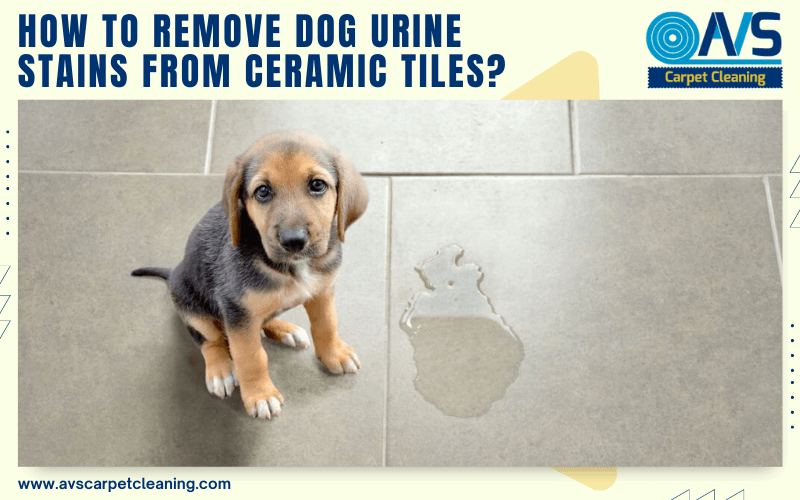
Image Source: avscarpetcleaning.com
Why Dog Pee Is A Big Problem For Tile Floors
Dog urine might seem easy to clean from tile. But it can cause big problems. It is more than just a wet spot. Urine has chemicals. These chemicals can make stains. They can also leave a bad smell. This smell can stay for a long time. It can even make your dog pee in the same spot again.
Stains And Damage
Tile floors are strong. But pee can still cause issues. The pee sits on the tile. It can seep into grout lines. Grout is the filler between tiles. It is very porous. This means it has tiny holes. Urine goes deep into these holes. It can dry there. This makes a dark stain. The stain can be hard to see at first. Over time, it gets darker. It might look like a yellow or brown spot.
If the pee stays for a long time, it can harm the grout. It can also harm the sealant on the tile. The sealant is a clear coat. It helps protect the tile. When the sealant wears off, the tile can soak up more liquid. This makes cleaning harder. It also makes smells stronger.
The Lingering Odor Challenge
The worst part about dog pee is the smell. Dog urine has urea. It also has uric acid. When pee dries, bacteria grow. These bacteria break down the urea. This makes ammonia gas. Ammonia smells very strong. It is the sharp pee smell.
Uric acid is even trickier. It forms crystals as the pee dries. These crystals are tiny. They stick to surfaces. They are not easy to get rid of with just water. They can hide deep in the grout. When it gets humid, these crystals get wet again. They release more gas. This makes the smell come back. This is why you need good dog urine odor removal tile products. Standard cleaners often miss these crystals. They only clean the surface. So, the smell stays.
Acting Fast: First Steps After A Pet Accident
When your dog pees on the tile, time is important. The sooner you clean it, the better. Quick action helps stop stains. It also helps stop the smell from setting in.
Step 1: Soak Up The Fresh Pee
Do not rub the pee. Rubbing spreads the pee around. It can push the pee deeper into the grout. Instead, blot the pee.
- Gather supplies: Grab paper towels, old rags, or a thick cloth.
- Lay and press: Place a thick layer of paper towels over the wet spot. Step on them gently. Or press down hard. This helps the paper towels soak up the pee.
- Repeat: Keep using fresh paper towels. Do this until no more pee comes up. The area should feel mostly dry.
Step 2: Rinse The Area
After blotting, rinse the spot lightly. Use a small amount of clean, cool water. This helps to wash away any remaining pee. It also prepares the area for cleaning.
- Pour water: Gently pour a small amount of water over the spot. Do not use too much.
- Blot again: Use clean, dry paper towels. Blot up all the water. Make sure the area is as dry as possible. This stops the pee from spreading. It also stops it from seeping into the grout.
Deep Cleaning Methods For Lasting Freshness
Once the first pee is gone, you need to clean deep. This is where pet stain remover tile products come in. They help with both stains and smells.
The Power of Enzymatic Cleaners
For dog urine odor removal tile, enzymatic cleaners are very good. They are often the best cleaner for pet accidents on tile. These cleaners do not just cover smells. They break down the pee itself.
- What they are: Enzymatic cleaners have special proteins. These proteins are called enzymes.
- How they work: The enzymes eat the odor-causing stuff. They break down the uric acid crystals. They also break down other parts of the urine. This removes the source of the smell. It does not just cover it up.
- Why they are good: They are safe for pets. They are safe for most surfaces. They get rid of smells for good. This makes them a top choice for pet owners. An enzymatic cleaner for dog urine is a must-have item.
How to Use an Enzymatic Cleaner:
- Clean the area: First, blot up all fresh pee. Rinse with water. Blot dry.
- Apply cleaner: Pour the enzymatic cleaner over the affected area. Make sure it covers the spot well. Also, cover the grout lines. The cleaner must reach where the pee soaked in.
- Let it work: Read the product label. It will tell you how long to let the cleaner sit. This is usually 10-30 minutes. Some need to sit for hours. For bad smells, cover the spot with plastic wrap. This keeps the cleaner wet. It lets the enzymes work longer.
- Blot dry: After the time is up, blot the area with clean towels. Do not rinse with water right away. Let it air dry completely. This lets the enzymes finish their job.
- Repeat if needed: For old stains or strong smells, you might need to do this again.
Natural Remedies For Pet Urine On Tile
If you prefer to use natural products, there are options. These DIY dog pee cleaner tile methods can work well. They are good for light stains or regular cleaning.
-
Vinegar Solution: White vinegar is a natural deodorizer. It helps to neutralize the alkaline salts in urine.
- Mix: Mix equal parts white vinegar and water.
- Apply: Pour or spray the mix on the pee spot.
- Scrub (lightly): Gently scrub with a soft brush. Pay attention to grout.
- Let sit: Let it sit for 10-15 minutes.
- Blot and rinse: Blot up the vinegar mix. Then rinse with clean water. Blot dry.
- Warning: Do not use vinegar on natural stone tiles. This includes marble, travertine, or limestone. Vinegar is acidic. It can harm these surfaces. It can make them look dull.
-
Baking Soda Magic: Baking soda is very good at soaking up smells.
- Clean first: After using vinegar, or on its own, sprinkle baking soda.
- Cover the spot: Sprinkle a thick layer of baking soda over the damp spot. Make sure it covers the grout lines.
- Let it sit: Let it sit for a long time. At least a few hours. Even better, leave it overnight.
- Vacuum: After it dries, vacuum up the baking soda.
- Bonus: You can mix baking soda with a little water to make a paste. Spread this paste on tough stains. Let it sit for a while. Then scrub and clean.
-
Hydrogen Peroxide Boost: Hydrogen peroxide can help with stains and smells. It works best on light-colored grout.
- Test first: Always test it in a small, hidden spot. Make sure it does not change the color of your tile or grout.
- Apply: Pour a small amount of 3% hydrogen peroxide over the stain.
- Add baking soda (optional): For tough stains, sprinkle baking soda over the peroxide. This makes a paste.
- Let sit: Let it bubble for 10-15 minutes.
- Scrub: Scrub with a soft brush.
- Rinse: Rinse the area well with clean water. Blot dry.
- Caution: Do not mix hydrogen peroxide with vinegar. This can make harmful fumes. Use them separately. Also, use gloves. Peroxide can lighten skin.
Cleaning The Grout: A Key Step For Odor Removal
The grout lines are the biggest problem area. They soak up urine like a sponge. This is where most of the smell comes from. To remove urine smell from ceramic floor, you must clean the grout well.
Why Grout Needs Special Care
Grout is made of sand and cement. It is very porous. This means it has tiny holes. Urine goes deep into these holes. It dries there. The uric acid crystals get trapped. This is why the smell stays. Even if the tile looks clean, the grout can still hold the smell. Learning how to clean dog pee from grout is vital.
Tools For Grout Cleaning
- Grout brush: A stiff brush with thin bristles. It gets into the grout lines.
- Toothbrush: An old toothbrush works well for small areas.
- Steam cleaner (optional): A handheld steam cleaner can work wonders. Steam lifts dirt and kills germs. It can also help loosen dried urine.
Grout Cleaning Steps
- Prepare the area: Make sure the tile surface is clean. Blot any wet pee.
- Apply cleaner: Use an enzymatic cleaner. Or use a paste of baking soda and a little water. Spread it along the grout lines.
- Scrub: Use a grout brush. Scrub hard along the lines. Work in small sections. Make sure the brush gets deep into the grout.
- Let it sit: Let the cleaner sit for the recommended time. For baking soda paste, let it dry.
- Rinse and wipe: Use a damp cloth to wipe away the cleaner. Rinse the cloth often. Make sure to get all the cleaner out of the grout.
- Dry well: Use a fan or open windows. Make sure the grout dries completely. Any moisture can make the smell return.
Table: Grout Cleaning Methods
| Method | Pros | Cons | Best For |
|---|---|---|---|
| Enzymatic Cleaner | Breaks down urine, removes odor source | Needs time to work, might be pricier | Deeply soaked grout, strong odors |
| Baking Soda Paste | Natural, absorbs odors, gentle abrasive | Can be messy, needs long sit time | Mild odors, surface stains, budget-friendly |
| Hydrogen Peroxide | Good for stains, disinfects | Can bleach dark grout, test first, no mixing | Light grout, tough stains, added disinfection |
| Steam Cleaner | Lifts dirt, kills germs, no chemicals | Requires special tool, can be expensive | General deep cleaning, stubborn trapped odors |
Disinfecting Tile After Dog Pee
After cleaning, it is important to disinfect the area. This kills any leftover germs. It makes the floor safe and truly clean. Disinfecting tile after dog pee is a key step.
Why Disinfect?
Dog urine has bacteria. Even after cleaning the stain and smell, bacteria can remain. These bacteria can cause health problems. They can also make the smell return.
Disinfecting Options
- Pet-safe disinfectant: Many pet stores sell cleaners that also disinfect. Look for products that say “disinfectant.” Always read the label. Make sure it is safe for your type of tile.
-
Bleach solution (use with care): Bleach kills germs well. But use it only on light-colored, non-porous tiles. And use it carefully.
- Mix: Use 1 part bleach to 30 parts water. (e.g., 1/2 cup bleach to 1 gallon water).
- Ventilate: Open windows. Turn on a fan. Bleach fumes are strong.
- Apply: Apply the mix to the clean area. Let it sit for 5-10 minutes.
- Rinse well: Rinse the area many times with clean water. Blot it dry.
- Warning: Never mix bleach with ammonia, vinegar, or other cleaners. This can make dangerous gases.
-
Hydrogen Peroxide (revisited): As mentioned, 3% hydrogen peroxide is also a mild disinfectant. It’s safer than bleach for many surfaces. It also helps with lingering odors.
Removing Stubborn Urine Smell From Ceramic Floor
Sometimes, the smell just does not go away. This is often true for ceramic floor. It means the urine has gone deep. It has dried. The uric acid crystals are stuck. For persistent odors, you need a powerful tile floor pet odor eliminator.
Re-evaluating the Problem
- Is it truly clean? Did you use enough enzymatic cleaner? Did it sit long enough? Did you scrub the grout hard enough? Often, people stop too soon.
- Is the source gone? Check baseboards. Check nearby walls. Urine can splash. It can also run under the tile. If the smell is still there, you might need to check other places.
Advanced Odor Elimination Strategies
- Repeat Enzymatic Treatments: For very bad smells, repeat the enzymatic cleaning. Do it two or three times. Let the cleaner sit for longer each time. Cover the spot with plastic wrap to slow down drying. This gives the enzymes more time to work.
- Professional Grout Sealing: After you clean the grout well, consider sealing it. Grout sealant puts a barrier over the grout. It fills the tiny holes. This makes the grout less porous. It stops urine from soaking in again. This makes future cleaning much easier. It also helps block any faint remaining smells.
- Odor Neutralizers: Some products are just for neutralizing odors. They often use activated charcoal. Or they have special chemicals. These can soak up smells from the air. Place bowls of activated charcoal near the spot. Or use odor absorbing gels. These do not clean. But they help with the air quality.
- Ozone Generators (Extreme Cases): For very strong, old smells, an ozone generator might help. These machines produce ozone gas. Ozone kills odor-causing stuff in the air and on surfaces.
- Caution: These are for very strong smells. They must be used carefully. Pets and people must leave the area when it is running. You must air out the room well afterward. Get advice from a professional before using one.
DIY Dog Pee Cleaner Tile Tips for Odor
Beyond specific products, some simple tricks help.
- Ventilation: Fresh air helps a lot. Open windows. Use fans. Good airflow helps smells go away faster.
- Sunlight: If possible, let sunlight hit the area. UV rays in sunlight can help break down some odor-causing compounds.
- Patience: Old smells take time. Keep cleaning. Keep airing out the room. The smell will go away.
Preventing Future Accidents
The best way to clean dog pee is to stop it from happening. Prevention saves time and stress.
Training Your Dog
- Potty training: This is the most important step. Take your puppy outside often. Reward them for peeing outside.
- Scheduled breaks: Adult dogs need regular potty breaks. Stick to a schedule.
- Supervision: Watch your dog, especially new puppies. Learn their signs that they need to go out.
- Crate training: A crate can help. Dogs do not like to pee where they sleep.
- Vet check: If an adult dog starts having accidents, see a vet. It could be a health problem.
Making Your Home Less Appealing For Accidents
- Clean thoroughly: If a spot smells like pee, your dog will want to pee there again. Make sure all old smells are gone. Use enzymatic cleaners well.
- Limit access: If your dog pees in one room, block off that room. Or supervise them closely in that room.
- Cover the spot: For a short time, you can put a blanket over the spot. Or put a piece of furniture there. This makes the dog less likely to go there.
- Use repellent sprays: Some sprays have scents dogs do not like. Use these around problem areas. But test them first. Make sure they do not harm your tile.
- Doggy diapers/belly bands: For old or sick dogs, these can help. They catch the pee before it hits the floor.
Essential Cleaning Supplies Checklist
Having the right tools makes cleaning easier and more effective.
| Item | Purpose | Notes |
|---|---|---|
| Paper towels or old rags | Soaking up fresh urine | Absorbent is key |
| Rubber gloves | Protecting hands from urine and cleaners | Always use for hygiene and chemical protection |
| Enzymatic cleaner | Breaking down urine, removing odor and stain | Essential for deep cleaning, look for pet-specific |
| White vinegar | Natural deodorizer, mild cleaner | Do not use on natural stone tile |
| Baking soda | Odor absorber, mild abrasive | Good for absorbing smells from dry spots |
| 3% Hydrogen peroxide | Stain remover, mild disinfectant | Test first, do not mix with vinegar or bleach |
| Stiff brush (grout brush) | Scrubbing grout lines and stubborn spots | Important for getting into crevices |
| Spray bottle | Applying cleaners evenly | Good for vinegar or diluted cleaning solutions |
| Clean cloths/sponges | Wiping, rinsing, applying solutions | Use separate cloths for different solutions |
| Bucket | Mixing solutions, holding rinse water | Handy for larger clean-ups |
| Wet/Dry vacuum (optional) | Extracting liquids quickly and efficiently | Speeds up drying, removes more liquid from grout |
| Fan/Air mover (optional) | Speeding up drying process | Helps prevent lingering odors from moisture |
A Step-By-Step Guide To Cleaning Dog Pee From Tile
This is a summary of the best steps. Follow these to get rid of smells and stains.
Step 1: Act Quickly (Blot Fresh Pee)
* Put many paper towels on the wet pee.
* Press down hard. Do not rub.
* Keep blotting with fresh towels. Do this until no more pee comes up.
Step 2: Rinse Lightly
* Pour a small amount of clean, cool water on the spot.
* Blot up all the water with dry towels. Make the area as dry as you can.
Step 3: Apply Enzymatic Cleaner
* Put on rubber gloves.
* Pour an enzymatic cleaner over the spot. Make sure it covers the tile and the grout lines.
* Let the cleaner sit. Check the bottle for how long. It is usually 10-30 minutes. For tough smells, leave it longer. You can cover it with plastic wrap to keep it wet.
Step 4: Scrub The Grout
* Use a grout brush or stiff brush.
* Scrub the grout lines well. Push the cleaner into the grout.
* Scrub the tile surface too, if needed.
Step 5: Blot And Dry
* Blot up the cleaner with clean, dry towels.
* Do not rinse the area right away. Let it air dry completely. This lets the enzymes do their work.
* You can use a fan to help it dry faster.
Step 6: Disinfect The Area
* Once the area is dry, apply a pet-safe disinfectant. Or use a very diluted bleach solution (1 part bleach to 30 parts water, for light non-porous tiles only).
* Let it sit for the time on the product label.
* Rinse the area well with clean water. Blot it very dry.
Step 7: Check For Odor (And Repeat if Needed)
* When the area is fully dry, sniff it. Get close to the grout.
* If you still smell pee, repeat the enzymatic cleaning process. You might need to do it a few times for old, strong smells.
Step 8: Prevent Future Accidents
* Keep training your dog.
* Clean all areas well. Make sure no pee smell is left anywhere.
* Consider sealing your grout. This helps stop future pee from soaking in.
Frequently Asked Questions (FAQ)
Q1: Can I just use bleach to clean dog pee from tile?
A1: No, do not just use bleach. Bleach can kill germs. But it does not break down uric acid crystals. These crystals cause the bad smell. Also, bleach can harm some tiles and grout. It can also create dangerous fumes if mixed with urine or other cleaners. Use an enzymatic cleaner first. Then you can use a very diluted bleach solution for disinfection only.
Q2: How long does dog pee smell last in tile grout?
A2: If not cleaned right, the smell can last for years. The uric acid crystals hide in the grout. They release smell when it is humid. Normal cleaners do not remove them. Only specific products like enzymatic cleaners break them down.
Q3: Is it safe to use natural remedies like vinegar on all tile types?
A3: No, it is not safe for all tile types. Vinegar is acidic. It can damage natural stone tiles. Examples are marble, travertine, and limestone. It can make them dull. Always test a hidden spot first. Or stick to enzymatic cleaners for natural stone.
Q4: My dog keeps peeing in the same spot, even after cleaning. What can I do?
A4: Your dog can still smell pee, even if you cannot. The smell tells them it is a good potty spot. You need to use a strong enzymatic cleaner. Make sure it soaks deep into the grout. Use it many times if needed. Also, try to block the area for a while. Or put a pet deterrent spray there. And make sure your dog is fully potty trained. A vet check is good if accidents keep happening.
Q5: When should I call a professional cleaner for dog pee on tile?
A5: You should call a professional if:
* The smell does not go away after many tries.
* The stain is very old or very deep.
* You have large areas affected.
* You have special or very expensive tile that you do not want to risk harming.
Professionals have stronger tools and cleaners. They can also seal grout for you.
Cleaning dog pee from tile floors takes work. But it is possible to remove both stains and smells. Act fast. Use the right products. And clean well. Your home can be fresh and clean again.