
Image Source: e1.nmcdn.io
Complete Guide: How To Care For Your Dog After Eye Surgery
Your furry friend just had eye surgery. You are bringing them home now. This is a big step in their dog eye surgery recovery. You need to give them good care. This care is called post operative care for dogs eyes. It helps them heal well. How long does this care take? Your vet will tell you. It often takes a few weeks. Can my dog take pain relief after eye surgery? Yes, your vet will give you medicine for pain. How do I give my dog eye drops after surgery? Your vet will show you. We will also explain it here. What are signs of infection after dog eye surgery? Look for redness, swelling, or gooey stuff. Call your vet if you see these. How do I restrict activity after dog eye surgery? Keep them quiet. No running or jumping. How do I clean my dog’s eye after surgery? Be very gentle. Use only what your vet says. What are dog eye surgery complications? Things like infection or not healing right. Call your vet if you worry. Why are follow up vet appointments for dog eye surgery important? The vet needs to check the eye as it heals. These visits are very important.
Caring for your dog after eye surgery needs patience. It needs careful steps. Your vet gave you instructions. This guide helps you follow them. It covers what you need to do at home.
Getting Ready for Home
Your dog will come home soon. Be ready for them. Have a calm space set up.
Setting Up a Safe and Quiet Place
Your dog needs a quiet spot. This spot should be away from noise. It should be away from other pets or busy parts of the house.
* Use a crate if your dog likes it.
* Put a soft bed inside.
* Make sure it is clean and cozy.
* Keep food and water close by.
* This place helps with restricting activity after dog eye surgery.
What You Will Need
Gather supplies before they arrive.
* Medicine from your vet (pain pills, eye drops).
* Cleaning stuff for the eye (pads, cleaning liquid – only what your vet gives you).
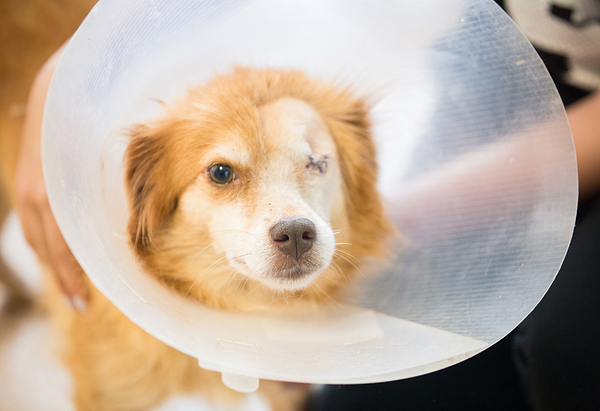
* The dog cone after eye surgery (an E-collar). Your vet might give you one.
* Soft towels or blankets.
* Food and water bowls.
* Patience and love!
Immediate Care When They Get Home
Your dog might be sleepy. They might be a little shaky. This is normal after surgery.
Bringing Them Inside
Carry your dog inside carefully. Do not let them jump from the car. Take them straight to their quiet spot.
Letting Them Rest
Allow your dog to rest. Do not let kids or other pets bother them. Just let them be. They need time to wake up fully. They need time to feel safe.
Grasping the Cone’s Importance
The cone is super important. It keeps your dog from touching their eye. It stops them from scratching or rubbing. This protects the surgery area. The cone is part of post operative care for dogs eyes. Your dog must wear the dog cone after eye surgery.
Why the Cone is Not Optional
Your dog’s eye will feel weird. It might itch. It might hurt a little. Your dog will want to rub it. The cone stops this. Rubbing can open the surgery area. It can cause bleeding. It can cause infection. The cone prevents these bad things. It is a key part of dog eye surgery recovery.
Getting Your Dog Used to the Cone
Most dogs do not like the cone at first. Be patient.
* Put it on before they are fully awake if possible.
* Give treats and praise when it is on.
* Do not take it off just because they look sad.
* They need to wear it all the time.
* This means during the day.
* This means at night.
* This means when you are watching them.
* This means when you are not watching them.
Types of Cones
There are different kinds of cones.
* Plastic Cone: This is the usual one. It works well. It can be noisy. It can bump into things.
* Soft Cone: This one is softer. It is more comfy for sleeping. Make sure it is long enough. It must stop your dog from reaching the eye.
* Inflatable Collar: This looks like a neck pillow. Some dogs like these better. Make sure it works for eye surgery. Some dogs can still reach their eyes with these. Ask your vet if this is okay for your dog’s type of surgery.
Your vet will tell you which cone is best. They will tell you how long your dog needs to wear it. It is often for 2-3 weeks.
Easing Discomfort: Pain Management
Your dog will likely have some pain. Your vet will give you medicine. This is pain relief for dog after eye surgery.
Giving Pain Medicine
Always give the pain medicine as your vet tells you.
* Give it at the right times.
* Give the right amount.
* Do not skip doses.
* Do not give human pain medicine. It can hurt your dog badly.
* Call your vet if you have questions about the medicine.
Watching for Signs of Pain
Even with medicine, watch your dog.
* Are they quiet and not moving much?
* Are they shaking?
* Are they not eating?
* Are they crying or whimpering?
* Are they restless?
* Are they trying to rub or paw at the eye (even with the cone)?
If you think your dog is still in pain, call your vet. They can help. They might change the medicine. Managing pain helps with dog eye surgery recovery.
Giving Eye Drops and Pills
Your dog will likely need eye drops. They might need pills too (for pain or to fight bad germs). Giving dog eye drops after surgery can be tricky.
Giving Eye Drops
This is a very important step. It helps the eye heal. It helps stop infection.
* Get everything ready first (drops, treats, a helper if you need one).
* Have your dog sit or lie down quietly.
* Be calm yourself. Your dog feels your stress.
* Clean any gooey stuff from around the eye gently first (see cleaning section below).
* Hold your dog’s head gently.
* Use one hand to hold the bottle.
* Use the other hand to gently pull down the lower eyelid a little bit. Or hold the upper eyelid open slightly.
* Hold the bottle right over the eye. Do not touch the eye with the bottle tip.
* Let the drop fall onto the eye.
* Try to give the right number of drops.
* Let your dog blink.
* Give praise and a treat right away.
* If you need to give more than one type of eye drop, wait 5-10 minutes between them. This lets the first drop sink in. Ask your vet the best order if you have different drops.
It is hard to give eye drops. Practice before the surgery if you can. Or ask your vet to show you again. It gets easier with practice. Keep it calm. Do not get mad at your dog.
Giving Other Meds
Your dog might have pills.
* Hide the pill in a treat (like peanut butter or soft cheese).
* Use a pill pocket treat.
* Ask your vet if you can crush the pill (not all pills can be crushed).
* You might need to gently open their mouth. Put the pill far back on their tongue. Hold their mouth closed for a moment. Gently rub their throat to help them swallow.
* Always give pills as directed by your vet.
Keeping Your Dog Calm and Still
This is a big part of restricting activity after dog eye surgery. Too much movement can hurt the eye. It can open stitches. It can cause bleeding or swelling.
Why Calm is Key
Surgery needs quiet healing time.
* No running.
* No jumping (on furniture, in and out of the car).
* No rough playing with people or other pets.
* No shaking the head hard.
* No digging.
* No stairs if possible. If you have stairs, carry your dog or block them off.
How to Restrict Activity
- Keep your dog in their safe, quiet spot most of the time.
- Only let them out for short potty breaks.
- Keep them on a leash even in the yard. This stops them from chasing squirrels or running.
- Walk slowly and calmly on leash.
- Watch them all the time when they are out of their safe spot.
- Use toys that do not make them jump or shake their head (like chew toys, not squeaky toys they shake).
Your vet will tell you how long to restrict activity. It depends on the surgery. It is usually for the whole recovery time (2-3 weeks or more). This restriction is vital for good dog eye surgery recovery.
Watching and Caring for the Eye Area
You need to check the eye often. You also need to keep it clean gently. This is part of post operative care for dogs eyes.
Checking the Surgical Site
Look at the eye area a few times a day.
* What does it look like?
* Is it red? (Some redness is normal at first).
* Is it swollen? (Some swelling is normal at first).
* Is there stuff coming out? What color is it? Is there a lot? (A little clear or slightly pink stuff might be okay, ask your vet).
* Are there any open spots?
* Does it smell bad?
Compare it to what your vet said is normal. Take pictures to show the vet if you are worried.
Gentle Cleaning Steps
Sometimes, gooey stuff or crust builds up around the eye. You might need to clean it.
* Only clean if your vet told you to.
* Only use cleaning stuff your vet gave you or said was okay. (Like warm water or a special eye wash).
* Use clean cotton balls or soft pads.
* Use a new one for each wipe.
* Dampen the pad with the cleaning liquid.
* Gently wipe from the inside corner of the eye outwards.
* Do not rub hard.
* Be very gentle.
* Do not touch the eyeball itself.
* Just clean the fur and skin around the eye.
* Be careful not to get cleaning liquid into the eye unless it is an eye wash meant for that.
* If stuff is stuck, hold a warm, wet cloth on it gently for a few seconds to soften it. Then wipe gently.
Cleaning dog’s eye after surgery must be done with great care. If you are unsure, call your vet.
Deciphering Signs of Trouble
It is very important to know when something is wrong. Watch for signs of infection after dog eye surgery or other problems.
Signs of Infection
An infection is when bad germs get into the surgery spot.
* Increased redness around the eye.
* More swelling than before.
* Gooey stuff coming out.
* The stuff might be yellow, green, or thick.
* A bad smell from the eye area.
* The dog seems more painful.
* The dog is very sleepy or does not want to eat.
Other Dog Eye Surgery Complications
Other problems can happen.
* Bleeding from the eye.
* The stitches come open.
* The eye looks different or worse than before.
* The dog is bumping into things a lot. (This might mean the surgery did not help vision yet, or a problem happened).
* The dog is trying very hard to rub the eye despite the cone.
When to Call the Vet Right Away
Do not wait if you see signs of trouble.
* Call your vet or the emergency vet clinic if it is after hours.
* Call if you see bright red bleeding.
* Call if stitches look open.
* Call if there is a lot of bad-looking gooey stuff.
* Call if your dog seems much more painful or very sick.
* Call if you are worried about anything related to the eye or recovery.
It is always better to call and ask. Your vet can tell you if it is normal or if you need to come in. Knowing signs of infection after dog eye surgery is very important for quick action.
Interpreting Follow-Up Needs
Your vet will want to see your dog again. These visits are called follow up vet appointments for dog eye surgery. They are a key part of dog eye surgery recovery.
Why Follow-Up Visits Matter
The vet needs to check how the eye is healing.
* They will look at the surgery site.
* They might check eye pressure.
* They might remove stitches (some stitches dissolve on their own).
* They will see if the medicine is working.
* They will tell you when your dog can stop wearing the cone.
* They will tell you when your dog can do more activity.
* They will answer your questions.
Do not skip these appointments. They help make sure the surgery was a success. They help catch any problems early.
What Happens at the Visit
The vet will examine your dog’s eye carefully. They will likely use special lights. They will ask you how things have been going. Tell them everything you have seen.
* How is the pain?
* Are you able to give the medicine?
* Have you seen any bad stuff coming from the eye?
* How is your dog acting?
Be ready to tell the vet these things.
The Recovery Timeline
Dog eye surgery recovery takes time. Be patient with your dog. Be patient with yourself.
The First Few Days
Your dog will be sleepy and quiet. The eye area will be red and maybe a little swollen. You will give pain medicine and eye drops. The cone will be on. You will restrict activity a lot. This is the most watchful time for post operative care for dogs eyes.
The First Few Weeks
The redness and swelling should slowly go down. You will keep giving medicine. Keep the cone on. Keep activity restricted. You will have follow-up visits with the vet. The vet will guide you on reducing medicine or changing care steps.
Beyond the First Weeks
Your vet will tell you when the cone can come off. They will say when activity can go back to normal slowly. Full recovery can take longer. It depends on the type of surgery. Keep watching the eye long-term.
Living with the Cone Helper
The cone makes things different for your dog. Help them manage it.
Eating and Drinking
Some dogs can eat and drink with the cone on. Use bowls that are higher up. Or use bowls that are smaller than the cone opening. Some dogs need the cone lifted or taken off for a moment to eat. Only do this if you are right there watching them the whole time. Put it back on the second they finish.
Sleeping
Your dog might find sleeping hard with the cone. Try soft beds. Give them extra comfort. They will figure out how to sleep.
Getting Around
The cone makes it hard to see side-to-side. They might bump into things.
* Move furniture out of the way if needed.
* Put soft things on sharp corners.
* Help them up or down stairs if you cannot block them.
* Guide them gently.
It is tough for them. But the cone is their most important tool for healing. It helps them avoid dog eye surgery complications.
Keeping Clean (Beyond the Eye)
While focusing on the eye, do not forget the rest of your dog.
Keeping the Cone Clean
The cone can get dirty. Wipe it down with a damp cloth if needed. Keep it clean and dry.
Overall Cleanliness
Do not give your dog a bath unless your vet says it is okay. The surgery area must stay dry. If your dog needs cleaning, use a damp cloth to wipe them gently.
Final Thoughts on Recovery
Giving great post operative care for dogs eyes is a gift. It helps your dog heal well. It helps protect their sight. It needs time, effort, and working closely with your vet. Follow their instructions exactly. Be patient. Give lots of love and gentle care. Your dog depends on you for their dog eye surgery recovery.
Quick Answers to Common Questions (FAQ)
Can my dog sleep with the cone on?
Yes, your dog must sleep with the cone on. It stops them from rubbing the eye while you are not watching. They will get used to it.
How long does my dog need to wear the cone?
Your vet will tell you exactly. It is often 2-3 weeks, but can be longer for some surgeries.
What if my dog keeps trying to get the cone off?
Check that the cone fits right. It should be snug but not too tight. It should be long enough. Distract them with calm activities or chew toys. If they are very stressed by it, call your vet. They might have other options. But usually, dogs get used to it.
Can my dog go outside after eye surgery?
Yes, for short, slow potty breaks on a leash only. No running or playing. Avoid dusty or dirty places.
What if I miss a dose of eye drops?
Give the dose as soon as you remember. Then go back to the regular schedule. If you are close to the next dose time, call your vet to ask what to do. Do not give extra drops to catch up.
My dog’s eye looks red. Is this normal?
A little redness is normal right after surgery. But if the redness gets worse, or you see a lot of yellow/green gooey stuff, call your vet. These are signs of infection after dog eye surgery.
When can my dog play again?
Only when your vet says it is okay. This is usually after the cone is off and the vet checks the eye. Start slowly with activity.
What if my dog bumps the cone?
A gentle bump is usually okay because the cone takes the hit. But hard bumps or falls can hurt the eye. This is why restricting activity after dog eye surgery is key. Keep their space safe.
How do I know if the surgery worked?
Your vet will check at the follow up vet appointments for dog eye surgery. Healing takes time. Vision might improve slowly. Talk to your vet about what to expect for your dog’s specific surgery.
Remember, you are doing a great job by taking care of your dog. You are helping them heal. Keep in touch with your vet through the whole dog eye surgery recovery process.