
How To Care For Your Dog After A Fracture Repair: A Guide
What is dog post-op fracture recovery? It means the time after a dog has surgery for a broken bone. This time involves many steps to help your dog heal well. Canine orthopedic surgery aftercare is very important for a good outcome. It helps your dog get back on its feet safely. It means watching your dog closely. You will give medicines. You will help with gentle movement. This guide will show you how to care for your dog after this big surgery.
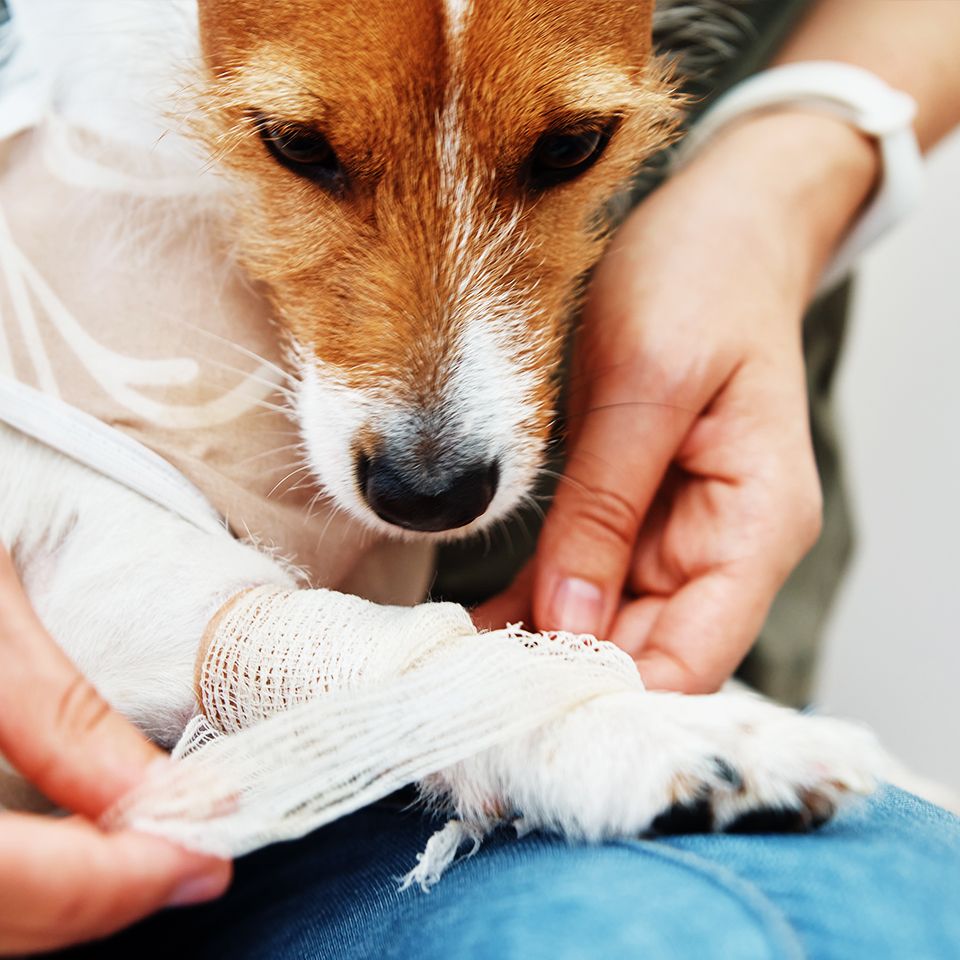
Image Source: cedarridgevetok.com
Grasping Immediate Home Care
Bringing your dog home after surgery can be scary. Your dog might be sleepy. It might be in some pain. You must be ready. Having a clear plan makes things easier for you and your dog.
Setting Up a Safe Spot
Your dog needs a quiet, safe place to heal. This is where crate rest for dog fracture comes in. A crate is best. It stops your dog from moving too much. Too much movement can hurt the healing bone. Make the crate comfy. Use soft blankets. Put water nearby.
- Choose the right crate: It should be big enough for your dog to stand up, turn around, and lie down easily. But not too big. A small space helps limit movement.
- Placement: Put the crate in a quiet room. It should be away from busy areas. This helps your dog rest. Keep it warm. Avoid cold drafts.
- Soft bedding: Use clean, soft bedding. This helps prevent pressure sores. Change the bedding often. Keep it dry.
First Hours Home
Your vet will give you instructions. Read them carefully. Your dog might feel sick from the anesthesia. It might not want to eat.
- Offer water: Give small amounts of water. You can use an ice cube if your dog licks it.
- Food: Your vet might tell you not to offer food right away. Or they might suggest a small, bland meal. Follow their advice.
- Potty breaks: Carry your dog outside for potty breaks. Use a sling if needed. Keep walks very short. Your dog should only go to the bathroom. Then go back inside.
Knowing About Pain Control
Pain management for dog bone break is a key part of recovery. Your dog will feel pain. Your vet will give you medicines. These medicines help your dog feel better. They also help healing. Pain can make your dog not want to move. This can slow down recovery.
Types of Pain Medicines
Your vet will likely give your dog a mix of medicines.
- NSAIDs: These are Non-Steroidal Anti-Inflammatory Drugs. They cut down swelling and pain. Examples are Rimadyl or Metacam.
- Giving NSAIDs: Always give these with food. This helps stop stomach upset.
- Side effects: Watch for throwing up, diarrhea, or not wanting to eat. Call your vet if you see these signs.
- Opioids: Stronger pain relievers. These might be given for a few days after surgery. Examples are Tramadol or Gabapentin.
- Giving opioids: Follow your vet’s dose exactly. Your dog might seem sleepy.
- Side effects: Sleepiness, constipation, or panting can happen.
- Gabapentin: This medicine helps with nerve pain. It can also make your dog calmer. It is often used with other pain meds.
Giving Medicines Safely
It is very important to give medicines as told. Do not change the dose. Do not stop medicines too soon.
- Schedule: Set a timer for doses. Write down when you give each pill.
- Do not share: Never give your dog human pain medicines. They can be very harmful.
- Watch for pain: Even with medicine, your dog might still hurt. Signs of pain include:
- Whining or crying
- Licking the surgery site a lot
- Shivering
- Not wanting to move
- Being grumpy or biting
- Not eating or drinking
- Call your vet: If your dog seems to be in a lot of pain, call your vet. They can adjust the medicine.
Mending the Wound: Bandage and Incision Care
Proper bandage care dog surgery site is very important. The bandage protects the wound. It keeps it clean. It helps with healing. The incision is the cut the vet made. You need to keep it clean too.
Bandage Care Steps
Your dog might come home with a bandage or cast.
- Keep it clean and dry: This is the most important rule. Wet bandages can cause skin problems. They can also lead to infection.
- Cover for outside: Put a plastic bag or a special bootie over the bandage when your dog goes outside. Take it off right away when back inside.
- Check for wetness: Feel the bandage often. Is it damp? Is it dirty?
- Watch for swelling: Check the toes daily. Are they swollen? Are they cold? Are they discolored? Swollen toes can mean the bandage is too tight.
- Smell the bandage: A bad smell means infection. Call your vet at once.
- Check for slippage: Is the bandage moving? Is it rubbing the skin? This can cause sores.
- Never change it yourself: Do not try to re-wrap or remove the bandage. Your vet will do this. They will change it on a schedule.
Incision Care (After Bandage Removal)
Once the bandage comes off, you will see the incision.
- Keep it clean: Your vet might tell you to clean it gently. Use a warm, damp cloth.
- Watch for signs of infection:
- Redness
- Swelling
- Pus or fluid coming out
- Heat around the incision
- Bad smell
- Openings in the skin
- No licking: Your dog must not lick the incision. Licking can cause infection. It can pull stitches out. Use an E-collar (Elizabethan collar or “cone”).
- E-collar tips: Keep the E-collar on at all times. Yes, even at night. Yes, even for eating. Take it off only when your vet says it’s okay. Your dog will get used to it.
Table: Signs of Bandage/Incision Trouble
| Sign of Trouble | What it Means | What to Do |
|---|---|---|
| Swollen/Cold Toes | Bandage too tight, blood flow problems | Call vet right away. |
| Bad Smell from Bandage | Infection inside | Call vet right away. |
| Wet or Dirty Bandage | Risk of skin issues or infection | Call vet for new bandage or advice. |
| Red, Hot, Leaking Incision | Infection | Call vet right away. |
| Dog Chewing/Licking Bandage/Incision | Discomfort, infection risk, re-injury risk | Ensure E-collar is on properly. Call vet if licking continues. |
The Power of Stillness: Confinement Rules
Crate rest for dog fracture is not just a suggestion. It is critical. Bone healing takes time. Any wrong movement can break the bone again. It can also move the metal implants. This would mean more surgery.
Why Confinement Matters
- Bone healing: Bones heal by forming new bone cells. This needs stillness.
- Stops re-injury: A sudden jump or run can undo all the surgery work.
- Protects implants: Plates, screws, or pins need to stay still to work.
How to Enforce Confinement
- Crate is king: Use a crate all the time. Your dog should only leave it for short potty breaks.
- Short leash walks only: When outside, keep your dog on a short leash. No running, jumping, or playing. Only for potty.
- No stairs: Carry your dog up and down stairs. Or block off stairs.
- No slippery floors: Cover slick floors with rugs or mats. Your dog could slip and fall.
- Supervision: Never leave your dog alone outside the crate. Even for a second.
How Long Does It Last?
The vet will tell you how long crate rest for dog fracture is needed. It depends on the fracture. It also depends on how well it is healing. It can be weeks to months. Be patient. This phase is key for long-term success.
Fueling Recovery: Nutrition for Dog Bone Healing
What your dog eats matters a lot. Good nutrition for dog bone healing helps the body rebuild bone. It also helps with overall health.
The Best Diet
- High-quality food: Feed your dog a good, balanced dog food. Your vet might suggest a special diet.
- Protein: Protein is important for cell repair. Make sure the food has enough protein.
- Calcium and Phosphorus: These minerals are vital for bone. Most good dog foods have the right amounts. Do not give extra calcium unless your vet tells you to. Too much can be bad.
- Vitamins D and C: Vitamin D helps the body use calcium. Vitamin C is good for collagen, a bone building block.
- Omega-3 Fatty Acids: These can help reduce swelling. Fish oil is a source.
Supplements
Your vet might suggest certain supplements.
- Glucosamine/Chondroitin: These help joint health. They are often used for dogs with joint issues.
- Fish oil: Good for general health and anti-swelling.
- Antioxidants: Help protect cells from damage.
- Always ask your vet: Do not give any supplements without asking your vet. Some can cause problems.
Weight Management
Keeping your dog at a healthy weight is very important.
- Less activity: Your dog will not be moving much. This means it needs fewer calories.
- Avoid weight gain: Extra weight puts more stress on the healing bone. It can slow down recovery. It can also cause other joint problems later.
- Ask your vet: Your vet can tell you how much to feed. They can help you adjust the diet.
Moving Forward: Rehabilitation Exercises for Dog Leg
After the first period of rest, it is time for rehabilitation exercises for dog leg. This is how your dog gets strong again. It helps them use the leg normally. It is a slow, careful process.
Why Rehab is Important
- Restore movement: Prevents stiffness in the joint.
- Build muscle: The injured leg will lose muscle. Rehab helps build it back.
- Improve balance: Helps your dog walk normally again.
- Reduce pain: Moving correctly can ease discomfort.
Starting Slowly
Your vet will tell you when to start rehab. They will also give you specific exercises. Start very slowly. Do not push your dog too hard.
Types of Exercises
- Passive Range of Motion (PROM):
- What it is: You gently move your dog’s leg for them.
- How to do it:
- Lie your dog on its side.
- Gently bend and straighten the leg.
- Do not force any movement. Stop if your dog shows pain.
- Move each joint smoothly. Hold for 5-10 seconds.
- Repeat 5-10 times, 2-3 times a day.
- Benefits: Keeps joints flexible. Prevents muscle shortening. Improves blood flow.
- Gentle Controlled Walking:
- What it is: Very slow, short walks on a leash.
- How to do it:
- Start with just a few minutes.
- Walk on even ground. Grass is good.
- Keep your dog close to you.
- Increase time slowly each day.
- Benefits: Builds strength slowly. Helps normal walking patterns.
- Weight Shifting:
- What it is: Helps your dog put weight on the injured leg.
- How to do it:
- Stand your dog.
- Gently shift their weight from side to side.
- You can lift the good leg slightly. This makes them put weight on the injured one.
- Benefits: Re-educates muscles. Improves balance.
When to See a Specialist: Physical Therapy for Dog Broken Leg
For many dogs, seeing a specialist is best. A physical therapy for dog broken leg expert is trained in animal rehab. They can create a custom plan. They have special tools.
- Services they offer:
- Hydrotherapy: Water therapy. Dogs can move in water without full weight on the leg. This builds muscle safely.
- Therapeutic exercises: Specific movements to target certain muscles.
- Massage: Helps blood flow. Reduces muscle tightness.
- Laser therapy: Can help with pain and healing.
- Electrical stimulation: Helps muscles stay strong.
- Benefits: Faster recovery. Better results. Safer rehab. Prevents problems.
Table: Rehab Exercise Progression Example (Always Follow Vet’s Advice)
| Phase | Weeks Post-Op | Focus | Example Activities |
|---|---|---|---|
| Phase 1 | 0-4 weeks | Rest and Basic Movement | Crate rest, short potty breaks, PROM (Passive Range of Motion) |
| Phase 2 | 4-8 weeks | Gentle Weight Bearing, Muscle Building | Controlled leash walks (5-10 min), weight shifting, gentle balance exercises |
| Phase 3 | 8-12+ weeks | Increased Activity, Strength | Longer walks, gentle inclines, simple obstacles, introduction to hydrotherapy |
| Phase 4 | 12+ weeks | Return to Normal (Gradual) | Jogging, controlled play, agility (if appropriate), continued strengthening |
Note: This table is a general guide. Your vet will give you a specific timeline.
What to Watch For: Complications After Dog Bone Surgery
Even with the best care, complications after dog bone surgery can happen. Knowing what to look for is important. Early action can save your dog’s leg or even its life.
Common Issues
- Infection:
- Signs: Redness, swelling, warmth, pus, bad smell at the surgery site. Fever. Not eating.
- What to do: Call your vet right away. Infection needs quick treatment.
- Implant Failure:
- What it is: The plates, screws, or pins can break or move. This is often due to too much activity too soon.
- Signs: Sudden lameness (limping), new pain, swelling, a change in how the leg looks.
- What to do: Call your vet right away. This often needs more surgery.
- Non-Union or Delayed Union:
- What it is: The bone does not heal, or it heals too slowly.
- Signs: Ongoing pain, continued limping, leg swelling, the leg feels unstable.
- What to do: Your vet will take X-rays to check healing. If there is a problem, they might suggest more treatment. This could be more surgery.
- Nerve Damage:
- Signs: Dog dragging its paw. No feeling in the paw or leg.
- What to do: Tell your vet. Some nerve damage can get better. Some might be lasting.
- Muscle Wasting:
- Signs: The injured leg looks much thinner than the good leg.
- What to do: This is why rehab is so important. Work with your vet or a physical therapist.
When to Call the Vet Urgently
- Sudden swelling of the leg or toes.
- Fever (over 103°F or 39.4°C).
- Your dog is in a lot of pain even with medicine.
- Vomiting or severe diarrhea.
- The bandage or cast is soaked, torn, or smells bad.
- The incision opens up or has a lot of fluid coming out.
- Your dog stops eating or drinking completely.
- Your dog is not putting any weight on the leg at all when it should be.
- Any new, worrying change in your dog’s behavior or the leg itself.
Helping Your Dog Move: Mobility Aids for Injured Dog
Even with good rehab, some dogs might need help moving around. Mobility aids for injured dog can make life easier and safer. They help your dog keep moving.
Types of Aids
- Support Slings:
- What it is: A simple sling that goes under your dog’s belly or hind legs.
- Use: Helps you lift and support your dog for short walks. Good for stairs.
- Benefits: Reduces weight on the injured leg. Prevents falls.
- Harnesses with Handles:
- What it is: A special harness with a sturdy handle on the back.
- Use: Gives you a way to steady your dog. Helps with balance.
- Benefits: Better control during walks. Spreads weight evenly.
- Ramps:
- What it is: A ramp for cars, beds, or stairs.
- Use: Helps your dog get to high places without jumping.
- Benefits: Protects the healing leg. Reduces strain on other joints.
- Booties or Paw Protection:
- What it is: Shoes for your dog’s paws.
- Use: Gives grip on slippery floors. Protects paws.
- Benefits: Prevents slips and falls. Adds a layer of safety.
- Wheelchairs or Carts (for severe cases):
- What it is: A cart on wheels that supports the back end of your dog.
- Use: For dogs with long-term problems or severe nerve damage.
- Benefits: Allows full mobility and activity. Gives quality of life.
Making Your Home Safer
- Rugs: Put non-slip rugs on all slippery floors.
- Baby gates: Block off stairs or rooms.
- Raised food bowls: Helps your dog eat without bending too much.
- Comfy bed: A soft, supportive bed can ease pressure points.
The Road Ahead: Long-Term Care and Outlook
Healing a fracture is a journey. It takes time and effort. Most dogs do very well after fracture repair. But some may have lasting effects.
Ongoing Monitoring
- Regular vet visits: Your vet will want to see your dog for check-ups. They will take more X-rays. This checks how the bone is healing.
- Watch for changes: Keep an eye on your dog. Is it still limping? Does it seem painful after activity? Tell your vet.
- Arthritis risk: The injured joint might be more likely to get arthritis later. Your vet might suggest joint supplements or special food for this.
Returning to Activity
Your vet will tell you when your dog can go back to normal activities. This will be very slow. Do not let your dog do too much too soon. A full return to normal can take many months.
- Gradual increase: Slowly add more play time. Start with short, controlled play.
- Listen to your dog: If your dog seems tired or sore, stop. Rest is still key.
- Enjoy life: With proper care, your dog can lead a full, active life again.
Frequently Asked Questions (FAQ)
Q1: My dog is licking its bandage. What should I do?
A1: Put an E-collar (cone) on your dog right away. Licking the bandage can cause infection. It can also cause the bandage to loosen or fall off. Call your vet if you are worried.
Q2: How long does crate rest for dog fracture usually last?
A2: The time for crate rest varies. It depends on the dog’s age. It also depends on the type of break. It can be from 4 to 12 weeks, or even longer. Your vet will tell you the exact time. Follow their advice strictly.
Q3: Can I give my dog pain medicine I have for myself?
A3: No, never give your dog human pain medicines. Many human medicines are toxic to dogs. They can cause very bad side effects. Only give medicines prescribed by your vet.
Q4: My dog does not want to do its rehabilitation exercises for dog leg. What now?
A4: Do not force your dog. If your dog resists, it might be in pain. Or it might be scared. Talk to your vet or a certified physical therapy for dog broken leg specialist. They can show you how to make it easier. They can also check for problems.
Q5: What are the main complications after dog bone surgery to watch for?
A5: The main things to watch for are infection. Look for redness, swelling, or pus at the site. Also watch for the bone not healing (non-union) or the implants breaking. Signs include new pain or sudden lameness. Call your vet for any of these.
Q6: What foods help with nutrition for dog bone healing?
A6: A high-quality, balanced dog food is usually best. Your vet might suggest a food with extra protein. Or they might suggest supplements. These can include calcium, phosphorus, and vitamins D and C. Always check with your vet before adding supplements.
Q7: When can my dog walk normally again after surgery?
A7: This depends a lot on the dog and the break. It can take many weeks or months. Most dogs will have limited activity for 8-12 weeks or more. Full recovery to normal walks or play can take 4-6 months. Your vet will guide you based on X-rays.
Q8: Are mobility aids for injured dog always needed?
A8: Not always. Many dogs do not need them for long. They are very helpful in the early stages. They help prevent falls. They also help dogs with lasting weakness. Your vet or physical therapist can help you choose the right aid if needed.