
Does your dog get scared or anxious when it’s time for grooming? You are not alone. Many dog owners face this challenge. Dog grooming anxiety relief is possible. You can teach your dog to enjoy or at least accept grooming. This article will show you how. We will cover many tips and steps for calm, stress-free sessions. We will help you understand why dogs fear grooming. We will then guide you through ways to make grooming a happy time.
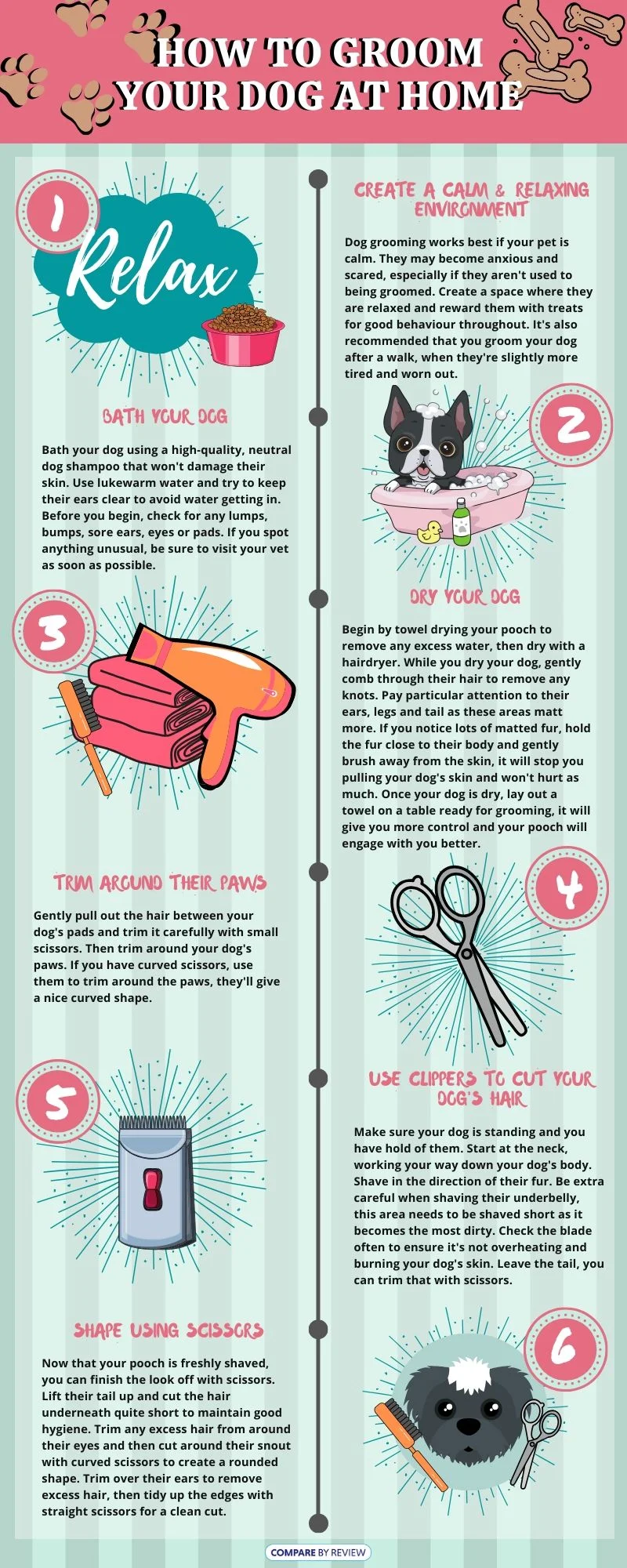
Image Source: www.comparebyreview.com
Grasping Why Dogs Fear Grooming
Why do some dogs dread grooming? It’s often due to new sights, sounds, and feelings. A dog’s past bad grooming times can make them scared. Think about it from their view.
- Strange Tools: Clippers buzz, nail trimmers click, and brushes pull. These tools can feel odd or scary.
- Loud Noises: Hair dryers are loud. Some clippers make a strong hum. These sounds can hurt a dog’s sensitive ears.
- Unfamiliar Touch: Your dog may not like being held in a certain way. They might not like having their paws or tail touched.
- Bad Past Times: A painful nail trim or a rough bath can make a dog fear grooming for good.
- Lack of Practice: Dogs not used to grooming from a young age may find it scary later on.
- Separation Stress: Some dogs get anxious when left with a new groomer.
When your dog shows stress, they are not being bad. They are scared. Look for signs like shaking, panting, trying to hide, or even growling. These are calls for help. Learning these signs is the first step to dog grooming anxiety relief.
Building a Foundation of Trust
Making grooming easy starts long before the first trim. It begins with building trust. Your dog needs to know you are safe. They need to feel calm with your touch. This is key for fearful dog grooming tips.
Gentle Handling From the Start
Start handling your dog early. Touch their paws, ears, tail, and mouth often. Do this even when you are not grooming. Make it a calm, gentle time.
- Daily Touch: Gently touch their ears, paws, and mouth. Give a soft massage.
- Pair with Good Things: As you touch, give a treat. Or use kind words. This teaches them that touch leads to good things.
- Short Times: Keep these touch times very short at first. Build up slowly.
- Happy Feelings: Always end on a good note. Stop before your dog gets upset.
This gentle handling makes your dog feel safe. It builds trust. This trust is the base for all future grooming steps.
The Gradual Approach: Desensitization and Counter-conditioning
This is the most powerful way to calm a scared dog. Gradual grooming introduction means you move very slowly. You show your dog scary things in tiny steps. Desensitize dog to grooming tools by letting them get used to the look, feel, and sound. Counter-conditioning dog grooming fear means you change how your dog feels about grooming. You make them think of good things instead of bad.
Step 1: Making Friends with Grooming Tools
Show your dog the tools one by one. Do not use them yet. Just let your dog see them.
- Show and Tell: Hold up a brush. Let your dog sniff it. Give a treat. Put the brush away.
- Close and Treat: Next, hold the brush closer to your dog. Treat.
- Touch and Treat: Gently touch the brush to your dog’s back. Just a light touch. Treat.
- Sound and Treat: If a tool makes noise (like clippers), turn it on in another room. Keep it low. As it hums, give treats. Slowly bring the sound closer.
This slow start helps your dog get used to each item. They learn that the tools mean treats, not fear. This is how you desensitize dog to grooming tools.
Step 2: Gentle Touch with Tools
Once your dog is okay with seeing and hearing the tools, start brief contact.
- Brush Time:
- Touch the brush to your dog’s fur for one second. Give a treat. Take the brush away.
- Repeat many times. Slowly add more time. Brush a few strokes.
- Praise your dog. Use happy words.
- Nail Trimmers:
- Touch the clippers to one paw. Give a treat.
- Touch one nail. Treat.
- Do one tiny clip. Treat.
- Do not try to do all nails at once. Just one or two at first.
- Clippers:
- Turn them on. Let your dog hear them. Treat.
- Touch the back of the clippers to your dog’s body (not the blade). Treat.
- Turn them on and touch for a second. Treat.
- Slowly work up to actual trimming. Only do a small patch of hair.
Remember, the goal is not to finish the grooming. The goal is to make your dog happy during each step. This is the heart of counter-conditioning dog grooming fear.
Step 3: Making it a Positive Game
Use positive reinforcement grooming techniques all the time. This means you reward your dog for good behavior.
- Treats: Use very tasty treats. Small pieces are best.
- Praise: Use a happy voice. Say “Good dog!”
- Petting: Give gentle pets in places your dog likes.
- Play: A quick game with a favorite toy can be a reward.
Every time your dog stays calm, even for a second, reward them. If they pull away, stop. Give them a break. Start again with an easier step. Never punish them for fear.
Essential Grooming Tools and Their Introduction
Having the right tools helps a lot. It also matters how you bring them into your dog’s world.
Brushes
Choose a brush that fits your dog’s coat type.
- Introduction: Let your dog sniff the brush. Give a treat.
- Practice: Gently brush for a few seconds. Reward calm behavior. Build up time.
Nail Trimmers
There are scissor-type and guillotine-type trimmers. Some dogs prefer a Dremel (grinder).
- Introduction: Show the trimmer. Let your dog sniff. Treat.
- Practice: Touch the trimmer to a paw. Treat. Gently touch a nail. Treat. If using a Dremel, turn it on away from the dog. Treat. Slowly bring it closer.
Clippers
Electric clippers can be noisy. Look for quiet models if your dog is extra sensitive.
- Introduction: Turn clippers on in another room. Treat your dog. Slowly bring the sound closer.
- Practice: With clippers off, touch them to your dog’s body. Treat. Turn them on, hold away from dog, treat. Then, with clippers on, touch the back of them to your dog’s body (not the blade). Treat. Slowly, gently, trim a tiny bit of hair.
Hair Dryers
The noise and sensation can be very scary.
- Introduction: Start with a towel dry. Make it fun.
- Practice: Turn the dryer on low, far away from your dog. Treat. Slowly bring it closer. Direct the cool air (never hot) away from their face at first. Use a happy voice.
Positive Reinforcement: The Key to Success
This cannot be said enough. Positive reinforcement grooming techniques are the path to calm grooming. It’s about making your dog associate grooming with good feelings.
How to Use Positive Reinforcement
- Tiny Steps: Break grooming into the smallest steps.
- Instant Reward: Give a treat the second your dog does something good (even if it’s just staying still for a second).
- High-Value Treats: Use treats your dog loves, like cheese, boiled chicken, or peanut butter.
- Happy Voice: Your tone matters. Use a calm, happy voice.
- Short Sessions: Always keep sessions brief. 5-10 minutes is often plenty. End before your dog gets stressed.
- Never Force: If your dog resists, stop. Forcing them makes things worse. Take a break. Try again later with an easier step.
Using these methods builds a stress-free grooming routine. Your dog will learn that grooming means good things will happen.
Managing Specific Fears
Some parts of grooming are harder than others. Here are fearful dog grooming tips for common problem areas.
Nail Trims
Many dogs hate nail trims. Their quick can be cut, causing pain. This makes them fear the clippers.
- Early Starts: Begin nail trims with puppies. Just touch their paws and nails often.
- Positive Association: Every time you touch a paw or nail, give a treat.
- One Nail at a Time: Don’t try to do all nails at once. Do one nail, give a treat, then stop for the day. Or do one paw. Build up slowly.
- Grinders (Dremels): Some dogs do better with grinders than clippers. The sound can be scary at first. Follow the
desensitize dog to grooming toolssteps for the grinder. - Quick Stop Powder: Have styptic powder ready. If you cut the quick, it will stop the bleeding quickly. This helps reduce panic.
Bath Time
Many dogs do not like baths, especially getting wet or the sound of water.
- Positive Tub Experience: Put treats in the tub. Let your dog eat them while dry.
- Non-Slip Mat: Place a mat in the tub. This makes your dog feel safer.
- Warm Water: Use lukewarm water. Test it first.
- Gentle Flow: Use a gentle stream of water. A handheld sprayer is often best.
- Treats in the Tub: Keep giving treats.
- Short Baths: Keep baths quick.
- Towel Dry First: Towel dry as much as you can before using a dryer.
Blow Drying
The noise and feeling of air can be very scary.
- Low Settings: Use the lowest, coolest setting.
- Distance: Start drying from far away. Slowly move closer.
- Treats and Praise: Give treats as you dry. Speak calmly.
- Avoid Face: Do not aim air directly at their face or ears.
- Breaks: Take breaks often.
Brushing
Even brushing can be tough for dogs with matted fur or sensitive skin.
- Gentle Brushes: Use a soft brush for short-haired dogs. Use a de-shedding tool or slicker brush for long-haired dogs. Always choose one that suits your dog’s coat.
- Remove Mats First: If your dog has mats, gently try to untangle them with your fingers or a mat splitter. If they are too bad, a professional groomer may need to shave them out. Brushing mats hurts.
- Short Times: Brush for short periods, 1-2 minutes.
- Positive End: Always end with a treat and praise.
Muzzle Training for Fearful Grooming
Sometimes, a dog is so scared they might bite. In these cases, a muzzle can keep everyone safe. It is vital to use muzzle training for fearful grooming in a positive way. A muzzle should never be a punishment. It should be a tool for safety.
How to Muzzle Train Positively
- Choose the Right Muzzle: Use a basket muzzle. This type allows your dog to pant, drink, and take treats.
- Introduce the Muzzle: Let your dog sniff the muzzle. Put a high-value treat inside it. Let your dog put their nose in to get the treat. Do not fasten it yet.
- Repeat: Do this many times. Each time, put a treat inside. Your dog learns that the muzzle means good things.
- Short Times: Once your dog willingly puts their nose in, fasten the muzzle for just 1-2 seconds. Give a treat through the muzzle. Take it off.
- Build Up: Slowly increase the time the muzzle is on. Keep giving treats.
- Pair with Grooming: Once your dog is comfortable with the muzzle, put it on before you start a grooming step they fear. Give treats while it’s on.
A muzzle trained positively helps prevent bites. It makes grooming safer for both you and your dog. This can reduce your stress and your dog’s fear. They might realize they can’t bite, so they stop trying.
Calming Aids and Techniques
Besides training, some tools can help ease your dog’s nerves. These calming aids for dog grooming work best when used with positive training. They are not magic fixes.
Calming Products
- Pheromone Sprays/Diffusers: These release dog appeasing pheromones (DAP). These are scents that mothers give off to calm puppies. They can help dogs feel safer. Spray a bandana or their bedding.
- Calming Chews/Supplements: Many contain ingredients like L-Tryptophan or chamomile. Always talk to your vet before giving your dog any supplements.
- Thundershirt/Anxiety Wraps: These provide gentle, constant pressure. This can have a calming effect, like swaddling a baby. Try it on your dog before grooming time.
- Calming Music: There is music made specifically for dogs. Playing soft, slow music can help.
- CBD Oil: Some owners use CBD oil. Always discuss this with your vet. Make sure it’s from a trusted source.
Calming Techniques
- Quiet Space: Groom your dog in a quiet room. Turn off loud TVs or music (unless it’s calming dog music).
- Gentle Massage: Before grooming, give your dog a gentle massage. Focus on areas they enjoy.
- Mental Exercise: Give your dog a puzzle toy or a long-lasting chew before grooming. A tired dog is often a calmer dog.
- Consistency: Stick to a routine. Dogs like knowing what to expect.
Table of Calming Aids and Their Uses:
| Calming Aid | How it Works | Best Use |
|---|---|---|
| Pheromone Sprays/Diffusers | Mimics natural calming scent. | Before grooming, in grooming area, on bandana. |
| Calming Chews/Supplements | Natural ingredients help relax. | Give 30-60 mins before grooming (vet check). |
| Thundershirt/Anxiety Wrap | Gentle pressure helps soothe nerves. | Put on before grooming session. |
| Calming Music (for dogs) | Slow tempo and specific frequencies reduce stress. | Play during grooming. |
| CBD Oil (Vet approved) | May help reduce anxiety. | Discuss dose and use with your vet. |
| Lick Mat with Peanut Butter | Distraction and soothing licking action. | During grooming (e.g., bath time). |
When to Seek Professional Help
Even with the best at-home efforts, some dogs need more help. This is true for dogs with severe fear or aggression during grooming. Do not feel bad if you need help. This is a sign of a good owner.
Signs You May Need a Pro
- Extreme Panic: Your dog tries to escape, shakes violently, or loses control of their bladder/bowels.
- Aggression: Growling, snapping, or biting that you cannot manage safely.
- No Progress: You have tried positive training for weeks or months, but your dog is still terrified.
- Safety Concerns: You cannot safely groom your dog without risk to yourself or them.
Professional Dog Groomer Anxiety Tips
If you need a professional groomer, choose wisely.
- Look for Fear-Free or Certified Groomers: Some groomers have special training in handling anxious dogs. Ask about their methods. Do they use force or patience?
- Talk to Them First: Explain your dog’s fears. Ask how they handle dogs who are scared. A good groomer will listen.
- Start with a Meet-and-Greet: Let your dog visit the groomer for a short, happy time. No grooming, just treats and praise.
- Short Sessions: Ask the groomer to do very short sessions at first. Maybe just a bath, or just nails.
- Communicate: Tell the groomer what works for your dog. Tell them what makes your dog scared.
Veterinary or Behaviorist Help
For very fearful dogs, a vet or certified veterinary behaviorist can help.
- Vet Check: Rule out pain. Sometimes, a dog acts out because grooming hurts.
- Anti-Anxiety Meds: A vet may prescribe medicine to help with anxiety. These are not a magic bullet. They are a tool to help your dog relax enough for training to work.
- Behaviorist Guidance: A certified behaviorist can give you a clear plan. They can teach you new ways to help your dog. This might involve
professional dog groomer anxiety tipsfrom their perspective.
Remember, getting help is a strong choice. It shows you care deeply about your dog’s well-being.
Creating a Stress-Free Grooming Routine
Pulling it all together into a stress-free grooming routine is key. Consistency, patience, and positive feelings are your best tools.
Key Steps for Your Routine
- Start Early: Begin grooming practice when your dog is a puppy.
- Keep it Regular: Groom your dog often. Short, frequent sessions are better than long, rare ones. For example, brush every other day, trim nails once a week, bath every 4-6 weeks.
- Choose the Right Time: Groom when your dog is calm and tired. After a long walk or play time is often good.
- Quiet Space: Use a calm, safe place for grooming. Reduce noise and distractions.
- Gather Supplies: Have everything ready before you start. Treats, tools, towels.
- Positive Start: Start with happy words and gentle pets.
- Short Sessions: Work in 5-10 minute bursts. End before your dog gets anxious.
- Generous Rewards: Give high-value treats and praise throughout. Always end on a good note.
- Never Force: If your dog shows fear, stop. Take a break. Try an easier step later.
- Be Patient: It takes time. Some dogs take weeks or months to get comfortable. Do not give up. Celebrate small wins.
By following these steps, you will slowly change your dog’s view of grooming. What was once scary will become a normal, even pleasant, part of their life. Your patience and love will make all the difference.
Frequently Asked Questions (FAQ)
Q1: How often should I groom my dog?
A: This depends on your dog’s breed and coat type. Most dogs need brushing a few times a week. Nails usually need trimming every 2-4 weeks. Baths can be every 4-8 weeks, or as needed if they get dirty. Dogs with long or curly hair need more frequent grooming. This might include daily brushing or professional trims every 6-8 weeks.
Q2: Can I groom a puppy?
A: Yes, you absolutely should! Start grooming your puppy as soon as you bring them home. Use gentle handling, touch their paws, ears, and mouth often. Introduce brushes and nail trimmers slowly with lots of treats. These early, positive experiences are key to preventing grooming fears later in life.
Q3: What if my dog bites during grooming?
A: If your dog tries to bite, stop grooming right away. Your dog is very scared. Do not scold them. For your safety, consider muzzle training for fearful grooming using positive steps. This will make future sessions safer. For severe biting, seek help from a certified behaviorist or your vet. They can help you make a plan.
Q4: Is it better to groom at home or go to a professional?
A: Both have benefits.
* At home: You can go at your dog’s pace. It’s often less stressful for the dog if done right. It builds trust between you and your dog.
* Professional groomer: They have special tools and skills. They can do complex cuts or handle very matted coats. They can manage some fears.
For many dogs, a mix works best. You do daily brushing and simple trims at home. A professional can handle baths, full haircuts, or tricky nail trims every few months. If your dog is very fearful, a good professional groomer specializing in anxious dogs can be a great help.
Q5: My dog hates the blow dryer. What can I do?
A: Many dogs fear the loud noise and blowing air of dryers. Start by letting your dog hear the dryer on low from a distance. Give treats. Slowly bring it closer. Never point it at their face. Use the lowest, coolest setting. Use a towel to get them as dry as possible first. You can also use a happy hooded dryer that covers their ears, reducing noise. Lots of treats and praise are key.
Conclusion
Calming your dog for grooming takes time and effort. But it is a gift you give your dog. It means fewer stressful trips to the groomer. It means a happier, healthier pet. By using a slow, gentle approach, rewarding good behavior, and building trust, you can turn grooming into a positive time. Remember, your dog’s comfort and safety come first. With patience and love, you can create stress-free grooming sessions for years to come.