
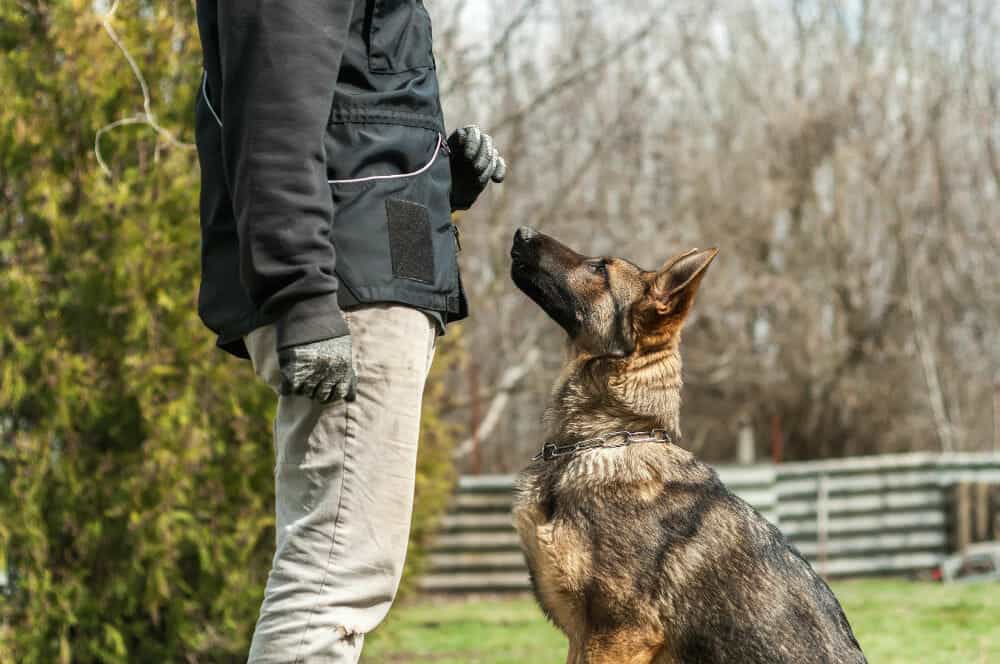
Image Source: scottsk9.com
Your Path: How To Become A Protection Dog Trainer Today!
So, you want to train dogs for protection? What is a protection dog trainer? A protection dog trainer teaches dogs to guard people, places, or things. They help dogs learn to protect their handlers safely and effectively. Can I become a protection dog trainer? Yes, you can! This path is open to people who love dogs and want to work hard. Who is a protection dog trainer suited for? This job is perfect for people who are patient, disciplined, and dedicated. You must also be ready to learn deeply about dog behavior. If you like working with animals and see their potential, this career might be for you. Many people start by looking into K9 handler training programs. These programs give you a strong start.
Becoming a protection dog trainer is more than just teaching a dog tricks. It is about building a powerful bond based on trust and clear rules. It means shaping a dog into a reliable protector. This role is serious. It needs much knowledge and skill. You will work with strong dogs and complex behaviors. Your goal is to make a dog a safe and effective guardian. This guide will show you how to start your journey.
The Special Role of a Protection Dog Trainer
A protection dog trainer does a very special job. You teach dogs to defend. This is different from training a family pet. Pet trainers teach basic manners. Protection trainers teach high-level skills. They train dogs to respond to threats. This takes deep knowledge of dogs. You must know how dogs think and act.
Defining the Trainer’s Purpose
Your main job is to teach control. A protection dog must know when to act and when to stop. This is key. The dog must only protect when told to. It must also stop when told to. This keeps everyone safe. You teach a dog to be a protector. You also teach it to be a good family member. This balance is hard but vital.
Crucial Skills Needed
To do this work well, you need many skills. You must be good with dogs. You also need to be good with people. You will teach dog owners how to work with their strong dogs.
- Patience: Dogs learn at different speeds. You need to be patient.
- Focus: Training needs your full attention. Small details matter a lot.
- Clear Communication: Dogs learn from clear signals. You must give them well.
- Observation: You must see small changes in a dog’s behavior. This tells you how they feel.
- Problem-Solving: Dogs sometimes hit walls in training. You must find ways around them.
- Physical Fitness: This work can be active. You will move a lot.
- Leadership: You must be the clear leader for the dog. The dog needs to trust your lead.
- Ethical Mindset: You must train dogs humanely. Their well-being comes first.
Think of yourself as a canine behavior modification expert. You change how a dog acts. You make good behaviors strong and bad ones weak. This takes great skill and care.
Building Your Skills: Essential Training Areas
To become a top protection dog trainer, you must learn many things. These areas build on each other.
Foundations in Obedience
Every good protection dog starts with perfect obedience. An advanced dog obedience specialist knows this well. Without strong obedience, a protection dog is a danger. It must listen to every command.
- Basic Commands: “Sit,” “stay,” “come,” “down,” “heel” are not enough. They must be perfect.
- Advanced Commands: Dogs learn to “place,” “speak,” “quiet,” “back up.” They learn to work off-leash in busy places.
- Distraction Training: Dogs must obey even when there are loud noises or other dogs. This builds focus.
- Proofing: This means making sure the dog obeys no matter what. You train in new places with new people.
Obedience is the bedrock. It allows you to control a powerful dog. This control ensures safety for all.
Grasping Canine Psychology and Behavior
You cannot train a dog if you do not know how it thinks. You need to know dog body language. You must learn their drives.
- Drives: Dogs have natural urges. These include prey drive, defense drive, and play drive. Protection training uses these drives. You learn to direct them.
- Motivation: What makes a dog work? Food, toys, praise? You find what motivates each dog.
- Learning Theory: How do dogs learn? You learn about positive reinforcement, corrections, and timing.
- Stress Signals: Dogs show stress in many ways. You must see these signs. This helps you avoid putting too much pressure on them.
- Breed Traits: Different dog breeds act differently. You must know common traits for protection breeds like German Shepherds or Malinois.
Being a canine behavior modification expert means you can read a dog. You can understand what makes it tick. This skill is priceless.
Mastering Bite Work and Decoy Skills
This part is what many people think of when they hear “protection dog.” It is teaching a dog to bite a padded sleeve or suit. It is also teaching them when to bite and when not to.
- Bite Work Instructor Certification: Many trainers get this. It shows they know how to teach bite work safely.
- Decoy Training Skills: As a trainer, you might also act as the “bad guy.” The decoy wears protective gear. They help the dog learn to engage. This takes skill and bravery. You must know how to move and act to get the right response from the dog.
- Safe Engagement: You teach the dog to target specific areas of the body. You teach a full, firm grip.
- Out/Release Command: This is perhaps the most important part. The dog must release the bite on command. This shows true control.
Bite work is not about making a dog mean. It is about control and precision. It is about using a dog’s natural defense drives in a controlled way.
Managing Dog Aggression
Sometimes, dogs show aggression. This might be fear, territorial, or resource guarding. Dog aggression management courses help you handle these issues. This is different from teaching bite work. Bite work is controlled, trained defense. Aggression management is fixing unwanted aggressive displays.
- Identifying Causes: Why is a dog aggressive? You find the root cause.
- Safe Handling: You learn to work with aggressive dogs without harm.
- Behavior Change Plans: You make plans to change aggressive behaviors. This might involve counter-conditioning or desensitization.
- Client Education: You teach owners how to manage their dog’s aggression.
This skill is crucial. It helps you assess if a dog is suitable for protection work. It also helps you fix problems in dogs that are already training.
Exploring Schutzhund Training Techniques
Schutzhund is a German word meaning “protection dog.” It is a dog sport. It tests dogs in three phases: tracking, obedience, and protection. Learning Schutzhund training techniques is very useful for protection trainers. Even if you do not do the sport, the methods are valuable.
- Phases: You learn how each phase builds a well-rounded dog.
- Score Sheets: You learn how dogs are judged. This teaches precision.
- History: Schutzhund began as a breed test for German Shepherds. It shows good working traits.
- Discipline: Schutzhund demands high discipline from the dog and the handler.
Many top protection trainers use Schutzhund methods. They are proven to build strong, disciplined working dogs.
Formal Education and Certification
You can learn much on your own, but formal education helps a lot. It gives you a strong base of knowledge. It also provides credentials.
Benefits of Structured Learning
- Expert Teachers: You learn from people who have done this for years.
- Complete Curriculum: Programs cover all you need to know. You won’t miss key parts.
- Hands-on Practice: Most programs offer lots of time working with dogs.
- Networking: You meet other trainers and build connections.
- Credential: A certificate or degree adds trust. It shows you are serious.
Types of Programs and Academies
Many places offer K9 handler training programs. These can range from short courses to longer programs.
- Vocational Schools: Some schools focus only on dog training. They offer intense, practical programs.
- Canine Security Training Academies: These places often train dogs for police or security work. They also teach civilians.
- Online Courses: Some parts can be learned online, like theory. But hands-on training is vital.
- Apprenticeships: Learning directly from a master trainer is very valuable. This is like an informal school.
When choosing a program, look at:
* Reputation: What do past students say?
* Instructors: Who teaches the classes? Do they have real-world experience?
* Curriculum: Does it cover all the important areas?
* Practical Time: How much time will you spend actually training dogs?
Gaining Certifications
Certifications show your skill. They build trust with clients. Some certifications are general dog training. Others are specific to protection work.
- Basic Dog Trainer Certs: These show you know how to teach basic obedience. Examples include CPDT-KA.
- Bite Work Instructor Certs: As mentioned, these are key for protection. They show you can safely teach bite work.
- Decoy Certifications: These prove your skill in being the “bad guy” in training.
- Sport-Specific Certs: If you focus on Schutzhund, you might get certifications within that sport.
Certifications are not always required by law. But they make you more attractive to clients. They show your commitment to the field.
Hands-On Experience: The Practical Side
Learning from books is one thing. Doing it is another. You need to get your hands dirty.
The Power of Apprenticeships
An apprenticeship means working under an experienced trainer. You learn by watching and doing. This is often the best way to learn.
- Shadowing: You watch the master trainer at work. You see how they handle different dogs and problems.
- Assisting: You help with training sessions. You might hold a dog, set up gear, or clean kennels.
- Direct Coaching: The trainer gives you tasks. They watch you. They give you feedback.
- Problem-Solving: You see real training problems. You learn how to fix them.
Find a trainer whose methods you admire. Ask if they take apprentices. Be ready to work hard for little or no pay at first. The learning is your payment.
Working with Diverse Dogs
You will not just train one type of dog. You will work with many breeds, ages, and temperaments. Each dog is different.
- Breed Variety: Learn how different breeds learn. A Malinois learns differently from a Rottweiler.
- Age Groups: Puppies, young adults, and older dogs all need different training styles.
- Temperament: Some dogs are confident. Some are shy. Some are very driven. You must adapt.
- Problem Dogs: You will work with dogs that have issues. This teaches you patience and problem-solving.
The more dogs you train, the better you become.
Niche Specializations and Advanced Disciplines
Protection dog training has different paths. You can pick one area to focus on.
Sport Protection (Schutzhund/IGP)
This is a popular path. Schutzhund (now called IGP in some places) is a test for working dogs. Dogs compete in tracking, obedience, and protection phases.
- Focus: Training dogs to high-level competition standards.
- Benefits: It shows very precise control and a strong bond. It is a great way to show skill.
- Community: There is a strong community of sport trainers. You can learn a lot from them.
Many protection trainers start in sport. It builds a solid foundation.
Personal Protection Dogs
These dogs protect individuals or families. They live in homes. They are part of the family.
- Focus: Teaching dogs to protect their owners in daily life. This means handling real-world threats.
- Temperament: These dogs must be calm and stable. They must be safe around children and guests.
- Client Education: You teach the family how to handle and work with their protection dog. This is a big part of the job.
This is a highly sought-after skill. People pay well for a well-trained personal protection dog.
Executive Protection Dogs
These dogs protect high-profile people. They might travel a lot. They need to be very adaptable.
- Focus: Training dogs for complex, high-risk situations. This might include car protection, property searches, or crowd control.
- Travel Readiness: Dogs must be calm in airports, hotels, and new places.
- Teamwork: You often work with human security teams. The dog is one part of a bigger plan.
This is a very advanced and specialized area. It needs top-tier training.
Police/Military K9 Training
This is another high-level area. These dogs work with law enforcement or military groups.
- Focus: Training dogs for specific tasks. This includes tracking, patrol, detection (drugs, bombs), and apprehension.
- Handler Specific: You often train the K9 handler as much as the dog.
- Rigorous Standards: Training is very strict. Dogs must pass many tests.
If you want to work with police or military, you might need to join the force first. Or you might work for a specialized canine security training academy that contracts with them.
The Business Side: Making a Career
Once you have the skills, you need to make a living. This means running a business.
Crafting Your Personal Protection Dog Business Plan
A business plan is like a map. It shows you where you are going.
- Services: What will you offer? Basic obedience? Personal protection? Board-and-train?
- Target Market: Who are your clients? Families? Business owners? Law enforcement?
- Pricing: How much will you charge? Research what others charge in your area.
- Marketing: How will people find you? Website? Social media? Referrals?
- Location: Will you work from home? Rent a kennel? Go to clients’ homes?
- Legal Needs: What licenses do you need? Insurance?
- Start-up Costs: How much money do you need to begin? Equipment? Marketing?
Think about these things carefully. A solid plan helps you succeed.
Marketing Yourself and Your Services
People need to know you exist. They need to trust you.
- Website: Have a professional website. Show your skills, your dogs, and your success stories.
- Social Media: Use platforms like Instagram and Facebook. Share videos of your training. Show happy dogs.
- Testimonials: Ask happy clients to write reviews. Good reviews build trust.
- Networking: Go to dog events. Meet other trainers and dog owners.
- Referrals: Word-of-mouth is powerful. Do good work, and people will tell others.
- Online Ads: Consider paid ads if you have a budget.
Showcase your expertise. Let people know why you are the best choice.
Setting Your Prices
Pricing can be tricky. You need to charge enough to live. But you also need to be fair.
- Research: Find out what other protection trainers charge in your area.
- Value: What unique value do you offer? Your experience? Special methods?
- Cost of Doing Business: Think about your time, gas, equipment, and insurance.
- Package Deals: Offer different training packages. This gives clients choices.
- Hourly vs. Per-Project: Decide if you charge by the hour or for the whole training program. Many trainers charge per program for protection dogs.
A working dog trainer salary can vary greatly. Some new trainers might make less. Experienced, well-known trainers can make a good living. It depends on your skill, location, and how hard you market yourself. It can range from $40,000 to over $100,000 per year for established trainers. Specialized police or military K9 trainers might earn more.
Legal Considerations
Training protection dogs comes with risks. You need to protect yourself and your business.
- Insurance: Get liability insurance. This protects you if a dog gets hurt or hurts someone during training.
- Contracts: Use clear contracts with clients. Outline what you will do. Explain client duties.
- Local Laws: Check local laws about dog training. Some areas have rules about dog businesses.
- Safety Protocols: Have strict safety rules for all training. This protects dogs, people, and you.
Do not skip these steps. They keep you safe legally and financially.
Continuing Your Education and Growth
The world of dog training changes. New methods appear. You must keep learning.
Attending Seminars and Workshops
These are great ways to learn new things. Experts share their knowledge.
- New Techniques: Learn fresh ways to train.
- Specific Topics: Focus on areas like advanced bite work, scent detection, or aggression.
- Networking: Meet other trainers and share ideas.
- Troubleshooting: Get help with tough cases you are facing.
Make it a habit to go to at least one or two events each year.
Staying Current with Techniques
Read books. Follow online groups. Watch videos from top trainers. The goal is to always improve.
- Research: Look for studies on dog behavior.
- Observe Others: Watch how other good trainers work.
- Practice: Try new things with your own dogs or willing clients.
- Self-Reflect: Think about what works and what does not. Always try to do better.
Never think you know everything. The best trainers are always students.
Building Your Professional Network
Connect with other people in the dog world.
- Other Trainers: They can be a source of referrals. They can offer advice.
- Veterinarians: Build good relationships. They can refer clients to you.
- Breeders: Good breeders can be a source of future protection dogs.
- Equipment Suppliers: Stay in touch with people who make training gear.
- Local Clubs: Join Schutzhund clubs or obedience groups.
A strong network helps your business grow. It also gives you support.
Challenges and Rewards
This job is not always easy. But it is very rewarding.
The Hard Work and Dedication
- Long Hours: Training can take many hours. Dogs do not learn on a 9-to-5 schedule.
- Physical Demands: You will be active. You might be outside in all weather.
- Emotional Toll: Working with difficult dogs can be tiring.
- Patience is Key: You will face frustration. Dogs make mistakes. You must stay calm.
- Safety Risks: Working with strong dogs carries some risk of injury.
Be ready for these things. It takes a tough person to do this job well.
Ethical Obligations
You have a big responsibility.
- Dog Welfare: The dog’s health and happiness must always come first.
- Humane Methods: Use fair and kind training methods. Avoid harsh punishment.
- Client Honesty: Be honest with clients about what is possible. Do not over-promise.
- Suitability: Not every dog is right for protection work. Be honest if a dog is not suited.
- Public Safety: Your training must ensure the dog is safe for the public.
A good protection trainer is an ethical trainer.
The Deep Rewards
Despite the challenges, this job offers huge rewards.
- Strong Bonds: You form deep bonds with the dogs you train.
- Client Success: Seeing a family feel safe because of a dog you trained is amazing.
- Meaningful Work: You provide a real service. You help protect lives.
- Skill Development: You constantly grow and learn.
- Passion into Career: You turn your love for dogs into a fulfilling job.
The feeling of seeing a highly trained dog perform perfectly is priceless. Knowing you helped create that is a great feeling.
Frequently Asked Questions (FAQ)
Q: How long does it take to become a protection dog trainer?
A: It takes a long time. Formal schooling can be 6 months to 2 years. Apprenticeships can take 2-5 years. True mastery takes many years of practice. You never really stop learning.
Q: Do I need a specific breed of dog to start training?
A: Not for your personal learning. You can start with any dog. But for protection work, breeds like German Shepherds, Belgian Malinois, Rottweilers, and Dutch Shepherds are common. They have the right drives and traits.
Q: Is protection dog training cruel?
A: No, when done right, it is not cruel. Good trainers use fair, humane methods. They build on a dog’s natural drives. It is about control and skill, not making a dog mean. The dog’s welfare is always the main concern.
Q: What is the biggest challenge in this career?
A: The biggest challenge is often the people, not the dogs. You need to teach owners how to handle their powerful dogs. Also, dogs can be unpredictable. You must be ready for anything.
Q: Can I train my own dog to be a protection dog?
A: You can learn the basics, but it is best to work with a pro. Protection training is complex and risky. A trained expert can guide you. They ensure safety and proper development.
Q: What is the typical working dog trainer salary?
A: It varies a lot. New trainers might make $40,000-$60,000 per year. Experienced, highly skilled trainers with a good reputation can make $80,000-$150,000 or more. It depends on location, client base, and specialization.
Conclusion
Becoming a protection dog trainer is a demanding but rewarding path. It needs passion, hard work, and a deep love for dogs. You will spend years learning about dog behavior, advanced obedience, and specialized techniques like bite work. You might go through K9 handler training programs or find a mentor. You will learn about personal protection dog business plans and dog aggression management courses. This journey means becoming a canine behavior modification expert and an advanced dog obedience specialist.
If you are ready for the challenge, start your path today. Learn from the best. Practice every day. Build your skills. You can turn your passion into a meaningful career, helping people feel safer and giving dogs a powerful purpose. Your path to becoming a protection dog trainer begins with your first step.