
Many dog owners ask, “How soon can I walk my dog after neutering?” Generally, you should wait about 10 to 14 days before taking your dog for typical walks. In the first 10-14 days after neutering, your dog needs quiet rest to heal. Short, controlled leash walking after neuter surgery is usually only allowed for potty breaks, and you must follow your vet’s specific advice. This period is crucial for your dog’s healing time neuter surgery.
Getting your dog neutered is a common and important procedure for their health and behavior. But what happens afterward? The recovery period needs careful attention, especially when it comes to activity. Rushing back into walks or playtime too soon can cause problems like swelling, bleeding, or stitches coming undone. Knowing what to expect and following your vet’s guidance is key to a smooth dog neutering recovery time. This guide will walk you through the recovery process, focusing on when it’s safe to get your dog moving again.
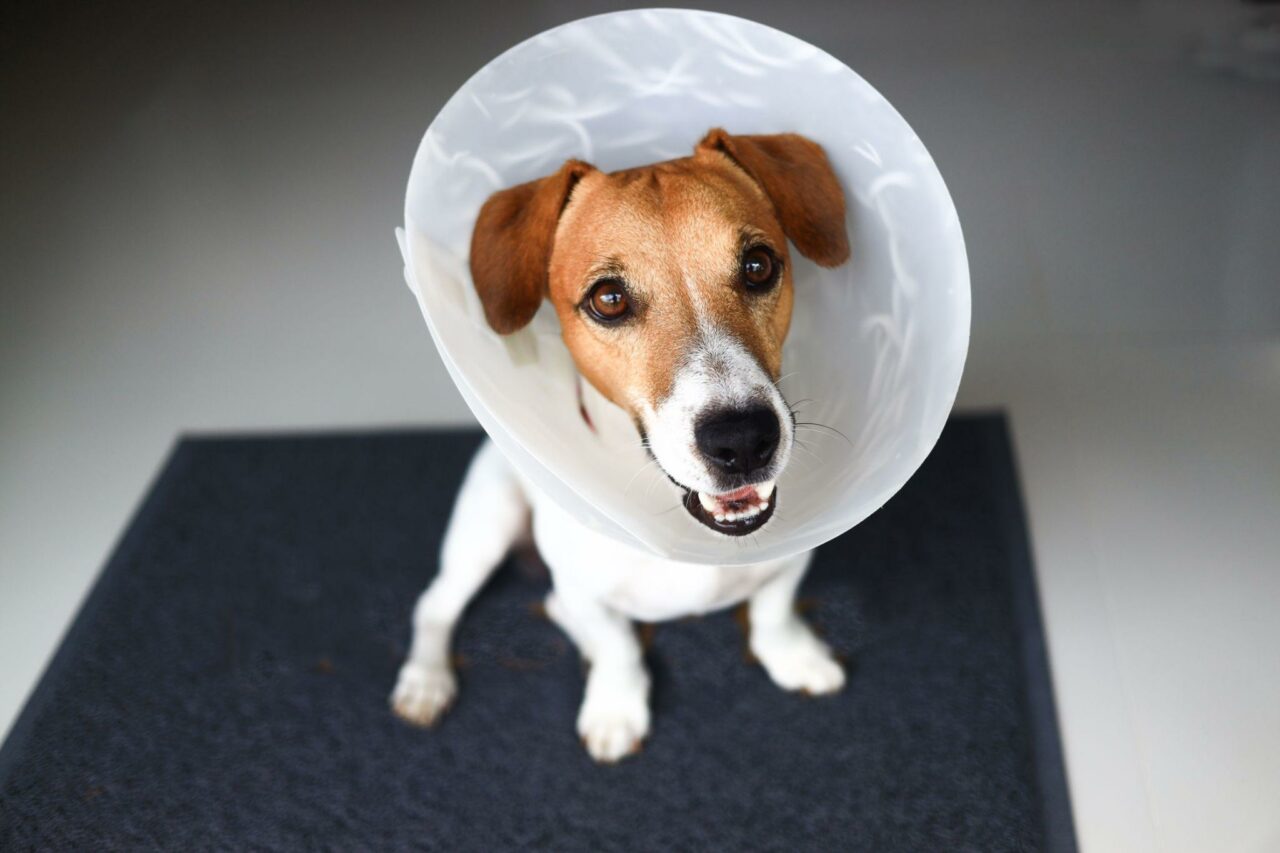
Image Source: parliamentanimalhospital.ca
The Initial Dog Neutering Recovery Time
The first few days after neutering are the most critical for recovery. Your dog will likely be tired and might seem a little sore. They might also be groggy from the anesthesia. This is normal. Your main job during this time is to keep them quiet and comfortable.
Immediate Post-Surgery Dog Care
When you bring your dog home, set them up in a safe, quiet space. This could be a crate, a small room, or a comfy bed away from noise and other pets. This helps with confinement dog neuter recovery, which is vital.
- Offer water: Give them fresh water right away.
- Small meal: Offer a small amount of their regular food later in the day or the next morning, as directed by your vet. Don’t be surprised if they don’t eat much at first.
- Pain medicine: Make sure you give all pain medication exactly as your vet prescribed. This helps keep them comfortable and encourages rest.
- Check the incision: Look at the surgery site daily, but don’t touch it. Check for swelling, redness, discharge, or if the stitches look open. We will talk more about signs of infection after neutering later.
- Prevent licking: Your vet will likely send your dog home with an E-collar (the cone) or a recovery suit. It’s very important your dog wears this at all times to stop them from licking or chewing the incision. Licking can cause infection or open the wound.
Why Rest is Everything After Neutering
Think of neutering as a minor surgery for us. We need to rest and let our bodies heal. Dogs are the same. The internal tissues and the skin incision need time to mend properly. Too much activity, like running, jumping, or even long walks, puts stress on the surgery site.
Avoiding Complications Through Activity Restriction Dog Neuter
Resting helps prevent serious problems. These can include:
- Swelling: Movement can increase blood flow and cause swelling around the incision.
- Bleeding: Stitches can break, or blood vessels can reopen with too much activity, leading to bleeding.
- Infection: If the incision opens or gets irritated from movement or licking, bacteria can get in.
- Seroma: This is a pocket of fluid that can form under the skin due to too much activity or swelling. It usually goes away on its own but needs vet attention.
- Dehiscence: This is when the surgical wound splits open. It’s a serious complication that needs immediate vet care and possibly another surgery.
This is why activity restriction dog neuter is non-negotiable in the first week or two. It’s the best way to ensure a smooth healing time neuter surgery.
The Purpose of Leash Walking After Neuter
So, if your dog can’t go for regular walks, how do they go to the bathroom? This is where short, controlled leash walking after neuter comes in.
Potty Breaks Only
In the first 10-14 days, walks are strictly for going potty. Keep them very short.
- On a leash: Your dog must be on a leash every single time they go outside. Even if you have a fenced yard, they could suddenly decide to run, jump, or chase something. The leash gives you control.
- Straight out and back: Go straight to their potty spot. Wait for them to finish. Then go straight back inside. No sniffing around, no playing, no meeting other dogs.
- Keep it calm: Walk slowly. If your dog tries to pull or bounce, stop until they are calm.
- Duration: These potty breaks should only last 5-10 minutes at most in the early days.
This controlled leash walking after neuter is the only approved outdoor activity during the main dog neutering recovery time.
A Typical Dog Neutering Recovery Time Timeline
Every dog heals differently, but here is a general timeline. Always remember that veterinary guidelines neutering recovery are the most important ones to follow for your specific dog.
Week 1: Maximum Rest
- Days 1-3: Your dog will be sleepy. Pain meds are crucial. Keep them confined and comfortable. Only go outside on a short leash for potty breaks. Check the incision daily. Wear the E-collar or suit non-stop. No stairs, no jumping, no playing.
- Days 4-7: Your dog might start feeling better and want to be more active. This is when you need to be most careful with activity restriction dog neuter. They might seem fine, but the internal healing is still happening. Continue strict confinement and short, leashed potty breaks only. Keep the E-collar on.
Week 2: Continued Caution
- Days 8-14: The external incision should look much better. There might be some minor swelling or bruising, which can be normal, but report anything concerning to your vet. Your dog will definitely feel more energetic now. You still need to limit activity. Continue with short, leashed potty breaks. You might be able to start very short, slow walks (5-10 minutes) on a leash on flat ground, only if your vet says it’s okay and the incision looks perfect. Absolutely no running, jumping, rough play, or off-leash time. The E-collar is still needed if they show any interest in the incision.
Week 3-4: Gradual Return to Exercise After Neutering
- Around Day 14: This is usually the target date for stitches to be healed enough for slightly more activity. Your vet might want to check the incision. If everything looks good, you can slowly start increasing the length of your walks.
- How to increase: Start with 10-minute walks. If that goes well for a couple of days with no issues at the incision site (no swelling, redness, or pain), you can increase to 15 minutes. Gradually add a few minutes every couple of days.
- Still controlled: All walks should still be on a leash. Avoid dog parks, rough terrain, or playing fetch during this phase. The focus is on controlled movement.
After Week 4: More Normal Activity
- Beyond 4 weeks: Most dogs can return to their normal exercise after neutering routines around 4-6 weeks after surgery, provided there were no complications and your vet gives the okay. This includes running, jumping, and playing.
This timeline is a general guide. Always get specific instructions from your vet based on your dog’s individual healing process. Their veterinary guidelines neutering recovery are tailored to your pet.
Recognizing Signs of Infection After Neutering or Other Problems
It is very important to watch the surgical site closely. Knowing what is normal and what is not can help you catch problems early.
What to Look For
Contact your vet right away if you see any of these signs of infection after neutering or other healing problems:
- Excessive Redness: A little redness is normal, but if it’s bright red, spreading, or feels hot to the touch, it could be an infection.
- Significant Swelling: Some mild swelling is expected, but large, firm, or painful swelling is not normal. This could be a seroma or other complication.
- Discharge: Any pus (yellow, green, or white thick liquid) or bad smell coming from the incision is a sign of infection. A tiny bit of clear or pinkish fluid might be okay in the first day, but check with your vet if you are unsure.
- Open Incision: If the edges of the wound are pulling apart, or stitches are missing or broken, the wound is open. This needs immediate vet attention.
- Bleeding: More than a few drops of blood is not normal after the first day. Any continuous bleeding needs vet care.
- Pain: If your dog seems very painful, cries when you look at the incision, or is reluctant to move even for potty breaks, their pain might not be managed well or there could be an issue at the site.
- Lethargy: While some tiredness is normal initially, extreme weakness, not wanting to lift their head, or not responding to you could signal a problem.
- Lack of Appetite: It’s okay if they don’t eat much the first day, but not eating for more than 24-48 hours can be a concern.
- Fever: If your dog feels unusually warm or acts sick, they might have a fever, a sign of infection.
- Refusal to wear E-collar: If they are obsessively trying to get the cone off and getting very stressed, talk to your vet. But do not just take it off, as licking is a major cause of complications.
It is better to call your vet and ask a question than to wait. They can tell you if what you are seeing is normal for healing time neuter surgery.
Managing Confinement Dog Neuter Recovery
Keeping an active dog quiet for two weeks or more can be challenging. Confinement dog neuter recovery is essential, but it requires planning.
Tips for Successful Confinement
- Crate Training: If your dog is crate trained, the crate is an ideal place for recovery. Make it comfortable with soft bedding and toys.
- Small Room: If your dog isn’t crate trained, a small, easy-to-clean room (like a laundry room or bathroom) can work. Remove anything they could jump on or get into trouble with.
- Baby Gates: Use baby gates to block off stairs or restrict access to certain parts of the house.
- Keep them entertained: Provide puzzle toys, KONGs filled with frozen food, or safe chew toys to keep their minds busy. This helps them stay calm and reduces boredom that can lead to wanting to be active.
- Mental Stimulation: Practice calm obedience cues or teach new, low-energy tricks that don’t require movement. Snuffle mats can also provide mental work.
- Your Company: Spend quiet time with your dog in their recovery space. Pet them gently, read to them. Your presence can be very calming.
- Avoid Excitement: Try to prevent situations that make your dog excited – seeing visitors, other pets they want to play with, or deliveries at the door.
Remember, this period of confinement dog neuter recovery is temporary but vital for proper healing time neuter surgery.
The Gradual Return to Exercise After Neutering
Once your vet gives the green light, you can start bringing back exercise slowly. This is not a race.
Slow Steps Back to Activity
- Week 3-4 (or when vet says okay): Start with short, easy walks on flat ground. 10-15 minutes is a good starting point. Watch for any swelling or signs of discomfort afterward.
- Increase Gradually: If the short walks go well for a few days, slowly increase the time by 5-10 minutes every few days.
- Add Variety (later): Once you are back to your normal walk length (perhaps around week 4-5, if vet approved), you can gradually introduce gentle slopes or slightly more varied terrain. Still avoid running or jumping.
- Reintroduce Play (much later): Full, unrestricted play, running, and jumping (like fetch, dog parks, rough housing) should typically wait until at least 4-6 weeks post-surgery, and only with your vet’s explicit permission.
Pushing too hard, too fast, can set back the dog neutering recovery time and potentially lead to complications.
When Can Dog Run After Neutering?
This is a key question for owners of energetic dogs. The direct answer is: not for at least 4-6 weeks after surgery, and only after a gradual return to activity and with your vet’s approval.
Why Wait to Run and Jump?
Running, jumping, and sudden stops put significant strain on the abdominal muscles and the surgical site. Even if the external incision looks healed, the deeper tissues are still strengthening. Letting a dog run or jump too early drastically increases the risk of:
- Opening the incision
- Causing internal bleeding
- Forming a large seroma
- Developing a hernia (where internal organs push through weakened muscles)
Waiting until the full healing time neuter surgery is complete and confirmed by your vet is the safest approach. Your vet will evaluate the incision and muscle wall healing before clearing your dog for strenuous exercise after neutering.
The Importance of Veterinary Guidelines Neutering Recovery
We have mentioned it many times, but it cannot be stressed enough: always follow your vet’s specific instructions.
Why Your Vet Knows Best
- Individual Assessment: Your vet performed the surgery or knows the details. They know your dog’s age, breed, general health, and how the surgery went.
- Specific Instructions: They will give you exact instructions on medication timing, incision care, and, crucially, activity restriction dog neuter.
- Checking Progress: They might want to see your dog for a check-up to look at the incision and judge the internal healing time neuter surgery.
- Troubleshooting: If you see any signs of infection after neutering or have other concerns, they are the experts to contact immediately.
Do not rely solely on online guides or advice from friends. While this article gives general information, your vet’s veterinary guidelines neutering recovery are tailored to your pet’s needs.
Healing Time Neuter Surgery: What’s Happening Inside
The external incision is just one part of the healing process. Inside, where the spermatic cords were cut and tied off, the tissues are also healing. This internal healing takes longer than the skin to gain full strength.
The Internal Process
- Inflammation Phase (Days 0-5): The body starts cleaning up the surgical site and forming a blood clot. There will be swelling and maybe bruising.
- Proliferation Phase (Days 5-21): New tissue starts to form. Collagen is laid down to build strength. The incision edges pull together. This is when the wound starts to look “closed” on the outside.
- Maturation Phase (Day 21 onwards): The new tissue matures and gains strength. This process can continue for several months, though the critical period for major complications from activity usually passes by 4-6 weeks.
This internal healing is why activity restriction dog neuter is so important even after the stitches are out or dissolved and the outside looks fine. The internal site is still vulnerable.
A Post-Surgery Dog Care Checklist
To make sure you have everything covered during the dog neutering recovery time, use this checklist:
- Have a safe, quiet recovery space ready. (Crate, small room)
- Have an E-collar or recovery suit. Use it at all times.
- Know the medication schedule. Give pain meds and any other prescribed drugs exactly as directed.
- Have your vet’s phone number handy.
- Plan for strict confinement. No running, jumping, stairs, rough play, off-leash time.
- Prepare for leashed potty breaks only.
- Know what the incision should look like.
- Know the signs of infection after neutering and other problems.
- Have puzzle toys or chews for mental stimulation.
- Plan for quiet time together.
- Have appropriate food. Start with small amounts.
- Know when your vet wants to see your dog for a check-up.
- Understand the timeline for gradually increasing exercise after neutering**.
- Do not allow running or vigorous play until at least 4-6 weeks post-op and your vet says okay.
Following this post-surgery dog care checklist will greatly help your dog’s healing time neuter surgery.
Frequently Asked Questions (FAQs)
Here are some common questions people ask about their dog’s recovery after neutering:
Can my dog go up and down stairs after neutering?
No, stairs should be avoided completely for at least the first 10-14 days, and used minimally or with help (like carrying smaller dogs) for several weeks after that. Stairs require significant effort and put stress on the abdominal muscles near the incision. This is part of strict activity restriction dog neuter.
My dog licked their incision. What should I do?
First, put the E-collar or recovery suit back on immediately to prevent more licking. Then, check the incision. If it looks fine (not open, not bleeding), contact your vet to let them know. If it looks open, is bleeding, or shows signs of infection after neutering, call your vet right away as this is an emergency. Licking is the main reason for the E-collar – it prevents serious issues.
How long does the swelling last after neutering?
Some mild swelling is normal for a few days. It should gradually decrease over the first week or two. If the swelling is large, increasing, firm, painful, or doesn’t go down, it could be a seroma or other problem. Contact your vet to have it checked.
My dog doesn’t want to wear the cone. Can I take it off?
No, do not take off the E-collar (cone) unless your vet says you can. Licking or chewing at the incision is the fastest way to cause infection or open the wound, which leads to more pain, more cost, and a much longer dog neutering recovery time. Keep it on 24/7 for the full time your vet recommends, which is usually 10-14 days. Some dogs need it longer.
When can my dog play with other dogs again?
Rough play with other dogs should be avoided until your vet gives the all-clear, which is usually around 4-6 weeks after surgery. Play involves running, jumping, and body slams, all of which can damage the healing tissues. This falls under when can dog run after neutering, and the same waiting period applies.
How long does the pain last?
Your vet will send you home with pain medication. Give this medicine exactly as directed. Most dogs are past the worst pain in 2-3 days, but they will still be sore. The pain medication helps keep them comfortable during the crucial healing time neuter surgery. If your dog still seems to be in significant pain even with medicine, contact your vet.
My dog is acting hyper after neutering. Is that normal?
Some dogs bounce back quickly and feel energetic even before they are fully healed. This is where confinement dog neuter recovery becomes challenging but absolutely necessary. Their energy level does not mean they are healed. You must strictly enforce rest and activity restriction dog neuter to prevent complications.
Can I bathe my dog after neutering?
No, do not bathe your dog until the incision is completely healed and your vet says it is safe. This is usually around 10-14 days, but it might be longer. Getting the incision wet can increase the risk of infection.
My dog has dissolvable stitches. Do they need to be removed?
No, dissolvable stitches do not need to be removed. They will break down and be absorbed by the body over time, usually within a few weeks. Your vet may still want to check the incision even with dissolvable stitches to make sure it is healing properly.
What if I see bruising around the incision?
Some bruising around the incision area can be normal, especially in the first few days. It might spread a little due to gravity. If the bruising is extensive, very dark, or accompanied by significant swelling or pain, contact your vet.
Final Thoughts on Dog Neutering Recovery Time
Neutering is a routine surgery, but recovery is a serious business. The most important things you can do are follow your vet’s veterinary guidelines neutering recovery, strictly enforce activity restriction dog neuter, and use the E-collar or recovery suit to prevent licking.
While you might be eager to get back to walks and playtime, being patient during the initial dog neutering recovery time pays off. Limiting leash walking after neuter to potty breaks and waiting the required 4-6 weeks before letting your when can dog run after neutering ensures proper healing time neuter surgery and reduces the risk of painful and costly complications. Pay close attention to your dog and the incision, and contact your vet immediately if you notice any signs of infection after neutering or have any concerns about their post-surgery dog care. With careful management, your dog will be back to their normal, healthy self soon!