
Optimal Timing: How Soon After Heat Can Dog Be Spayed?
No, you usually cannot spay your dog right after she finishes her heat cycle. Spaying a dog right after she has been in heat is often not the best choice. Vets generally suggest waiting some time. This waiting period helps keep your dog safe. It also makes the surgery easier for the vet. The best time for the spay depends on many things. These include your dog’s size, age, and health. Always talk to your vet to pick the right time. They know your dog best.
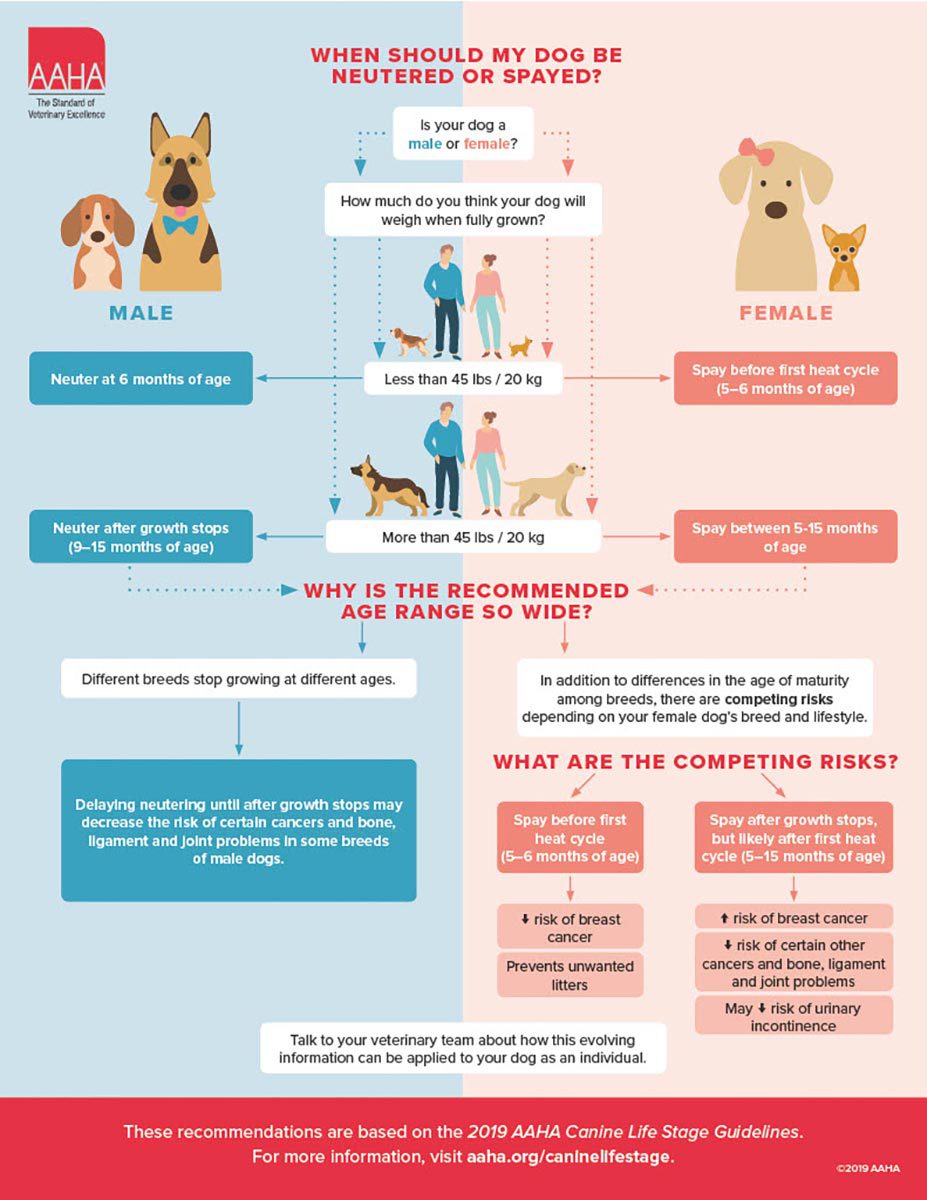
Image Source: southeastoakvillevet.ca
Grasping the Canine Heat Cycle
To know the best time to spay, you first need to know about a dog’s heat cycle. This is also called the estrus cycle. It is when female dogs can get pregnant. This cycle has a few parts.
Parts of the Heat Cycle:
- Proestrus: This is the start of heat. It lasts about 9 days. Your dog might have some blood. Her vulva, or private parts, will swell. Male dogs will be drawn to her. But she will not let them mate yet.
- Estrus: This is the mating part. It also lasts about 9 days. This is when she is fertile. She will let male dogs mate with her. Her vulva will still be swollen. The discharge might be lighter. This is the time she can get pregnant.
- Diestrus: This part comes after estrus. It lasts about 60 to 90 days. It is when the dog is either pregnant or her body acts like she is. Hormones are still high. Even if she is not pregnant, her body prepares for pups.
- Anestrus: This is the resting part. It is the longest part. It can last from 3 to 6 months. Her body is calm. Hormone levels are low. There are no signs of heat. This is a good time for spaying.
The heat cycle is a big event for a female dog. It causes many changes in her body. These changes affect her organs, especially her uterus. This is why timing the spay is so important.
Why Spaying After Heat Matters
Spaying your dog is a big step. It stops her from having puppies. It also brings many health benefits. But the timing of spay after heat is very important. Spaying involves removing the ovaries and uterus. These parts are very active during and after heat.
Changes During and After Heat:
- More Blood Flow: During heat, blood flows much more to the uterus and ovaries. This makes these areas bigger. They also have more blood vessels.
- Swollen Tissues: The tissues around the uterus get swollen. They become softer and more delicate.
- Hormone Shifts: Hormones are very high during heat. They stay high for some time after. These hormones affect blood clotting. They also affect how tissues heal.
Trying to spay during these times can be risky. The surgery can be harder. There is more chance of problems.
Optimal Waiting Period: When to Spay Dog Post Heat
The best waiting period after dog heat for spay is usually 2 to 3 months. This gives her body enough time to get back to normal. Most vets agree this is the ideal spay time after estrus.
Why 2-3 Months is Best:
- Less Blood Flow: After 2 to 3 months, blood flow to the uterus goes down. This makes the surgery safer. There is less bleeding.
- Normal Tissue Size: Her uterus and ovaries shrink back to their normal size. They are not swollen or soft. This makes them easier to handle for the vet. It lowers the risk of tearing.
- Balanced Hormones: Her hormones return to their normal, low levels. This helps with healing. It also lowers the risk of problems like false pregnancy.
Waiting this time allows her body to calm down. It reduces the chance of problems during the surgery. It also helps her heal faster.
Risks of Spaying Too Soon After Heat
Spaying a dog too soon after her heat can lead to problems. It is important to know these risks. This helps you make the best choice for your dog. Risks of spaying too soon after heat are real.
Table: Risks of Early Spay After Heat
| Risk Type | What It Means | Why It Happens |
|---|---|---|
| Increased Bleeding | More blood loss during surgery. | Uterus and ovaries have more blood vessels and blood flow during/after heat. |
| Fragile Tissues | Tissues are soft and tear easily. | Hormones make the uterus swollen and delicate. |
| Longer Surgery | The operation takes more time. | More bleeding and fragile tissues make the vet’s job harder and slower. |
| Surgical Complications | Higher chance of issues during or after surgery. | Increased bleeding and tissue tearing can lead to more problems. |
| Poor Healing | The incision site may heal slower or not as well. | Hormones can affect the body’s ability to heal quickly and strongly. |
These risks show why vets advise waiting. A safer surgery means a safer dog.
Benefits of Waiting to Spay After Heat
Waiting for the right time to spay your dog brings many good things. These benefits of waiting to spay after heat help both your dog and your vet.
Clear Advantages of Waiting:
- Safer Surgery: The biggest benefit is a much safer surgery. Less bleeding means less risk. The vet can work more easily.
- Faster Recovery: When the body is calm and tissues are normal, healing is quicker. Your dog will feel better sooner.
- Lower Chance of Problems: Things like excess bleeding or infection are less likely. This is because the body is in a stable state.
- Better Visibility for Surgeon: The vet can see what they are doing more clearly. Swollen tissues make it harder to see. Normal tissues are clearer.
- Less Anesthesia Risk: A shorter, smoother surgery means less time under anesthesia. This is always better for your dog.
Choosing to wait helps your dog have the best possible outcome. It makes the spay process much smoother for everyone.
Dog Spay Timing and Hormones
Hormones play a huge role in the heat cycle. They also affect dog spay timing and hormones. The main hormones are estrogen and progesterone.
- Estrogen: This hormone is high during proestrus and estrus. It causes the vulva to swell. It also increases blood flow to the uterus.
- Progesterone: This hormone becomes high after estrus. It stays high during diestrus. It is needed to support pregnancy. It also makes the uterus thick and full of blood. This is true even if the dog is not pregnant.
When hormones are high, the uterus is more fragile. It has many more blood vessels. If you spay when hormones are high, the uterus can be much larger. It can be twice or even three times its normal size. This makes the surgery risky.
Hormone Levels and Surgery:
| Hormone Level | Body State After Heat | Spay Implication |
|---|---|---|
| High | Uterus is big, full of blood, and delicate. | Higher risk of bleeding, longer surgery, more complications. |
| Low | Uterus is small, firm, and healthy. | Lower risk, easier surgery, faster healing. |
The goal is to spay when these hormones are low. This happens in the anestrus phase. This is why the 2-3 month waiting period is important. It lets the hormones drop to a safe level.
Spaying Dog After First Heat
Many dog owners wonder about spaying dog after first heat. Some vets used to say spay before the first heat. This was to prevent mammary cancer. But new research gives us more to think about.
Pros of Spaying After First Heat:
- Physical Maturity: For many breeds, especially large ones, going through one heat cycle lets them grow more. This can help bones and joints develop properly.
- Reduced Mammary Tumors: Spaying before the second heat cycle still greatly lowers the risk of mammary tumors. This is a type of breast cancer in dogs.
- Behavioral Maturity: Some owners report that dogs spayed after their first heat might be more emotionally mature. This can lead to better behavior.
Cons of Spaying After First Heat:
- Managing Heat: You have to manage your dog during her first heat. This means keeping her away from male dogs. This can be hard work.
- Risk of Pregnancy: There is always a risk of accidental pregnancy during the first heat.
- Uterine Issues: While rare, some uterine problems can start after a first heat. Spaying prevents these.
For small dogs, spaying before the first heat might still be okay. But for large and giant breeds, many vets now suggest waiting. They might advise spaying after their first heat. This allows for better bone growth. Always talk to your vet. They can help you decide based on your dog’s breed and health.
Addressing False Pregnancy (Pseudocyesis)
Sometimes, a dog can have a false pregnancy. This is also called pseudocyesis. It happens when a dog acts pregnant, but she is not. Her body still thinks she is pregnant. This is because of the high progesterone hormone levels after heat.
Signs of False Pregnancy:
- Nest building
- Mothering toys
- Milk production
- Changes in appetite
- Acting withdrawn or anxious
False pregnancy usually starts 4 to 9 weeks after a heat cycle. It can last a few weeks. It is very important not to spay a dog during a false pregnancy.
Why Not to Spay During False Pregnancy:
- High Hormones: Just like real pregnancy, false pregnancy means high progesterone levels. Spaying at this time can be risky.
- Increased Risks: The uterus is still affected by hormones. This leads to higher risks of bleeding and other problems.
- Prolonged Symptoms: Spaying can cause the symptoms of false pregnancy to last longer. The sudden drop in progesterone can sometimes make signs worse.
If your dog has a false pregnancy, you must wait until it is over. It usually goes away on its own. After the signs are gone and her body is back to normal, then you can spay her. This is usually a few weeks after the false pregnancy ends. Your vet will advise you on the best timing.
Factors Influencing Spay Timing
While 2-3 months after heat is a general rule, other things can change the best time.
- Breed Size:
- Small Breeds: Some vets might suggest spaying small breeds a bit sooner. They mature faster.
- Large and Giant Breeds: For bigger dogs, waiting longer can be better. This allows their growth plates to close. It helps prevent bone and joint issues later on. Your vet might suggest waiting until they are 1 to 2 years old, or even after a second heat.
- Overall Health: A dog must be healthy for surgery. If your dog has other health issues, your vet might want to fix those first. Or they might wait for a more stable time.
- Individual Dog’s Cycle: Every dog is different. Some dogs have very short cycles. Others have very long ones. Your vet will look at your dog’s specific cycle.
- Vet’s Advice: Your vet is the best person to ask. They know your dog’s health history. They can do an exam. They will give you the best advice for your dog. They might even check blood tests to see hormone levels.
Always follow your vet’s specific advice. They can help you decide the most suitable ideal spay time after estrus for your beloved pet.
What to Do While Waiting for Spay
Waiting for the right spay time after heat can be tricky. But it is very important.
- Prevent Accidental Pregnancy: This is number one. Your dog can still get pregnant even after her heat seems over. Some dogs have silent heats. Or male dogs might still be interested.
- Keep Her Secure: Do not let her roam free. Use a strong leash when outside.
- Supervised Yard Time: Always watch her in the yard. Make sure fences are secure.
- Avoid Dog Parks: Stay away from dog parks or places with many unknown dogs.
- Separate from Males: If you have intact male dogs in the home, keep them strictly separate. Use crates or different rooms.
- Monitor Health: Watch for any signs of illness. Check for any problems from her heat cycle. Report anything unusual to your vet.
- Prepare for Surgery:
- Maintain Healthy Weight: Keep her at a healthy weight. This makes surgery safer.
- Good Nutrition: Feed her good, balanced food.
- Follow Vet Instructions: Make sure you follow all of your vet’s instructions before the surgery. This includes no food or water before the operation.
By taking these steps, you ensure your dog stays safe and healthy. This also makes the spay surgery as smooth as possible.
The Spay Procedure: A Quick Look
Once the timing is right, your dog will be ready for her spay. This surgery is routine. It is often called an ovariohysterectomy.
What Happens:
- Pre-Surgery Check: Your vet will do a check-up. They might do blood tests. This makes sure your dog is healthy enough for anesthesia.
- Anesthesia: Your dog will get medicine to sleep deeply. She will not feel any pain.
- Incision: The vet makes a small cut on her belly.
- Removal: The vet carefully removes her ovaries and uterus.
- Closing: The vet closes the cut with stitches. Some stitches dissolve on their own. Others need to be removed later.
The surgery itself takes about 30 minutes to an hour. It depends on your dog’s size and if any problems come up. Because you waited for the right time, the surgery should be faster and safer.
Post-Spay Care: Helping Her Heal
After the spay, your dog needs good care. This helps her heal well.
- Quiet Rest: Keep her calm and quiet. No running, jumping, or rough play for about 10-14 days.
- E-Collar: She will likely need an “E-collar” or cone. This stops her from licking her stitches. Licking can cause infection.
- Check Incision: Look at her incision every day. Check for redness, swelling, or bad smell. A little bruising is normal.
- Pain Medicine: Give all pain medicine your vet prescribes.
- Limited Food and Water: She might be groggy. Offer small amounts of food and water at first.
- Vet Follow-Up: Go to all follow-up appointments. This is where the vet checks her healing and removes stitches if needed.
Proper after-care is key to a smooth recovery. It helps make sure the benefits of optimal timing are fully realized.
Deciding on Early or Later Spay: A Sum Up
The decision on when to spay your dog is big. It affects her health for years to come. While spaying before the first heat used to be common, new ideas are growing. Especially for larger dogs, waiting for one heat cycle might be better for their growth.
No matter what, spaying too soon after a heat cycle is often not advised. The waiting period after dog heat for spay is crucial. The 2-3 month mark gives her body time to reset. This lowers risks. It makes for a safer, easier surgery.
Always talk openly with your vet. They can help you weigh all the factors. They will look at your dog’s breed, age, and health. They will guide you to the ideal spay time after estrus. This ensures your dog gets the best care. It sets her up for a long, healthy life.
Frequently Asked Questions (FAQ)
Q1: Can I spay my dog immediately after heat?
No, it is not recommended. It is best to wait about 2 to 3 months after her heat cycle ends. This lets her body’s hormones return to normal. It also lets her uterus shrink. This makes the surgery much safer.
Q2: What happens if I spay my dog too soon after heat?
Spaying too soon can lead to more bleeding during surgery. Her tissues might be more fragile. The surgery can be harder and take longer. This increases risks for your dog.
Q3: How long does a dog’s heat cycle last?
A dog’s heat cycle usually lasts about 2 to 4 weeks. The main mating part, estrus, is about 9 days. But the whole cycle, including diestrus, can last much longer.
Q4: Should I spay my dog after her first heat or wait?
For small dogs, spaying before the first heat is often fine. For large and giant breeds, many vets now suggest waiting until after the first heat. This helps with proper bone and joint growth. Talk to your vet about your dog’s specific needs.
Q5: What if my dog has a false pregnancy? Can I spay her then?
No, do not spay your dog during a false pregnancy. Her hormones are still high. This makes surgery risky. Wait until the false pregnancy symptoms are fully gone. Then, wait a few more weeks to ensure her body is back to normal.
Q6: What are the benefits of waiting to spay after heat?
Waiting means less bleeding during surgery. Her tissues will be stronger. The vet can work more easily. This leads to a safer surgery and a faster, smoother recovery for your dog.
Q7: How can I prevent my dog from getting pregnant while waiting to spay?
Keep her fully separated from male dogs. Use a leash during walks. Do not let her roam free. Always supervise her in the yard. This prevents accidental mating.