
When thinking about breeding dogs, a key question comes up: “How old is too old to breed a dog safely?” The short answer is that while there is no single, exact age for all dogs, generally, a female dog should not breed after age six, and often younger for very large breeds. For male dogs, the male dog breeding age limit is less strict, but fertility can still drop with age, and health issues can arise. The main goal must always be the health and safety of the dog, along with the health of her puppies. This means putting welfare first.
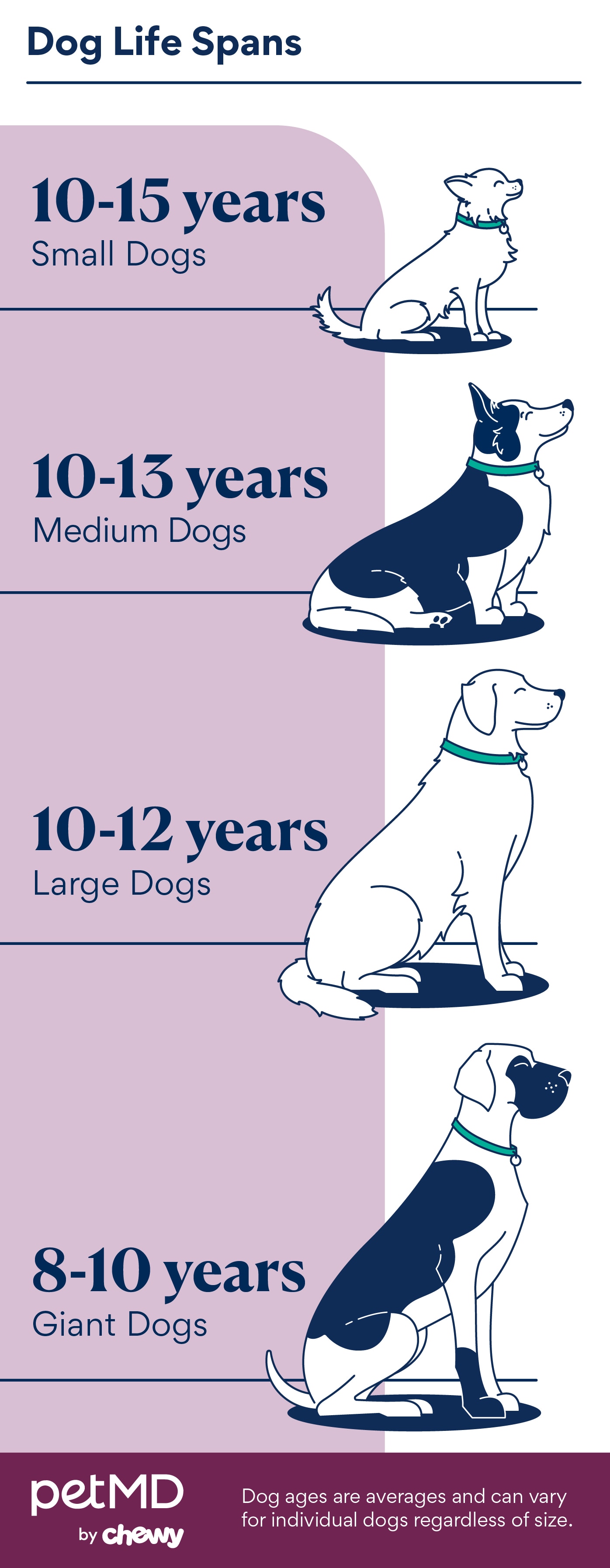
Image Source: image.petmd.com
The Best Time for Breeding: The Golden Window
Knowing the right age to breed a dog is very important. It helps ensure the mother dog stays healthy and that her puppies are strong. There are “best” times for breeding a dog.
Female Dogs: When They Are Most Ready
For female dogs, the best time to breed is after they are fully grown and mature, but before they get too old. This usually means after their second or third heat cycle, often around two years old.
- Maturity Matters: Breeding a dog too young is not good. Their bodies are still growing. They are not ready for the stress of pregnancy and giving birth. Their first heat cycle often happens between 6 to 12 months. But they are still puppies, not adult dogs.
- Peak Years: Most vets agree that the prime breeding years for female dogs are from 2 to 5 years old. Some dogs might be able to breed safely up to 6 years old, especially smaller breeds. But every dog is different. This age range is where their bodies are strong, their reproductive systems are mature, and their health is usually at its best.
- Canine Breeding Age Limits: Many breed clubs and responsible breeders set strict age limits. These limits often say a female dog should not have her first litter after a certain age, like four or five years. They also often say a dog should not breed after six or seven years old. These rules help protect the dog’s health.
Male Dogs: When They Are Most Able
Male dogs can breed for a longer time than female dogs. They do not carry puppies or give birth. But their age still matters.
- Reaching Adulthood: Male dogs are usually ready to breed when they are 1.5 to 2 years old. This is when they are mentally and physically mature. Breeding them too young is not wise. They might not have good sperm quality, or they might not act maturely.
- Peak Fertility: Male dogs often have their best fertility from around 2 to 7 or 8 years old. They can often breed successfully even past 10 years old. But their sperm quality can drop as they get older. The male dog breeding age limit is not as clear-cut as for females.
- Maximum Breeding Age for Dogs (Males): Some male dogs can breed well into their senior years. But it is vital to check their health. An older male dog needs regular health checks. This ensures he is still healthy and that his sperm is good. We also need to think about passing on genetic problems that might show up later in life.
Lessening Fertility in Older Dogs
As dogs age, their bodies change. This includes their ability to breed. We see a fertility decline in older dogs for both males and females.
Older Female Dogs: A Drop in Chances
For female dogs, fertility goes down a lot as they get older.
- Fewer Eggs: Like humans, female dogs have fewer good quality eggs as they age. This means it becomes harder for them to get pregnant.
- Irregular Heat Cycles: Their heat cycles might become less regular. They might not come as often. Or they might have “split heats” or “silent heats,” which are harder to notice. This makes timing breeding difficult.
- Uterine Health: The uterus, where the puppies grow, can also change. It can get thicker or develop cysts. This makes it harder for eggs to attach and grow. These changes can also lead to infections like pyometra, which is very serious.
Older Male Dogs: Sperm Changes
Male dogs also have changes in their fertility as they age.
- Lower Sperm Count: They might produce fewer sperm.
- Poor Sperm Quality: The sperm they do produce might not be as strong or as able to fertilize an egg. They might have more abnormal sperm. This can lead to fewer puppies in a litter or no puppies at all.
- Less Drive: Some older males might also have less interest in breeding.
Risks for Older Mothers: A Serious Concern
When a female dog breeds at an older age, the dangers go up a lot. Risks of breeding older female dogs are many and can be very serious for both the mother and her puppies. This is a key part of senior dog reproductive health.
Health Problems During Pregnancy
Older female dogs face more issues while pregnant.
- Uterine Issues: Their uterus might not be as strong. This can make it hard for puppies to grow well.
- Hormone Imbalance: Their hormones might not be in balance. This can affect the pregnancy.
- Other Health Conditions: Older dogs are more likely to have other health problems. These can include heart disease, kidney issues, or joint pain. Pregnancy puts extra stress on the body. These existing problems can become much worse.
Difficulties During Birth: Geriatric Dog Pregnancy Complications
Giving birth is tough for any dog. For an older dog, it can be very hard. Geriatric dog pregnancy complications are common.
- Dystocia (Hard Birth): This means a difficult or stalled birth. The uterus might be weaker. It might not push puppies out well. Older dogs are much more likely to need help giving birth.
- Uterine Inertia: This is when the uterus stops contracting or does not contract strongly enough. It is a main cause of difficult births in older dogs. It often needs a C-section.
- Increased C-Section Risk: Because of dystocia and uterine inertia, older dogs often need a C-section. This is a major surgery. It comes with its own dangers, like infection or problems with anesthesia.
- Mammary Gland Issues: Older dogs can have more problems with their milk glands. They might get mastitis, which is an infection. This makes it hard for them to feed puppies.
- Eclampsia: This is a serious drop in calcium levels. It can happen during nursing. Older dogs are more prone to it. It can cause seizures and be deadly if not treated fast.
- Puppy Loss: Puppies born to older mothers might not be as strong. They might have a higher risk of not surviving. The birth process might be harder on them.
- Maternal Health Decline: The stress of pregnancy and giving birth can greatly harm an older dog’s health. It can shorten her life or make her later years less comfortable.
Table: Risks of Breeding Older Female Dogs
| Risk Area | Description | Impact on Mother | Impact on Puppies |
|---|---|---|---|
| Fertility Decline | Fewer quality eggs, irregular heat cycles, uterine changes (e.g., thickening, cysts). | Harder to get pregnant, false pregnancies, potential for uterine infections (e.g., pyometra) later. | Fewer puppies, smaller litter sizes, higher chance of no pregnancy. |
| Birthing Issues | Dystocia: Difficult or stalled labor. Uterine Inertia: Uterus contractions too weak or stop. Higher likelihood of needing human help or surgery. | Prolonged labor, exhaustion, stress, higher risk of C-section, internal injury, bleeding, shock. | Higher mortality rate during birth, puppies born weak or stillborn, higher chance of oxygen deprivation. |
| C-Section Risk | Increased need for surgical delivery. | Major surgery risks: anesthesia complications, infection, pain, longer recovery time, impact on future breeding ability. | Puppies may be slower to revive after surgery, higher risk of aspiration (inhaling fluid). |
| Metabolic Stress | Pregnancy and nursing demand a lot of energy and nutrients. Older bodies are less efficient at handling this stress. | Eclampsia: Dangerous drop in calcium (seizures). Weakness, poor appetite, weight loss, exhaustion, worsening of pre-existing conditions (e.g., heart, kidney, joint issues). | Puppies may not get enough milk, slower growth, higher susceptibility to illness. |
| Mammary Gland | Higher risk of mastitis (mammary gland infection). | Pain, fever, discomfort, inability to nurse properly, abscess formation, can become systemic and life-threatening if not treated. | Puppies can get sick from infected milk, not get enough milk, failure to thrive. |
| Behavioral Issues | Older mothers may have less patience or energy for raising puppies. Hormonal changes can affect their temperament. | Increased stress, potential for neglecting or accidentally harming puppies, difficulty bonding. | Puppies may not receive proper care, higher mortality, poor socialization, potential for behavioral problems later due to lack of maternal care. |
| Genetic Health | Older dogs may have developed or shown signs of genetic conditions that might be passed to offspring. The risk of new gene mutations also slightly increases with age. | No direct impact on mother’s health from this risk, but a risk to her future offspring. | Higher risk of inheriting genetic diseases (e.g., hip dysplasia, eye conditions, heart problems), increased chance of developmental abnormalities or health issues in puppies. |
| Overall Well-being | The cumulative stress of repeated pregnancies or a single late-life pregnancy significantly impacts the dog’s remaining years. | Reduced quality of life, chronic pain, early onset of age-related diseases, decreased mobility, shortened lifespan. The final litter can completely deplete a dog’s health reserves. | N/A (Impact is primarily on the mother’s remaining life). |
Thinking About Older Fathers
While male dogs do not face the same birthing risks, their age is still important. We need to consider the male dog breeding age limit and its effects.
- Sperm Quality: As male dogs age, their sperm can become less healthy. This can mean fewer pregnancies or smaller litters. It can also mean puppies with more health problems.
- Genetic Health: This is a big one. Older male dogs might show signs of genetic diseases later in life. If a dog breeds when he is young, before these signs appear, he might pass on bad genes. This is why thorough health testing is key, even for older males. It is part of the ethical considerations breeding old dogs.
- Health Checks: Regular vet checks are needed for older male breeding dogs. This ensures they are healthy enough to breed. It also makes sure they are not passing on diseases.
When to Call It Quits: Setting Limits
Knowing when to stop breeding a dog is a very important decision for any responsible breeder. It is not just about age. It is about the dog’s whole health.
General Guidelines
Most breeding experts and vets suggest female dogs stop breeding by age 6 or 7 at the very latest. For many, especially larger breeds, the cut-off is often earlier, around 5 years old. This is because larger dogs age faster.
- Number of Litters: It is also wise to limit the number of litters a female dog has. Many guidelines suggest no more than 3-4 litters in her lifetime. This gives her body time to recover between pregnancies.
- Rest Between Litters: A female dog should also have at least one heat cycle of rest between litters. Some even say two. This lets her body fully recover.
Individual Assessment is Key
While there are general rules for the maximum breeding age for dogs, every dog is an individual. You cannot just look at a number.
- Health History: A dog’s past health is very important. Has she had hard births before? Does she have any ongoing health problems?
- Breed: As mentioned, large breeds age faster. A 6-year-old Great Dane is much older, in dog years, than a 6-year-old Chihuahua. The breeding age limits should be different for them.
- Temperament: Is the dog still kind and patient? Is she stressed by puppies? An older dog might not have the energy or patience to be a good mother.
- Overall Condition: Is the dog in good physical shape? Does she have good muscle tone and a healthy weight? Is her coat shiny? These are all signs of good health.
Veterinary Counsel: Your Best Guide
The very best way to decide if a dog is too old to breed is to ask a vet. Veterinary advice dog breeding age is crucial. A vet can give you a full picture of your dog’s health.
Pre-Breeding Health Checks
Before every breeding, an older dog needs a thorough health check.
- Physical Exam: The vet will check the dog from head to tail. They will look at her heart, lungs, joints, and teeth.
- Blood Work: Blood tests can show how well her organs are working. They can check for hidden problems like kidney disease or thyroid issues.
- Hormone Levels: For females, hormone tests can help show if she is still fertile and has good hormone balance.
- Genetic Screening: This is a must for any breeding dog, especially older ones. Dogs should be tested for genetic diseases common in their breed. This includes things like hip and elbow problems, eye diseases, and heart conditions. Even if a dog was tested when young, new health issues might show up later in life. This is part of responsible breeding.
Why a Vet’s Opinion Matters
A vet can give honest advice based on science and experience. They can tell you the true risks. They can help you make a choice that puts your dog’s welfare first. They are the best source for senior dog reproductive health assessments.
Ethical Duties: A Moral Compass
Beyond the health risks, there are big ethical considerations breeding old dogs. Responsible breeding is not just about making puppies. It is about doing what is right for the animals.
Prioritizing the Dog’s Well-being
- Quality of Life: Every dog deserves a good quality of life. Forcing an older dog to breed when her body is tired is not fair. Pregnancy and birth are hard work. It can make an older dog’s later years very hard.
- Pain and Stress: Older dogs might feel more pain during birth. They might be more stressed by the puppies. Is it right to put them through that?
- Retirement: Every breeding dog deserves a happy retirement. They should be able to enjoy their senior years in peace and comfort, free from the demands of raising litters. Breeding an older dog too late can steal these years from her.
Responsibility to Puppies
- Health of Puppies: As discussed, older mothers can have weaker puppies. They might have more problems. Responsible breeders want to make sure puppies are born healthy and strong.
- Genetic Health: Breeding older dogs, both male and female, without up-to-date genetic checks is irresponsible. New genetic problems can show up later in life. We have a duty to not pass on diseases.
- Caring for Puppies: An older, tired mother might not be able to care for her puppies well. She might not produce enough milk. She might be too tired to keep them clean and warm. This can lead to unhealthy puppies or even puppy deaths.
Breed-Specific Differences
The question “How old is too old to breed a dog?” also depends on the dog’s breed. Different breeds age at different rates.
Small vs. Large Breeds
- Small Dogs: Small breeds, like Chihuahuas or Poodles, often live longer. They mature a bit slower and age slower. A 6-year-old small dog might still be relatively spry. So, their maximum breeding age for dogs might be a little higher, perhaps up to 7 years old, if they are very healthy.
- Large and Giant Breeds: These dogs age much faster. A 6-year-old Great Dane or Irish Wolfhound is already a senior dog. Their bodies have worked harder. For these breeds, breeding should stop much earlier, often by 4 or 5 years old. The risks of geriatric dog pregnancy complications rise very quickly for them.
Examples of Breed Guidelines
- Toy Breeds (e.g., Chihuahua, Maltese): May breed safely up to 6 or 7 years if healthy.
- Medium Breeds (e.g., Beagle, Bulldog): Often stop around 5 or 6 years.
- Large Breeds (e.g., Labrador, German Shepherd): Typically stop around 4 or 5 years.
- Giant Breeds (e.g., Great Dane, Mastiff): Often done breeding by 3 or 4 years.
These are general rules. The dog’s individual health is always the most important factor.
Signs a Dog Is Too Old
Beyond age limits, look for signs that your dog is not fit for breeding. These signs tell you it’s when to stop breeding a dog.
Physical Signs
- Loss of Muscle: Older dogs can lose muscle, especially in their back legs. This makes pregnancy harder.
- Joint Pain: Arthritis or stiff joints are common in older dogs. Carrying puppies puts huge stress on joints.
- Weight Changes: Being underweight or overweight can be a sign of health issues. It also makes pregnancy harder.
- Dental Problems: Bad teeth can lead to infections. These infections can spread to other parts of the body.
- Dull Coat/Skin Issues: A dull coat or flaky skin can show poor health.
- Tiring Easily: Does your dog get tired quickly? This means her body is not as strong.
Behavioral Changes
- Low Energy: A lack of playfulness or general tiredness.
- Irritability: She might be less patient with other dogs or people. This can be a sign of discomfort.
- Less Interest: She might not be interested in breeding anymore.
- Poor Mothering: If she has had litters before, did she struggle to be a good mother?
These signs all point to a dog whose body is slowing down. It is a sign that it is time for her to rest, not to breed.
Beyond Breeding: Life After Retirement
Once a dog’s breeding days are over, they deserve a happy, comfortable life. This is a very important part of ethical considerations breeding old dogs.
- A Forever Home: Many breeding dogs live their whole lives with their breeders. Others might go to a loving forever home. No matter what, they need a safe and caring place to live out their golden years.
- Comfort and Care: This means good food, warm beds, gentle exercise, and regular vet care. It means lots of love and attention.
- Focus on Well-being: The focus shifts from making puppies to making sure the dog is happy and healthy in her later years. This might mean special diets, joint supplements, or pain management for age-related issues.
In Conclusion
The question “How old is too old to breed a dog safely?” does not have a single, easy answer for all dogs. It is complex. It involves looking at general age guidelines, the dog’s breed, her health history, and her current physical and mental state.
For female dogs, the prime breeding window is generally between 2 and 5 years old. Breeding them past 6 or 7, especially large breeds, brings many risks of breeding older female dogs, including geriatric dog pregnancy complications and a higher chance of harm to both mother and puppies. For male dogs, the male dog breeding age limit is less strict, but fertility decline in older dogs and the risk of passing on genetic problems are still important.
Always put welfare first. Seek veterinary advice dog breeding age for each individual dog. Be aware of the ethical considerations breeding old dogs. A dog’s value is not just in making puppies. Every dog deserves a healthy, happy life, and a peaceful retirement. Responsible breeding means knowing when to stop breeding a dog and letting her enjoy her golden years in comfort.
Frequently Asked Questions (FAQ)
How old is too old for a male dog to breed?
While male dogs can breed longer than females, their male dog breeding age limit is generally considered to be around 10-12 years old. However, sperm quality can drop after 7 or 8 years. It’s vital to check their health and sperm quality regularly, as well as test for genetic issues that might appear later in life.
Can an 8-year-old female dog still get pregnant?
Yes, an 8-year-old female dog can still get pregnant, but it is highly discouraged. The risks of breeding older female dogs at this age are very high. Her body is likely not fit for the stress of pregnancy and birth, leading to many geriatric dog pregnancy complications and serious dangers for her and the puppies.
What are the signs of fertility decline in older female dogs?
Signs of fertility decline in older dogs for females include irregular or skipped heat cycles, smaller litter sizes, difficulty getting pregnant, or problems during labor. They might also show signs of general aging like less energy or joint stiffness.
How many litters can a dog safely have?
Most responsible breeders and vets recommend a female dog has no more than 3 to 4 litters in her lifetime. It’s also important for her to have at least one, preferably two, heat cycles of rest between litters to fully recover.
Is it ethical to breed an old dog?
Generally, no. It is not ethical to breed an old dog, especially females. The ethical considerations breeding old dogs heavily lean towards putting the dog’s well-being first. The risks to her health, the quality of life she will have after, and the potential for unhealthy puppies outweigh any desire to breed her again. This is part of welfare first breeding.