
How often should your dog get a rabies shot? Most dogs need a rabies shot first as a puppy, then a booster shot a year later. After that, they typically get a rabies shot every one or three years, depending on the type of vaccine used and the rules in your area. This shot is really important for your dog’s health and for keeping people safe.
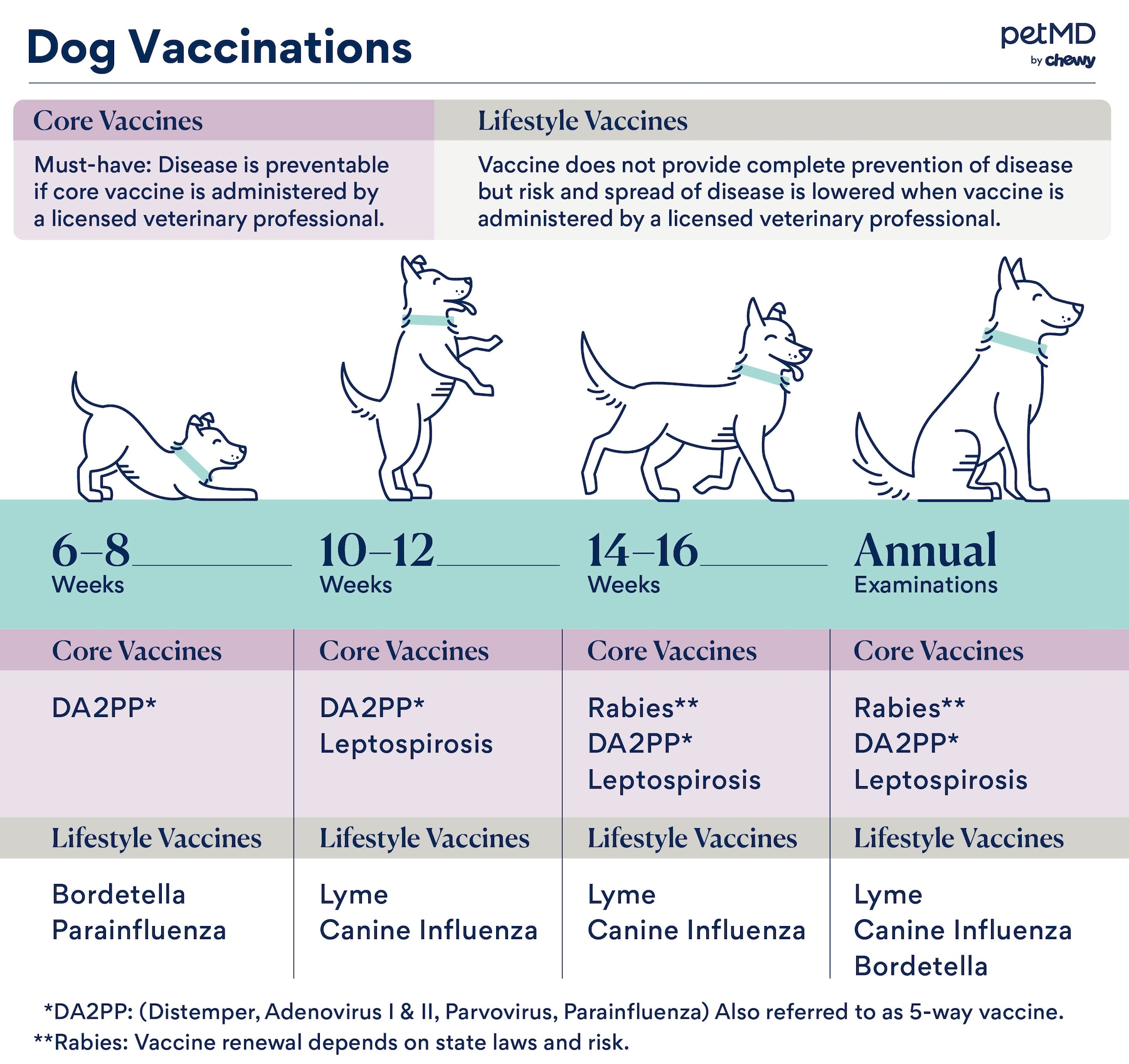
Image Source: image.petmd.com
Why Rabies Shots Matter
Rabies is a very serious and deadly sickness. It attacks the brain and nerves. Dogs can get rabies from the bite of an animal with the sickness, like a bat, skunk, or fox. Once a dog shows signs of rabies, there is no cure. It is always fatal.
The scary part is that rabies can spread from dogs to people through bites or scratches. Because it is so dangerous and can spread to humans, rabies shots for dogs are required by law in almost all places. Getting your dog vaccinated is the best way to protect your pet and your family. It also helps stop the sickness from spreading in the community.
The Usual Rabies Shot Plan
Let us look at the typical Dog rabies vaccine schedule. This plan starts when your dog is a puppy. Puppies need shots in steps to build up their protection.
Puppy Rabies Shot Timeline
The first rabies shot is usually given when a puppy is around 12 to 16 weeks old. This is a key part of the Puppy rabies vaccine timeline.
- First Shot: Given at 3 to 4 months old (12-16 weeks).
- Second Shot (Booster): This is needed about one year after the first shot. This second shot is often called the first Rabies booster shot dogs receive as adults.
Why wait until 12-16 weeks? Very young puppies have protection from their mother’s milk. This protection can stop vaccines from working right. By 12-16 weeks, this protection fades, and the puppy’s own body can respond well to the vaccine.
After the First Booster
After the first year booster shot, the timing changes. This is where the Rabies shot frequency for dogs becomes key. Most vaccines given after the first year booster are approved to last longer.
How Often Adult Dogs Need Rabies Shots
After the first year booster, the Rabies shot frequency for dogs depends on the vaccine type your vet uses and local laws. This answers How often do dogs need rabies shots after they are grown up.
There are two main types of rabies vaccines used for adult dogs:
- 1-year vaccines: These shots protect your dog for at least one year.
- 3-year vaccines: These shots protect your dog for at least three years.
Your vet will choose the right vaccine based on what is best for your dog and what is required where you live.
Annual vs 3-Year Rabies Vaccine
The choice between an Annual vs 3-year rabies vaccine dog depends on several things. Both types of vaccines are good at preventing rabies. The main difference is Rabies vaccine duration dogs.
- 1-Year Vaccines: These are given every year. They are sometimes used for the first adult booster shot, even if a 3-year vaccine could be given. Some areas require yearly shots, no matter what vaccine is used.
- 3-Year Vaccines: These are given every three years. Most states and areas allow the use of 3-year vaccines after the initial puppy shot and first booster. These are very common because they mean fewer shots for your dog over its life.
Both vaccines work by teaching your dog’s body to fight the rabies virus. The 3-year vaccine has been shown through studies to give protection for at least three years. Your vet keeps records of which vaccine your dog got and when the next shot is due. This helps track the Rabies vaccine duration dogs receive.
Grasping Rabies Vaccine Duration
It is helpful to grasp the idea of Rabies vaccine duration dogs. This just means how long the shot is proven to keep your dog safe from rabies.
- For a 1-year vaccine, the duration is one year from the date the shot was given.
- For a 3-year vaccine, the duration is three years from the date the shot was given.
This is How long does dog rabies shot last. It is important to know this because your dog needs a new shot before the old one stops working. Getting the shot on time keeps your dog protected without any breaks.
Rabies Shot Frequency by Age
The Rabies shot frequency by age dog mainly changes between puppyhood and adulthood.
- Puppies: Need their first shot around 3-4 months old.
- Young Adults: Need their first booster shot about one year after the puppy shot.
- Adults: After the first booster, they usually get shots every one or three years, depending on the vaccine and local rules.
- Older Dogs: Frequency stays the same as adult dogs (every 1 or 3 years), unless a vet advises otherwise due to a health issue. However, even older or sick dogs often need rabies shots because it is required by law and rabies is so dangerous. A vet can help decide if a dog’s health problem is severe enough to skip the shot, but this is rare for rabies.
Rabies Vaccination Requirements
Almost all states, cities, and towns have Rabies vaccination requirements dog. This means it is the law to get your dog vaccinated against rabies. These laws are in place to protect public health.
- Varies by Location: The exact rules can differ from place to place. Some areas require yearly shots for all dogs, even if a 3-year vaccine was given. Other areas allow the use of 3-year vaccines.
- Proof of Vaccination: You will get a certificate from your vet after the shot. You may need to show this certificate to register your dog, get a license, or if there is a bite event.
- Penalties: If your dog is not vaccinated and bites someone or another animal, there can be serious outcomes. This can include fines, required quarantine of your dog, or other legal actions. If an unvaccinated dog is exposed to a known rabid animal, the outcome is often sad, possibly involving euthanasia or a long, costly quarantine. This is why following Rabies vaccination requirements dog is so important.
Knowing the specific rules where you live is key. Your vet’s office will usually know the local Rabies vaccination requirements dog and will help you keep your dog on the right schedule.
More on the Rabies Booster Shot
The term Rabies booster shot dogs often refers to the shots given after the initial puppy series.
- First Booster: The shot given about one year after the puppy shot is the first booster. It is very important because it makes the protection from the puppy shot stronger and longer-lasting.
- Later Boosters: The shots given every 1 or 3 years after the first booster are also types of boosters. They keep the dog’s protection high over their lifetime.
Think of it like this: The first puppy shot introduces the body to the virus (in a safe way). The first booster reminds the body and makes the defense system much stronger. The later boosters just keep that strong defense system ready.
Factors Affecting Rabies Shot Frequency
While there is a standard plan, a few things can influence the Rabies shot frequency for dogs:
- Local Laws: As mentioned, local laws are the biggest factor deciding if your adult dog needs a shot every year or every three years.
- Type of Vaccine: The vaccine brand and type used determines if it is a 1-year or 3-year vaccine.
- Dog’s Health: In some rare cases, if a dog has a very serious illness, a vet might suggest delaying or skipping a vaccine. This is only done after careful thought about the dog’s health and the risk of rabies. This is not common for the rabies shot because it is legally required and rabies is fatal.
- Vaccine History: Keeping good records of when your dog got shots helps determine the next due date based on the Rabies vaccine duration dogs received.
Your vet will consider all these points when making a plan for your dog.
A Look at the Rabies Shot Schedule
Here is a simple table showing a common Dog rabies vaccine schedule:
| Age of Dog | Vaccine | Frequency | Notes |
|---|---|---|---|
| 12-16 weeks (Puppy) | Rabies Vaccine (first shot) | One time | Start of the Puppy rabies vaccine timeline |
| About 1 year later | Rabies Vaccine (first booster) | One time | First Rabies booster shot dogs get as adults |
| After first booster | Rabies Vaccine (1-year or 3-year type) | Every 1 or 3 years, based on vaccine type | Rabies shot frequency for dogs as adults |
This table shows the basic How often do dogs need rabies shots. Remember, the exact timing can vary slightly based on your vet’s office and your local rules.
Why the 3-Year Vaccine Is Common
The 3-year rabies vaccine is widely used and accepted in many places. It is a safe and effective way to provide protection for a longer period.
- Less Stress: Fewer vet visits for shots mean less stress for your dog (and you).
- Strong Protection: Studies show it gives protection for three years or more.
- Meets Requirements: In areas that allow it, the 3-year shot meets the legal Rabies vaccination requirements dog.
Your vet will discuss the best option for your dog. If your area allows the 3-year vaccine, it is often the choice because it is convenient and provides long-lasting protection. However, if you live in a place that demands yearly rabies shots, you must follow that rule, even if your dog got a 3-year vaccine.
Deciphering How Long Protection Lasts
Let us talk more about How long does dog rabies shot last. When a vaccine is approved as a 1-year or 3-year vaccine, it means studies were done to prove it protects dogs for that amount of time.
- Immune Response: The shot makes your dog’s body create defenses (antibodies) against the rabies virus.
- Measuring Protection: Scientists measure these defenses over time. For a 3-year vaccine, they must show that dogs still have enough protection against rabies three years after getting the shot.
- Expiration Date: The due date for the next shot is based on the date the shot was given plus its approved duration (1 or 3 years). Your vet’s records and the rabies certificate will show this.
It is important not to let the protection lapse. Getting the shot on time ensures your dog is always protected. This is a key part of managing Rabies vaccine duration dogs.
Rabies Shot Frequency By Age, Revisited
Just to make it extra clear, let us look at Rabies shot frequency by age dog again simply.
- Babies (under 3-4 months): No rabies shot yet.
- Youngsters (3-4 months to about 1 year): Get their first rabies shot.
- Teenagers/Young Adults (about 1 year to 2 years): Get their first adult booster shot (about one year after the first shot). This shot sets the schedule for future shots.
- Adults (2 years and older): Get shots every 1 or 3 years based on the vaccine type given at the previous shot and local law.
So, age matters mainly for the start of the schedule (puppy vs. adult) and the timing of the first booster. After that, the frequency (1 or 3 years) is mostly about the vaccine type and location rules, not the dog’s age itself. An 8-year-old dog usually needs the shot just as often as a 3-year-old dog if they are both on the 3-year schedule.
If Your Dog Misses a Rabies Shot
What happens if you miss your dog’s rabies shot due date? This is not ideal because it means your dog might not be fully protected.
- Loss of Protection: The time the vaccine lasts is like an expiration date. Once that date passes, the level of protection might drop.
- Legal Trouble: If your dog is overdue for their shot, they are not legally vaccinated. This can cause major problems if your dog ever bites someone or is exposed to a potentially rabid animal. You could face fines or the need for your dog to be quarantined at your cost, sometimes for many months, or even worse outcomes in some places.
- What to Do: If you miss the date, call your vet right away. They will tell you when to bring your dog in for the shot. Usually, getting the shot as soon as possible restarts the clock on their protection and legal vaccination status. Your vet will know the specific rules for restarting the schedule in your area.
It is best to mark the date on your calendar and get the shot a little early or right on time. Most vets send reminders to help you.
Talk to Your Vet About the Schedule
The best way to know the right Dog rabies vaccine schedule for your pet is to talk to your vet.
- Personalized Plan: Your vet knows your dog’s age, health history, and the specific Rabies vaccination requirements dog for your area. They can create the best plan for your dog.
- Answer Questions: Ask your vet about the difference between the 1-year and 3-year vaccines, why they recommend one over the other for your dog, and any concerns you have.
- Keep Records: Your vet keeps careful records of your dog’s vaccinations. Make sure you also get a copy of the rabies certificate for your records.
Your vet is your partner in keeping your dog healthy and protected. Following their advice on How often do dogs need rabies shots is crucial.
Potential Mild Side Effects
Like any medical procedure, rabies shots can sometimes cause mild side effects. These are usually short-lived and not serious.
Common side effects include:
- Slight pain or swelling where the shot was given.
- Feeling tired or less active for a day or two.
- A mild fever.
- Less interest in eating.
These usually go away on their own.
More serious side effects are rare but can happen. These include allergic reactions, like swelling of the face, hives, or trouble breathing. If you see any signs like this, call your vet right away. In very rare cases, a small lump might form at the shot site. Talk to your vet if you are concerned about any reaction after a shot.
The risk of these side effects is very, very low compared to the very high risk and deadly outcome of getting rabies. Vets agree that the benefits of the rabies shot far outweigh the risks for almost all dogs.
Making Sure Your Dog Is Protected
Making sure your dog gets their rabies shot on time is a basic part of being a responsible dog owner. It is not just about following the law; it is about protecting your best friend and helping to keep your community safe from a terrible sickness.
Knowing the Puppy rabies vaccine timeline, the Rabies shot frequency for dogs as they get older, the meaning of Rabies vaccine duration dogs, and your local Rabies vaccination requirements dog helps you stay on track. Your vet is your main resource for guiding you through the Dog rabies vaccine schedule and making sure you understand How long does dog rabies shot last.
Do not forget about the Rabies booster shot dogs need after their puppy year – it is key to long-term protection. And understanding Rabies shot frequency by age dog helps you know what to expect as your dog grows up.
Keep up with your vet visits, ask questions, and keep those vaccine records handy. A vaccinated dog is a safe dog!
Frequently Asked Questions About Rabies Shots
Here are some common questions people ask about rabies shots for dogs.
h5 What is the standard age for a puppy to get its first rabies shot?
Puppies usually get their first rabies shot when they are between 12 and 16 weeks old. This is the start of their Puppy rabies vaccine timeline.
h5 Does a 3-year rabies shot mean my dog is protected for exactly three years?
Yes, a 3-year vaccine has been shown to provide protection for at least three years. Your dog is considered vaccinated and protected legally for the full duration (three years) from the date the shot was given, provided it was given according to the approved Dog rabies vaccine schedule (after the initial puppy shot and 1-year booster).
h5 Is the rabies shot required by law everywhere?
Almost everywhere in the United States and many other countries, rabies vaccination for dogs is required by law. The specific Rabies vaccination requirements dog can vary by state, county, or city.
h5 Can an older dog stop getting rabies shots?
In most cases, no. Even older dogs need rabies shots because it is legally required and rabies is so dangerous. If an older dog has a serious health issue, talk to your vet. They can help you decide if the health problem is severe enough to consider skipping the shot, but this is uncommon for rabies. The Rabies shot frequency by age dog usually remains every 1 or 3 years for adults, including seniors.
h5 If my dog got a 3-year vaccine, but my town requires yearly shots, which rule do I follow?
You must follow the stricter local rule. If your town requires yearly rabies shots, your dog needs a shot every year, even if they received a 3-year vaccine. This meets the Rabies vaccination requirements dog for your area.
h5 What happens if I forget when my dog’s last rabies shot was?
Call your vet’s office. They keep detailed records of your dog’s vaccinations, including the date and type (1-year or 3-year) of the last rabies shot. They can tell you when the next shot is due based on the Rabies vaccine duration dogs received.
h5 Does the rabies shot protect against all kinds of sickness?
No, the rabies shot only protects against the rabies virus. Your dog needs other vaccines to protect against other common dog sicknesses like distemper, parvo, and adenovirus. Your vet will recommend a full Dog rabies vaccine schedule that includes all the important shots your dog needs.
h5 Is a Rabies booster shot dogs get as adults different from the puppy shot?
Yes, usually the shot given to an adult dog one year after the puppy shot (the first booster) and later shots are either 1-year or 3-year vaccines. The puppy shot is the first in the series to start building immunity. Boosters reinforce and extend that immunity.
h5 My friend’s dog only gets a shot every 3 years, but my vet says my dog needs it every year. Why?
This is likely due to the type of vaccine used and the local laws. Your friend’s dog probably gets a 3-year vaccine in an area that allows them. Your dog might be in an area that requires yearly rabies shots, or your vet might recommend a 1-year vaccine for a specific reason, at least for the first adult booster. It depends on the specific Rabies shot frequency for dogs allowed and common in your location and your vet’s plan.
h5 How long after the shot is my dog fully protected?
Protection is generally considered effective within a few days to a couple of weeks after the shot. However, for legal purposes and ensuring full immune response, many places consider a dog legally vaccinated 28 days after receiving a rabies shot, especially if it is the first shot or it was overdue. Your vet can give you the exact timing for your dog and local Rabies vaccination requirements dog.
This covers the main points about How often do dogs need rabies shots. Always work closely with your veterinarian to make sure your dog stays healthy and protected.