
Yes, the rabies shot is absolutely required for dogs in almost all places. So, how often should your dog have a rabies shot? The frequency of rabies shots for dogs usually depends on the type of vaccine used and the laws where you live, but commonly ranges from every one year to every three years after the initial shots.
Rabies is a very serious disease. It is almost always deadly for dogs and people. Getting your dog vaccinated is a key part of keeping them safe. It also protects your family and community. Rabies shots are not just a good idea; they are a requirement in most areas because they stop this terrible illness from spreading.
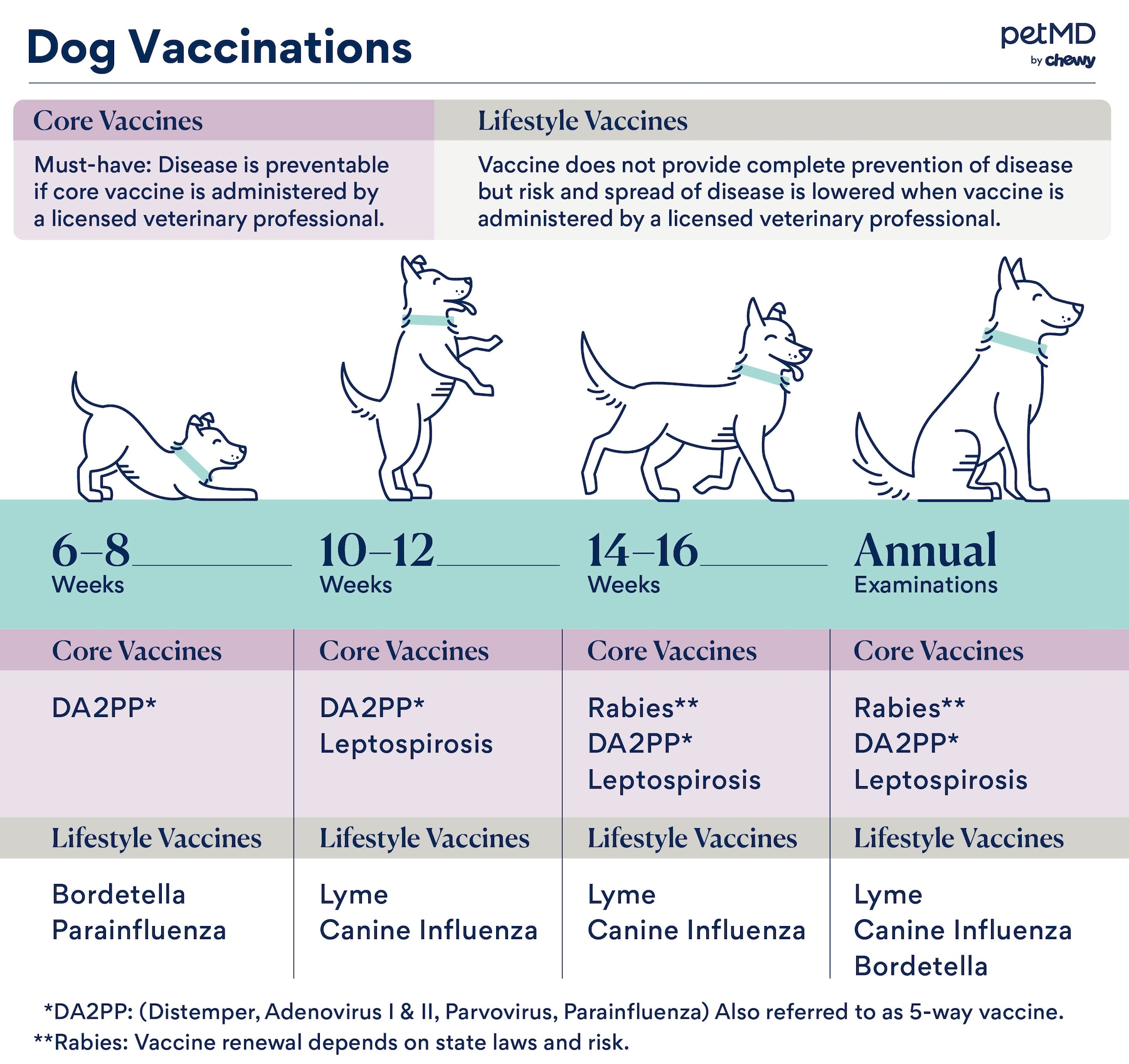
Image Source: image.petmd.com
Grasping Why Rabies Shots Are Essential
Rabies is a dangerous virus. It attacks the brain and nervous system. It spreads through the bite of an infected animal. Animals like raccoons, bats, skunks, and foxes can carry rabies. If an infected animal bites your dog, your dog can get rabies. Once a dog shows signs of rabies, there is no cure. It is always fatal.
Rabies can also spread from dogs to people. This is why rabies shots for dogs are so important. Vaccinating your dog protects them. It also puts a shield around public health. Most places have rabies shot requirements for dogs to keep everyone safe.
Composing the Typical Dog Rabies Vaccine Schedule
Getting shots on time is key. The dog rabies vaccine schedule starts when your dog is young. It then continues throughout their life. The exact timing can vary slightly. This depends on the vaccine brand and your vet’s practice. But here is the general plan:
H4: The Puppy Rabies Shot Schedule
Puppies need their first rabies shot at a certain age. This shot helps their young bodies start building protection.
- First Rabies Shot: Puppies usually get their first rabies vaccine dose when they are between 12 and 16 weeks old. Some vets may give it as early as 3 months (12 weeks).
- Booster Shot: After the first shot, puppies need a rabies booster shot for dogs. This booster is very important. It makes the protection stronger and last longer. This first booster is usually given one year after the initial puppy shot. After this first booster, the schedule changes for adult dogs.
This puppy rabies shot schedule sets the stage for protection. It builds a foundation of immunity against the virus.
H4: Adult Dog Rabies Vaccination
Once a dog has finished their puppy shots and the first one-year booster, they move to an adult schedule. This is where the frequency of rabies shots for dogs becomes important. The boosters for adult dogs are given either every one year or every three years. This depends on the type of vaccine used.
- After the First Booster: One year after the puppy rabies shot (when the dog is about 15-18 months old), they get their first adult booster.
- Future Boosters: All future rabies booster shot for dogs will follow either a 1-year or a 3-year plan. This plan is based on the vaccine your vet uses and local laws.
This adult dog rabies vaccination plan keeps their protection strong over time. It is vital to not miss these booster shots.
Deciphering The 1-Year vs 3-Year Rabies Vaccine
A big question for dog owners is the difference between the 1-year vs 3-year rabies vaccine. Both types work well. The main difference is how long the vaccine is considered effective and legal.
- 1-Year Vaccine: This type of vaccine is considered valid for one year. After one year, your dog needs another rabies booster shot for dogs.
- 3-Year Vaccine: This type is approved to provide immunity for three years. Once a dog gets the 3-year rabies vaccine, the rabies shot validity period dog is three years. They need a booster every three years.
Both vaccine types usually require the initial puppy shot followed by a booster one year later. After that first booster, the vet and owner choose the 1-year or 3-year option for future shots.
H5: Why Choose One Over the Other?
The choice between a 1-year vs 3-year rabies vaccine can depend on several factors:
- Local Laws: Some cities or counties only allow the 1-year vaccine. Or they might require the first adult booster to be a 1-year vaccine, even if a 3-year vaccine is used later. Rabies shot requirements for dogs are set by local government.
- Veterinary Recommendations: Your vet knows your dog’s health. They also know the types of rabies common in your area. They will give veterinary recommendations rabies vaccine based on this.
- Dog’s Health: For some dogs with health problems, vets might suggest the 3-year vaccine to reduce the number of shots over their life. This is if laws allow it.
- Cost: Often, the cost per year for a 3-year vaccine is less than getting a 1-year vaccine every year. But you pay for three years at once.
- Convenience: Getting a shot every three years means fewer vet visits for this specific vaccine.
It is important to know that a 3-year vaccine is not “less effective” than a 1-year vaccine. It is just tested and approved for a longer time frame.
Fathoming Rabies Shot Requirements for Dogs
Why are these shots required by law? Because rabies is a public health threat. Laws help control and prevent the spread of the disease.
- Mandatory Vaccination: In most places, is rabies shot required for dogs? Yes, it is mandatory. This means you can face fines or other penalties if your dog is not vaccinated.
- Proof of Vaccination: You must have proof your dog is vaccinated. Vets give you a rabies certificate. This certificate shows when the shot was given and when it is due next. You need this certificate for many things:
- Dog licensing
- Boarding your dog
- Taking your dog to training classes
- Traveling with your dog
- If your dog bites someone or another animal (proof of vaccination is critical)
The rabies shot requirements for dogs vary by state, county, and city. Always check the specific laws where you live. Your vet is a great resource for this information. They know the local rules.
Veterinary Recommendations Rabies Vaccine: Listening to Your Vet
Your veterinarian is your best guide for your dog’s health. This includes the dog rabies vaccine schedule. Veterinary recommendations rabies vaccine are based on science, local laws, and your dog.
- Examining Your Dog: Your vet checks if your dog is healthy enough for the vaccine. Vaccines work best in healthy dogs.
- Knowing Local Risks: Your vet knows if rabies is common in local wildlife in your area. This can play a role in their recommendation.
- Considering Your Dog’s Life: Does your dog spend lots of time outdoors? Do you go hiking? Does your dog interact with many other dogs? Your vet thinks about your dog’s lifestyle.
- Following Guidelines: Vets follow guidelines from groups like the American Animal Hospital Association (AAHA). These guidelines suggest core vaccines (like rabies) and non-core vaccines. Rabies is a core vaccine. This means it is recommended for all dogs because the disease is serious and widespread.
- Deciding on 1-Year vs. 3-Year: Your vet will discuss the 1-year vs 3-year rabies vaccine options with you. They will help you choose based on local laws and what is best for your dog.
Never hesitate to ask your vet questions about the frequency of rabies shots for dogs or any part of the dog rabies vaccine schedule. They want to help you make the right choices for your furry friend.
Understanding the Rabies Shot Validity Period Dog
The rabies shot validity period dog is the time the vaccine is considered effective and legal.
- Initial Puppy Shot: The first shot a puppy gets is often considered valid for one year.
- First Booster (around 1 year old): The booster given about one year after the puppy shot is also often considered valid for one year, regardless of the vaccine type used for later boosters. This first booster “activates” the longer-lasting immunity if you switch to a 3-year vaccine later.
- Subsequent Boosters: After the first adult booster, future boosters are either 1-year or 3-year vaccines. The rabies shot validity period dog will match the vaccine type used (1 year or 3 years).
It is crucial to get the booster before the validity period expires. Getting the shot even a day late can mean your dog is considered unvaccinated by law. This can cause problems if there is a rabies scare or a bite incident.
What Happens If a Rabies Shot is Missed?
Missing a rabies shot can leave your dog unprotected. It can also cause legal issues.
- Loss of Protection: If your dog’s vaccination expires, their immunity might go down. This makes them more likely to get rabies if exposed.
- Legal Problems: An unvaccinated dog that bites someone or another animal might be treated differently by animal control. They might need a long quarantine period or face other outcomes, even if they don’t have rabies. This is because there is no proof they are protected.
- What to Do: If you miss a shot, call your vet right away. They will tell you the best steps. Usually, they will give your dog the booster shot as soon as possible. Depending on how long it has been, your dog might need another shot sooner than the regular schedule. They will likely need a new rabies shot validity period dog certificate issued.
Staying on schedule is the easiest way to avoid these problems. Use reminders from your vet or set your own.
Addressing Common Questions About Rabies Shots
Pet owners often have questions about the rabies vaccine. Let’s look at some common ones.
H4: Are Rabies Shots Safe?
Yes, rabies vaccines are very safe. They have been used for many years in millions of dogs. They are a key tool in stopping rabies.
H4: Are There Side Effects?
Most dogs have no side effects. Some might have mild, short-term effects:
- Slight pain or swelling where the shot was given.
- Feeling tired or less active for a day.
- Mild fever.
- Loss of appetite for a short time.
These effects usually go away on their own within a day or two. Serious side effects, like allergic reactions, are very rare. Always watch your dog after any vaccine. If you see worrying signs (trouble breathing, swelling face, vomiting, weakness), call your vet fast.
H4: Can an Indoor Dog Skip the Rabies Shot?
No. Even dogs who live only inside need the rabies shot. Is rabies shot required for dogs, even indoor ones? Yes, by law in most places. Also, indoor dogs are not totally safe from rabies exposure. A bat could get into your house. Your dog could get outside by accident. Given how deadly rabies is, it is not a risk worth taking. The rabies shot requirements for dogs apply to all dogs, regardless of lifestyle.
H4: Does the Rabies Shot Hurt My Dog?
Getting any shot can be a little uncomfortable for a dog, just like for a person. The brief poke of the needle might cause a moment of discomfort. Your vet and vet tech try to make it as quick and stress-free as possible. Most dogs handle it very well.
H4: Can My Dog Still Get Rabies After Getting the Shot?
Vaccines are very effective, but no vaccine is 100% perfect. However, vaccination greatly reduces the risk. If a vaccinated dog is exposed to rabies, they are much more likely to fight off the virus or have a less severe case. The vaccine provides a very high level of protection, making rabies rare in vaccinated dogs. This is why following the dog rabies vaccine schedule and maintaining the rabies shot validity period dog is so important.
Keeping Good Records
It is very important to keep good records of your dog’s vaccinations. Your vet gives you a rabies certificate after each shot. Keep this in a safe place.
- What the Certificate Shows:
- Your dog’s name and description.
- The date the vaccine was given.
- The type of vaccine (1-year or 3-year).
- The date the next booster is due (the expiration date). This is the rabies shot validity period dog.
- Your vet’s information.
This certificate is your proof of vaccination. You will need it often. Taking a picture of it on your phone is a good idea too.
Summarizing the Frequency of Rabies Shots for Dogs
Let’s quickly recap the general frequency of rabies shots for dogs:
- Puppy Shot: First dose around 12-16 weeks old.
- First Booster: One year after the puppy shot (around 15-18 months old). This establishes the adult vaccination cycle.
- Future Boosters: Every 1 or 3 years after the first booster, depending on the vaccine used and local laws. This continues for the dog’s entire life.
This dog rabies vaccine schedule is a standard guide. Always confirm the exact timing and vaccine type with your veterinarian. They will make veterinary recommendations rabies vaccine specific to your dog and location.
Table: Comparing 1-Year and 3-Year Rabies Vaccines
| Feature | 1-Year Rabies Vaccine | 3-Year Rabies Vaccine |
|---|---|---|
| Validity Period | 1 year | 3 years |
| Booster Frequency | Every 1 year | Every 3 years |
| Initial Use | Often required for the first adult booster | Often used for subsequent boosters (after the first adult 1-year booster) |
| Legal Requirement | Often required by local laws | May be allowed by local laws |
| Protection Level | Provides effective protection | Provides effective protection for a longer time |
| Number of Shots Over Time | More frequent vet visits for this shot | Less frequent vet visits for this shot |
Remember, both types usually start after the initial puppy shot and the first booster given one year later. The rabies shot validity period dog is key for legal proof.
FAQs: Your Questions Answered
H4: What age should my puppy get their first rabies shot?
Puppies usually get their first rabies vaccine dose between 12 and 16 weeks of age. Your vet will time this correctly within their overall puppy rabies shot schedule.
H4: Does the 3-year rabies vaccine cost more than the 1-year?
The price per shot is usually higher for a 3-year vaccine than a 1-year vaccine. However, over three years, the total cost for the 3-year option is often less than getting three 1-year shots.
H4: Can I get my dog’s rabies shot at a low-cost clinic?
Yes, many areas have low-cost vaccine clinics. They often offer rabies shots. Just make sure the clinic provides a valid rabies certificate. This is needed to meet rabies shot requirements for dogs.
H4: My dog had a bad reaction to a vaccine before. Should they still get the rabies shot?
Talk to your vet. They can discuss the risks and benefits. They might suggest giving the rabies shot alone, separate from other vaccines, or taking other steps to reduce the chance of a reaction. The importance of the rabies vaccine is very high.
H4: What if I adopted an adult dog and don’t know their shot history?
Your vet will likely give the dog a rabies shot. They will then start a new dog rabies vaccine schedule based on that date. They will treat it as the dog’s first adult shot and recommend a booster schedule from there.
Conclusion
Knowing how often should your dog have a rabies shot is a key part of being a good dog owner. The standard dog rabies vaccine schedule starts with a puppy shot, followed by a booster one year later. After that, frequency of rabies shots for dogs is typically every one or three years, depending on the vaccine type and local laws.
Meeting rabies shot requirements for dogs is not just about following rules. It is about protecting your beloved pet from a deadly disease. It is also about keeping your community safe. Always follow veterinary recommendations rabies vaccine and keep track of your dog’s rabies shot validity period dog. Regular vaccinations are a simple but powerful way to ensure your dog lives a long, healthy life by your side. If you have any doubts, your vet is the best person to ask about your dog’s specific adult dog rabies vaccination needs.