
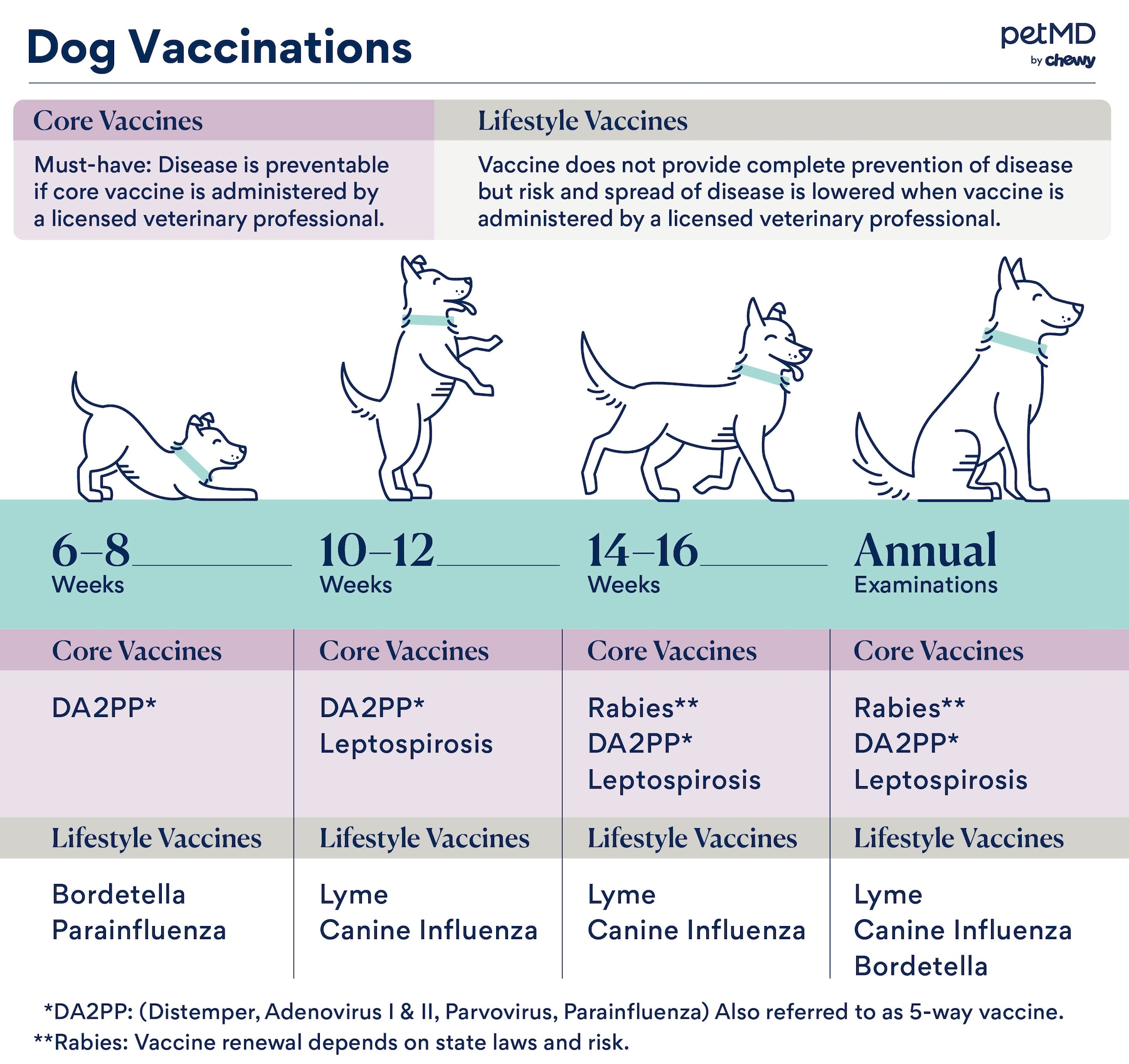
Image Source: image.petmd.com
Know How Often Should Dog Get Rabies Shot – Vet Advice
How often should a dog get a rabies shot? Most dogs need a rabies shot every one or three years. It depends on the kind of shot your vet uses. It also depends on the laws where you live. The first shot is often given when a puppy is a few months old. Then they need a booster shot one year later. After that, it’s usually every 1 or 3 years. Rabies is a very serious sickness. The shot keeps your dog safe. It also keeps people safe.
What Rabies Is
What is rabies? Rabies is a bad sickness. It attacks the brain. It is almost always fatal. This means animals and people die from it. Rabies spreads through spit, usually from a bite. Wild animals like raccoons, bats, and foxes can carry rabies. Dogs can get rabies if a sick animal bites them. Then, a sick dog can bite a person or another animal. This spreads the sickness. It is very important to stop rabies.
Why Getting the Shot Matters
Why does your dog need this shot? The rabies shot does many things.
- It protects your dog. If a sick animal bites your dog, the shot helps stop them from getting rabies. This saves your dog’s life.
- It protects you and your family. A dog with rabies can bite a person. The shot stops your dog from getting rabies. This keeps you safe.
- The law in many places says dogs must get this shot. This helps stop rabies from spreading in the whole area.
Getting the rabies shot is a key part of taking care of your dog. It is a small step that gives big protection. It follows the rules to keep everyone safe.
Grasping the Rabies Shot Times
Knowing when your dog needs a rabies shot is important. It is not just a one-time thing. Dogs need shots over their whole life. This follows a plan called the dog rabies vaccine schedule. This schedule has key steps. It starts when they are young. It continues as they get older.
Puppy’s First Rabies Shot
Puppies need their first rabies shot at a certain age. This is the start of their protection. Most vets give the first rabies shot when a puppy is between 12 and 16 weeks old. That is about 3 to 4 months old.
Why wait until then? Before this age, the puppy might still have protection from its mother. This protection is called maternal antibodies. These antibodies are in the mother’s milk. They help the puppy fight off sickness early on. But these antibodies can also stop the vaccine from working well. The vaccine is like a training exercise for the body. The mother’s antibodies might stop the training. So, vets wait until the puppy is a bit older. By 3 to 4 months, the mother’s antibodies are lower. The puppy’s body can then respond better to the vaccine.
Your vet will tell you the right time for your puppy’s first shot. This depends on the puppy’s exact age and health. This first shot is very important. It starts the process of building protection. It marks the start of the official dog rabies vaccine schedule for your pet. The age of the puppy for this first shot is known as the puppy rabies vaccination age. This first shot is the first step in a lifelong plan.
The First Booster Shot
After the first rabies shot, puppies need another one. This is called a booster shot. This first booster is very important. It helps the puppy’s body build strong, lasting protection against rabies. The first shot starts the protection. The booster shot makes it stronger and makes it last longer.
This first booster is usually given about one year after the first puppy shot. So, if your puppy got its first shot at 4 months old, the first booster will be around 16 months old. This shot is sometimes called the first adult dog rabies booster because the dog is nearing or is an adult at this point.
This booster is needed for puppies to have good, long-term protection. Without this booster, the protection from the first shot might not be enough. It is a key part of the standard dog rabies vaccine schedule. Your vet will tell you when this shot is due. Look at your dog’s vaccine paper. It will say the date the first shot was given. It will also say when the next shot is due. This next shot is the first yearly booster. It builds up the protection started by the puppy shot.
Choosing the Next Shots: 1-Year vs. 3-Year
After the first booster shot, things can change. Your dog will need more rabies shots over their life. How often? This is where you usually have a choice, based on rules and vaccine type. There are two main kinds of rabies vaccines for dogs used after the first booster.
One is a 1-year vaccine. The other is a 3-year vaccine. Your vet will use one of these. The choice depends on a few things.
- The type of vaccine used. Some vaccines are made to protect for one year. Some are made to protect for three years.
- The law in your state or town. Some places only allow the 1-year shot. Some places allow the 3-year shot after the first booster. We will talk more about this later.
The 3-year shot lasts longer. It still gives good protection. It has been tested by the companies that make it. These tests show it protects for three years. The government checks these tests. They approve the vaccine.
The law usually says if a 3-year shot counts for the legal requirement. Most states accept the 3-year vaccine if it is given correctly after the first booster. But you should always check the specific state rabies laws for dogs where you live.
This decision impacts your dog’s rabies shot frequency for the rest of their life. Will they get an annual rabies shot for dogs? Or will they get a shot every three years, which is the 3-year rabies vaccine for dogs?
How long does rabies vaccine last dog? A 1-year shot lasts for one year. The protection is good for about 12 months. A 3-year shot lasts for three years. The protection is good for about 36 months. The key is that the 3-year vaccine is only valid for 3 years if the state or local law allows it and it was given after the first 1-year booster.
If a dog got the 3-year vaccine as their first booster (1 year after the puppy shot), then their next shot would be due in 3 years. After that, it would be every 3 years. This keeps the 3-year validity going.
If a dog gets a 1-year vaccine after the first booster, they will need a shot every year after that. This means they will get an annual rabies shot for dogs.
Your vet will tell you what options are available based on the vaccines they use and the laws in your area. Most vets offer the 3-year vaccine if it is allowed by law. It means fewer shots for your dog over their life.
Deciphering What the Law Says
This is a very big part of when your dog needs a rabies shot. Rabies vaccination is not just for health reasons. It is often the law. Following the law is critical for dog owners. These are called dog vaccination requirements.
Every state in the U.S. has its own laws about rabies for dogs. Cities and towns can also have their own rules. These state rabies laws for dogs tell you several important things:
- When the first puppy shot is needed. Most states say it must be given by a certain age, like 4 or 6 months old. This sets the puppy rabies vaccination age for legal purposes.
- When the first booster is needed. Almost all states require a booster shot about one year after the first puppy shot. This first adult dog rabies booster is key for legal proof.
- If the 3-year vaccine is allowed after the first booster. Many states accept the 3-year vaccine. But some might still require an annual rabies shot for dogs, even if the 3-year shot is available. This is less common now, but it’s important to check.
- How often your dog must get a shot after the first booster. This decides the standard rabies shot frequency in your area. Is it every year? Or is it every three years if you use the 3-year vaccine?
- What proof you need. The law usually requires you to have a rabies certificate. This paper shows your dog was vaccinated by a licensed vet. You might also need to put a rabies tag on your dog’s collar.
These dog vaccination requirements can be very different from place to place. What is okay in one state might not be okay in another. If you move to a new state or town, you need to check their local laws. Your dog’s old vaccine might be fine, but you need to know the new rules.
You must follow the law where you live. If you do not follow the law, there can be problems.
- Fines: You can get a ticket and have to pay money.
- Problems if your dog bites someone: This is a big reason why the law is strict. If your dog bites a person or another animal and is not up-to-date on their rabies shot, the law might say your dog needs to be watched for rabies signs. This is called quarantine. This can mean staying at a vet clinic or another place for 10 days or longer. This is stressful for your dog and for you. It also costs money. If your dog is up-to-date on the rabies shot and bites someone, the quarantine rules are often different and less strict. Having the shot protects your dog legally if an incident happens.
Your vet will know the state rabies laws for dogs in your area. Always ask them about the rules. They can make sure your dog’s dog vaccination requirements are met. This keeps your dog safe and keeps you from having legal trouble. The rabies shot frequency is often decided by these important laws.
Reading Your Rabies Certificate
Your vet gives you a paper after the shot. This is a rabies certificate. This piece of paper is very important. Keep this paper safe. It is the official proof that your dog got the rabies shot.
This paper shows key information you need to know.
- Your dog’s name and description. This shows the certificate belongs to your pet.
- The date the shot was given. This is the day your dog got vaccinated.
- The type of vaccine used. It will say if it was a 1-year or a 3-year vaccine. This tells you how long the protection is expected to last and when the next shot is due.
- When the next shot is due. This is the most important date for you to know. It is the date your dog’s rabies protection legally runs out. You must get the next shot before this date.
- The vaccine maker and lot number. This helps track the specific shot used.
- The vet’s name and clinic info. This shows a licensed vet gave the shot.
The certificate is key for knowing your dog’s rabies shot frequency. It clearly states if it was an annual rabies shot for dogs (due in one year) or a 3-year vaccine for dogs (due in three years).
You might need to show this certificate for several reasons:
- Licensing your dog. Many towns require proof of rabies vaccination to get or renew a dog license.
- Boarding your dog. If you need to leave your dog at a kennel, they will ask for proof of rabies shots.
- Doggy daycare. Similar to boarding, they need proof for safety reasons.
- Traveling with your dog. Some places, especially across state lines or flying, might ask for proof of vaccination.
- If your dog bites someone. This is when the certificate is most critical for showing you followed the law.
Always store this paper in a safe place. Maybe with your dog’s other vet records. Taking a picture on your phone is also a good idea so you have it handy.
Elements That Shape the Schedule
So, many things help decide your dog’s exact dog rabies vaccine schedule. It’s not just one simple rule for every dog. These elements work together to set the rabies shot frequency.
- Age: A puppy’s needs are different from an adult dog’s. The puppy rabies vaccination age for the first shot starts the schedule. The first adult dog rabies booster at one year is another key point based on age. Older dogs might have health issues to consider, which you’d discuss with your vet.
- Vaccine Type: Is it a 1-year or 3-year vaccine? This directly impacts how long does rabies vaccine last dog and when the next shot is due. If a 3-year vaccine is used and accepted, the shots are less frequent. If only a 1-year vaccine is allowed or used, the shots are needed every year (annual rabies shot for dogs).
- Location: Where you live is very important. State rabies laws for dogs and town rules set the minimum dog vaccination requirements. These laws often say which type of vaccine is accepted and how often it must be given. Your dog’s schedule must meet these local laws.
- Vet’s Advice: Your vet is the expert. They look at your specific dog. They think about your dog’s health history. They know the local laws. They also know the latest information about vaccines. They help you plan the best and safest schedule for your dog. Sometimes, based on health, a vet might advise a specific type or timing, although legal requirements for rabies usually must be met.
- Dog’s Health: Most dogs need the rabies vaccine. But if a dog has certain serious health problems, a vet might suggest talking to a specialist. In very rare cases, a medical waiver might be possible if the vaccine would seriously harm the dog. But this is rare for rabies and depends heavily on state laws. Always talk to your vet about your dog’s health before vaccination.
All these factors come together to create your dog’s personal rabies shot frequency and dog rabies vaccine schedule. This schedule makes sure your dog is protected and that you follow the dog vaccination requirements in your area.
Rabies as a Principal Vaccine Type
The rabies vaccine is special. It is called a ‘core’ vaccine. Core vaccines are shots that most dogs need to get. Vets and health groups agree that these shots are very important for almost all dogs. They protect against sicknesses that are:
- Very serious or deadly.
- Easy to catch or spread widely.
- A risk to public health (meaning people can catch them too).
Rabies is a core vaccine because the sickness is deadly for dogs and a danger to people too. It fits all the reasons for being a core vaccine.
What are other core dog vaccines? Puppies get a series of shots that protect against several bad diseases. These are usually given together in one shot. Common core dog vaccines include:
- Canine Distemper: A serious sickness that affects breathing, brain, and other body parts. Often fatal.
- Canine Parvovirus: A very contagious and often deadly sickness that causes severe throwing up and diarrhea.
- Canine Adenovirus (Hepatitis): Affects the liver. Can be deadly.
Puppies usually start getting shots for Distemper, Parvo, and Adenovirus when they are around 6-8 weeks old. They get more shots every few weeks until they are about 16 weeks old. The rabies shot (puppy rabies vaccination age) is usually given a bit later than the start of these other core shots, often around 12-16 weeks old.
So, while your puppy is getting their first core dog vaccines, the rabies shot is also a core part of that plan. It is just timed a little differently at the start. Getting all core vaccines is a basic step in good dog care.
What Happens If a Shot Is Late?
Life happens. Maybe you forgot the date. Maybe your dog was sick around the time the shot was due. What happens if your dog misses a rabies shot? Or if they get it after the due date on the certificate?
If your dog is overdue for a rabies shot, they are not protected anymore. The vaccine protection lessens over time. If your dog is bitten by a wild animal while overdue, they are at higher risk of getting rabies. This is risky for your dog’s health.
It can also cause legal problems. Remember, rabies vaccination is often a legal requirement. If your dog bites someone (another animal or a person) and is not up-to-date on their rabies shot, the law is very strict. In many places, this means the dog must be quarantined.
Quarantine means the dog must be kept apart from people and other animals to see if they show signs of rabies. This is usually for 10 days. This might happen at your home if the local rules allow and you can keep the dog fully separated. More often, it means the dog has to stay at an animal shelter or a vet clinic. This is scary and stressful for your dog. It also costs money for their care during that time. If the bite is bad or rules are very strict, the results can be worse.
If your dog was up-to-date on the rabies shot and bites someone, the rules are usually different. Often, if the dog is healthy and vaccinated, they can stay home and just be watched by the owner for 10 days. This is much better than forced quarantine away from home.
So, if your dog is late for a shot, call your vet right away. Do not wait. They will tell you what to do. Usually, they will just give the shot as soon as possible. They will restart the schedule from that date. Getting the shot late is much better than not getting it at all.
It’s best to stay on the dog rabies vaccine schedule. Mark the date on your calendar. Ask your vet for a reminder. Make sure you know the next date for the annual rabies shot for dogs or the 3-year rabies vaccine for dogs.
Possible Side Effects of the Rabies Shot
Most dogs do very well after getting a rabies shot. The benefits of protecting against a deadly disease far outweigh the small risks of side effects. But, like any medicine or shot, there can be some side effects. These are usually mild and do not last long.
Common, mild side effects include:
- Soreness or swelling where the shot was given. This is the most common side effect. It might hurt a little when you touch the spot. It usually goes away in a day or two.
- Feeling a little tired or less active. Your dog might just want to rest more than usual for a day.
- Slight fever. Your dog might feel a bit warm.
- Not wanting to eat much. They might skip a meal or eat less for a day.
- Mild swelling of the face or hives (itchy bumps). This is less common but can happen.
These mild signs usually start a few hours after the shot. They typically go away within 24-48 hours.
In very rare cases, a dog can have a more serious reaction to any vaccine, including rabies. These severe reactions are not common, but you should know what to watch for.
Signs of a severe reaction include:
- Swelling of the face, muzzle, or eyes that is bad or gets worse fast.
- Hives all over the body that are very itchy.
- Throwing up (vomiting).
- Diarrhea.
- Trouble breathing, coughing, or wheezing.
- Collapse or acting very weak.
These severe signs usually happen very soon after the shot, often within minutes or a few hours. If you see any of these worrying signs, especially swelling or trouble breathing, call your vet right away. This is an emergency.
It is important to stay at the vet clinic for 15-30 minutes after your dog gets any vaccine. This way, if a rare, serious reaction happens quickly, the vet team is right there to help.
For most dogs, the rabies shot is safe and causes only minor, short-term issues, if any. The protection it gives against a deadly disease is crucial.
Bringing It All Together: Your Dog’s Plan
So, putting it all together, your dog’s rabies shot plan looks like this:
- First shot as a puppy: Around 12-16 weeks old (puppy rabies vaccination age). This starts the dog rabies vaccine schedule.
- First booster: About one year after the first shot (first adult dog rabies booster). This is very important for lasting protection.
- Next shots: Based on the type of vaccine (annual rabies shot for dogs or 3-year rabies vaccine for dogs) and state/local laws (state rabies laws for dogs, dog vaccination requirements). This sets the regular rabies shot frequency. This continues for the dog’s whole life.
Always know the due date for your dog’s next rabies shot. Keep your rabies certificate safe. Follow the laws in your area. Work with your vet to make sure your dog stays protected. The rabies vaccine is a core dog vaccine for a very good reason – it saves lives and protects communities.
Common Questions About Rabies Shots
Here are answers to questions many dog owners ask about rabies shots:
Does my indoor dog need a rabies shot?
Yes, in almost all places, the law requires all dogs to be vaccinated for rabies, even if they live only inside. Why? An indoor dog could accidentally get outside. Or a sick animal like a bat could get into your house. Rabies is so serious that laws require vaccination for all dogs to create a safety net for everyone in the community. Your indoor dog still needs to meet the dog vaccination requirements.
Is the 3-year shot as good as the 1-year shot?
Yes. The 3-year rabies vaccine for dogs gives protection that lasts for three years. It has been tested and proven to work for that time. The protection level is good. The rabies shot frequency is just less often.
Can the shot make my dog sick?
Usually, no. Most dogs have no side effects or only mild ones like being tired or sore for a day. Serious reactions are very rare. The risk from rabies sickness is much higher than the risk from the shot.
Do old dogs need rabies shots?
Yes, generally, older dogs still need rabies shots to stay protected and to meet legal requirements. Rabies is still a risk for older dogs. However, if your older dog has serious health problems, talk to your vet. They can help you decide the best plan based on your dog’s overall health, while still trying to meet legal needs.
What if I just got a dog and don’t have papers for their shots?
If you adopt a dog and don’t know their shot history, take them to a vet. The vet will likely give them a rabies shot. This is the safest thing to do. It also makes sure you start following the state rabies laws for dogs right away. Even if they had a shot before, giving one again is usually safe and ensures they are legally vaccinated.
Can I give my dog the rabies shot myself?
No. Rabies shots must be given by a licensed veterinarian. This is required by law in all places. It makes sure the shot is stored right, given the right way, and that a record is made (the rabies certificate). It also means a vet is there if there is a rare reaction. You cannot legally vaccinate your dog for rabies yourself.
How much does a rabies shot cost?
The cost of a rabies shot can be different depending on where you live and the vet clinic. It is usually one of the less expensive vaccines. It often costs between $10 and $30, not including the vet visit fee. Compared to the cost if your dog gets rabies or the legal costs from a bite if your dog is unvaccinated, the shot is very cheap protection.
How long does it take for the rabies vaccine to protect my dog?
The rabies vaccine does not protect right away. It takes time for your dog’s body to build protection. After the first rabies shot, it usually takes about 28 days (4 weeks) for a dog to be considered protected. After a booster shot given on time, they are usually considered protected right away or very quickly. This is why staying on the dog rabies vaccine schedule is important.
Are there different brands of rabies vaccine?
Yes, different companies make rabies vaccines. Your vet will use a vaccine that is approved for use in your area. They will choose a vaccine they trust. The brand does not change whether it is a 1-year or 3-year vaccine; that is based on how the vaccine was made and tested.
What if my dog bites someone right before their rabies shot is due?
Even if it’s the day before the shot is due, if the shot is not current on the date of the bite, your dog is legally considered unvaccinated in many places. This means they might need to go through quarantine. This shows how important it is to get the shot before the due date on the certificate.
Talking to Your Vet Is Key
Your veterinarian is your best source of information for your dog’s health. They know your dog’s health history. They know the specific dog rabies vaccine schedule they recommend. They know the state rabies laws for dogs and local dog vaccination requirements in your area.
Do not guess about when your dog needs their rabies shot. Ask your vet. Look at your dog’s rabies certificate. Mark the date on your calendar. Staying on top of the rabies shot frequency is a simple but powerful way to keep your dog safe, keep your family safe, and follow the law. It is a basic but vital part of responsible dog ownership.