
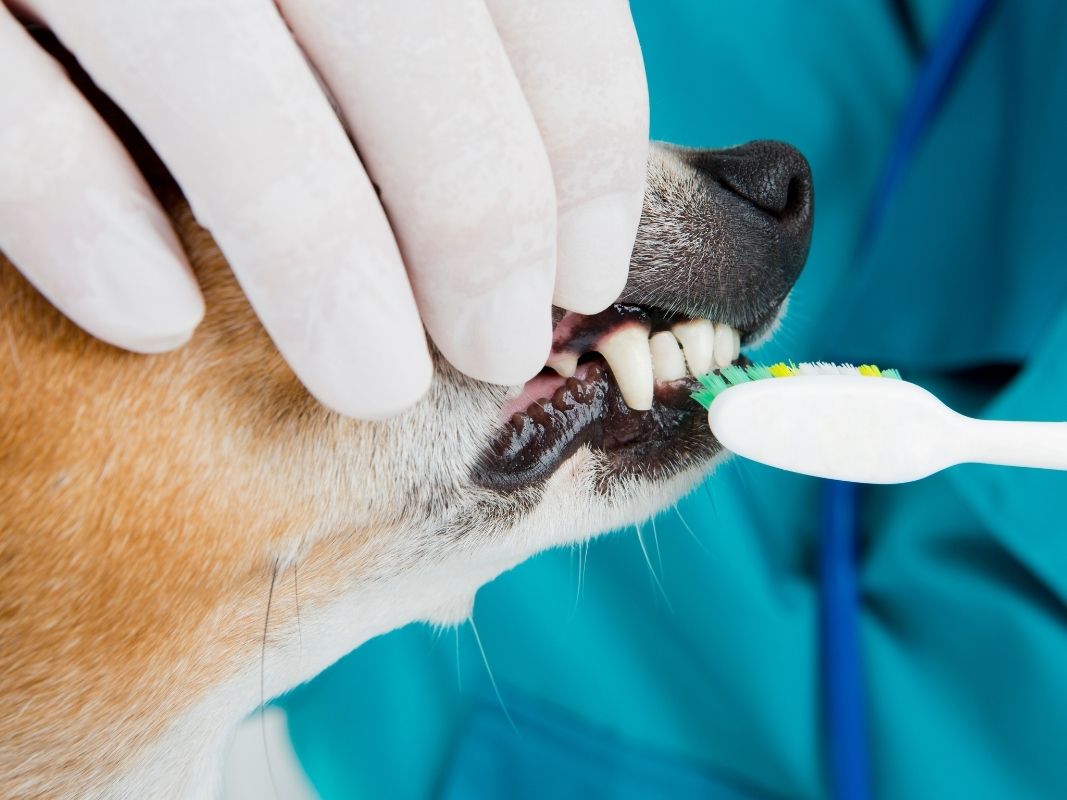
Image Source: www.animalmedicalcenterav.com
Guide: How Often Should A Dog Get Their Teeth Cleaned
A dog’s teeth need cleaning often. Most dogs need their teeth brushed at home every day. They may also need a professional cleaning by a vet every one to three years. This depends on the dog. It also depends on their breed, age, and how well you clean their teeth at home. Keeping a dog’s mouth clean is very important for their health. It helps them live a long, happy life.
The Big Picture: Why Dental Care Matters for Dogs
Taking care of your dog’s teeth is a big deal. Many people forget about it. But it is as vital as good food or walks. Poor dental care can cause big problems.
Bad Breath: More Than Just a Smell
You might notice your dog’s breath smells bad. This is called “halitosis.” It is not normal. Bad breath often means germs are growing in their mouth. These germs make plaque. Plaque turns into hard tartar. This buildup holds more germs. This is a clear sign dog needs teeth cleaned.
Pain and Discomfort
When teeth get dirty, gums get sore. They become red and swollen. This is gum disease, or gingivitis. It hurts your dog. Eating can become painful. Your dog might stop playing. They might not want to chew toys. They could even lose weight because eating is hard.
Serious Health Issues
The germs in your dog’s mouth do not stay there. They can travel. They go into the bloodstream. From there, they can harm other parts of the body. Organs like the heart, kidneys, and liver can get sick. This shows the true importance of dog dental health. Good mouth care helps prevent these serious problems. This is a key part of dog gum disease prevention.
Deciphering Dog Teeth Cleaning Frequency
How often should a dog get their teeth cleaned? There is no single answer. It is different for every dog. Think of it like people. Some people need more dental work than others.
Things That Affect Cleaning Needs
- Breed Size: Small dogs often need more dental care. Their teeth are closer together. This makes it easier for food and germs to get stuck. Breeds like Chihuahuas and Yorkshire Terriers are more prone to dental issues.
- Age: Older dogs tend to have more dental problems. Their teeth have been used longer. Plaque and tartar build up over time. Puppies have different needs. We will talk about
puppy dental care timelinelater.Adult dog teeth cleaning frequencyis often the main concern. - Diet: What your dog eats matters. Some foods help keep teeth cleaner. Others can lead to more buildup. We will discuss dental diets soon.
- Chewing Habits: Dogs who chew on safe, hard toys might have cleaner teeth. The chewing action helps scrape off some plaque. But it is not enough on its own.
- Genetics: Some dogs just have healthier teeth than others. It is in their genes.
General Advice on Cleaning
In general, most dogs need daily at-home care. This is the best way to manage plaque. Professional cleaning by a vet helps remove tartar. This professional dog dental cleaning schedule often means a visit every 1 to 3 years. Your vet will tell you the exact time. This is part of vet recommended dog teeth cleaning.
At-Home Dental Care: The Daily Practice
Daily home care is the most important part of canine oral hygiene recommendations. Brushing your dog’s teeth every day is the best way to keep them clean. It is like brushing your own teeth.
Starting an At-Home Dog Teeth Brushing Routine
It is best to start brushing early. Begin when your dog is a puppy. This makes it a normal part of their day.
How to Brush Your Dog’s Teeth
- Get Ready: You need dog-specific toothpaste. Never use human toothpaste. It has stuff that is bad for dogs. Get a dog toothbrush. Finger brushes work well too.
- Start Slow: Let your dog lick some toothpaste from your finger first. Let them get used to the taste.
- Touch Their Mouth: Gently rub your finger along their gums and teeth. Do this for a few days. Praise them a lot.
- Use the Brush: Put a little toothpaste on the brush. Gently lift your dog’s lip. Brush a few teeth. Focus on the outer surfaces. These are where plaque builds up most.
- Go Easy: Brush in small circles. Be gentle. Do not push too hard.
- Increase Time: Work up to brushing all teeth. Aim for at least one minute on each side of the mouth.
- Make it Fun: Always end with praise and a small treat. Make it a positive time.
Do this every day if you can. If not, every other day is better than never. This at-home dog teeth brushing routine is the best defense against dental problems.
Other Helpful At-Home Products
Brushing is number one. But other products can help too.
Table: At-Home Dental Products for Dogs
| Product Type | How It Helps | Important Notes |
|---|---|---|
| Dog Toothpaste | Safe for dogs to swallow; tasty flavors | Must be dog-specific; never use human toothpaste |
| Dog Toothbrush | Designed for dog mouths (long handle, soft bristles) | Finger brushes are good for starting or small dogs |
| Dental Chews | Help scrape teeth as dogs chew; often have active ingredients | Choose vet-approved ones; do not replace brushing |
| Water Additives | Added to drinking water; help reduce plaque germs | Easy to use; best for dogs who will not let you brush |
| Dental Diets | Special kibble that scrubs teeth; slows tartar build-up | Prescription diets are best; talk to your vet |
| Oral Rinses/Gels | Applied to gums; help fight bacteria | Good for spot treatment or when brushing is hard |
Always check with your vet before adding new products. They can guide you to the best choices.
Professional Dental Cleaning: A Deeper Dive
Even with daily home brushing, most dogs will need a professional cleaning. This is done by a vet. It is usually done under anesthesia. This professional dog dental cleaning schedule is vital for complete mouth health.
Why Anesthesia Is Needed
You might worry about anesthesia. It is true there are small risks. But for dental work, it is usually necessary. Here is why:
- Full Check: The vet can look at every tooth and gum area. This includes hidden spots.
- Deep Clean: They can clean below the gum line. This is where most serious disease hides. You cannot reach this at home.
- No Pain: Your dog feels no pain during the cleaning.
- Safety: The dog stays still. This prevents accidents. It lets the vet use sharp tools safely.
Vets take many steps to make anesthesia safe. They do blood tests first. They watch your dog closely during the procedure. They keep them warm.
What Happens During a Professional Cleaning
A vet recommended dog teeth cleaning often involves these steps:
- Pre-Anesthetic Exam: The vet checks your dog. They do blood tests. This makes sure your dog is healthy enough for anesthesia.
- Anesthesia and Monitoring: Your dog is given medicine to sleep. A vet tech watches their heart rate, breathing, and blood pressure.
- Oral Exam: Once asleep, the vet does a full mouth check. They look for any problems. They may use a probe to measure gum pockets.
- Scaling (Cleaning): Special tools are used to scrape off plaque and tartar. This is done above and below the gum line. Ultrasonic scalers vibrate to break up hard tartar. Hand tools finish the job.
- Polishing: After scaling, teeth are polished. This makes the tooth surface smooth. A smooth surface makes it harder for new plaque to stick.
- Dental X-rays: Often, x-rays are taken. These show problems under the gum line. This includes root issues or bone loss. These problems cannot be seen with the eye.
- Extractions (if needed): If a tooth is too diseased, it might need to be pulled. This is done carefully.
- Recovery: Your dog slowly wakes up from anesthesia. They are watched closely until fully awake.
This detailed process highlights the importance of dog dental health. It goes far beyond what you can do at home.
How Often to Schedule Professional Cleanings
As mentioned, this varies. For most dogs, a professional cleaning is needed every 1 to 3 years.
- Young, Healthy Dogs with Good Home Care: May only need cleaning every 2-3 years.
- Small Breeds, Older Dogs, or Dogs with Poor Home Care: Might need yearly cleanings. Some may even need it twice a year.
- Dogs with Gum Disease: If your dog has active gum disease, they will need more frequent cleanings. This helps manage the disease.
Your vet will give you the best advice for your dog. They will look at your dog’s mouth. They will tell you the ideal dog teeth cleaning frequency.
When Your Dog Needs a Cleaning: Key Indicators
How do you know when it is time for a professional cleaning? Your dog cannot tell you. But they will show signs dog needs teeth cleaned. Look for these clues:
Table: Signs Your Dog Needs Dental Care
| Sign | What It Looks Like | Why It’s a Problem |
|---|---|---|
| Bad Breath | Strong, foul smell from their mouth | Germs growing in plaque and tartar |
| Red, Swollen Gums | Gums look red, puffy, or bleed easily | Gingivitis, the first stage of gum disease |
| Yellow or Brown Teeth | Visible buildup on tooth surfaces | Plaque turning into hard tartar |
| Drooling More Than Usual | Excessive saliva coming from the mouth | Pain or infection in the mouth; body’s reaction |
| Difficulty Eating | Not wanting to eat, chewing on one side, dropping food | Mouth pain, loose teeth, or gum disease |
| Pawing at Mouth | Rubbing face, pushing at their mouth with paws | Pain or irritation inside the mouth |
| Loose or Missing Teeth | Teeth that wiggle or gaps where teeth should be | Advanced gum disease; bone loss around the tooth |
| Bleeding from Mouth | Seeing blood on toys, food, or in drool | Serious gum disease or injury |
| Less Playful / Energy | Seems tired, does not want to play, hides | Pain or discomfort from dental problems affecting overall mood |
| Swelling on Face | A lump or swelling, especially below an eye or on the jaw | Abscess (infection) from a bad tooth root |
If you see any of these signs, call your vet right away. Do not wait. Early care can prevent bigger problems. This is key to dog gum disease prevention.
Dental Care Across Dog Life Stages
A dog’s dental needs change as they grow older. Let’s look at the dog teeth cleaning frequency through their life.
Puppy Dental Care Timeline
Puppies have baby teeth first. These fall out. Then their adult teeth grow in.
- Birth to 8 Weeks: Puppies have small, sharp baby teeth. You can gently touch their mouths. Get them used to having their face and mouth handled.
- 8 Weeks to 6 Months: Baby teeth start to fall out. Adult teeth come in. This is a good time to start a
puppy dental care timeline. Get them used to a toothbrush. Use a soft finger brush or a gauze pad. Let them chew on safe puppy chew toys. This helps with teething. - First Vet Visit: Your vet will check your puppy’s mouth. They will make sure adult teeth are coming in right. Sometimes, baby teeth do not fall out. These might need to be pulled. This is often done when the puppy is spayed or neutered.
The goal with puppies is to make dental care a positive habit. This sets them up for good canine oral hygiene recommendations for life.
Adult Dog Teeth Cleaning Frequency
Once your dog has all their adult teeth, daily care becomes even more vital. This is the main time for adult dog teeth cleaning frequency discussions.
- Daily Brushing: Aim for every day. If not, every other day.
- Yearly Vet Checks: Your vet will check your dog’s mouth at their yearly check-up. They will look for signs of plaque and gum disease. They will tell you when a professional cleaning is needed.
- Professional Cleanings: As discussed, this is often every 1 to 3 years. It depends on the dog. Your vet will guide you.
Many small dogs need their first professional cleaning by age 2 or 3. Bigger dogs might wait until age 3 or 4. Again, this is general. Each dog is special.
Senior Dog Dental Care
Older dogs often have more dental problems. Years of chewing and eating take a toll. Their immune systems might be weaker too. This can make gum disease worse.
- More Frequent Checks: Senior dogs might need more frequent vet checks of their teeth.
- More Frequent Cleanings: Some older dogs might need professional cleanings every year. Or even more often.
- Focus on Comfort: If a senior dog has many bad teeth, the focus might be on removing painful ones. This improves their quality of life.
Even with age, good dental care can greatly improve a senior dog’s health. It helps them eat well and feel good.
Creating a Custom Dental Plan for Your Dog
The best dental care for your dog is a plan made just for them. It takes work from both you and your vet.
Working with Your Vet
Your vet is your best friend for your dog’s teeth. They know your dog’s full health history.
- Ask Questions: Do not be afraid to ask about
dog teeth cleaning frequency. Ask about the process. Ask about costs. - Follow Advice: If your vet says your dog needs a cleaning, trust them. They see the signs.
- Discuss Options: Talk about different at-home products. Your vet can tell you what works best for your dog.
Combining At-Home and Professional Care
Good dental care is a team effort. You do the daily work at home. Your vet does the deep cleaning.
- At-Home Care: This is the base. It slows down plaque and tartar buildup. It keeps gums healthy.
- Professional Cleanings: These remove what you cannot. They fix problems. They are crucial for preventing serious disease.
Think of it like brushing your own teeth daily, but still going to the dentist for cleanings. It is the same idea for your dog.
Common Myths and Facts About Dog Dental Health
There are many ideas floating around about dog teeth. Let’s clear up some common myths.
Myth 1: My Dog Chews Bones, So Their Teeth Are Clean.
Fact: Chewing on safe, hard toys or dental chews can help. They can scrape off some soft plaque. But they do not reach all surfaces. They do not clean below the gum line. Bones, especially real bones, can also be very dangerous. They can break teeth. They can get stuck in the mouth or throat. They can cause stomach problems. Always choose vet-approved dental chews or toys.
Myth 2: Dry Kibble Cleans My Dog’s Teeth.
Fact: Some dry foods are made to help. They are called dental diets. These have special shapes or fibers. They scrub the tooth surface as the dog chews. But regular kibble offers little to no cleaning. It shatters too easily. It does not scrape the teeth enough. Dental diets are a good extra step, but they do not replace brushing or professional cleanings.
Myth 3: Bad Breath Is Normal for Dogs.
Fact: No, it is not. Bad breath means germs. It means dental disease is likely present. If your dog has bad breath, it is a big sign dog needs teeth cleaned. Get it checked by a vet.
Myth 4: Dental Cleanings Are Too Costly and Risky.
Fact: Professional cleanings do cost money. Anesthesia has small risks. But the cost of not cleaning teeth can be much higher. Treating serious infections, broken jaws, or organ damage from dental disease is very expensive. It also causes your dog pain. The risks of anesthesia are very low, especially with modern safety steps. The benefits usually outweigh the risks.
Myth 5: My Dog Doesn’t Seem to Be in Pain.
Fact: Dogs are very good at hiding pain. It is part of their nature. They do not want to show weakness. You might not see them limping or crying. But if they have dental disease, they are in pain. They might just eat slower. They might avoid certain toys. Or they might just be less active. If you see tartar, red gums, or bad breath, your dog is likely hurting.
Conclusion: Prioritizing Your Dog’s Bright Smile
Keeping your dog’s teeth clean is not just about a pretty smile. It is about their whole health. It is about preventing pain and serious illness. A good canine oral hygiene recommendations plan means daily care at home. It also means regular professional cleanings.
Talk to your vet. Make a plan. Stick to it. Your dog will thank you with a healthy mouth, fresh breath, and a happy, long life. The importance of dog dental health cannot be overstated. Start today!
Frequently Asked Questions (FAQ)
Q: How often should I brush my dog’s teeth at home?
A: You should brush your dog’s teeth every day if possible. Every other day is also good. This helps remove plaque before it turns into hard tartar.
Q: What kind of toothpaste should I use for my dog?
A: Always use toothpaste made for dogs. These are safe to swallow. They come in flavors dogs like. Never use human toothpaste. It has ingredients that are bad for dogs.
Q: Is anesthesia safe for dog dental cleanings?
A: Yes, for most dogs. Vets take many steps to make it safe. They do blood tests. They watch your dog closely. The benefits of a deep, pain-free cleaning often outweigh the small risks.
Q: Can dental chews or special kibble replace brushing?
A: No. Dental chews and special kibble can help. They can reduce plaque. But they do not clean as well as brushing. They do not clean below the gum line. They are good additions, not replacements.
Q: My dog has bad breath. Does this mean they need a dental cleaning?
A: Yes, usually. Bad breath is a common sign of dental disease. It means bacteria are growing in your dog’s mouth. You should take your dog to the vet for a check-up.
Q: How much does a professional dog teeth cleaning cost?
A: The cost varies a lot. It depends on where you live. It depends on the vet clinic. It also depends on what your dog needs. For example, if they need teeth pulled, it costs more. Ask your vet for a price estimate.
Q: What if my dog won’t let me brush their teeth?
A: Start slow. Make it a fun time. Use treats and praise. If your dog still resists, talk to your vet. They can show you ways to do it. They can also suggest other products like water additives or gels.