
You might wonder, “How much does a dog vasectomy cost?” Generally, the cost of a dog vasectomy can range widely, typically falling between $300 and $1,000 or more, depending on many things. This makes it an important part of looking at veterinary costs for dogs and considering male dog sterilization cost as an alternative to dog neutering cost. Factors like where you live, the vet clinic you choose, and your dog’s size all play a big role in the final price for dog sterilization. This guide will help you figure out what to expect when budgeting for this pet surgery costs and what makes up the total cost of fixing a dog.
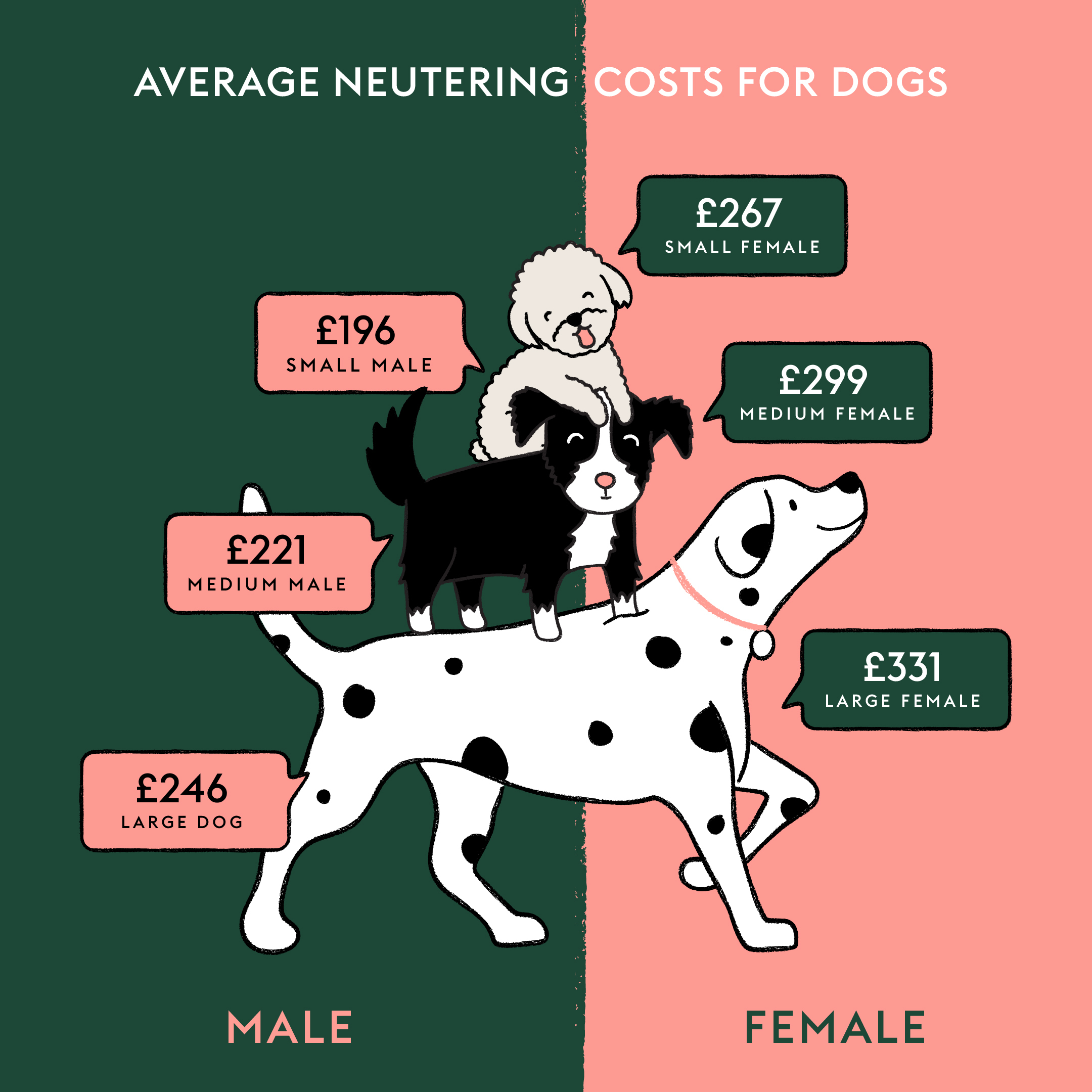
Image Source: a.storyblok.com
What is a Dog Vasectomy?
Finding out about a dog vasectomy is important. It’s a surgery done on male dogs. Its main goal is to prevent pregnancy. It stops sperm from leaving the testes. But, it leaves the testes in place. This is different from a traditional neuter surgery. In a neuter, the vet removes the testes completely.
A vasectomy is a type of canine vasectomy procedure. It’s a way to fix your dog so he can’t make puppies. But it keeps his body making testosterone. This is the main male hormone. This hormone affects many things. It can affect muscle growth, bone health, and some behaviors.
Thinking about vasectomy vs neutering cost involves knowing what each surgery does. Neutering removes the source of testosterone. Vasectomy does not. This difference matters for your dog’s health and maybe his behavior later.
Why Some Owners Choose Vasectomy
There are reasons why someone might pick a vasectomy over neutering for their dog. It’s often seen as an alternative to dog neutering cost when people look at the bigger picture of health effects.
Reasons for Picking Vasectomy
- Hormone Effects: Keeping the testes means the dog keeps making testosterone. Some people believe this is better for the dog’s long-term health. They think it helps with bone growth, muscle mass, and maybe reduces risks of some joint problems or certain cancers linked to early neutering in some breeds.
- Less Invasive: For some, the canine vasectomy procedure is thought of as a little less invasive because it only deals with the tubes (vas deferens). The testes are not removed.
- Behavior: Some owners hope that keeping hormones will keep certain male behaviors, like energy levels. However, behaviors like marking, roaming, and aggression are often linked to testosterone. A vasectomy usually does not stop these behaviors because the hormone is still there. Neutering is much more likely to change these specific behaviors.
Choosing a vasectomy is a big decision. It’s not as common as neutering. It’s important to talk it over with your vet. They can help you understand if it’s a good choice for your dog and your family’s goals.
Figuring Out the Cost of a Dog Vasectomy
The cost is a big question for any pet owner. How much you pay for a dog vasectomy can change a lot. Many things affect the final vet bill for dog neuter, or in this case, the vasectomy. Let’s look at what these things are.
Factors that Change the Price
- Where You Live: This is a major factor. Vets in big cities or places with high costs of living usually charge more. Vets in smaller towns or rural areas might charge less. The cost of running a business (like rent, staff pay) is higher in some places.
- Type of Vet Clinic:
- Full-Service Animal Hospitals: These vets offer many services. They have advanced equipment. Their prices are usually higher. This reflects their training, staff size, and technology.
- Low-Cost Spay/Neuter Clinics: Some clinics offer lower prices for fixing pets. They get help from groups or government funds. They focus on spaying and neutering, and sometimes offer vasectomies too. Their prices are often much lower. This is a common place people look to reduce the cost of fixing a dog.
- Your Dog’s Size and Breed: Bigger dogs need more medicine. This includes more anesthesia. They might also take longer to prepare and watch during surgery. This adds to the cost. Some breeds might have certain health needs that add to the cost too.
- Your Dog’s Age and Health: Older dogs or dogs with health problems might need more tests before surgery. They might need special care during and after surgery. This makes the cost go up. Vets need to make sure your dog is healthy enough for the canine vasectomy procedure.
- What’s Included: The total pet surgery costs are not just the surgery itself. What the clinic includes in their price changes the final number. This could be:
- Pre-surgery check-up
- Blood tests (to check health before anesthesia)
- The anesthesia itself
- Monitoring during surgery
- The surgeon’s time
- Pain medicine to go home
- Cone collar (E-collar) to stop licking the stitches
- A follow-up visit after surgery
- Sometimes, they might add things like microchipping or vaccines if you want them done at the same time.
All these parts add up to the final veterinary costs for dogs for a vasectomy. It’s not just one flat fee.
Typical Cost Ranges for a Dog Vasectomy
Giving an exact price is hard because of all the factors mentioned. But we can give you a general idea of the range you might see. Remember, this is just a guess. You need to call local vets for real prices.
General Price Range
A dog vasectomy usually costs between $300 and $1,000.
- Lower End ($300 – $600): You are more likely to find prices in this range at low-cost spay/neuter clinics or in areas with a lower cost of living. These clinics often focus on the basic surgery and keep overhead low.
- Higher End ($600 – $1,000+): Full-service veterinary hospitals, especially in cities, will be in this range or higher. They offer more staff, advanced monitoring, and more complete pre-and post-surgery care packages. The price can go even higher for large dogs or those with health issues.
This price for dog sterilization is similar to, or sometimes slightly higher than, the dog neutering cost at the same clinic. This is because while the incision might be smaller for a vasectomy, it can sometimes be a more fiddly procedure to find and tie off the small tubes compared to removing the testes. The amount of time and care needed is similar.
What the Cost Often Covers
Here’s a look at things that are typically part of the total pet surgery costs for a vasectomy:
- Initial Exam: A quick check before surgery.
- Pre-Anesthesia: This can include blood work to make sure your dog’s organs can handle the anesthesia safely. This adds to the vet bill for dog neuter (or vasectomy).
- Anesthesia: The cost of the drugs and the time the vet staff spends watching your dog while he’s asleep.
- The Surgery Itself: The surgeon’s time and the use of the sterile operating room and tools.
- Monitoring: Having trained staff watch your dog’s heart rate, breathing, and other vital signs during surgery.
- Basic Pain Medicine: Drugs given right after surgery and maybe some pills to take home for a few days.
- Post-Surgery Recovery Area: A safe, warm place for your dog to wake up slowly while being watched.
- Cone (E-collar): This stops your dog from licking or chewing his stitches, which can cause infection and cost more money later.
What Might Cost Extra
Sometimes, things are not included in the base price for dog sterilization. These can add to the final cost:
- Extra Pain Management: If your dog seems to be in more pain, they might need different or stronger medicine.
- Antibiotics: If there’s a risk of infection or if one starts.
- Complications: If something goes wrong during or after surgery, this adds a lot to the bill. This is part of general veterinary costs for dogs for any surgery.
- Extended Stay: If your dog needs to stay at the clinic longer than planned.
- Special Needs: Dogs with underlying health issues (like heart murmurs, breathing problems) need more careful anesthesia and monitoring, which costs more.
Always ask your vet for a detailed estimate. They should list what is included and what might cost extra. This helps you plan for the cost of fixing a dog.
Comparing Vasectomy vs. Neutering Cost
People often compare the vasectomy vs neutering cost. Both are ways of male dog sterilization cost. The main goal is to prevent puppies. But the surgery is different, and this can affect the price.
How the Costs Compare
In many cases, the base surgery fee for a vasectomy is similar to a standard neuter at the same clinic. Sometimes, a vasectomy might even be slightly more expensive than a routine neuter.
- Neuter (Orchiectomy): The vet makes two cuts, one on each side of the scrotum. They pull out the testes, tie off the blood vessels and sperm tubes, and remove the testes. Then they stitch up the skin.
- Vasectomy: The vet makes one small cut (or two very small cuts) near the scrotum or slightly higher up on the abdomen depending on the technique. They find the sperm tubes (vas deferens) and cut and tie them off. The testes stay inside the scrotum.
Why might the vasectomy sometimes cost more?
- Less Common: Vets do many more neuters than vasectomies. Vasectomy might be seen as a less routine, more specialized canine vasectomy procedure.
- Technique: Finding and isolating the vas deferens can sometimes take a little more time and skill than simply removing the testes, especially if using minimally invasive techniques.
- Training: Not all vets offer vasectomies. Vets who do might have specific training which could factor into their pricing.
However, the total cost of fixing a dog with either method includes all the same pre-op, anesthesia, monitoring, and post-op care steps. These are often the most expensive parts of the pet surgery costs.
So, while the surgery part itself might differ slightly in price or time, the overall vet bill for dog neuter is often very close to the vet bill for dog vasectomy at the same facility. The alternative to dog neutering cost using vasectomy isn’t necessarily cheaper, its value is in keeping the hormones.
Finding Lower Costs for Dog Sterilization
If the price for dog sterilization seems high, there are ways to try and lower the cost of fixing a dog.
Options for More Affordable Vasectomies (or Neutering)
- Low-Cost Clinics: As mentioned, these clinics focus on spay and neuter surgeries at reduced prices. Some, but not all, also offer vasectomies. Search online for “low cost spay neuter clinic near me” and then call to ask about vasectomies specifically.
- Animal Shelters and Humane Societies: Many shelters run public clinics offering low-cost surgeries. They aim to reduce pet overpopulation. Like low-cost clinics, their prices are much lower than a private vet. Ask if they offer vasectomies.
- Mobile Clinics: Some groups have vans that travel to different areas offering lower-cost services, including sterilizations.
- Financial Aid & Programs:
- Local Animal Welfare Groups: Check with local rescues or humane societies. They might have programs to help pay for surgeries for pet owners who have trouble affording it.
- National Organizations: Groups like the Humane Society of the United States or the ASPCA might have resources or lists of low-cost options in your area.
- Payment Plans: Some vet clinics or low-cost options offer payment plans or work with third-party financing (like CareCredit). This doesn’t lower the total cost, but it makes payments easier to manage.
- Vet School Clinics: If there’s a veterinary school nearby, their clinic might offer slightly lower prices as part of their teaching program. The care is supervised by experienced vets.
When looking for lower male dog sterilization cost, make sure you still understand what is included. Low cost shouldn’t mean low quality of care or safety. The anesthesia monitoring and sterile environment are crucial.
The Canine Vasectomy Procedure: What Happens
Understanding the canine vasectomy procedure can help you feel more comfortable. It’s surgery, so it has risks, but it’s generally safe when done by a skilled vet.
Steps of the Surgery
- Preparation:
- Fasting: You will be told not to feed your dog for a certain number of hours before surgery. This prevents vomiting while under anesthesia.
- Check-in: You bring your dog to the clinic. The vet or a tech will ask questions about his health.
- Pre-op Exam: The vet gives your dog a quick health check.
- Blood Work: (Often an extra cost) Blood tests might be done to check kidney, liver, and other organ function before anesthesia.
- Sedation: Your dog might get a shot to make him sleepy and calm before the main anesthesia.
- Anesthesia:
- Your dog gets medicine to go completely to sleep and not feel pain. This is either given by injection or through gas inhaled using a mask or tube.
- A tube is often placed in his windpipe to help him breathe and deliver gas anesthesia.
- Monitoring equipment is hooked up to watch his heart rate, breathing, blood pressure, and oxygen levels. This is a key part of the veterinary costs for dogs for surgery.
- Surgery:
- The area where the cut will be made is shaved and cleaned very well to prevent infection.
- The vet makes a small cut in the skin, usually just above the scrotum or near the base of the penis.
- They find the thin tubes called the vas deferens (these carry sperm from the testes).
- They carefully cut a small section out of each tube and tie off the ends. This stops sperm from traveling up.
- The small cut in the skin is closed with stitches that either dissolve on their own or need to be taken out later.
- The testes are left in place inside the scrotum.
- Recovery Room:
- Your dog is moved to a warm, safe area to wake up slowly.
- A vet tech watches him closely as he comes out of anesthesia. This monitoring is very important.
- Pain medicine is usually given.
The whole process, from getting anesthesia to being awake enough to go home, takes a few hours. The actual surgery time is usually quite short, often less than 30 minutes.
Recovery and Aftercare
After the canine vasectomy procedure, caring for your dog at home is vital. Good aftercare helps prevent problems and is part of the full pet surgery costs picture, as poor care can lead to costly complications.
What to Expect During Recovery
- Drowsiness: Your dog will likely be sleepy for 12-24 hours after coming home. This is normal because of the anesthesia and pain medicine.
- Quiet Time: Keep your dog in a quiet, comfortable spot. Don’t let him run, jump, or play hard for about 10-14 days. Too much activity can open stitches or cause swelling.
- Check the Incision: Look at the surgery site daily. It should look clean and be healing. Some mild swelling or bruising is normal at first.
- Prevent Licking/Chewing: Your dog MUST wear the cone (E-collar) the vet gives you. Licking or chewing can cause serious infection or make the stitches come apart, which needs more vet visits and adds to veterinary costs for dogs.
- Eating and Drinking: Offer small amounts of water and food when you get home. His appetite should be back to normal the next day.
- Medicine: Give all medicines (usually pain relief, maybe antibiotics) exactly as your vet tells you.
- Follow-up: You might need to go back to the vet in about 10-14 days to have stitches checked or removed if they aren’t dissolving ones.
Signs of Problems
Call your vet right away if you see any of these things:
- Lots of swelling or redness at the incision site
- Pus or bad smell from the incision
- The incision opens up
- Heavy bleeding
- Your dog seems to be in a lot of pain (whining, not wanting to move, guarding the area)
- Not eating or drinking for more than a day
- Vomiting or diarrhea
- Trouble breathing
- Lethargy (very weak or unresponsive)
Dealing with complications quickly is best. Waiting can make problems worse and lead to much higher pet surgery costs.
Looking at Benefits and Drawbacks of Vasectomy
Choosing between vasectomy and neutering involves weighing the pros and cons. Both are ways to control pet numbers, part of the price for dog sterilization. But their effects on the dog are different.
Benefits of Vasectomy
- Keeps Hormones: This is the main benefit people cite. The dog keeps producing testosterone. This might be good for:
- Muscle development and strength
- Bone density and growth plate closure timing
- Potentially lower risk of certain orthopedic issues in some breeds (like hip dysplasia or cruciate ligament tears), although research is ongoing and not simple.
- Maybe lower risk of certain cancers later in life (like osteosarcoma or hemangiosarcoma) in some studies, but again, it’s complex.
- Less Invasive (Maybe): The surgery doesn’t remove the testes, which some see as less body-altering.
- Main Goal Met: It still achieves the primary goal of preventing unwanted puppies, adding to responsible pet ownership.
Drawbacks of Vasectomy
- Behaviors Stay: Vasectomy does not reduce male behaviors like marking territory with urine, roaming to find females, mounting, or male-to-male aggression. These behaviors are driven by testosterone. Neutering is much more effective at reducing or eliminating these.
- Still Have Testes: The dog still has testes. This means they are still at risk for testicular cancer or other problems with the testes that neutered dogs are not.
- Less Common: Not all vets offer vasectomies because it’s less common. This might mean you have to travel further or pay more if you can’t find a local vet who does it.
- Risk of Prostate Issues: Like intact (non-neutered) males, vasectomized dogs are still at risk for enlarged prostate later in life, which can cause problems with peeing and pooping. Neutering greatly reduces this risk.
- Does NOT Affect Litter Size: Vasectomy is not a reversible birth control method for females. It’s only for males. It won’t reduce the number of puppies born if females aren’t spayed.
Thinking about these points helps you compare the alternative to dog neutering cost beyond just the surgery price. You’re also choosing different health and behavior outcomes.
Is Vasectomy Right for Your Dog?
Deciding on vasectomy or neutering is a personal choice. It depends on your dog and what you want for him.
Things to Think About
- Your Goals: Are you mainly trying to prevent puppies? Or are you also hoping to change behaviors like marking or roaming? If it’s the latter, vasectomy is likely not the right choice.
- Dog’s Breed and Size: For some large or giant breeds, waiting until they are older and have finished growing before neutering might be suggested by some vets due to potential growth and joint issues linked to early hormone removal. In these cases, a vasectomy could be an option to prevent pregnancy while waiting.
- Your Dog’s Behavior: If your dog already shows strong male behaviors that you want to stop (like trying to escape the yard, urine marking inside), neutering is almost always recommended over vasectomy.
- Local Availability: Can you even find a vet in your area who performs vasectomies?
- Cost and Value: Consider the vasectomy vs neutering cost along with the potential long-term health pros and cons of keeping or removing hormones.
Talking with Your Veterinarian
The most important step is to talk openly with your veterinarian. They know your dog’s health history and can give advice based on science and their experience.
What to Ask Your Vet
- Do you perform dog vasectomies? If not, can you recommend someone who does?
- What is the canine vasectomy procedure like at your clinic?
- What is the price for dog sterilization using vasectomy compared to neutering here?
- What is included in the vet bill for dog neuter (vasectomy)? What might cost extra?
- Based on my dog’s age, breed, and health, what are the pros and cons of vasectomy vs. neutering for him?
- Will a vasectomy help with (specific behavior, e.g., marking)? (Answer: Likely no).
- What are the risks of the vasectomy surgery?
- What is the recovery time like? What aftercare do I need to do?
- Are there any long-term health concerns I should know about with vasectomy?
Your vet can help you look at the veterinary costs for dogs for each option and choose the best path for your pet’s health and your family’s lifestyle. Deciding on the cost of fixing a dog is more than just the dollar amount; it’s about choosing the right type of care.
Conclusion: Summing Up the Cost
The question “How much does a dog vasectomy cost?” does not have one simple answer. The price for dog sterilization varies widely. You can expect to pay anywhere from $300 to over $1,000. This male dog sterilization cost depends heavily on where you live, the type of vet clinic, and your dog’s individual needs like size and health.
A vasectomy is an alternative to dog neutering cost. It keeps the testes and hormone production while preventing puppies. The vasectomy vs neutering cost at the same clinic is often similar, with vasectomy sometimes slightly higher due to it being less common.
The total pet surgery costs include more than just the surgery itself. It usually covers pre-op checks, anesthesia, monitoring, pain relief, and basic aftercare. Extra costs can come up if there are complications or if your dog has special health needs.
To find the best cost of fixing a dog for you, get quotes from several vets. Look into low-cost clinics or financial aid options if needed. Most importantly, talk with your vet about whether a vasectomy is the right choice for your dog compared to neutering. They can help you weigh the veterinary costs for dogs against the health and behavior effects of each canine vasectomy procedure.
Frequently Asked Questions (FAQ)
Is a dog vasectomy always cheaper than neutering?
No, a dog vasectomy is not always cheaper than neutering. The base vasectomy vs neutering cost at the same vet clinic is often similar. Sometimes, a vasectomy can even cost slightly more because it’s a less common procedure. The total pet surgery costs for both involve similar steps like anesthesia and monitoring, which make up a big part of the vet bill for dog neuter (or vasectomy).
Does a vasectomy stop a male dog from marking or roaming?
No, a vasectomy usually does not stop male behaviors like marking territory with urine, roaming to find females, or aggression towards other male dogs. These behaviors are driven by testosterone, and a vasectomy leaves the testes in place, so they still produce this hormone. Neutering (removing the testes) is much more effective for changing these behaviors.
How long does recovery take after a dog vasectomy?
Recovery from a dog vasectomy usually takes about 10 to 14 days. During this time, you need to keep your dog quiet. Stop him from running, jumping, or playing hard. He must wear a cone to keep him from licking or chewing the stitches. The vet will tell you specific care steps.
Are there risks with a dog vasectomy?
Yes, like any surgery, there are risks. These include risks from anesthesia, infection at the surgery site, swelling, or bleeding. The risk is generally low when a skilled vet performs the canine vasectomy procedure. Your vet will discuss potential risks based on your dog’s health.
Will my dog still look the same after a vasectomy?
Yes, mostly. Since the testes are left in the scrotum, your dog’s physical appearance will not change much in that area compared to being neutered, where the scrotum becomes flat over time.
Can any vet perform a dog vasectomy?
Not all vets offer dog vasectomies. Neutering is much more common. You will need to call local vet clinics or low-cost spay/neuter places and ask specifically if they perform vasectomies.
Does a vasectomy affect my dog’s personality?
A vasectomy is unlikely to change your dog’s core personality because it keeps his hormone production the same. Behaviors driven by testosterone (like marking or roaming) will likely continue. If you want behavioral changes linked to hormones, neutering is usually needed.