
Image Source: www.thelabradorsite.com
How Many Miles Can A Dog Walk Daily? A Full Guide
How many miles can a dog walk daily? The true answer is that it greatly depends on many things. Most healthy adult dogs can comfortably walk anywhere from 1 to 5 miles each day. Some breeds or very fit dogs can handle much longer distances. Puppies and senior dogs need much less. Factors like age, breed, overall health, and fitness levels all play a big part in setting dog walking distance limits. Knowing your dog’s average daily dog walk length is key to their health and happiness.
The Main Idea of Dog Walking Distances
Dogs need exercise. Walking is a top way to give them this. But there is no single “right” distance for every dog. Think of it like people. A marathon runner can go much further than someone who just started walking. The same is true for dogs.
Your dog’s healthy dog walking mileage is unique to them. It is not just about their size. A small terrier might have more energy than a big, lazy dog. It is about their build, their health, and how much they are used to moving. Pushing a dog too far can cause harm. It can lead to injuries, joint problems, or even heatstroke. Knowing their limits helps keep them safe and happy.
Main Factors Affecting Dog Walk Length
Many things change how far your dog can or should walk. Paying attention to these helps you plan the best walks for your friend.
Age of Your Dog
Age is a huge factor. A young puppy, a spry adult, and an older dog all have very different needs.
Puppies: Gentle Steps
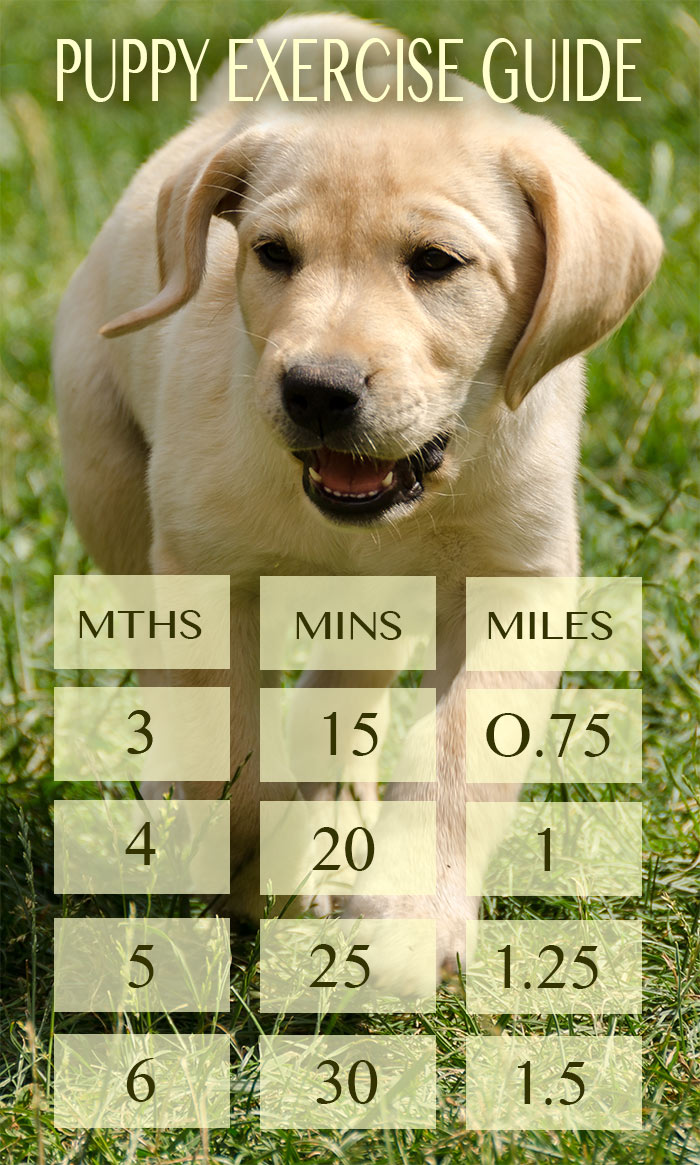
How far can a puppy walk safely? Puppies should only walk very short distances. Their bones and joints are still growing. Too much walking can hurt them. A good rule is 5 minutes of exercise per month of age. So, a 3-month-old puppy should walk for about 15 minutes. A 4-month-old puppy can walk for about 20 minutes. Keep walks short and easy. Playtime in the yard is often better for them than long walks. Do not let them jump or run on hard surfaces too much. This protects their growing joints.
Here is a simple guide for puppy walks:
| Puppy Age (Months) | Max Walk Time (Minutes) |
|---|---|
| 2 | 10 |
| 3 | 15 |
| 4 | 20 |
| 5 | 25 |
| 6 | 30 |
Remember, these are top limits. Shorter, more often is better.
Adult Dogs: Peak Performance
Most adult dogs are ready for longer walks. A healthy adult dog can often walk 1 to 3 miles in one go. Very active breeds or highly fit dogs might go 5 miles or more. Building dog endurance for long walks takes time. Start slow. Add a little distance each week. Watch your dog for signs of tiredness. A dog who enjoys long hikes can walk many miles over a day. This depends on their breed, training, and your build-up plan.
Senior Dogs: Slowing Down Gracefully
Senior dog walking recommendations are different. Older dogs need less intense exercise. They might have arthritis or other aches. Shorter, more frequent walks are best. Two or three short walks a day might be better than one long one. A 15 to 30-minute slow stroll might be perfect. Keep an eye on them. If they start to lag behind, it is time to turn around. They might need soft ground more than pavement. Always talk to your vet about what is best for your older dog.
Breed Matters: Built for Different Speeds
Different dog breeds were bred for different jobs. This affects their energy and how far they can walk. Dog breed exercise requirements vary a lot.
- High-Energy Breeds: Think Border Collies, Huskies, German Shepherds, or Vizslas. These dogs can walk and run for many miles. They need a lot of exercise to be happy and healthy. A 5-mile walk might just be their warm-up. They often need more than just walking.
- Medium-Energy Breeds: Labradors, Golden Retrievers, Boxers, or many mixed breeds fit here. They usually do well with 1 to 3 miles of walking daily. This can be split into two walks. They enjoy playtime too.
- Low-Energy Breeds: Basset Hounds, Bulldogs, or Pugs are examples. They do not need long walks. A short 20-30 minute walk once or twice a day is often enough.
- Brachycephalic Breeds: These are dogs with flat faces, like Bulldogs, Pugs, and Boston Terriers. They have trouble breathing. They overheat very easily. Even short walks can be too much in warm weather. Keep their walks very short and slow. Always watch for signs of trouble.
- Sighthounds: Greyhounds, Whippets, and Salukis are built for speed bursts, not long distances. They love a good sprint but are often couch potatoes at home. Short, fast runs in a safe area are great for them. Daily walks of 1-2 miles are often fine.
Here is a table showing general walking needs for some breeds:
| Breed Type | Examples | Daily Walk Mileage | Notes |
|---|---|---|---|
| High-Energy | Border Collie, Husky, German Shepherd | 3-10+ miles | Needs a lot of mental and physical work. |
| Medium-Energy | Labrador, Golden Retriever, Boxer | 1-3 miles | Active, enjoys varied exercise. |
| Low-Energy | Basset Hound, Chihuahua, Bulldog (French) | 0.5-1 mile | Shorter walks, easily tired, especially in heat. |
| Sighthound | Greyhound, Whippet | 1-2 miles | Needs short bursts of speed, otherwise calm. |
| Brachycephalic | Pug, Bulldog, Boston Terrier | 0.5 mile | Very sensitive to heat, short, slow walks only. |
| Toy Breeds | Yorkshire Terrier, Pomeranian | 0.5-1 mile | Small legs mean shorter distances, but often energetic. |
Keep in mind these are just guides. Your dog’s personality and energy level might differ.
Health and Fitness Levels
A dog’s health hugely affects how far they can walk.
* Healthy Dogs: A fit dog with no health issues can walk more. They have strong hearts, lungs, and joints.
* Overweight Dogs: Carrying extra weight is hard on joints. It also makes a dog tire faster. Walks should be shorter and slower for overweight dogs. Help them lose weight through diet and gentle exercise.
* Dogs with Health Issues: A dog with heart problems, breathing issues, or joint pain (like arthritis) needs special care. Even a mild limp means they are hurting. Do not push them. Always talk to your vet if your dog has any health problems. They can tell you what is safe.
* Building Fitness: Just like people, dogs get fitter over time. If your dog is not used to long walks, start short. Build up their strength and stamina slowly. This helps prevent injuries.
Weather Conditions
The weather can make a big difference.
* Hot Weather: Hot pavement can burn paw pads. Dogs can get heatstroke very easily. They do not sweat like people. Instead, they cool down by panting. In hot or humid weather, keep walks short. Go early in the morning or late at night. Check the pavement with your hand; if it is too hot for you, it is too hot for your dog.
* Cold Weather: Extreme cold can cause frostbite. Small dogs, short-haired dogs, and older dogs are more at risk. They might need a coat or booties. Keep walks shorter when it is very cold.
* Rain/Snow: Some dogs hate wet weather. They might not want to walk far. Others love it. Adjust walks based on your dog’s comfort.
Type of Walk and Terrain
The ground you walk on also matters.
* Pavement: Hard surfaces are tough on joints. Longer walks on pavement can be hard on a dog’s body.
* Trails/Soft Ground: Dirt paths, grass, or forest trails are much easier on joints. They also offer more mental stimulation with different smells and sights.
* Hills: Walking uphill is much harder work than walking on flat ground. Plan shorter distances if your walk involves many hills.
* Loose Leash vs. Training: A dog pulling on the leash works harder. This tires them out faster. A dog walking nicely on a loose leash saves energy.
Gauging Your Dog’s Exercise Needs
Beyond just miles, dogs need the right kind of exercise. Recommended daily dog exercise means meeting both their physical and mental needs.
* Watch Their Energy: Does your dog still have energy after a walk? Are they restless at home? They might need more exercise.
* Are They Tired? If your dog comes home and crashes for hours, they might have had enough. Or, they might have had too much.
* Bad Behaviors: Some bad behaviors come from too little exercise. Barking, chewing, digging, or being too jumpy can be signs. More walks or play might help.
* Mental Work: Dogs need to use their brains too. Training, puzzle toys, and sniffing walks can tire them out more than just plain walking. Let them sniff on walks! It is like reading a newspaper for them.
Watching for Warning Signs: When Enough is Enough
It is very important to know when your dog has had too much. Pushing them too far can cause serious health problems. Look for signs of dog over exertion.
* Heavy Panting: Panting is normal. But very heavy, constant panting that does not slow down is a warning.
* Lagging Behind: If your dog starts to walk slower, fall behind, or even stop, they are tired. Do not force them to keep going.
* Limping or Stiffness: This is a clear sign of pain or injury. Stop the walk right away. Check their paws. If it continues, see a vet.
* Refusal to Move: If your dog lies down and will not get up, they are done. Pick them up if you can, or call for help.
* Excessive Drooling: This can be a sign of heat distress.
* Bright Red Gums: This is a serious sign of overheating.
* Wobbly or Unsteady Walking: They might be too tired or overheated.
* Vomiting or Diarrhea: These are also signs of too much stress on their body.
* Collapse: This is an emergency. Get them to a vet right away.
These canine fatigue on walks signs mean your dog needs a break. Always put their safety first. On hot days, carry water for your dog. Offer it often.
Building Up Your Dog’s Stamina Safely
You want your dog to enjoy longer walks. You must build their fitness little by little.
1. Start Small: If your dog is not active, begin with short, easy walks. Think 10-15 minutes, two or three times a day.
2. Add Slowly: Increase the walk time or distance by a small amount each week. A common rule is to add no more than 10% to the distance each week. So, if your dog walks 1 mile, add 0.1 miles next week.
3. Be Consistent: Regular walks are better than long, rare ones. Try to walk your dog at similar times each day. This builds a routine.
4. Warm-Up and Cool-Down: Start walks at a slow pace. Let your dog stretch. End walks with a slow walk too. This helps their muscles.
5. Stay Hydrated: Always carry water. Offer water often, especially on longer walks or warm days.
6. Listen to Your Dog: This is the most important step. If your dog shows any signs of tiredness, stop. End the walk. Do not push them.
Beyond Walking: Other Forms of Exercise
While walking is great, it is not the only way to exercise your dog. Adding other activities makes your dog fitter and happier.
* Fetch: A quick game of fetch in the yard can burn lots of energy. Be careful with fetch on very hot days.
* Swimming: This is great for dogs with joint issues. It is low impact. Many dogs love water. Always supervise your dog in water.
* Dog Parks: A safe, fenced dog park can be great for social dogs. They can run and play with other dogs. Make sure your dog is good with other dogs first.
* Agility or Obedience Classes: These activities work both body and mind. They are a great way to bond with your dog.
* Treadmill (Dog-Specific): Some vets use dog treadmills for rehab or fitness. Never use a human treadmill.
* Playing at Home: Tug-of-war, hide-and-seek, or simply chasing toys around the house can be good exercise.
Variety keeps things interesting for your dog. It also helps work different muscle groups.
Planning Your Dog’s Daily Walks: A Summing Up
Deciding healthy dog walking mileage is a mix of science and knowing your own dog. Start by thinking about their age, breed, and health. Always start slow. Watch for any signs of dog over exertion. Build up dog endurance for long walks little by little. Remember, shorter, more frequent walks are often better than one very long one, especially for puppies and seniors.
Listen to your dog. They will tell you when they are tired or when they are ready for more. If you are ever unsure, talk to your vet. They can give you the best advice for your unique dog. A happy dog is a tired dog, but not an exhausted or injured one. Making walks a joyful and safe part of your dog’s daily life helps them live a long, full life.
Frequently Asked Questions (FAQ)
Q: Can dogs walk 10 miles a day?
A: Yes, some dogs can, but not all. Highly energetic breeds like Border Collies, Huskies, and German Shepherds, or very fit sporting dogs, can often handle 10 miles or more in a day. However, this requires careful training, building up stamina over time, and ideal weather conditions. Most average dogs or less energetic breeds cannot safely walk this far daily. Always build up to such distances slowly and watch your dog closely for signs of fatigue.
Q: How often should I walk my dog daily?
A: Most adult dogs benefit from at least two walks per day. For high-energy breeds, three or more walks, or longer/more intense exercise sessions, might be needed. Puppies and senior dogs might do better with three to five very short walks spread throughout the day instead of fewer long ones. The key is consistency and adjusting based on your dog’s specific needs and energy levels.
Q: Is walking a dog once a day enough?
A: For some very low-energy or senior dogs, one short walk a day might be enough. However, for most adult dogs, walking once a day is usually not enough. Dogs need physical activity and mental stimulation throughout the day. A single walk often does not provide enough exercise to keep them physically fit and mentally content, which can lead to boredom and potential behavioral issues. Aim for at least two walks.
Q: Can a dog walk too much?
A: Yes, a dog can definitely walk too much. Over-exercising can lead to injuries like joint strain, torn ligaments, or paw pad damage. It can also cause heatstroke in warm weather, especially for brachycephalic breeds or those not conditioned for long walks. Puppies and senior dogs are particularly prone to harm from too much exercise. Always watch for signs of dog over exertion and know when to stop.
Q: What time of day is best for dog walks?
A: The best time to walk your dog depends on the weather and your schedule. In hot climates, early morning and late evening (after the sun has set and pavement has cooled) are best to avoid heatstroke. In colder climates, midday when it’s warmest might be better. Regardless of the climate, try to establish a consistent routine. Avoid walking during the hottest part of the day or when the ground is too hot or cold.