
Image Source: www.papayapet.com
How Many C Sections Can A Dog Have Safely? Guide.
How many C-sections can a dog have safely? There is no single, fixed number for dog C-section limits. The safe number of Caesarean sections a dog can undergo depends greatly on her individual health, age, breed, the reason for the C-section, and how well she recovers from each surgery. Veterinary guidelines for dog C-sections always focus on the well-being of the mother dog above all else. Most vets will suggest a maximum of two to three C-sections over a dog’s breeding life, especially if each surgery goes well and the dog recovers fully. More than this can raise risks significantly.
A Look at Dog C-Sections
A C-section, or Caesarean section, is a surgery to deliver puppies. Vets make a cut into the dog’s belly and uterus to take out the puppies. This surgery is often needed when a dog cannot give birth naturally. This might be because the puppies are too big, the mother’s birth canal is too small, or she has trouble pushing them out.
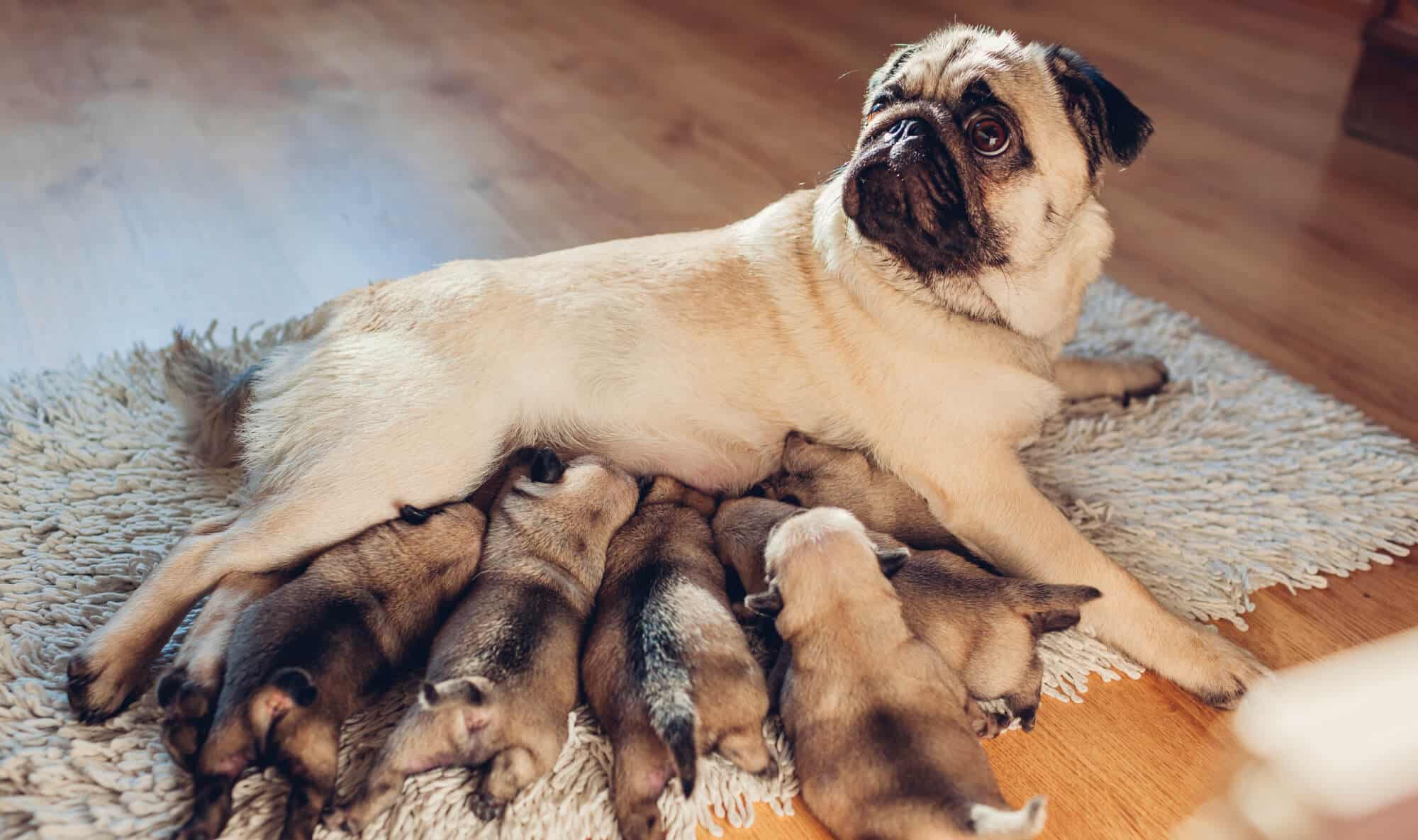
Certain dog breeds need C-sections more often. These include breeds with large heads, such as Bulldogs, French Bulldogs, and Boston Terriers. Pugs and other brachycephalic (flat-faced) breeds also often need C-sections. Their body shapes can make natural birth hard or risky.
Factors Affecting Dog C-Section Numbers
Many things decide how many C-sections a dog can safely have. There is no simple rule. Each dog is different. What is safe for one dog might not be safe for another.
Dog’s Health and Age
A young, healthy dog might handle one or two C-sections well. An older dog, or one with health problems, might struggle more. Her body might not heal as fast. She might have more risks from the surgery. Vets always check a dog’s health before any breeding. They look at her heart, lungs, and overall fitness. A dog in top shape handles surgery better.
Breed Type and Size
Some breeds are just made to have C-sections. As mentioned, Bulldogs often need them. Their pups have big heads. Their mothers have narrow hips. For these breeds, a C-section is often the only safe way to deliver pups. For other breeds, a C-section is rare.
If a breed naturally gives birth easily, a first C-section might mean something is wrong. It might mean the dog should not breed again. It is different for breeds that almost always need C-sections. Vets still watch these dogs very closely.
Recovery from Past C-sections
How well a dog heals after each C-section matters a lot. If she heals fast, with no problems, it is a good sign. If she has slow healing, infections, or other issues, more C-sections become riskier. Each surgery adds scar tissue. This tissue can make future surgeries harder. It can also cause problems inside her body.
Time Between Litters
Giving a dog enough time between litters is very important. This lets her body fully heal. It lets her get back to full strength. A general rule is to wait at least 18 months between litters. This means waiting for one full heat cycle after weaning the last litter. Rushing pregnancies raises risks for the mother dog and the pups. It does not give her body time to recover from the last C-section.
Risks of Repeated Dog C-sections
Each C-section is a major surgery. Doing it more than once adds many risks. These risks grow with each surgery. It is important for owners and breeders to know these dangers. This helps them make smart choices for their dogs.
Surgical Risks
- Anesthesia problems: Every time a dog goes under anesthesia, there is a small risk. Repeated anesthesia can put more stress on her heart and lungs.
- Bleeding: More surgeries mean more cuts. This raises the chance of bleeding during or after the operation.
- Infection: Any surgery can lead to infection. Multiple surgeries mean more chances for bacteria to enter the body.
- Healing issues: Each cut needs to heal. Repeated cuts in the same area can make healing harder. The skin and muscle might not close as well.
Internal Damage
- Adhesions (Scar Tissue): This is a big problem with repeated C-sections. Adhesions are bands of scar tissue. They can form inside the belly. They can connect organs that should not be connected. For example, the uterus might stick to the intestines or belly wall. These adhesions can cause pain. They can also make future surgeries much harder and riskier. They can even affect how the dog’s organs work.
- Uterine Damage/Weakness: The uterus is cut during a C-section. Each cut leaves a scar. Over time, the uterus can become weaker. It might not be as strong to carry future pregnancies. It might not contract as well during natural labor. There is also a risk of uterine rupture (bursting) during a future pregnancy or birth. This is very serious and can be deadly.
- Impact on Future Fertility: Repeated C-sections can lower a dog’s chance of getting pregnant again. Scar tissue in the uterus can make it harder for embryos to attach. It can also block tubes. This makes it harder for her to have more litters.
- Ovarian and Uterine Cysts: While not a direct result of the C-section, repeated breeding can sometimes lead to issues like cysts. The trauma and changes from surgery can also make the reproductive system more prone to certain problems.
General Health Impact
- Stress on the body: Pregnancy and surgery both put a lot of stress on a dog’s body. Doing both repeatedly can wear her down. It can affect her overall health and lifespan.
- Nutrient drain: Each pregnancy takes nutrients from the mother. Repeated pregnancies, especially with surgery, can lead to her body being low on key vitamins and minerals. This can make her weaker and more prone to illness.
- Pain management: Managing pain after surgery is key. With repeated surgeries, long-term pain management might be needed. This can be complex.
Veterinary Guidelines for Dog C-sections
Vets play a key role in deciding how many C-sections a dog can have safely. They follow strict rules to keep the dog healthy.
Pre-breeding Health Checks
Before a dog is bred, a vet should do a full health check. They look for any hidden health problems. This includes checks for heart issues, hip problems, and genetic diseases common in the breed. If a dog has any health problems, breeding might not be safe. This is even more true if C-sections are likely.
Discussion of Breeding History
Vets will ask about past litters and C-sections. They want to know how well the dog recovered. They want to know about any issues. This history helps them decide if another C-section is safe. It helps them see the safe number of dog deliveries by C-section for that specific dog.
Deciding When to Stop Breeding
Vets often suggest stopping breeding after a certain number of litters, or after a specific age. For many breeds, 2-3 C-sections are often seen as a limit. This is not a hard rule, but a general guide. For some dogs, even one C-section might be enough. If the dog had a hard time, or if risks are too high, the vet will advise against more breeding. The goal is always to keep the mother dog healthy and happy.
Table: Factors Vets Consider for Repeat C-sections
| Factor | Positive Impact | Negative Impact |
|---|---|---|
| Dog’s Age | Young, healthy adult (2-5 years) | Older dog, very young dog |
| General Health | Excellent physical condition, no underlying issues | Chronic health problems, obesity, poor fitness |
| Recovery from Previous C-section | Rapid, uncomplicated healing, no infections | Slow healing, adhesions, infections, complications |
| Time Between Litters | Sufficient rest (18+ months) | Short intervals (less than 12 months) |
| Reason for C-section | Planned (e.g., breed necessity) | Emergency (e.g., severe dystocia, uterine inertia) |
| Uterine Health | No signs of scar tissue, strong contractions | Extensive scarring, thin uterine wall, poor tone |
Impact of Multiple C-sections on Dog Health
Repeated C-sections can have a big impact on a dog’s health over time. It is more than just the surgery itself. It is about the long-term well-being of the dog.
Physical Toll
- Scar tissue: Each C-section leaves scar tissue. Inside the body, this can cause problems. It can make future surgeries harder. It can also cause pain or problems with organ function.
- Chronic pain: Some dogs might develop long-term pain around the incision site or from internal adhesions. This pain might not be obvious. It could show as a reluctance to move, play, or jump.
- Weakened muscles: Repeated cuts to the belly muscles can weaken them. This can affect how the dog moves and carries herself.
- Nutritional needs: Breeding and recovering from surgery are hard work. The dog needs lots of good food and nutrients. If she has many litters and surgeries, it is vital to meet these needs. If not, she can become very run down.
Mental Toll
- Stress and anxiety: Some dogs might become stressed or anxious around breeding time. They might remember past pain or discomfort. This can affect their behavior and quality of life.
- Bonding issues: While rare, a dog in constant pain or discomfort might not bond as well with her puppies. She might feel overwhelmed.
It is important to watch for any changes in a dog’s behavior or mood after C-sections. These can be signs of ongoing physical or mental stress.
How Many Litters Can a Dog Have via C-section?
This is a key question for breeders. There is no simple answer. For most dogs, vets will suggest keeping the total number of litters low, often not more than 3-4, regardless of the delivery method. If C-sections are needed for every litter, this number drops.
For breeds that must have C-sections, like many Bulldogs, two or three C-sections are often seen as the practical and safe maximum. Beyond this, the risks increase greatly. The health of the mother dog must always be the first concern.
Responsible Breeding Practices
Responsible breeders put the health of their dogs first. They do not just think about how many puppies they can get. They think about the dog’s whole life. This means:
- Careful planning: Breeding decisions are made with a vet. They consider the dog’s age, health, and past history.
- Limiting litters: They avoid breeding a dog too often. They also know when to stop breeding a dog for good.
- Good nutrition: They feed their breeding dogs high-quality food. This supports their health during pregnancy and recovery.
- Post-breeding care: They make sure the dog gets proper care after each litter. This includes time to rest and recover.
- Early spaying: Once a dog has had enough litters, or if she struggles, they will spay her. This protects her from future pregnancies and health risks.
Dog breeding C-section complications are serious. Avoiding them means careful choices.
Recovery After Multiple Dog C-sections
Recovery from any C-section takes time. Recovery after multiple dog C-sections can be even harder. It needs extra care and patience.
Immediate Post-Surgery Care
- Pain Relief: Vets will give pain medicine. It is crucial to follow the vet’s instructions. Pain control helps the dog rest and heal better.
- Monitoring: Keep a close eye on the dog. Look for signs of pain, bleeding, or infection. Check the incision site daily. It should be clean and closed. A little redness is normal, but much swelling or pus is not.
- Warmth and Rest: Make sure the dog has a quiet, warm place to rest. Limit her activity. No jumping, running, or rough play. Short, slow leash walks are usually fine after a day or two.
- Nutrition and Hydration: Offer small, frequent meals of easy-to-digest food. Make sure she has plenty of fresh water. Good nutrition helps healing.
Longer-Term Recovery
- Activity Restriction: Your vet will tell you how long to keep activity low. It is usually 2-4 weeks. This allows the internal stitches to heal.
- Incision Care: Keep the incision clean and dry. Prevent the dog from licking or chewing it. An E-collar (cone) is often needed.
- Weight Management: After the puppies are weaned, help the mother dog get back to a healthy weight. Being overweight can stress her body and make future recoveries harder.
- Vet Check-ups: Follow up with your vet for post-op checks. They will make sure she is healing well. They can also check for any internal issues.
Each C-section adds to the stress on a dog’s body. So, recovery times might be longer with more surgeries. The vet might also suggest certain supplements to help with healing and overall health.
When to Spay a Dog After C-section
Spaying a dog after she has had C-sections is often the best choice for her long-term health. It means she will not have any more pregnancies. It also removes the risk of certain cancers and infections.
Timing of Spaying
The vet will talk about the best time to spay. Sometimes, a dog can be spayed during the C-section. This means they remove the uterus while the dog is already under anesthesia. This is safe if the dog is stable and healthy. It means only one surgery and one recovery time. This is often the best choice for a dog who has had several C-sections, or if the vet decides no more breeding is safe.
If not done during the C-section, spaying usually happens a few weeks or months later. This gives the dog time to recover from the C-section. It also allows her to finish nursing her puppies. The vet will look at the dog’s health and recovery before setting a date.
Benefits of Spaying
- Prevents future pregnancies: This is the main reason. It stops the cycle of breeding and C-sections.
- Lowers cancer risk: Spaying greatly lowers the risk of mammary (breast) cancer. It also stops uterine and ovarian cancers.
- Prevents uterine infections: A spayed dog cannot get a pyometra. This is a serious, often deadly, uterine infection.
- Stops heat cycles: No more messy heat cycles or attracting male dogs.
- Better health: Over time, spayed dogs often live longer, healthier lives. They avoid the stress and risks of repeated pregnancies and surgeries.
Spaying is a caring choice for a dog that has given a lot through breeding. It allows her to live out her life as a beloved pet, without the constant demands of breeding.
Key Aspects of Responsible Breeding and C-sections
Responsible breeding is a careful balance. It means producing healthy puppies. But it also means protecting the health and life of the mother dog.
Knowing When to Stop
The hardest part of responsible breeding is knowing when to retire a dog. This decision must be based on her health, not on how many more litters she could have. If a dog has had a hard time with a C-section, or if she has any health issues, it’s time to stop. Even if she’s a champion, her well-being comes first.
Choosing the Right Mate
Responsible breeders also choose mates carefully. They pick dogs with good health records. They avoid breeding dogs that might pass on problems. This can reduce the need for C-sections.
Seeking Expert Advice
Always work closely with an experienced vet. They are your best resource for advice on breeding, C-sections, and your dog’s health. Do not rely on old beliefs or what other breeders do. Each dog is an individual.
Summary of Key Considerations
- Individual Dog Health: The most important factor.
- Breed Predisposition: Some breeds are more likely to need C-sections.
- Number of Past C-sections: Generally, 2-3 is a suggested maximum.
- Recovery Quality: How well she healed from past surgeries.
- Time Between Litters: Crucial for full recovery.
- Veterinary Guidance: Always follow your vet’s specific advice.
Frequently Asked Questions (FAQ)
Q1: Is a C-section riskier for a dog than natural birth?
A: Both natural birth and C-sections have risks. A C-section is a major surgery. It has risks like bleeding, infection, and problems with anesthesia. But sometimes, natural birth is too risky or not possible. In those cases, a C-section becomes the safer choice.
Q2: How long does a dog need to recover after a C-section?
A: A dog usually needs 2 to 4 weeks to fully recover from a C-section. This means no jumping, running, or rough play. The incision site needs care for a few weeks. Full internal healing can take longer.
Q3: Can a dog have a natural birth after having a C-section?
A: It is possible, but often not advised. Each C-section leaves a scar on the uterus. This scar tissue is weaker than normal uterine tissue. During natural labor, the uterus contracts strongly. This can cause the old scar to tear or rupture. This is very dangerous for both the mother and puppies. Most vets will suggest another C-section for future litters if the dog has already had one.
Q4: What signs mean my dog needs a C-section?
A: Signs your dog might need a C-section include:
* Strong contractions for more than 30 minutes without a puppy appearing.
* Weak or infrequent contractions that stop for more than 2 hours.
* A puppy stuck in the birth canal.
* Green or black discharge from the vulva before any puppies are born.
* Signs of distress in the mother dog, like extreme pain or collapse.
* Gestation lasting longer than 65-68 days.
* Knowing a puppy is too large.
Always call your vet right away if you see any of these signs during labor.
Q5: Will having many C-sections shorten my dog’s life?
A: Repeated C-sections can put significant stress on a dog’s body. They can lead to health problems like scar tissue, internal adhesions, and a weakened uterus. While it doesn’t always directly shorten a life, it can lower her quality of life and increase health risks over time. This is why vets limit the number of C-sections a dog can have.
Q6: Should I spay my dog if she has had several C-sections?
A: Yes, it is often strongly recommended to spay a dog who has had several C-sections. This stops the risks of future pregnancies. It also removes the risk of certain cancers and uterine infections. Spaying can be done during the final C-section, if safe. This decision should always be made with your vet.