
For a dog’s teeth cleaning, the actual time under anesthesia often ranges from 30 minutes to 2 hours. This duration can change a lot. It depends on many things, like how dirty the teeth are, if teeth need to come out, and your dog’s health. The time your dog is under anesthesia, known as dog dental cleaning anesthesia time, is a key part of the whole process. Vets work hard to make this time as short and safe as possible.
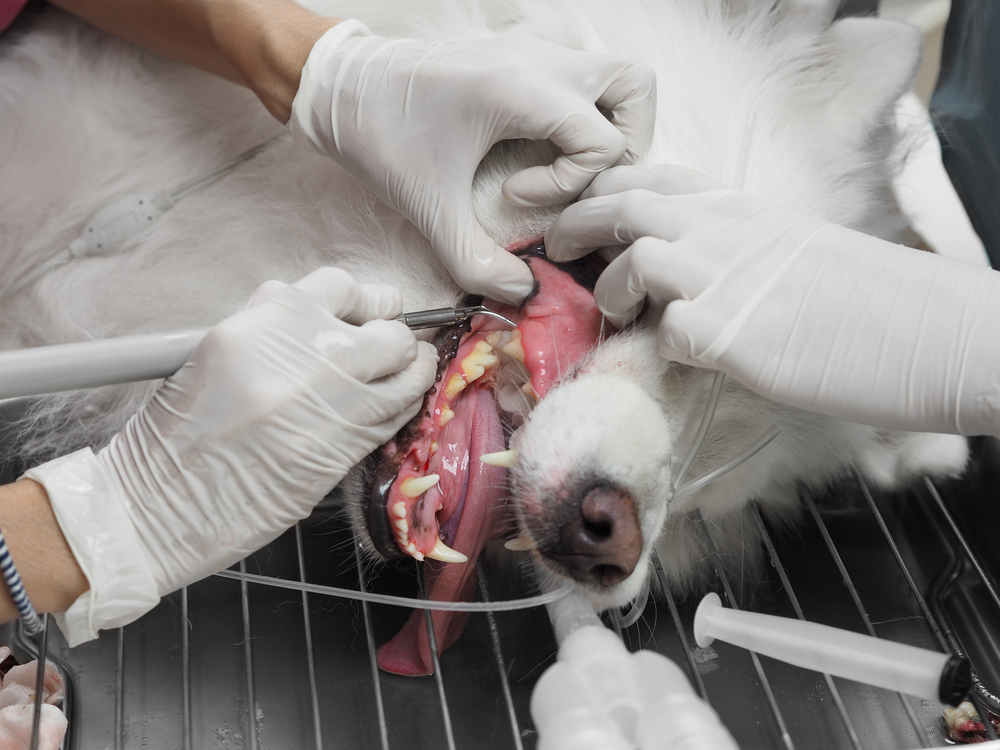
Image Source: www.plumvet.com
A Closer Look at Anesthesia Time for Dog Dental Work
Thinking about how long your dog is under anesthesia can make you worry. It’s good to know what happens. The time under anesthesia, also called canine anesthesia duration for dental work, is just one part of your dog’s vet visit for teeth cleaning. The vet team carefully plans each step. They want to keep your dog safe and comfortable.
Factors Influencing Dog Dental Cleaning Anesthesia Time
Many things can change how long your dog needs to stay under anesthesia for teeth cleaning. These factors help the vet decide the best plan.
- Age and Health Status: A young, healthy dog might need less time. An older dog, or one with health issues, might need more careful watching. They might also need a different type of anesthesia.
- Dental Condition: This is a big one.
- Mild Plaque: If your dog just has a little plaque, the cleaning can be quick.
- Heavy Tartar: A lot of tartar takes longer to remove.
- Gum Disease: If there’s gum disease, it adds time. The vet needs to clean below the gum line very carefully.
- Missing Teeth: Checking for missing teeth or problem spots takes time.
- Extractions Needed: If teeth need to come out, this makes the procedure much longer. Each extraction adds time. It can add from 5 minutes to 30 minutes per tooth. Complex extractions take even longer.
- Type of Anesthesia Used: Vets use different drugs. Some drugs wear off faster. This can change the overall time your dog is sleepy.
- Clinic Protocols and Equipment: Some clinics have advanced tools. These tools can make the process faster or safer. Better monitoring equipment also helps the vet keep your dog stable.
- Emergency vs. Routine: A planned cleaning is usually smooth. An emergency, like a broken tooth needing quick care, might have a different flow. This can slightly change the canine anesthesia duration for dental work.
The Anesthesia Process: From Start to Finish
It’s not just about the moment your dog is asleep. The whole process is carefully managed. This includes before, during, and after the cleaning. Knowing this helps you understand the how long does dog sedation last for teeth cleaning question.
- Pre-Anesthetic Screening:
- Physical Exam: The vet checks your dog from nose to tail. They listen to the heart and lungs. This makes sure your dog is healthy enough for anesthesia.
- Blood Work: Blood tests are very important. They show how well organs like the liver and kidneys are working. These organs process the anesthesia drugs. Good blood work helps the vet pick the safest drugs. This step is key for safe veterinary dental procedure anesthesia duration.
- Sedation and Induction:
- Pre-medication: Your dog gets a shot to help them relax. This is a mild sedative. It also helps with pain. This part can make your dog sleepy for a while before the main anesthesia starts. This is part of how long does dog sedation last for teeth cleaning.
- Induction: Once relaxed, your dog gets a short-acting drug. This drug makes them fall asleep quickly.
- Intubation: A soft tube goes into your dog’s windpipe. This tube helps deliver anesthetic gas and oxygen. It keeps your dog breathing well. It also protects their lungs from water or debris during cleaning.
- Maintenance of Anesthesia:
- Anesthetic Gas: Your dog breathes a mix of oxygen and anesthetic gas through the tube. The vet adjusts this gas to keep your dog safely asleep.
- IV Fluids: Most dogs get fluids through a small IV line in a leg vein. This helps keep blood pressure stable. It also helps hydration.
- Monitoring Dog During Anesthesia Dental Cleaning: This is a critical part. The vet team watches your dog very closely.
- Heart Rate and Rhythm: They check how fast and steady the heart beats.
- Breathing Rate and Depth: They ensure your dog is breathing well.
- Blood Pressure: This is important for organ health.
- Oxygen Levels: A machine checks how much oxygen is in the blood.
- Body Temperature: Dogs can get cold under anesthesia. They use warming blankets to keep them warm.
- Carbon Dioxide Levels: This shows how well your dog is breathing out waste gas.
- A trained vet nurse or technician stays with your dog the entire time. They write down all these numbers. They tell the vet if anything changes. This careful watching ensures the veterinary dental procedure anesthesia duration is as safe as possible.
- Recovery:
- Waking Up: The vet turns off the anesthetic gas. Your dog starts to wake up slowly. The tube stays in until your dog can swallow on their own.
- Warmth and Comfort: The team keeps your dog warm and cozy. They watch for any problems while waking.
- Pain Management: Your dog might get pain medicine. This helps them feel better after the cleaning, especially if teeth came out.
- Post-Anesthesia Effects Dog Teeth Cleaning: Your dog will be a bit groggy. This is normal. More on this later.
Average Anesthesia Time for Dog Teeth Cleaning
So, what is the usual time frame? The average anesthesia time for dog teeth cleaning really changes based on what needs to be done.
- Simple Cleaning (No Extractions): For a young dog with mild plaque, the time under anesthesia might be as short as 30 to 45 minutes. This includes scaling above and below the gum line and polishing.
- Moderate Cleaning (Few Extractions): If there are a few teeth that need to come out, the time goes up. This could be anywhere from 1 hour to 1.5 hours. This adds time for x-rays of the bad teeth, removing them, and stitching the gum.
- Complex Cleaning (Many Extractions/Severe Disease): For older dogs with heavy tartar, severe gum disease, and many bad teeth, the time can be 2 to 3 hours or even longer. Each extraction takes time. If there are many, it adds up quickly. Sometimes, a specialist vet dentist handles very complex cases.
Here is a table showing typical times:
| Dental Procedure Complexity | Approximate Anesthesia Time | What It Includes |
|---|---|---|
| Simple Cleaning | 30 – 60 minutes | Exam, full mouth x-rays, scaling, polishing. No extractions. |
| Moderate Cleaning | 60 – 90 minutes | All above, plus 1-3 simple extractions. |
| Complex Cleaning | 90 minutes – 3+ hours | All above, plus multiple extractions (some complex), deep gum cleaning, or advanced procedures. |
Remember, this is just the time your dog is under anesthesia. The total time your dog is at the clinic will be much longer. It includes check-in, pre-anesthetic steps, recovery, and discharge.
Why Anesthesia Is Necessary for Dog Dental Scaling
You might wonder if your dog really needs to be fully asleep for teeth cleaning. The answer is a clear “yes.” Dog dental scaling anesthesia time is necessary for many reasons.
- Thorough Cleaning: Dogs will not sit still for a proper cleaning. A full dental cleaning is more than just scraping off visible tartar. It involves cleaning under the gum line. This area holds a lot of bacteria. These bacteria can cause serious health problems. It’s impossible to do this well on a dog that is awake.
- Safety for Your Dog: Imagine trying to clean a dog’s teeth with sharp tools while they are awake. Even the calmest dog could suddenly move. This could cause injury to their mouth or the vet staff. Anesthesia keeps your dog still and safe.
- Safety for Vet Staff: Anesthesia keeps the staff safe from bites or scratches.
- Pain-Free Procedure: Cleaning under the gums can be painful. Extractions are very painful. Anesthesia ensures your dog feels no pain during the procedure. Pain control is a big part of the plan.
- Dental X-rays: Taking good dental x-rays requires the dog to be perfectly still. X-rays show problems below the gum line. These problems are often hidden. Things like root issues or bone loss are only seen on x-rays.
General Anesthesia for Dog Dental Cleaning Length: What to Expect
When we talk about the general anesthesia for dog dental cleaning length, it’s important to think about the whole day. Your dog will spend several hours at the vet.
- Morning Drop-Off: You’ll usually drop off your dog in the morning. They need to have an empty stomach.
- Pre-Anesthesia Prep: Your dog will have a physical exam. Blood tests might be done or checked. An IV catheter is placed. They get their pre-medication. This can take an hour or two.
- The Procedure: This is the actual time under anesthesia. As discussed, it can be from 30 minutes to over 3 hours.
- Recovery at Clinic: After the cleaning, your dog slowly wakes up. The vet team watches them closely. They make sure your dog is warm and breathing well. This recovery time can be 1 to 3 hours. Sometimes longer if they were under for a long time or need extra care.
- Going Home: You usually pick up your dog later in the day. They should be awake and able to walk. They might still be a bit wobbly.
So, while the general anesthesia for dog dental cleaning length might be 1 to 2 hours, your dog will be at the clinic for 6 to 10 hours. This total time allows for careful prep and safe recovery.
Minimizing Risks and Ensuring Safety During Veterinary Dental Procedure Anesthesia Duration
Veterinary clinics take many steps to make anesthesia as safe as possible. Modern anesthesia is much safer than it used to be.
- Skilled Team: A trained vet and veterinary nurses or technicians work together. They know how to handle anesthesia drugs and equipment.
- Pre-Anesthetic Exams: These tests are key. They help spot problems before anesthesia starts.
- Tailored Anesthesia Plan: The vet picks the best drugs and dosages for your dog. They look at your dog’s age, breed, and health.
- Advanced Monitoring Equipment: As mentioned, special machines watch heart rate, breathing, oxygen, and blood pressure. These tools give real-time data. They help the team act fast if needed.
- IV Fluids: Fluids help keep blood pressure stable. They also help your dog stay hydrated. This is very important for organ function during anesthesia.
- Warming Devices: Your dog’s body temperature can drop under anesthesia. Warming blankets or air blankets keep them warm.
- Pain Management: Pain medicine is given before, during, and after the procedure. This keeps your dog comfortable. It also helps them recover faster.
- Recovery Care: The team watches your dog closely as they wake up. This helps catch any problems early.
All these steps reduce the risks of veterinary dental procedure anesthesia duration.
Preparing Your Dog for Anesthesia and Dental Cleaning
Good prep helps make the dental cleaning go smoothly.
- Fasting Instructions: You will get clear rules about when to stop feeding your dog. Usually, it’s no food after midnight the night before. Water is fine until a few hours before. This is vital to prevent vomiting while under anesthesia. Vomit can enter the lungs and cause serious problems.
- Pre-Anesthetic Blood Tests: Make sure these tests are done. They give the vet important health info.
- Discussing Concerns: Talk to your vet about any worries you have. Ask questions. Share any past health issues your dog has had. This open talk helps the vet plan the safest care.
Post-Procedure Care and Post-Anesthesia Effects Dog Teeth Cleaning
Your dog will need some care after their dental cleaning. Knowing what to expect helps you support their recovery.
- Waking Up at the Clinic: Your dog will wake up slowly at the clinic. They will be monitored until they are steady enough to go home. They might be a bit wobbly, sleepy, or confused.
- Home Care Instructions: The vet will give you detailed instructions.
- Food and Water: They will tell you when your dog can eat and drink. Often, a small, soft meal is best that evening.
- Medication: Your dog might go home with pain medicine or antibiotics. Follow the directions carefully.
- Activity: Limit rough play for a day or two. Let your dog rest.
- Checking Their Mouth: If teeth came out, check the surgical sites as instructed. Report any swelling or bad smell.
- Common Post-Anesthesia Effects Dog Teeth Cleaning: These are usually mild and short-lived.
- Grogginess/Sleepiness: Your dog will be sleepier than usual. This can last for 12-24 hours.
- Nausea/Vomiting: Some dogs feel a bit sick. They might throw up once or twice. Offer small amounts of bland food.
- Lack of Appetite: Your dog might not want to eat right away. This should pass within a day.
- Coughing: A mild cough can happen from the breathing tube. This usually goes away in a day or two.
- Soreness: If extractions were done, your dog might be sore. Pain medicine helps a lot.
- Swelling: Some swelling around the face or gums is possible after extractions.
- When to Worry: Call your vet if you see any of these signs:
- Severe vomiting or diarrhea
- Trouble breathing
- Extreme weakness or collapse
- Not eating or drinking for more than 24 hours
- Excessive bleeding from the mouth
- Bad smell from the mouth
- Pain that pain medicine does not control
These signs are rare. But it’s good to know when to seek help. The dog teeth cleaning recovery time anesthesia refers to this period of waking up and feeling better. Most dogs are back to their normal selves within 24-48 hours.
Dog Dental Scaling Anesthesia Time and Its Variations
The phrase “dog dental scaling anesthesia time” focuses on the actual cleaning part. But it’s important to remember that the scaling is often just one part of a full dental procedure.
- Simple Scaling: If your dog only needs scaling, it’s often the fastest part. This involves removing plaque and tartar from all tooth surfaces.
- Scaling with Extractions: This is where the time really varies. Extractions can add a lot of time.
- Simple Extractions: These are like pulling a loose baby tooth. They are quick.
- Surgical Extractions: These are for teeth with strong roots or broken crowns. The vet might need to cut the gum, remove bone, and then stitch it up. These take much longer. A single difficult surgical extraction can add 30-60 minutes to the anesthesia time.
- Multi-Rooted Teeth: Back teeth (molars and pre-molars) often have two or three roots. Extracting these means dividing the tooth and removing each root. This adds time.
So, while scaling itself might be short, the full procedure’s length, and thus the dog dental scaling anesthesia time, grows with each additional step needed. Your vet will give you an estimate after looking at x-rays and seeing your dog’s mouth.
Veterinary Dental Procedure Anesthesia Duration: A Clinic’s Perspective
From the clinic’s point of view, planning the veterinary dental procedure anesthesia duration is a complex task.
- Scheduling: They schedule dental cleanings carefully. They need enough time for each patient. They also need to make sure there are enough staff members to monitor each dog.
- Team Roles:
- Veterinarian: The vet oversees the entire process. They do the oral exam, take x-rays, perform the scaling, and do any extractions. They also pick the anesthesia drugs and oversee monitoring.
- Veterinary Technician/Nurse: A trained tech is vital. They prep the dog, place the IV, and, most importantly, monitor the dog during anesthesia dental cleaning. They record vital signs and alert the vet to any changes. They also help with scaling and polishing.
- Support Staff: Other staff help with check-in, recovery, and cleaning.
- Equipment Ready: All monitoring devices, dental tools, and anesthesia machines must be clean and working well.
- Flexibility: The vet team must be ready for surprises. They might plan for a simple cleaning but find a bad tooth. They need to be ready to adjust the plan and extend the veterinary dental procedure anesthesia duration if needed. They will call you to get approval for extra work.
This careful planning and teamwork ensure the safest and most efficient veterinary dental procedure anesthesia duration for your dog.
Frequently Asked Questions
Q: Is anesthesia safe for old dogs?
A: Yes, anesthesia can be safe for old dogs. Age itself is not a disease. What matters more is your dog’s overall health. Vets do more tests for older dogs. This helps them pick the safest anesthesia plan. Modern drugs and careful monitoring make it very safe.
Q: Can my dog get sick from anesthesia?
A: Serious problems from anesthesia are rare. Minor post-anesthesia effects dog teeth cleaning like sleepiness, mild nausea, or a slight cough can happen. These usually go away quickly. Your vet will talk about any specific risks for your dog.
Q: How long until my dog is back to normal after teeth cleaning?
A: Most dogs are back to their usual selves within 24 to 48 hours. They might be sleepy or a bit wobbly the first night. If extractions were done, they might need a few more days to feel fully normal. Pain medicine helps a lot during this time.
Q: What happens if my dog needs extractions?
A: If extractions are needed, the vet will usually call you while your dog is under anesthesia. They will explain what teeth need to come out and why. They will also tell you the added cost and how it will extend the dog dental cleaning anesthesia time. You will need to give permission over the phone.
Q: How often should my dog get teeth cleaned?
A: It depends on your dog. Some dogs need a cleaning every year. Others might only need one every few years. Your vet will tell you the best schedule for your dog based on their breed, diet, and how fast tartar builds up. Regular home care, like brushing, can help lengthen the time between cleanings.
Conclusion
Knowing the dog dental cleaning anesthesia time helps you feel ready for your dog’s dental visit. While the actual time under anesthesia can range from 30 minutes to over 3 hours, your dog will be at the clinic for much longer. This extra time covers all the safety steps. These steps include careful pre-checks, close monitoring dog during anesthesia dental cleaning, and a smooth recovery.
Anesthesia for dental cleaning is a very safe procedure when done by a trained vet team. It allows for a thorough, pain-free cleaning. This cleaning is vital for your dog’s health. Good dental care means a healthier, happier dog. Talk to your vet about any questions. They can help you make the best choices for your furry friend’s dental health.