
How long does a dog’s paw take to heal? This is a common question for dog owners. The answer is, it depends on the injury. But often, a dog’s paw pad can take about 7 to 14 days to heal from minor cuts or scrapes. More serious injuries like deep cuts, large tears, or severe burns can take much longer, sometimes weeks or even over a month. The time it takes for dog paw pad healing time is different for every dog and every wound.
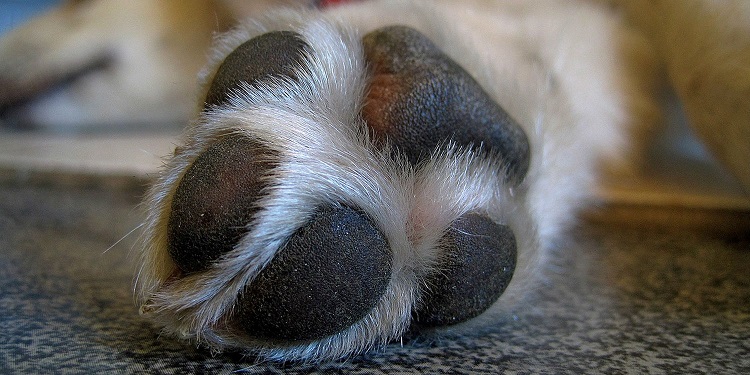
Image Source: www.healthcareforpets.com
Why Paw Pads Are Important
Dog paw pads are tough. They are like thick skin on the bottom of a dog’s foot. They help dogs walk on different surfaces. They protect bones and joints from the ground. They also help with balance and stopping. Because pads touch the ground all the time, they can get hurt easily.
Common Paw Pad Problems
Dogs can hurt their paw pads in many ways. Knowing the type of injury helps know how long it might take to heal.
Scrapes and Abrasions
These are like getting a scrape on your knee. The top layer of the pad is rubbed off. This can happen from running on rough ground. They are usually not very deep.
Cuts
Dogs can step on sharp things. Glass, sharp rocks, or metal can cut the pads. Cuts can be small or deep. Deep cuts bleed a lot and take longer to fix.
Burns
Hot surfaces can burn dog pads. Pavement, sand, or metal can get very hot in the sun. Walking on these can cause blisters or even severe burns. Burned dog paw pad healing can be very slow.
Tears
Sometimes a piece of the pad can get torn off. This often happens if a dog steps on something that snags the pad. A torn pad is a serious injury.
Infections
Injured paw pads can get infected. Dirt and germs can get into wounds. An infected paw pad can be swollen, red, and painful. Infected paw pad healing time is longer because the infection needs to be treated first.
Cracks
Pads can get dry and crack. This can happen in cold or hot weather. Cracks can be painful and can sometimes bleed.
Seeing How Paw Pads Heal
Healing is a process. Paw pads go through different steps to get better. These are the healing stages of dog paw pads.
Stage 1: The Injury Happens
This is when the pad gets hurt. There might be bleeding. The dog might limp. The area might look red or torn.
Stage 2: Cleaning and Protection
Right after the injury, the body tries to clean the wound. Blood might clot. Cells come to the area to fight germs. You need to clean the wound too. Protecting it helps stop more harm.
Stage 3: New Skin Starts to Grow
This stage takes time. New cells start to build tissue. The body fills in the gap from the injury. This is like a scab forming, but inside the pad tissue.
Stage 4: Closing the Wound
New skin grows over the injured area. The edges of the wound pull together. This covers the raw tissue. This step is called epithelialization.
Stage 5: Strengthening the New Tissue
The new skin gets thicker and stronger. It needs time to become as tough as the old pad tissue. This can take longer than the wound closing.
The dog paw pad healing time includes all these stages. Small scrapes might skip some stages or go through them very quickly. Bigger injuries go through all steps slowly.
How Long Does Healing Take?
The average dog paw healing time is not a single number. It changes based on what is wrong.
Minor Scrapes and Abrasions
These are the fastest to heal.
- Healing Time: Often 5 to 7 days.
- The top layer heals quickly. The body grows new skin fast.
Small Cuts (not deep)
If a cut is small and does not go deep into the pad.
- Healing Time: Usually 7 to 10 days.
- It might need a bandage for a few days. Keeping it clean is key.
Deep Cuts or Tears
These are more serious. They might need stitches.
- Healing Time: Can be 2 to 4 weeks or even more.
- Stitches help close the wound. The deeper tissue needs time to repair. The surface needs to heal over.
Burned Pads
Burned dog paw pad healing depends on how bad the burn is.
- Minor Burns (like blisters): 7 to 14 days.
- Severe Burns (deep tissue damage): Can take 4 weeks to several months.
- Severe burns damage many layers. New tissue must grow slowly.
Infected Pads
Infected paw pad healing time starts after the infection is cleared.
- Healing Time: Adds 1 to 2 weeks (or more) to the time needed for the original injury.
- First, the vet treats the infection with medicine. Then the pad starts to heal the wound itself.
Cracks
Simple dry cracks might heal with balm.
- Healing Time: A few days to 1 week.
- Deep cracks might need special care or bandages. They can take longer, maybe 2 weeks.
It is important to remember these are just guides. How long does a dog’s paw take to heal really depends on many things.
What Helps Paw Pads Heal Faster?
Many factors affecting dog paw healing can speed it up or slow it down.
Type of Injury
A small scrape heals faster than a big burn or deep cut. This is the main factor.
How Deep the Injury Is
Shallow injuries heal quickly. Deep ones take a lot longer.
Location of the Injury
Pads are always walked on. Injuries on the weight-bearing parts of the pad heal slower than those on the edges.
Keeping it Clean
Clean wounds heal better. Dirt and germs slow down healing. They can cause infection.
Protecting the Wound
Stopping the dog from licking or chewing helps healing. Keeping the wound covered (when needed) protects it.
The Dog’s Health
A healthy dog heals faster than a sick dog. Dogs with other health problems might heal slowly.
The Dog’s Age
Young dogs often heal faster than older dogs. Their bodies repair tissue more quickly.
The Dog’s Activity Level
Running and playing can reopen wounds or put stress on healing tissue. Rest helps healing.
Proper Care
Doing what the vet says is very important. Using the right medicine and bandages helps a lot. Caring for injured dog paw correctly makes a big difference.
Infection
Infection is a major factor that slows healing. It must be treated first.
How to Take Care of a Hurt Paw Pad
Caring for injured dog paw is key to fast and good healing. Always see a vet if your dog has a serious paw injury.
Clean the Wound
For minor cuts or scrapes, you can gently clean the area. Use warm water and a mild soap made for dogs. Or use a special cleaning liquid the vet gives you. Do not use alcohol or hydrogen peroxide; these can hurt the tissue.
Stop Bleeding
If the paw is bleeding, press a clean cloth or bandage on it. Hold it firmly for a few minutes. If bleeding does not stop, go to the vet right away.
Protect the Paw
Dogs want to lick their hurts. Licking can cause infection and slow healing. Use an Elizabethan collar (e-collar or cone). This stops the dog from reaching the paw.
Bandaging
Your vet might put a bandage on the paw. A bandage protects the wound from dirt. It can also help stop bleeding and swelling.
- How to bandage (if shown by vet):
- Put a non-stick pad on the wound.
- Wrap soft material around the paw.
- Wrap a bandage tightly enough to stay but not too tight. You should be able to fit two fingers under the bandage.
- Cover the bandage with a protective boot or special tape when going outside.
- Change bandages often. The vet will tell you how often. This keeps the wound clean and dry. If a bandage gets wet or dirty, change it right away.
Keep the Paw Dry
Wet wounds do not heal well. Keep the paw dry, especially under bandages. Use a protective boot for walks in wet grass or rain.
Limit Activity
Your dog needs to rest. Do not let them run, jump, or play rough. This puts stress on the healing pad. Short leash walks only. Avoid hard or hot surfaces.
Follow Vet Instructions
Your vet might give you medicine. This could be for pain or to fight infection. Give all the medicine as directed. Go back for check-ups as scheduled.
Check the Paw Daily
Look at the paw every day. Check for signs of healing. Also look for signs of dog paw not healing.
Seeing if a Paw is Not Healing Right
Sometimes, a paw pad does not heal as it should. Knowing the signs of dog paw not healing is important. If you see these signs, call your vet.
Swelling
The paw might get more swollen instead of less.
Redness
The skin around the wound gets very red or the redness spreads.
Heat
The paw feels hot to the touch compared to the other paws.
Pus or Discharge
You see yellow, green, or bad-smelling liquid coming from the wound. This is a strong sign of infection.
Bad Smell
The wound smells bad.
Pain
The dog shows more pain. They might cry, limp more, or not want you to touch the paw.
Wound Opens Up
The wound that was closing opens again.
Dog Licks or Chews More
The dog is bothered by the paw and keeps trying to lick or chew it, even with a cone on.
No Change
The wound does not look any better after several days, or it looks worse.
These signs can mean the wound is infected. They can also mean the dog is hurting the wound again. Or maybe the type of care needs to change. Your vet can figure out what is wrong and change the plan. This will help the dog paw pad healing time get back on track.
Specific Injury Healing Times Detailed
Let’s look closer at some specific common injuries and their dog paw pad healing time.
Cuts and Cut Dog Paw Pad Recovery
- Small, shallow cuts: Clean the cut gently. You might need to trim hair around it. Put on a small amount of antibiotic cream (ask your vet if it’s safe for dogs). Cover with a light bandage for a day or two. Keep the dog from licking. Healing often takes about a week.
- Deeper cuts: These often need to be cleaned and maybe stitched by a vet. Stitches help the edges come together for faster healing.
- Vet cleans the wound.
- Vet might use glue or stitches.
- Paw is bandaged.
- You keep the bandage clean and dry. Change it as the vet says.
- Keep the dog quiet.
- Stitches usually stay in for 10-14 days.
- After stitches are out, the surface still needs to get tough. The full cut dog paw pad recovery might take another week or two.
- Total time for deep cuts: 2 to 4 weeks or more.
Burns and Burned Dog Paw Pad Healing
Burns are tricky. They can look not so bad at first, but get worse.
- First-degree burns (redness): Like a sunburn. Paw is red, maybe a little painful. Cool the paw with cool (not ice cold) water. Use a soothing cream (ask vet). Keep off hot surfaces. Heals in about 7 days.
- Second-degree burns (blisters): Blisters form. The layers underneath are hurt. These are more serious.
- Cool the burn right away.
- Do NOT break blisters.
- See a vet. The vet will clean the burn gently.
- Vet might use special bandages or creams.
- These take longer. Burned dog paw pad healing for second-degree burns can be 2-3 weeks.
- Third-degree burns (deep tissue): The pad looks black or white and feels dry. This is very serious. It destroys layers of tissue.
- Go to the vet IMMEDIATELY.
- These need intensive care. Often need special bandages and pain medicine. May need surgery.
- Healing is very slow. Can take 4 weeks to several months. New tissue has to grow from deep layers or edges. The new pad may not be as tough as the old one.
Preventing burns is much better than treating them. If the ground is too hot for your hand, it is too hot for your dog’s paws.
Infections and Infected Paw Pad Healing Time
An infection can happen with any wound.
- Signs of infection: Redness, swelling, heat, pain, pus, bad smell.
- If you think the paw is infected, see your vet.
- The vet will clean the infection. They will likely give your dog antibiotic medicine. This might be pills or a liquid. They might also give a cream or cleaning wash.
- You must give all the medicine, even if the paw starts to look better. Stopping early can make the infection come back.
- Once the infection is under control, the wound can start to heal.
- The time for the original wound to heal starts after the infection is mostly gone.
- So, the infected paw pad healing time adds the time to fight the infection (maybe 1-2 weeks) to the time the original injury needed to heal. This is why infections greatly slow down healing.
Comparing Healing Times
Here is a simple look at how long different injuries might take. Remember, this is just an average. How long does a dog’s paw take to heal really depends on the dog and the care.
| Injury Type | Average Healing Time | Notes |
|---|---|---|
| Minor Scrape/Abrasion | 5-7 days | Top layer of skin |
| Small Cut | 7-10 days | Not deep, no stitches needed |
| Deep Cut (with stitches) | 2-4 weeks | Needs vet care, stitches out at 10-14 days |
| Minor Burn (1st degree) | 7 days | Redness only |
| Moderate Burn (2nd degree) | 2-3 weeks | Blisters present |
| Severe Burn (3rd degree) | 4 weeks to months | Deep damage, needs expert care |
| Infected Wound | Adds 1-2+ weeks | Healing starts after infection is treated |
This table gives you a quick idea of the dog paw pad healing time for different problems.
Important Reminders
- Always see a vet: For anything more than a tiny scrape, a vet visit is best. They can clean the wound right, check how deep it is, decide if stitches are needed, and give pain medicine or antibiotics.
- Follow instructions: Do exactly what your vet tells you for caring for injured dog paw. This is the best way to ensure good healing.
- Be patient: Paw pads take time to get tough again. Even after the wound looks closed, the new tissue is still weak. Keep protecting it for a while.
- Prevent future injuries: Check the ground before walking your dog. Avoid hot pavement, ice, salt, and sharp objects. Consider protective boots in bad weather or on rough ground.
Comprehending Paw Pad Toughness
Dog paw pads are amazing. They are made of special fat and tissue. This makes them like shock absorbers. The skin on them is much thicker than skin anywhere else on a dog’s body. This thickness gives them natural protection. But they are not unbreakable. Hard surfaces, extreme heat or cold, and sharp things can still cause harm. The natural toughness helps explain the healing stages of dog paw pads. The body tries to rebuild this thick, tough layer.
Factors That Help Healing
To help the average dog paw healing time be shorter and better:
- Cleanliness: Keep the wound very clean.
- Low stress: Avoid putting weight or pressure on the paw.
- Good diet: A healthy diet helps the body repair itself.
- Hydration: Make sure your dog drinks enough water.
- Warmth: Keep the dog warm and comfortable.
Factors That Hurt Healing
These things can make dog paw pad healing time longer:
- Licking/Chewing: This is the most common problem. Saliva has bacteria. Licking irritates the tissue.
- Walking too much: Pressure on the wound delays closing and can reopen it.
- Dirt and moisture: Keeping the wound dirty or wet invites infection.
- Poor circulation: Some health problems affect blood flow, slowing healing.
- Not enough protein: Protein is needed to build new tissue.
- Certain medicines: Some drugs, like steroids, can slow healing.
Knowing these factors affecting dog paw healing helps you provide the best care at home.
FAQ: Questions About Paw Pad Healing
Here are some common questions people ask about dog paw pad healing.
Can I put a regular human bandage on my dog’s paw?
It is better to use bandages made for dogs or follow your vet’s specific instructions. Human bandages might not stick right to dog fur. They might be too tight or too loose. Also, the padding might not be right for a paw. Always ask your vet first.
My dog keeps licking the bandage. What can I do?
The best thing is an e-collar (cone). It stops the dog from reaching the paw. Make sure the cone is long enough that they cannot nose their way to the bandage.
When can my dog walk normally after a paw injury?
Do not let your dog walk normally until the vet says it is okay. This is usually when the wound is fully closed and the new tissue has started to toughen up. This could be a few days after a minor scrape or weeks after a deep cut or burn. Start with short, slow walks on soft ground. Watch for limping or pain.
How do I know if the new skin is strong enough?
The new skin should look similar in color and thickness to the rest of the pad. It should not look thin, red, or easily rubbed off. Gently touch it (if your dog allows) – it should feel firm, not soft or tender. Your vet can check this at a follow-up visit.
Can I use Neosporin or other human antibiotic creams?
Some human antibiotic creams can be safe for dogs, but some contain ingredients that are not. Also, dogs often lick creams off, which is not good. Always ask your vet before putting any cream or medicine on your dog’s paw. They can give you a safe product made for dogs or tell you if it is okay to use a specific human product.
What about paw wax or balms?
Paw waxes and balms are great for preventing dry, cracked pads. They can help keep healthy pads healthy. However, do not put them on open wounds unless your vet tells you to use a specific healing balm. Use them on the healthy parts of the pad or once the wound is fully closed and healing.
My dog limps but I don’t see a cut. What could it be?
There could be many reasons for limping besides a visible cut. It could be:
* A tiny cut you cannot see.
* A bruise.
* A foreign object stuck between the toes or in the pad (like a thorn).
* A sprain or strain in the leg or foot.
* An injury higher up the leg.
* Something wrong with a nail.
* Arthritis.
If your dog is limping, it means they are in pain or uncomfortable. It is best to have a vet check them to find the cause.
How long is the dog paw pad healing time for a torn pad?
A torn pad is a type of deep cut or flap injury. Cut dog paw pad recovery for a significant tear is often 3-6 weeks. The vet may need to clean it well, remove any loose bits, and possibly stitch the flap back on or close the gap. It takes a long time for the deep tissue and the surface to heal and become strong again.
Does breed affect healing time?
Some breeds might have naturally tougher or more sensitive pads, but the biggest factors are the injury itself and the individual dog’s health and care. There isn’t a major difference in average dog paw healing time based solely on breed.
Can I exercise my dog while their paw is healing?
No, not normal exercise. High-impact activities like running, jumping, or fetch should be stopped completely. Only allow short, slow walks on soft ground, like grass, if the vet says it is okay. Too much movement is one of the main factors affecting dog paw healing negatively. It puts pressure on the wound and slows down or stops it from closing.
Conclusion
Watching your dog limp and knowing their paw pad is hurt is tough. You want them to feel better fast. The truth is, how long does a dog’s paw take to heal really varies. It depends on the type and size of the injury, if it gets infected, and how well you care for it. Minor scrapes might heal in about a week, but serious burns or deep cuts can take a month or much longer.
Paying close attention to the healing stages of dog paw pads and looking for signs of dog paw not healing is important. Most importantly, work with your vet. They are the best resource for getting the right diagnosis and treatment plan. Proper caring for injured dog paw, including keeping it clean, protected, and rested, is the best way to ensure the shortest possible dog paw pad healing time and help your furry friend get back on their feet comfortably.