
Exactly How Long Does Dog X Ray Take? Get the Details.
A common question for pet owners is: how long does a dog X-ray take? The good news is that the actual X-ray scan itself is very fast, often taking just a few seconds per image. However, the total time for a dog X-ray procedure, including preparation and positioning, can range from 15 to 45 minutes for a routine scan. For more complex cases, or when sedation is needed, a pet X-ray appointment might last 1 to 2 hours or even longer. Your dog’s X-ray results usually come quickly, often on the same day.
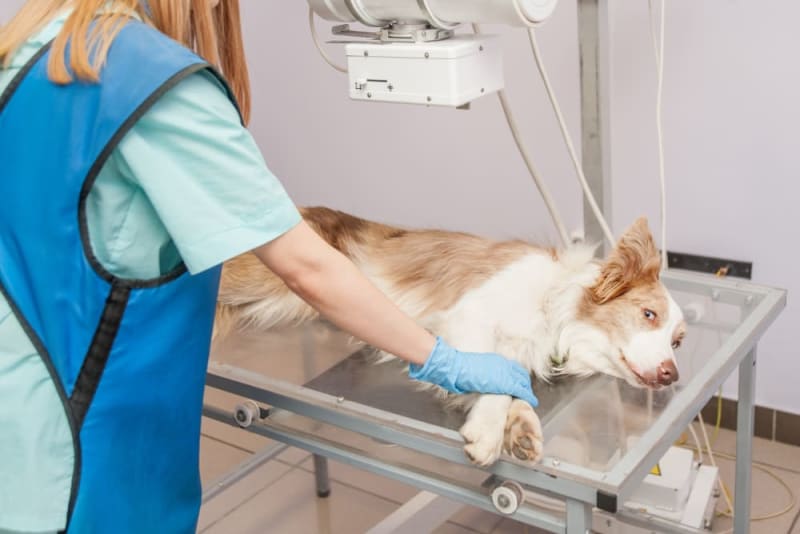
Image Source: d2zp5xs5cp8zlg.cloudfront.net
Deciphering the Dog X-Ray Process
When your dog needs an X-ray, you might wonder about the whole process. It helps to know what to expect. This can ease your worry. A vet uses X-rays to see inside your dog’s body. They can look at bones, organs, and foreign objects. This helps them find out why your dog is sick or hurt.
What Happens During a Dog X-Ray?
The dog X-ray procedure duration includes a few steps. First, your vet will talk to you. They will explain why your dog needs an X-ray. They will tell you what they hope to learn.
- Prep Work: Your dog might need to take off its collar. The vet tech may lead your dog to the X-ray room. This room is often quiet.
- Positioning: This is a key part. Your dog needs to lie still in a specific way. The vet or tech will gently place your dog. They might use sandbags or foam wedges. This keeps your dog in the right spot. They do this to get clear pictures. Poor positioning means blurry images. Blurry images may mean doing the X-ray again.
- The Scan Itself: The X-ray machine makes a quick flash. This flash is a beam of radiation. It goes through your dog’s body. It creates an image on a special plate. This part takes only a second or two.
- Multiple Views: Vets often take several X-ray pictures. They take them from different angles. For example, they might take one from the side. They might take another from the top. This gives a full view of the area. Each picture needs new positioning.
The quickness of a dog X-ray scan is remarkable. The machine works very fast. Most of the time spent is on careful setup.
Elements That Affect X-Ray Time
Many things can change the veterinary X-ray time for dogs. Some dogs are easy to work with. Others are not.
Dog’s Temperament and Health
- Calm Dogs: A calm dog makes the job faster. They lie still easily. The tech can position them quickly.
- Anxious Dogs: Some dogs get scared. They might shake or move a lot. This makes it hard to get clear pictures. The staff will take extra time to comfort them. They might use treats or soft words.
- Painful Conditions: If your dog is in pain, moving them can be hard. The staff must be very gentle. This takes more time. It might make the X-ray last longer.
- Aggressive Dogs: Rarely, a dog might be aggressive. This needs special care. The vet team’s safety is first. They may need more time for safe handling.
Area of the Body Being Scanned
The part of the body needing X-rays matters.
- Simple Areas: A leg or paw X-ray might be quick. It is easy to position.
- Complex Areas: The chest or abdomen needs more pictures. Dogs must hold their breath for chest X-rays. This helps get a clear picture of the lungs. This takes skill and patience. A full spine X-ray takes many images. This makes the canine radiography process length longer.
- Foreign Objects: If a vet looks for a swallowed toy, they need many views. They trace the object’s path. This adds time.
Number of X-Ray Views
As mentioned, vets take many pictures. Each view takes time to set up.
- Routine Checks: A standard check-up might need 2-3 views.
- Specific Issues: A broken bone might need 4-5 views. This shows the break from all sides.
- Body Scans: Some cases need X-rays of the whole body. This is rare. But it would be the longest procedure.
Equipment and Staff Efficiency
Modern X-ray machines are fast. Digital X-rays show up on a screen right away. Old film X-rays took more time to develop. The skill of the vet tech also matters. An experienced tech can position a dog quickly and gently.
The Role of Sedation in X-Rays
Sometimes, a dog needs medicine to relax. This is called sedation. A sedated dog X-ray time is often longer than for an awake dog.
Why Sedation is Used
- Anxiety: Very anxious dogs might not stay still. Sedation helps them relax.
- Pain: Dogs in a lot of pain cannot be moved easily. Sedation helps them feel less pain. It allows for gentle positioning.
- Exact Positioning: For some X-rays, like a hip X-ray for dysplasia, perfect positioning is key. Sedation ensures the dog stays still. This prevents blurry pictures. It means they do not have to repeat the X-ray.
- Safety: For very nervous or aggressive dogs, sedation keeps staff safe. It also keeps the dog safe.
Sedation Process and Time
If your dog needs sedation, this adds time.
- Exam Before Sedation: The vet will check your dog first. They make sure sedation is safe.
- Giving the Medicine: The vet or tech gives the sedative. This can be an injection or a pill.
- Waiting for Effects: The medicine takes time to work. This can be 10 to 20 minutes. Your dog will become sleepy.
- Monitoring: The vet staff will watch your dog during the X-ray. They check their breathing and heart rate. This is for safety.
- Recovery: After the X-rays, your dog will wake up. This can take 30 minutes to a few hours. It depends on the medicine. You will take your dog home when they are more awake. The vet will give you instructions for home care.
The extra steps for sedation mean the total visit will be longer. It might add 30 minutes to a few hours.
Appointment Length Versus Scan Time
It is important to know the difference. The actual X-ray scan is fast. But the full appointment is not just the scan.
The quickness of a dog X-ray scan usually means seconds. The X-ray machine makes a flash. It captures the image instantly. This is like taking a photo with a camera.
However, how long is a pet X-ray appointment? This includes more. It includes:
- Check-in: Signing in at the front desk.
- Vet Exam: The vet checking your dog.
- Discussion: Talking about the X-ray plan.
- Preparation: Moving your dog to the X-ray room. Positioning them.
- The Scans: Taking each X-ray picture.
- Reviewing Images: The vet looking at the pictures.
- Discussion of Results: The vet talking to you about what they found.
- Payment and Check-out: Paying your bill and leaving.
A typical appointment might last 30 minutes to an hour. If sedation is used, it will be longer.
Preparing Your Dog for an X-Ray
Good preparation can make the process smoother. This can help reduce the dog X-ray preparation time.
Before You Go to the Vet:
- Fasting: Your vet might ask you to not feed your dog. This is usually for 8-12 hours before the X-ray. This is very important for abdominal X-rays. Food in the stomach can block the view. It can make pictures unclear. It is also vital if sedation is possible. An empty stomach lowers the risk of vomiting. Vomiting while sedated can be dangerous.
- Pee and Poop: Take your dog out for a walk before the visit. An empty bladder and colon help. This also makes pictures clearer, especially of the abdomen.
- Tell Your Vet: Tell your vet if your dog is very nervous. Tell them if your dog is in pain. This helps them plan. They can make the process easier.
- Bring Records: If you have any old X-rays or medical notes, bring them. This helps the vet compare.
- Bring Comfort Items (if allowed): Ask your vet if you can bring a favorite blanket. Or a comfort toy. This might help your dog feel better.
At the Vet’s Office:
- Follow Instructions: Listen to the vet staff. They will tell you where to go. They will tell you what to do.
- Stay Calm: Your dog can sense your mood. If you are calm, your dog might be too.
- Wait in Designated Areas: You will likely wait in the waiting room. You may not be in the X-ray room. This is for your safety. It is also so the staff can focus.
Good preparation helps the vet get the X-rays quickly and safely. It also helps your dog have a better experience.
Emergency Vet X-Ray Duration
When your dog has an emergency, time is critical. The emergency vet X-ray duration is often faster. But the overall stay might be longer.
Speed is Key in Emergencies
- Urgent Need: If your dog has been hit by a car, or has trouble breathing, X-rays are vital. The vet needs answers fast.
- Prioritized: Emergency cases get priority. Your dog will likely go to the X-ray room quickly.
- Fewer Views: The vet might take only essential views at first. They get enough pictures to make a fast diagnosis. More detailed views can be taken later.
Emergency Factors That Add Time
- Stabilization: Before X-rays, the vet might need to stabilize your dog. This means treating shock or pain. This can add minutes or even an hour.
- Staff Availability: In an emergency, staff are busy. If many emergencies happen at once, there might be a small wait. But your dog will be seen as soon as possible.
- Sedation: If your dog is in severe pain or highly unstable, sedation might be needed. This adds time.
Even in an emergency, the actual X-ray exposure is seconds. The process of getting your dog ready and getting the machine set up is fast. But the total time at an emergency vet might be long. This is due to waiting for staff, stabilization, or other tests.
How Long Until You Get X-Ray Results?
After the X-rays are done, you want to know what they show. The dog X-ray results turnaround time is often very fast.
Digital X-Rays: Instant Views
Most vets now use digital X-ray machines.
- Immediate Review: Images appear on a computer screen right away. The vet can look at them minutes after they are taken.
- Quick Discussion: The vet can often talk to you about the findings right then. They can show you the pictures. They can explain what they see. This is usually before you leave the clinic.
- Sending to Specialists: Sometimes, a vet wants a second opinion. They might send the images to a radiologist. A radiologist is a vet who specializes in reading X-rays. This usually happens online. A report from a radiologist might take a few hours to 1-2 days. This depends on how urgent it is.
Older Film X-Rays: Slower Process
Some clinics still use film X-rays.
- Development Time: Film needs to be developed in a darkroom. This takes time. It can be 10-20 minutes.
- Less Common: Film X-rays are much less common now. Digital is faster and better.
For most routine cases, you will get an immediate verbal report. A written report might come later. If the vet sends it to a specialist, it will take longer. But you will get some basic info before you leave.
Average Time for Dog X-Ray Breakdown
Let’s break down the average time for a dog X-ray appointment. This is for a standard case, not an emergency.
| Step | Approximate Time (No Sedation) | Approximate Time (With Sedation) |
|---|---|---|
| Check-in & Initial Exam | 5-15 minutes | 5-15 minutes |
| Discussion & Preparation | 5-10 minutes | 5-10 minutes |
| Sedation Administration & Waiting | Not applicable | 15-30 minutes |
| Positioning & Actual X-ray Scans | 5-15 minutes | 5-15 minutes |
| Vet Review of Images | 5-10 minutes | 5-10 minutes |
| Discussion of Results & Next Steps | 5-15 minutes | 5-15 minutes |
| Recovery from Sedation | Not applicable | 30 minutes – 2 hours |
| Check-out | 5 minutes | 5 minutes |
| Total Appointment Time | 30-60 minutes | 1 hour 15 minutes – 3 hours |
This table gives you a general idea. The actual time can change. It depends on your dog and the clinic. The canine radiography process length for a simple scan is short. But the overall time for the visit is longer.
Canine Radiography Process Length: A Deeper Look
The length of the canine radiography process is often shorter than people think. Most of the time, the dog is not under the X-ray beam. The biggest time spent is getting the dog ready.
- Getting Ready: This is a big part. It means getting the dog to the room. It means making sure they are calm. It means getting them into the right pose. This can be easy or hard. It depends on the dog.
- Taking Pictures: Each picture is very fast. A series of pictures might take only a minute of actual X-ray time.
- Checking Pictures: Vets look at the pictures right away. They check for clarity. They make sure they got all the needed views. If not, they might take more. This adds a little time.
The process aims for clear pictures on the first try. This saves time. It also means less stress for your dog.
Summing Up Your Dog’s X-Ray Visit
The quickness of a dog X-ray scan is remarkable. The X-ray machine works in a flash. The entire dog X-ray procedure duration is usually short. It is often under an hour for most cases. If your dog needs sedation, the visit will be longer. This is because of the time for the medicine to work and for your dog to wake up.
Good preparation helps the process go smoothly. Knowing what to expect can help you feel better. Your vet team wants to get the best pictures possible. This helps them give your dog the best care. They will work hard to make the process as fast and gentle as possible.
Frequently Asked Questions (FAQ)
Q1: How long is a pet X-ray appointment if my dog is very scared?
A1: If your dog is very scared, the appointment might take longer. The vet staff will take extra time to comfort your dog. They might try calm words and gentle handling. If these do not work, sedation might be needed. This would make the appointment last 1 to 2 hours or more.
Q2: What is the average time for a dog X-ray of its stomach?
A2: An X-ray of a dog’s stomach (abdomen) typically takes 15 to 30 minutes for the positioning and scans. This is if your dog is cooperative and does not need sedation. The vet often takes two or three views. Fasting your dog before this X-ray helps greatly.
Q3: How long does a dog X-ray take if they need X-rays of many body parts?
A3: If your dog needs X-rays of many parts of its body, the total time will be longer. Each area needs its own set of pictures. This could extend the veterinary X-ray time for dogs to 30 minutes to an hour. Sedation might be needed for full body scans.
Q4: Will my dog feel anything during the X-ray?
A4: No, your dog will not feel anything during the X-ray. The X-ray beam passes through the body very quickly. There is no pain or sensation. The only discomfort might come from being held still in certain positions.
Q5: Can I stay with my dog during the X-ray?
A5: Most vets do not allow owners in the X-ray room. This is for your safety. X-ray radiation can be harmful over time. Vet staff wear special protective gear. They use shields. Your vet will keep you informed right outside the room.
Q6: What is the dog X-ray preparation time like at home?
A6: The preparation time at home is usually about 8 to 12 hours. This is the fasting period. You will withhold food for that time. You will also make sure your dog has a chance to pee and poop right before the visit.
Q7: Is an emergency vet X-ray duration shorter than a planned one?
A7: The actual X-ray scan in an emergency is very fast. The clinic staff will work quickly to get the needed images. So, the direct X-ray time might feel shorter. However, the overall visit to an emergency vet might be longer. This is due to other urgent medical care your dog might need.
Q8: How quickly do I get dog X-ray results turnaround time?
A8: With digital X-rays, the results are almost instant. Your vet can usually tell you what they see within minutes of taking the images. You will often get a basic answer before you leave the clinic. If a specialist radiologist needs to review them, it might take a few hours to 1-2 days.
Q9: Does a canine radiography process length vary for different breeds?
A9: Not really. The length of the process depends more on the dog’s size, temperament, and the specific area being X-rayed. It does not usually depend on the breed itself. A very large dog might take a little longer to position.
Q10: What makes the quickness of a dog X-ray scan possible?
A10: The quickness comes from modern X-ray machines. They use digital sensors. These sensors capture the image instantly. This is much like a digital camera. This means no film developing is needed. This speed helps reduce radiation exposure to your dog.