
Many dog owners ask, “How long does dog dental cleaning take?” or “How long is a dog under anesthesia for dental cleaning?” A full dog dental cleaning timeline can vary greatly. The average dog dental procedure time usually ranges from 45 minutes to 1.5 hours for a routine cleaning. But it can extend to several hours if extractions are needed. The veterinary dental cleaning process length is much more than just the cleaning itself. It includes prep, anesthesia, recovery, and the actual cleaning. So, the time needed for professional dog teeth cleaning is not a quick thing.
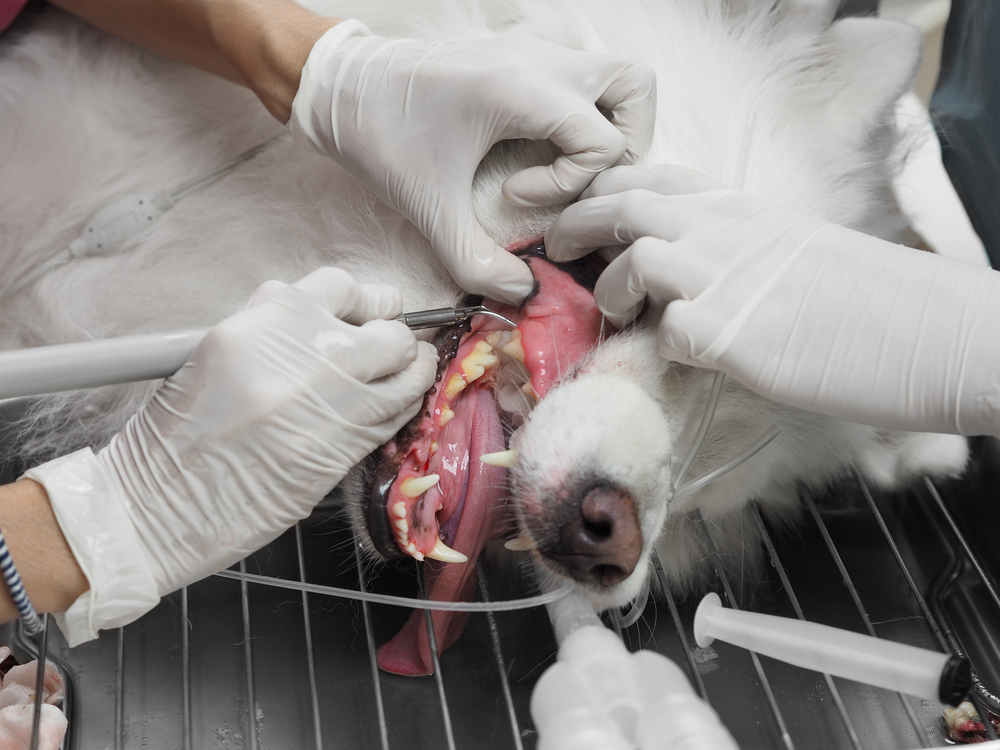
Image Source: www.plumvet.com
Decoding the Dog Dental Appointment
A dog’s dental visit is much more than just brushing teeth. It is a full medical procedure. It needs careful planning and skilled care. The total dog dental cleaning appointment length is much longer than the time your dog is actually getting their teeth cleaned. This is because many vital steps happen both before and after the actual scaling. These steps are key for your dog’s safety and for a complete cleaning. You drop your dog off in the morning. You usually pick them up later in the afternoon. This whole block of time is what makes up the appointment length.
The Full Dog Dental Cleaning Timeline: Step by Step
To truly grasp the time needed for professional dog teeth cleaning, we must look at each part of the day. Each step adds to the total time your dog spends at the vet’s office. This timeline starts from the moment you bring your dog in. It goes until they are ready to go home.
-
Arrival and Pre-Anesthesia Exam:
- When you arrive at the vet clinic, the vet team checks your dog. This is usually early in the morning.
- They do a thorough physical exam. This ensures your dog is healthy enough for anesthesia. They listen to the heart and lungs. They check overall body condition.
- Blood tests are often done. These tests check organ function, like the liver and kidneys. They also check blood cell counts. This helps make anesthesia much safer. If any issues show up, the vet may suggest a delay or change the anesthesia plan.
- This initial pre-check takes about 30 minutes to an hour. It is a very important safety step. It forms the first part of the dog dental cleaning appointment length.
-
Sedation, Anesthesia Induction, and Monitoring Setup:
- After the green light from the exam, your dog gets a calming sedative. This helps them relax and eases the transition to sleep.
- Then, anesthesia drugs are given through an IV. These make your dog sleep deeply and safely.
- A breathing tube is gently put into their windpipe. This protects their airway from any water or debris during the cleaning. It also delivers oxygen and gas anesthesia.
- Once asleep, vital signs are watched closely by a trained vet tech. This includes heart rate, breathing rate, blood pressure, body temperature, and oxygen levels. Special machines help with this constant watch. This critical monitoring continues until your dog is fully awake.
- This part of the process, from sedation to stable anesthesia, can take 15 to 30 minutes. The
anesthesia duration for dog dentalofficially begins here.
-
Dental X-Rays: Seeing Beneath the Surface:
- Most dental problems in dogs hide under the gum line. You cannot see them just by looking.
- Full mouth X-rays are vital. They show these hidden issues. They look at the tooth roots, the bone around the teeth, and any changes in the jaw.
- Many vets now take full mouth X-rays on every dental patient. This helps find problems like painful root abscesses, bone loss, or unerupted teeth. These issues often need treatment, like extractions.
- Taking a complete set of X-rays can add 15 to 30 minutes to the total procedure time. It is a key part of the
veterinary dental cleaning process length.
-
Scaling and Polishing: The Core Cleaning:
- This is the main reason for the visit. It involves two careful parts.
- Supragingival Scaling: The vet or tech uses special tools. These include ultrasonic scalers that vibrate at high speeds. Hand tools are also used. They remove plaque and tartar above the gum line. This clears away the visible buildup that makes teeth look dirty.
- Subgingival Scaling: This is the most crucial part for gum health. Small, precise tools go under the gum line. They clean pockets and hidden areas. This removes bacteria and tartar that cause painful gum disease (periodontitis). If this is not done, the cleaning is not complete.
- Polishing: After all scaling, teeth are polished. A special paste is used. This makes the tooth surface very smooth. A smooth surface makes it much harder for new plaque and tartar to stick. This helps keep teeth clean for longer.
- The actual
canine teeth scaling timeand polishing vary greatly. For a healthy mouth with only light tartar, it might be 20 to 40 minutes. For a mouth with heavy tartar or deep gum pockets, it could be much longer, even 60-90 minutes just for the cleaning. This part makes up a large chunk of theveterinary dental cleaning process length.
-
Dental Charting and Oral Exam: A Tooth-by-Tooth Record:
- During the cleaning, the vet checks each tooth one by one. They look for any signs of disease. They check for gum recession, deep pockets, loose teeth, or damaged enamel.
- They note all findings on a detailed dental chart. This chart becomes part of your dog’s medical record. It helps plan future care. It also lets you see exactly what was found and treated.
- This detailed exam is done while scaling. It does not typically add extra time to the
anesthesia duration for dog dentalbecause it happens alongside the cleaning.
-
Dog Dental Extraction Duration (If Needed): Surgical Removal:
- If X-rays or the oral exam show bad teeth, extractions might be needed. This means removing painful or diseased teeth.
- Removing teeth takes more time. It is a surgical procedure. It needs local pain blocks and careful technique.
- Simple extractions, for single-rooted teeth or very loose teeth, might take 5 to 15 minutes per tooth.
- Complex extractions, such as those for multi-rooted teeth (like molars) or teeth that are broken below the gum line, can take 30 minutes or more per tooth. Sometimes, a flap of gum tissue needs to be cut, and bone might need to be removed to get the tooth out. Then, stitches are placed.
- If many teeth need to be pulled, this greatly affects the overall
average dog dental procedure time. Thedog dental extraction durationcan often be the longest and most variable part of the entire procedure.
-
Post-Cleaning Oral Rinse and Protective Sealants:
- After the cleaning is complete, the mouth is rinsed thoroughly. This washes away any debris or paste.
- Some vets may apply a dental sealant. This is a clear barrier that helps protect the enamel and slow down new plaque buildup. This is a quick step, usually only a few minutes.
-
Anesthesia Recovery: Waking Up Safely:
- Once all dental work is done, the gas anesthesia is turned off.
- The breathing tube is removed only when the dog starts to wake up and can swallow on their own.
- Dogs are kept warm and watched very closely by the vet team. They slowly wake up in a quiet, comfortable area.
- This recovery period can take 30 minutes to a few hours. The exact time depends on the dog, the type of anesthesia used, and how long they were asleep.
- Even though the cleaning is over, this recovery time is still part of
how long is a dog under anesthesia for dental cleaningand needs close monitoring.
-
Post-Procedure Monitoring and Discharge:
- Your dog is monitored until fully awake, walking, and stable. They need to be alert enough to go home safely.
- The vet or a trained vet tech will call you. They will explain exactly what was done during the procedure. They will show you X-rays if extractions were done. They will tell you how to care for your dog at home. This includes feeding instructions, pain medication, and any follow-up appointments.
- This final stage takes time. You usually pick up your dog a few hours after the procedure finishes, often in the late afternoon.
- The total
dog dental cleaning appointment length, from drop-off in the morning to pick-up in the afternoon, can be 4 to 8 hours or even longer. This ensures your dog is fully recovered and you have all the information you need.
Factors Affecting Dog Teeth Cleaning Duration: Why Times Vary
Many things make the time needed for professional dog teeth cleaning change. These factors play a big role in the overall time your dog spends under anesthesia and in recovery. Each dog is unique, and their mouth condition can be very different.
-
Amount of Tartar and Plaque Buildup:
- This is one of the biggest factors. Dogs with a lot of hard, thick plaque and tartar need much more time. It takes longer for the vet team to carefully scrape it all off, both above and below the gum line.
- Dogs with very little buildup, perhaps because of good home care or regular cleanings, need less time for the scaling part.
- Imagine cleaning a lightly soiled kitchen floor versus one that hasn’t been scrubbed in years. The effort and time are vastly different.
-
Severity of Dental Disease Present:
- Beyond just tartar, the presence of gum disease (gingivitis or periodontitis) makes the cleaning harder and longer.
- Deep gum pockets, where bacteria thrive, take extra time to clean thoroughly.
- Advanced disease often means teeth are badly damaged or infected. This leads to the need for extractions, which, as noted, add significant time. The more diseased the mouth, the longer the
veterinary dental cleaning process length.
-
Number and Complexity of Extractions:
- This is often the greatest variable. Each tooth extraction adds time.
- A single, simple extraction (e.g., a small incisor that is very loose) might take just a few minutes.
- However, a complex extraction, such as a fractured molar that requires surgical gum flaps and bone removal, can take 30 minutes to an hour for just one tooth.
- If a dog needs many extractions, the
dog dental extraction durationquickly adds up. A dog needing 10 or more extractions will be under anesthesia for a much longer time than one needing none.
-
Dog’s Size and Breed:
- Smaller dog breeds (like Chihuahuas or Yorkshire Terriers) often have more crowded teeth in their small mouths. This crowding can make them harder to clean and often leads to more dental problems. Cleaning these cramped spaces can take more time.
- Brachycephalic breeds (flat-faced dogs like Pugs, Bulldogs, or Boxers) also often have more dental issues due to their unique skull shape and tooth crowding. They might also have breathing challenges that require more careful anesthesia management.
- Larger dogs have more teeth overall, so a full mouth cleaning might naturally take longer simply due to the sheer number of teeth that need to be scaled and polished.
-
Vet’s Experience, Team, and Clinic Setup:
- An experienced veterinary dental team, familiar with efficient techniques and handling complex cases, might complete the procedure faster.
- A clinic equipped with modern tools, like digital dental X-ray machines (which provide instant images) and advanced ultrasonic scalers, can also make the process more efficient compared to older equipment. The number of trained veterinary technicians also impacts efficiency.
-
Dog’s Overall Health and Age:
- Dogs with other underlying health issues (like heart disease, kidney problems, or diabetes) might need more careful and slower anesthesia induction and recovery. They may also need more intensive monitoring during the procedure. This can extend the
anesthesia duration for dog dental. - Very old dogs, even without major health issues, might also be handled with more caution, leading to a slightly longer process.
- Dogs with other underlying health issues (like heart disease, kidney problems, or diabetes) might need more careful and slower anesthesia induction and recovery. They may also need more intensive monitoring during the procedure. This can extend the
Average Dog Dental Procedure Time: A General Guide for Planning
It is hard to give one exact number for how long dog dental cleaning takes. Every dog is unique. But we can give general ideas for the veterinary dental cleaning process length. These times are estimates. Your vet will give you a more precise estimate for your specific dog.
Typical Canine Teeth Scaling Time and Beyond
| Procedure Component | Typical Time Range (Approximate) | Notes |
|---|---|---|
| Pre-Anesthesia Exam & Bloodwork | 30 – 60 minutes | This happens first, before any anesthesia. It ensures your dog is a good candidate for the procedure. |
| Anesthesia Induction & Setup | 15 – 30 minutes | This is the time it takes to get your dog safely asleep and set up for the procedure. This includes placing the breathing tube and connecting monitoring equipment. |
| Full Mouth Dental X-rays | 15 – 30 minutes | Crucial for finding hidden problems below the gum line. The time varies based on the number of images needed and the dog’s cooperation (while sedated). |
| Actual Cleaning (Scaling & Polishing) | 20 – 60 minutes | This is the canine teeth scaling time. It depends heavily on how much tartar and plaque your dog has and how severe their gum disease is. More buildup means more time. |
| Dental Charting & Oral Exam | Integrated into cleaning time | This detailed tooth-by-tooth check happens while the cleaning is underway. It does not add extra time to the anesthesia duration for dog dental. |
| Simple Extraction (per tooth) | 5 – 15 minutes | If needed. These are for single-rooted or very loose teeth. The dog dental extraction duration adds up quickly if multiple teeth need to be pulled. |
| Complex Extraction (per tooth) | 30 – 60+ minutes | If needed. These are for multi-rooted teeth, teeth with damaged roots, or those requiring surgical access. These are surgical procedures and take much longer per tooth. |
| Anesthesia Recovery | 30 minutes – 2 hours | The time your dog spends waking up from anesthesia. They are kept warm and monitored closely until they are alert and stable. |
| Post-Op Monitoring & Discharge | 30 minutes – 2 hours | This is the final stage where your dog is fully awake and stable, and the vet team discusses the procedure and home care with you. |
| Total Anesthesia Duration for Dog Dental | 45 minutes – 3+ hours | This is how long is a dog under anesthesia for dental cleaning. This includes induction, X-rays, cleaning, extractions, and initial recovery. It is the time your dog is actively under the influence of anesthetic drugs. |
| Total Dog Dental Cleaning Appointment Length (Drop-off to Pick-up) | 4 – 8+ hours | This includes all steps from the moment you drop off your dog in the morning until you pick them up later in the day. It’s the full time your dog is at the clinic for the procedure. This is the time needed for professional dog teeth cleaning for the entire process. |
For a routine cleaning on a young, healthy dog with little to no dental disease, the time needed for professional dog teeth cleaning might be about 45 to 60 minutes under anesthesia. This accounts for X-rays, scaling, and polishing.
For a dog with moderate dental disease needing a few simple extractions, it could be 1.5 to 2.5 hours under anesthesia.
For severe dental disease with many complex extractions, the anesthesia duration for dog dental could easily be 3 to 4 hours or even more. Each added extraction significantly lengthens the process.
The Critical Role of Anesthesia Duration for Dog Dental Procedures
Many owners worry about how long is a dog under anesthesia for dental cleaning. It is a very valid concern. Anesthesia, while generally safe, does carry some risks. However, skilled veterinary teams use modern drugs and careful monitoring to make it very safe. The benefits of anesthesia for dental care far outweigh the risks.
Why Anesthesia is Not an Option, But a Must for Quality Care
- Safety First for Your Dog: A dog must stay perfectly still for a proper dental cleaning. Unlike humans, dogs cannot just lie still on command for an hour or more with sharp instruments in their mouth. Anesthesia ensures they do not move, preventing injury to themselves or the vet team. Moving during a cleaning can lead to cuts, scrapes, or even broken instruments.
- Thorough Cleaning: Without anesthesia, it is impossible to clean under the gum line. This is where most serious dental disease starts and hides. It is also impossible to take full mouth X-rays without anesthesia. These hidden areas are crucial for finding problems like root abscesses, bone loss, and hidden decay. A conscious cleaning is only “cosmetic.” It misses the real problem.
- Pain Control: Dental work can be painful. Removing tartar, probing gums, and especially extracting teeth, cause pain. Anesthesia keeps your dog completely pain-free during the entire process. Pain medications are also given before, during, and after the procedure to manage discomfort even after they wake up.
Minimizing Anesthesia Risks and Monitoring Protocols
Vets take many careful steps to make anesthesia duration for dog dental as safe as possible:
* Full Pre-Anesthetic Exam: This thorough check looks for any hidden health issues that could affect anesthesia safety. It includes blood work, which checks organ function.
* Custom Anesthesia Plan: Drugs are chosen and dosed precisely based on your dog’s specific health, age, breed, and the length of the expected procedure. There isn’t a “one size fits all” approach.
* Constant Monitoring: Throughout the veterinary dental cleaning process length, your dog’s vital signs are watched without a break. This includes heart rate, breathing rate, blood pressure, body temperature, and oxygen levels in the blood. Special machines sound alarms if any vital sign goes out of range.
* Intravenous (IV) Fluids: Most dogs receive IV fluids during anesthesia. These help maintain blood pressure, keep the dog hydrated, and help the body process and remove the anesthetic drugs more efficiently.
* Dedicated Veterinary Technician: Often, a trained veterinary technician is assigned to focus only on monitoring your dog’s anesthesia. They do nothing else. They adjust drug levels as needed and alert the vet to any changes.
The goal is always to keep the anesthesia duration for dog dental as short as safely possible. But it’s also true that rushing the process means missing problems or doing a poor job. Quality dental care takes the time it needs. Do not be afraid to ask your vet about their anesthesia protocols and monitoring.
Preparing for Your Dog’s Dental Appointment: What You Need to Do
Knowing the full dog dental cleaning timeline helps you prepare well. Your cooperation ensures a smooth and safe day for your dog.
- Follow Fasting Rules Exactly: Your vet will tell you not to feed your dog anything for a certain number of hours before surgery. They will also tell you if water should be withheld. This rule is extremely important. It prevents your dog from vomiting while under anesthesia. Vomiting can lead to serious lung problems if vomit is inhaled.
- Ask All Your Questions: Do not be afraid to ask your vet anything you are unsure about. Ask about the estimated
average dog dental procedure time, the specific anesthesia plan, potential costs, and risks. A good vet will be happy to explain everything. - Plan for Recovery at Home: Have a quiet, warm, and comfortable place ready for your dog when they come home. They will likely be sleepy and a bit wobbly. They might need help going outside for potty breaks. Keep food and water easily accessible.
- Understand Medications: Your vet will likely send home pain medication and possibly antibiotics. Make sure you understand how and when to give these. Give all medications as directed. They are important for your dog’s comfort and healing.
The Importance of Regular Professional Dental Care: A Long-Term Investment
A professional dental cleaning is far more than just making teeth look clean. It is a vital health procedure. It is a crucial part of preventative healthcare for your dog. It offers long-term benefits that affect their overall health and well-being.
- Prevents Pain and Discomfort: Untreated dental disease is very painful. Dogs are good at hiding pain. But chronic pain from infected teeth or gums greatly impacts their quality of life. Cleaning removes sources of pain.
- Stops Bad Breath (Halitosis): Bad breath often means a buildup of bacteria in the mouth. Cleaning removes this bacteria and tartar. This improves your dog’s breath and makes cuddle time much more pleasant.
- Prevents Systemic Disease: Bacteria from infected gums and teeth can travel through the bloodstream. These bacteria can damage distant organs like the heart, kidneys, and liver. Regular professional cleaning lowers this serious risk. It is a key reason why the
veterinary dental cleaning process lengthis so important. - Saves Money in the Long Run: Catching dental problems early prevents them from becoming worse. A routine cleaning costs less than treating severe gum disease or extracting many badly infected teeth. The
dog dental extraction durationadds significant cost and complexity. Investing in regular cleanings can save you much more in future vet bills. - Maintains Quality of Life: Healthy teeth mean your dog can eat comfortably. They can play with toys without pain. This greatly improves their daily life.
What Happens If You Wait Too Long? Consequences of Delay
Delaying professional dental care can turn a relatively simple, routine cleaning into a major surgical event.
* More Severe Tartar Buildup: Tartar continues to build up and harden over time. It becomes much more difficult and time-consuming to remove.
* Worsening Gum Disease: Gingivitis (gum inflammation) will progress to periodontitis. This is a severe form of gum disease that destroys the bone and tissues supporting the teeth. Once bone is lost, it cannot be replaced.
* Tooth Loss and Fractures: Teeth become loose due to bone loss. They can also fracture from severe decay or trauma. These teeth are painful and must be pulled.
* Longer, More Complex Procedure: More extensive cleaning and numerous extractions mean a much longer veterinary dental cleaning process length. It also means a longer how long is a dog under anesthesia for dental cleaning, increasing potential risks and recovery time. The dog dental extraction duration can become the primary component of the procedure time.
* Increased Pain and Health Risks: Your dog will live with constant pain. They will also face higher risks of serious infections spreading to other organs.
Conclusion: A Worthwhile Investment in Time and Health
The question “How long does dog dental cleaning take exactly?” has a complex and varied answer. It is clearly not a quick “wash and go” procedure. It is a detailed, medically necessary surgical process. From the moment you drop off your dog to the time you pick them up, the total dog dental cleaning appointment length can be 4 to 8 hours or even more. The actual anesthesia duration for dog dental can range from under an hour for a simple cleaning to several hours for complex cases with many extractions. The time needed for professional dog teeth cleaning depends on many factors affecting dog teeth cleaning duration. These include the amount of tartar, the severity of gum disease, and whether extractions are necessary.
While the time your dog spends under anesthesia and the overall appointment length might seem long, it is a small price to pay. It ensures your dog receives the most thorough and safest dental care possible. It keeps them healthy, comfortable, and pain-free for years to come. Do not let the perceived length or the thought of anesthesia stop you from providing this vital care. Talk openly with your veterinarian. They can give you an accurate estimate for your specific dog based on their oral health needs. Regular professional dental care is one of the best ways to ensure your furry friend lives a long, happy, and healthy life by your side.
Frequently Asked Questions (FAQ)
Is my dog really asleep for the whole dental cleaning?
Yes, absolutely. Your dog is fully asleep under general anesthesia for the entire procedure. This means they feel no pain, are completely unaware, and are perfectly still. Being still allows the vet team to do a thorough and safe job without stress or discomfort for your dog. They are watched closely by a dedicated team member throughout the entire time they are under anesthesia.
Can I get my dog’s teeth cleaned without anesthesia? Are there anesthetic-free options?
No, professional veterinary organizations do not advise anesthesia-free dental cleaning. While some services offer to “scale” teeth without anesthesia, this only cleans the visible part of the teeth. It does not clean under the gum line, where most disease occurs. It also does not allow for full mouth X-rays to find hidden problems like root infections. Anesthesia-free cleanings can also be stressful and painful for your dog, and they risk injury if the dog moves. It is not considered true, complete professional dental care.
How often should my dog get a professional dental cleaning?
Most dogs benefit from a professional dental cleaning every 1 to 3 years. The exact frequency depends on several things: your dog’s breed (some breeds are more prone to dental issues), their diet, the effectiveness of home dental care you provide, and how quickly tartar builds up in their mouth. Your veterinarian can assess your dog’s mouth and tell you the best schedule for them specifically. Dogs with very fast tartar buildup or certain predisposed breeds may need yearly cleanings.
What can I do at home to help make dental cleanings take less time in the future?
Home dental care is very important and can significantly help. It can make future professional cleanings quicker and potentially reduce the need for extractions.
* Daily Brushing: This is the most effective thing you can do. Use a dog-safe toothpaste and a dog toothbrush (or even a finger brush). Aim for daily brushing to remove plaque before it hardens into tartar.
* Dental Chews and Treats: Look for dental chews or treats that are approved by the Veterinary Oral Health Council (VOHC). These products have been shown to help reduce plaque and tartar buildup.
* Dental Diets: Some specific kibbles are designed to help scrape teeth clean as your dog eats. Your vet can recommend these.
* Good home care slows down tartar buildup and improves gum health. This makes future professional cleanings simpler, shorter, and less likely to involve extensive dog dental extraction duration.
How long is a dog under anesthesia for dental cleaning if they need many extractions?
If a dog needs many extractions, especially complex ones (like fractured teeth or teeth with severe bone loss), the anesthesia duration for dog dental can be 2.5 to 4 hours or even longer. This is because each extraction takes careful surgical work, including local anesthetic blocks, careful tooth removal, and often suturing the gums. Your vet will discuss these possibilities and the plan thoroughly before the procedure, and they will ensure your dog is stable and closely monitored throughout this extended time.
What is the average dog dental procedure time for a young, healthy dog with good teeth?
For a young, healthy dog with minimal tartar and no extractions needed, the average dog dental procedure time under anesthesia might be 45 to 90 minutes. This includes taking full mouth X-rays, performing thorough scaling (above and below the gum line), and polishing the teeth. While the active procedure is shorter, remember the full dog dental cleaning timeline for the entire appointment (drop-off to pick-up) will still be several hours to allow for pre-anesthetic preparation and safe recovery.