
A female dog spay operation, often called an ovariohysterectomy, usually takes about 20 to 90 minutes. This is the time for the actual surgery itself. But the whole process, from when your dog arrives at the vet to when she goes home, is much longer. This full veterinary spay timeline can range from a few hours to a full day. The total anesthesia duration for a dog spay also varies but often lasts longer than the surgery. This is because it includes time for preparing your dog and waking her up. The average spay surgery time for a canine is often around 45 minutes.
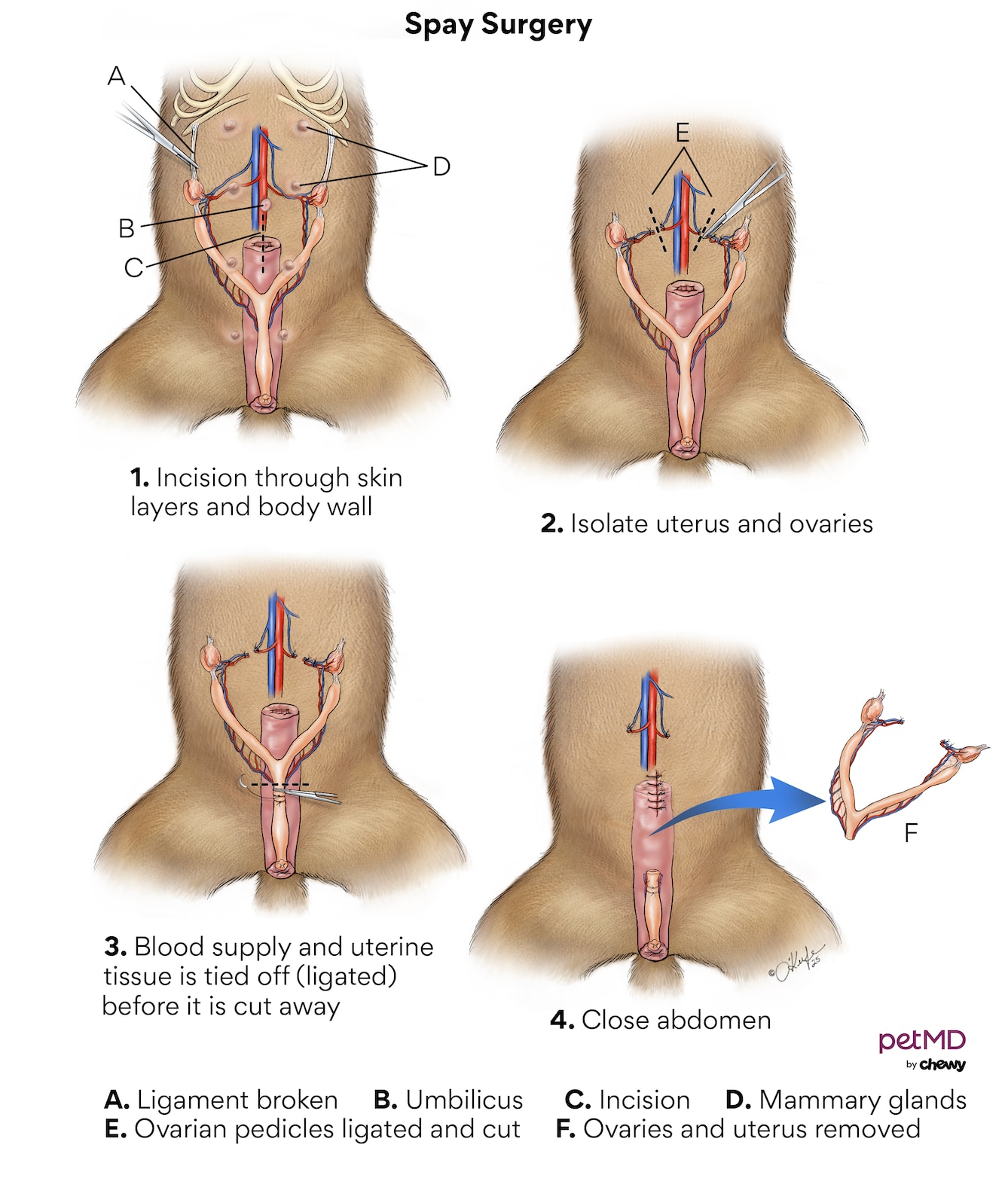
Image Source: image.petmd.com
The Spay Process: A Full Look
Spaying your female dog is a big step. It is a common and safe surgery. It helps your dog live a longer, healthier life. It also helps control the pet population. Knowing what to expect can help ease your mind. This guide will walk you through each step. We will look at how long each part takes.
What is a Dog Spay?
A dog spay is a surgery. It removes a female dog’s ovaries and uterus. The medical name for it is ovariohysterectomy. Sometimes, vets only remove the ovaries. This is called an ovariectomy. Both stop your dog from getting pregnant. They also stop her from having heat cycles.
Why Spay Your Dog?
Spaying has many health benefits. It prevents mammary (breast) cancer. This is especially true if done before her first heat. It also stops uterine infections (pyometra). This can be a very serious, life-threatening condition. Spaying also means no more heat cycles. This stops messy bleeding and unwanted male attention. From a community view, spaying helps reduce the number of homeless pets. It is a caring choice for your dog and for others.
Before Surgery: The Pre-Surgical Preparation Time for Dog Spay
The spay process does not start at surgery time. It begins much earlier. There is a lot of important work before the actual operation. This pre-surgical preparation time for a dog spay is key. It helps make sure the surgery is safe and smooth.
Initial Exam and Tests
Before surgery, your vet will do a full health check. This might happen days or weeks before the spay. They will listen to your dog’s heart and lungs. They will check her overall health. Blood tests are also very common. These tests check organ function. They make sure your dog can handle anesthesia safely. They look for hidden problems. If blood tests show issues, the surgery might be delayed. This delay allows time to fix the problem.
Fasting Instructions
Your vet will tell you to withhold food. Your dog must not eat for a set time before surgery. This is usually 8-12 hours. She can have water until a few hours before surgery. Fasting is very important. It stops your dog from vomiting while under anesthesia. If she vomits, she could breathe food into her lungs. This is a serious risk. Following these rules carefully is vital.
Drop-Off at the Clinic
On surgery day, you will drop off your dog. This usually happens in the morning. The vet staff will check your dog in. They will ask a few final questions. They will make sure your dog is ready. This drop-off time adds to the whole veterinary spay timeline. It is the start of her day at the clinic.
The Surgical Day: Step-by-Step
This is the main part of the process. It covers everything from sedation to the end of the operation.
Initial Checks and Sedation
Once your dog is at the clinic, the staff will take over. A vet tech will do another quick check. They will take her temperature. They will check her heart rate and breathing. Then, your dog will get a calming shot. This is a pre-medication. It helps her relax. It also helps reduce pain later. This shot usually makes dogs sleepy. This sedation takes about 10-20 minutes to work.
Anesthesia Duration for Dog Spay
The total anesthesia duration for a dog spay is longer than the surgery itself. It includes several phases.
Getting Ready for Surgery
After sedation, an IV catheter is placed. This is a small tube in a leg vein. It is used to give fluids and medicines. Then, your dog gets a medicine to go to sleep. This is called induction. Once asleep, a breathing tube is placed. This tube keeps her airway open. It also delivers gas anesthesia and oxygen. These steps take about 10-15 minutes.
During the Operation
Once fully under anesthesia, your dog is moved to the surgery room. A vet tech shaves her belly. They clean the skin with special solutions. This makes the area sterile. This prep takes another 5-10 minutes. The vet then begins the surgery. Anesthesia is watched closely by a trained person. They check heart rate, breathing, and oxygen levels. The anesthesia continues for the whole surgery.
Waking Up
When surgery ends, the gas anesthesia is turned off. Your dog slowly wakes up. This takes time. The vet team watches her carefully. They make sure she breathes well and wakes up safely. The breathing tube is removed when she can swallow. This whole waking-up phase can take 30 minutes to an hour. Sometimes, it takes longer.
The Ovariohysterectomy Procedure Length
The actual cutting and removal of organs is the shortest part. This is the ovariohysterectomy procedure length.
Incision and Removal
The surgeon makes a small cut on your dog’s belly. They carefully find and remove the ovaries and uterus. They tie off blood vessels. This part needs great skill and care. It is often done quickly by experienced vets.
Closing Up
After removing the organs, the surgeon closes the incision. They use stitches in layers. They close muscle, then fat, then skin. The skin stitches might be on the outside or hidden inside. The actual cutting, organ removal, and closing can take as little as 20 minutes for a young, healthy dog. It can take up to 90 minutes or more in some cases.
Average Spay Surgery Time for Canine
Most female dog neutering surgery duration, meaning the time the vet is actively operating, falls between 30 to 60 minutes.
For a young, healthy, small dog, it might be on the shorter end (20-30 minutes).
For a larger dog, an older dog, or one with a more complex anatomy, it might be longer (60-90 minutes).
The average spay surgery time for a canine is truly an average. It changes based on many things.
Table: Typical Timelines for a Female Dog Spay
| Phase of Spay Process | Estimated Time | Key Activities |
|---|---|---|
| Pre-surgical Prep | Days to Weeks | Vet exam, blood tests |
| Drop-off at Clinic | 15-30 minutes | Paperwork, final checks |
| Sedation & IV Placement | 20-30 minutes | Calming meds, IV catheter |
| Anesthesia Induction & Prep | 10-15 minutes | Going to sleep, breathing tube, shave, clean |
| Actual Surgery (Ovariohysterectomy Procedure Length) | 20-90 minutes | Incision, organ removal, closing |
| Anesthesia Recovery (Waking Up) | 30-60 minutes | Monitoring until awake |
| Post-Op Monitoring at Clinic | Several hours | Pain meds, warmth, observation |
| Total Time at Clinic | 4-8 hours (usually) | From drop-off to pick-up |
| Dog Spay Recovery Period (Home) | 10-14 days | Rest, incision care, limited activity |
After Surgery: Immediate Recovery
Once the surgery is done, the next key phase starts. This is the immediate post-operative time. Your dog is still at the clinic.
In the Recovery Room
After the breathing tube is out, your dog is moved to a quiet recovery area. She will be kept warm. This is very important, as anesthesia can make body temperature drop. She will be given pain medication. The vet team will watch her closely. They make sure she is comfortable. They check for any signs of trouble. This part of the veterinary spay timeline is critical for her well-being.
Monitoring Vitals
Staff will check your dog’s vital signs often. They will check her heart rate, breathing, and temperature. They will look at her gums to ensure good blood flow. They will also watch the incision site. They look for any bleeding or swelling. They make sure she is waking up well from the anesthesia. This careful watching continues until she is fully awake and stable.
Staying at the Clinic: Dog Spay Hospital Stay Length
How long will your dog stay at the vet after surgery? This is a common question.
Typical Stay
Most healthy dogs go home the same day as their spay surgery. They are usually ready to go home in the late afternoon or early evening. This means a dog spay hospital stay length of about 4 to 8 hours after drop-off. The clinic needs to see that your dog has recovered well from anesthesia. They also need to be sure she is comfortable. She must be able to walk steady. She must also be alert.
When Dogs Stay Longer
Sometimes, a dog might need to stay overnight. This is not common for routine spays. But it can happen if:
* The dog is very young or old: Puppies and older dogs might need more time to recover from anesthesia. Their bodies might be more sensitive.
* The dog is very sick or has other health issues: If a dog has heart problems or other illnesses, the vet might want to watch her longer.
* Complications arose during surgery: If spaying complications prolonging operation occur, the vet might keep her for more care.
* Late surgery: If the surgery was done late in the day, there might not be enough time for full recovery before the clinic closes.
* Breeding background: Dogs from puppy mills or rescue dogs might have health issues that need more care.
If your dog stays overnight, the staff will continue to care for her. They will give pain meds and check her often. You can then pick her up the next morning.
Back Home: The Dog Spay Recovery Period
The time at home after surgery is very important. This is the dog spay recovery period. It usually lasts about 10 to 14 days. This is the time it takes for the incision to heal well.
First Few Days
When your dog first comes home, she might still be a bit groggy. She might not want to eat much. This is normal. Make sure she has a quiet, comfortable place to rest. Keep her warm. Offer small amounts of food and water. Watch her closely for any signs of pain or problems. The vet will give you pain medicine. Give it as directed.
Post-Operative Dog Spay Care Duration
The most vital part of post-operative dog spay care duration is the first 10-14 days. During this time, you must follow your vet’s instructions carefully.
Key Care Steps:
* Restrict activity: No running, jumping, or rough play. Leash walks only for potty breaks. Avoid stairs if possible. This prevents the incision from opening up.
* Prevent licking: Your dog must not lick or chew her incision. A cone (Elizabethan collar) is usually needed. This stops infection and opening stitches. Keep the cone on at all times, especially when you are not watching her.
* Check the incision: Look at the incision every day. It should be clean and dry. A little redness or bruising is normal at first. Call your vet if you see:
* Lots of redness or swelling
* Pus or bad smell
* Bleeding
* Opened stitches
* Your dog seems very painful or sick
* Give all medicines: Finish all pain medicines and any other drugs your vet gives you.
Activity Limits
Limiting activity is crucial for the full 10-14 days. Even if your dog seems fine, internal healing is still happening. Too much activity can cause swelling, fluid buildup, or even tear stitches. After 10-14 days, your vet will likely want to recheck her. They will make sure the incision is fully healed. Then, you can slowly return to normal activities.
Incision Care
Sometimes, vets will ask you to clean the incision gently. They might give you a special wipe. But usually, it’s best to leave it alone. Just keep it dry and clean. Do not put creams or oint on it unless your vet tells you to. They can slow healing or cause infection.
When Things Take Longer: Spaying Complications Prolonging Operation
While spaying is routine, problems can happen. These spaying complications prolonging operation or recovery time.
Factors Increasing Surgery Time
- Age: Older dogs might have more fat around their organs. Their tissues might be more fragile. This can make the surgery longer.
- Size: Very large dogs might take longer. They have more tissue to work through. Their organs are also larger.
- Being in Heat or Pregnant: If a dog is in heat, blood vessels are larger. This increases bleeding risk. If she is pregnant, the uterus is much bigger. There is also more blood. Both situations make the surgery harder and longer.
- Obesity: Overweight dogs have more fat layers. This makes it harder for the vet to see and reach the organs. It adds to the surgery time.
- Previous surgery or injury: Scar tissue from past problems can make it harder to find organs.
- Anatomical differences: Sometimes, a dog’s body is just different inside. This can make the surgery more complex.
- Cryptorchidism (rare in females): If an ovary did not drop into the right place, it can be very hard to find. This significantly increases time.
- Surgeon’s experience: A highly skilled and experienced vet might perform the surgery faster. But safety is always the top priority.
What Makes Recovery Longer
Some issues can make the dog spay recovery period longer than 10-14 days.
* Infection: If the incision gets infected, it will take longer to heal. Your vet might need to give antibiotics.
* Swelling or fluid buildup: Some swelling is normal. But a large, soft swelling (seroma) might need more time to go down.
* Opened incision: If stitches come out or the incision opens, it needs immediate vet care. It might need re-stitching. This restarts the healing clock.
* Reactions to stitches: Some dogs react to the material used for internal stitches. This can cause more swelling.
* General health issues: If your dog was not perfectly healthy before surgery, recovery might be slower.
Female Dog Neutering Surgery Duration: Key Points
- Surgery time: The actual cutting and removal usually takes 20-90 minutes.
- Anesthesia time: Your dog is under anesthesia longer, usually 60-120 minutes. This includes sedation, going to sleep, surgery, and waking up.
- Hospital stay: Most dogs go home the same day, typically 4-8 hours after drop-off.
- Home recovery: The incision takes 10-14 days to heal. This is when activity must be limited.
- Full recovery: It can take a few weeks for your dog to be fully back to normal energy levels.
- Factors: Age, size, health, and whether the dog is in heat or pregnant can all change these times.
Spaying is a safe and important surgery. Knowing the timelines helps you prepare. It allows you to give your dog the best care. Following your vet’s advice is the most important thing.
Frequently Asked Questions (FAQ)
How long should a dog wear a cone after spay surgery?
Your dog should wear the cone, or Elizabethan collar, for at least 10 to 14 days. This is the full length of the post-operative dog spay care duration. It stops her from licking or chewing the incision. Licking can cause infection or make the stitches open. Even if she hates it, the cone is very important for proper healing.
What is the typical dog spay recovery period?
The typical dog spay recovery period is 10 to 14 days. During this time, her incision heals. You need to keep her calm and quiet. No running, jumping, or rough play. After 10-14 days, your vet will check her. If all is well, you can slowly increase her activity.
Does a dog spay involve a long hospital stay?
No, a dog spay usually does not involve a long hospital stay. Most healthy dogs go home the same day as their surgery. This means the dog spay hospital stay length is usually just for a few hours. They come in the morning and go home in the evening. Overnight stays are rare for routine spays.
Can complications make the ovariohysterectomy procedure length longer?
Yes, spaying complications prolonging operation can happen. If a dog is in heat, pregnant, or very overweight, the surgery can take longer. Older dogs or those with other health issues might also need more time. These factors can increase the ovariohysterectomy procedure length.
What does the anesthesia duration for dog spay include?
The anesthesia duration for dog spay covers more than just the surgery time. It includes the time your dog is sedated before surgery. It also includes the time she is fully asleep during the operation. And it includes the time she spends waking up from anesthesia. This full period is usually 60-120 minutes in total.
How much pre-surgical preparation time does a dog spay need?
The pre-surgical preparation time for a dog spay includes vet visits and tests. This can start days or even weeks before the surgery day. On the day before surgery, you must fast your dog. On surgery day, check-in and initial exams add about 30 minutes to the start of her clinic day.
Is there an average spay surgery time for a canine?
Yes, the average spay surgery time for a canine (the actual cutting and closing) is often around 30 to 60 minutes. But remember, this is just the time the vet is actively operating. The total time your dog is at the clinic and recovering is much longer.