
How long can a dog live with liver cancer? This is a tough question with no single, simple answer. The dog liver cancer prognosis varies a lot. It depends on many things. These include the specific kind of liver cancer, if it has spread, how well the dog feels, and what treatment is chosen. Sadly, without treatment, the average lifespan dog liver cancer is often just weeks or a few months. But with the right care and for certain tumor types, dogs can live much longer, sometimes many months or even years.
This article will help you interpret the outlook for dogs with liver cancer. We will look at different tumor types, how they are found, what treatments are available, and how these things affect a dog’s chance of survival and their comfort.
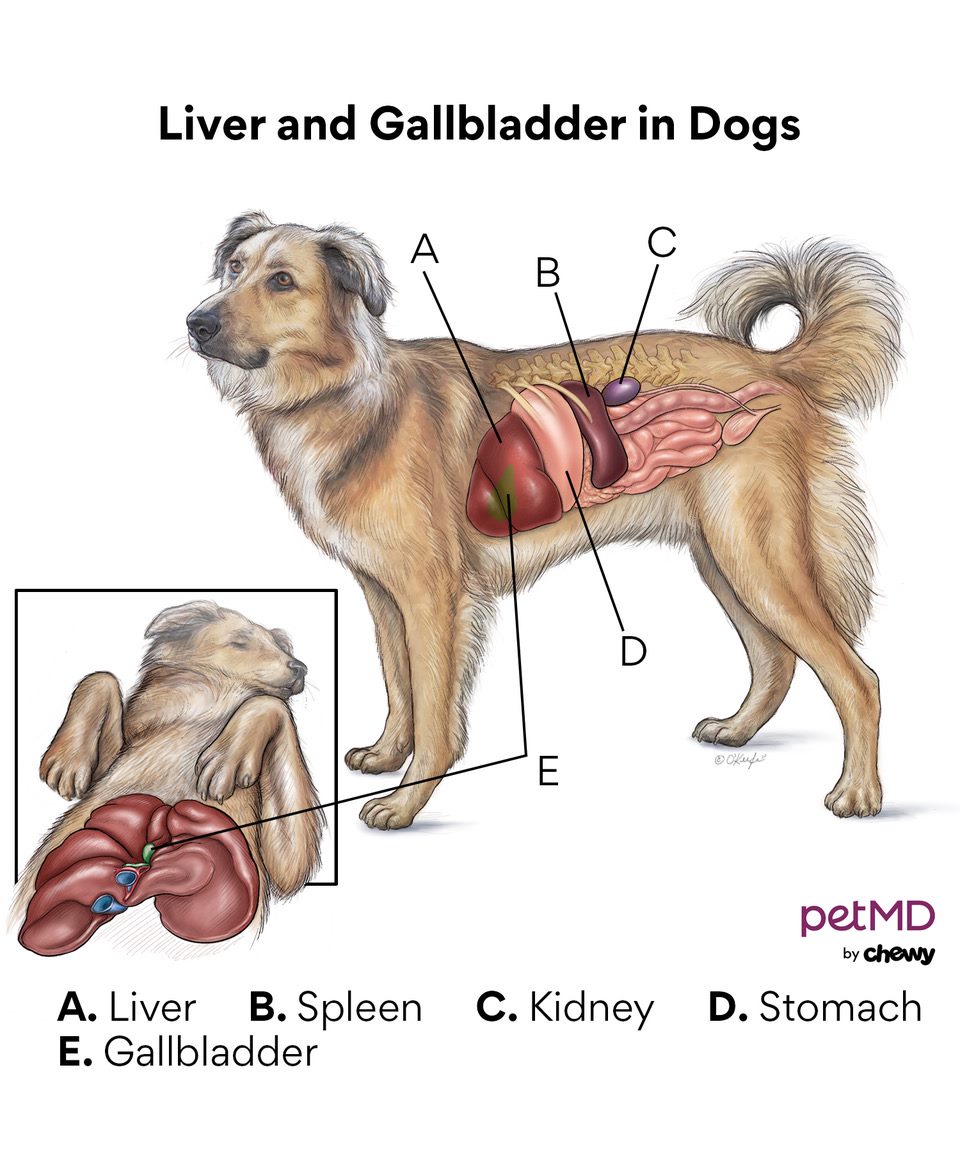
Image Source: image.petmd.com
Interpreting the Outlook for Dogs
When a vet talks about dog liver cancer prognosis, they are talking about the likely outcome. They mean how the disease is expected to progress and how long the dog might live. This outlook changes a lot based on details about the cancer and the dog.
Some liver tumors are ‘primary.’ This means they start in the liver. Others are ‘metastatic.’ This means the cancer started somewhere else in the body and spread to the liver. Primary liver tumors are less common than metastatic ones. The type of tumor is a big factor in the canine liver tumor survival rate.
Types of Dog Liver Cancer
Knowing the specific types of dog liver cancer is key to understanding the outlook. Liver tumors can be grouped in a few ways:
-
Primary Liver Tumors: These start in the liver itself. They are less common but can often be treated better if caught early.
- Hepatocellular Carcinoma (HCC): This is the most common primary liver tumor in dogs.
- Massive HCC: This means there is one large tumor in one liver lobe. This type often has the best outlook, especially if it can be removed with surgery.
- Nodular HCC: This means there are several smaller tumors spread out.
- Diffuse HCC: This means the cancer is spread throughout the liver. This is the hardest type to treat and has a poor outlook.
- Bile Duct Carcinoma (Cholangiocarcinoma): This cancer starts in the tubes that carry bile in the liver. It is less common than HCC. It often spreads fast and has a worse outlook than massive HCC.
- Other rare primary tumors: These include things like sarcomas or neuroendocrine tumors. Their outlook depends on the specific type.
- Hepatocellular Carcinoma (HCC): This is the most common primary liver tumor in dogs.
-
Metastatic Liver Tumors: These tumors started somewhere else and spread to the liver. The liver is a common place for cancer to spread to because of blood flow.
- Common cancers that spread to the liver include cancers of the spleen, pancreas, intestines, or lymph nodes.
- When cancer has spread to the liver, it usually means the disease is advanced.
- The outlook for metastatic liver cancer is generally poor. Treatment focuses on slowing the cancer’s growth and keeping the dog comfortable.
Symptoms of Liver Cancer in Dogs
Spotting the symptoms of liver cancer in dogs early is important. It can help the vet start treatment sooner. But signs often don’t show up until the cancer is quite advanced. Also, the signs can be vague and look like other less serious problems.
Watch for these possible signs:
- Not wanting to eat: Loss of appetite.
- Weight loss: Getting thinner without trying.
- Lethargy: Feeling very tired or having less energy.
- Vomiting: Throwing up.
- Diarrhea: Loose stools.
- Increased thirst and urination: Drinking and peeing more than normal.
- Jaundice: Yellowing of the gums, eyes, or skin. This happens when the liver isn’t working right.
- Swollen belly: Fluid building up in the abdomen.
- Pale gums: Can be a sign of anemia (low red blood cells).
- Bleeding problems: Like blood in urine or stool, or bruising easily. The liver helps blood clot.
- Pain: Acting uncomfortable or guarding their side.
- Seizures or changes in behavior: This can happen if toxins build up because the liver isn’t cleaning the blood.
If you see any of these signs, it’s important to take your dog to the vet. Early detection is not always possible with liver cancer, but it gives the best chance for treatment to help.
Finding Liver Cancer: How Vets Diagnose It
Vets use different tests to find liver cancer. This helps them figure out the type and if it has spread.
- Blood tests: Look at liver enzyme levels. These can be high with liver disease or cancer. Also check for anemia or problems with blood clotting.
- X-rays: Can sometimes show enlarged liver or masses, and check if the cancer has spread to the lungs.
- Ultrasound: Gives a better look at the liver’s size and shape. It can find tumors and help see if they are in one spot or spread out. Ultrasound can also help the vet guide a needle to take a sample.
- Biopsy: Taking a small piece of the tumor tissue is usually needed to know for sure what kind of cancer it is. This can be done with a needle during ultrasound or through surgery. This is very important for deciding on the best treatment for dog liver cancer.
- CT scan or MRI: These imaging tests give very detailed pictures. They are helpful for planning surgery and seeing if the cancer has spread.
Getting a clear diagnosis takes time and several tests. But it’s needed to understand the dog liver cancer prognosis and plan care.
Stages of Dog Liver Cancer
Veterinary oncologists (cancer vets) sometimes use stages of dog liver cancer to describe how far the cancer has progressed. This helps predict the outlook. While there isn’t one standard staging system used by everyone for all liver cancers like there is for some other cancers, the vet will consider:
- Tumor Size and Location: Is it one big mass (massive) or many small ones (nodular or diffuse)? Is it in one liver lobe or many?
- Invasion: Has the tumor grown into nearby blood vessels or other structures?
- Lymph Node Involvement: Has the cancer spread to lymph nodes near the liver?
- Metastasis: Has the cancer spread to distant parts of the body, like the lungs or other organs?
Generally, a single, large tumor that has not spread (like massive HCC) is considered a less advanced ‘stage’ and has a better outlook. Cancer that is spread throughout the liver or has gone to other organs is more advanced and has a poorer prognosis.
Treatment for Dog Liver Cancer
The treatment for dog liver cancer depends a lot on the tumor type, stage, and the dog’s overall health. The goal might be to cure the cancer or just to manage it and keep the dog comfortable (palliative care dog liver cancer).
- Surgery: Removing the tumor is often the best option, especially for massive HCC. Dogs can live for a long time (many months to years) after successful surgery for this type. The liver has an amazing ability to regrow. Vets can often remove a large part of the liver. However, surgery isn’t possible if the tumor is too large, in a hard-to-reach spot, or if there are many tumors spread out (nodular or diffuse types), or if the cancer has already spread.
- Chemotherapy: Chemotherapy uses drugs to kill cancer cells. It is generally not very effective for common primary liver tumors like HCC or bile duct carcinoma. It might be used if the cancer has spread or for certain rare tumor types that are sensitive to chemo. For metastatic cancer to the liver, chemotherapy aims to control the cancer that started elsewhere. The success varies greatly depending on the original cancer type.
- Radiation Therapy: This uses radiation to kill cancer cells. It is not commonly used for liver cancer in dogs because it can damage the healthy liver tissue around the tumor.
- Other Local Treatments: Sometimes, vets can use treatments that target the tumor directly without surgery. These might include:
- Radiofrequency Ablation or Microwave Ablation: Using heat to destroy the tumor. This is less common but can be an option for some tumors that cannot be removed surgically.
- Chemoembolization or Arterial Embolization: Blocking blood flow to the tumor or injecting chemo drugs directly into the artery feeding the tumor. These are specialized procedures done by internal medicine specialists.
- Palliative Care: This is focused on managing symptoms and improving the dog liver cancer quality of life. It doesn’t aim to cure the cancer but to make the dog feel better. This can include:
- Pain control medication.
- Medication to help with nausea or vomiting.
- Medication to help with blood clotting problems or fluid buildup.
- Special diet to support liver function.
- Managing symptoms like jaundice or lethargy.
- Comfort care to ensure the dog is happy and comfortable for as long as possible.
Sometimes, palliative care is the only or the best choice, especially for advanced or metastatic cancer. The life expectancy dog liver cancer with only palliative care is usually shorter than with successful surgery, but it focuses on making the dog’s remaining time as good as possible.
Factors Affecting Prognosis and Life Expectancy
As mentioned, the dog liver cancer prognosis and life expectancy dog liver cancer are affected by many things.
Here are the key factors:
| Factor | How it Affects Prognosis |
|---|---|
| Type of Tumor | Massive HCC often has a good prognosis with surgery. Diffuse HCC, Bile Duct Carcinoma, and metastatic tumors generally have poor prognoses. |
| Stage of Cancer | Cancer limited to one liver lobe (especially if surgically removable) has a better outlook than cancer spread throughout the liver or to other organs. |
| Ability to Surgically Remove | If the entire tumor can be removed with clean margins (no cancer cells left behind), the prognosis is much better, especially for massive HCC. |
| Overall Health of the Dog | Dogs who are otherwise healthy and strong handle treatment better and may have a better chance of recovery and longer survival. Dogs with other health problems have a poorer outlook. |
| Size of the Tumor | Smaller tumors might be easier to remove, but the type and location are more important than size alone. |
| Presence of Symptoms | Dogs showing strong symptoms often have more advanced disease or poorer liver function, which can mean a worse prognosis. |
| Liver Function | How well the remaining liver is working. If the liver is severely damaged or diseased (like cirrhosis), the prognosis is poorer. |
| Owner’s Goals and Resources | The ability to pursue certain treatments (like surgery or specialized procedures) and provide ongoing care impacts the options and thus the prognosis. |
Prognosis Based on Tumor Type and Treatment
Let’s look more closely at the typical canine liver tumor survival rate or average lifespan dog liver cancer based on the most common scenarios:
- Massive Hepatocellular Carcinoma (HCC) Treated with Surgery:
- Prognosis: Good to excellent.
- Survival Time: Many dogs live for 1 to 3 years or even longer after successful surgery. Some studies show median survival times (the point where half the dogs are still alive) of over 4 years. This is the best-case scenario for dog liver cancer.
- Nodular or Diffuse Hepatocellular Carcinoma (HCC):
- Prognosis: Poor.
- Survival Time: Often measured in weeks to a few months. Surgery is usually not possible. Treatment focuses on managing symptoms.
- Bile Duct Carcinoma (Cholangiocarcinoma):
- Prognosis: Poor.
- Survival Time: Often days to a few months. This cancer is aggressive and tends to spread quickly. Surgery is rarely an option.
- Metastatic Cancer to the Liver:
- Prognosis: Poor.
- Survival Time: Depends on the original cancer type and how widespread it is. Can range from weeks to a few months. Treatment focuses on the primary cancer and managing signs.
- Untreated Liver Cancer (any type):
- Prognosis: Very poor.
- Survival Time: Often weeks to a few months from when signs become obvious. The exact time depends on how fast the tumor grows and how quickly it affects liver function.
It’s very important to remember that these are averages. Some dogs will live shorter or longer than these times. Your vet can give you a prognosis tailored to your specific dog’s situation after doing all the tests.
Dog Liver Cancer Quality of Life
Living with dog liver cancer isn’t just about how long a dog lives. It’s also about the dog liver cancer quality of life. How do they feel each day? Are they comfortable? Can they enjoy their favorite things?
Even with treatment, there can be side effects. Surgery requires recovery time. Chemotherapy can cause nausea or tiredness.
Palliative care plays a huge role in maintaining quality of life. It focuses on easing pain, reducing nausea, making sure the dog can eat, and keeping them happy and engaged as much as possible.
Signs of good quality of life might include:
- Eating well.
- Not being in pain (or pain is well-managed).
- Showing interest in surroundings or family.
- Wagging tail or showing affection.
- Getting up and moving around (even if slowly).
- Having more good days than bad days.
Signs that quality of life is poor might include:
- Constant pain despite medication.
- Severe nausea or vomiting.
- Not wanting to eat at all.
- Extreme weakness or inability to move.
- No interest in anything.
- Many more bad days than good days.
Checking your dog’s quality of life regularly is crucial. Talk to your vet openly about what you are seeing. They can help you use a quality of life scale or make adjustments to medication or care.
Grasping the Role of Palliative Care
Palliative care dog liver cancer is not about giving up. It is about shifting the focus. When a cure is not possible or treatment side effects would be too much for the dog, palliative care becomes the main goal.
It aims to:
- Ease pain and discomfort.
- Control symptoms like vomiting or fluid buildup.
- Provide nutritional support if needed.
- Support liver function as much as possible with medications or supplements.
- Keep the dog clean, warm, and comfortable.
- Maximize good days.
Palliative care allows you and your dog to make the most of the time you have left together. It can significantly improve the dog liver cancer quality of life even as the disease progresses.
Making Decisions: Talking with Your Vet
Facing a diagnosis of liver cancer is hard. You will need to make important decisions about treatment and care. Your vet is your best resource.
Discuss these things with your vet:
- The specific type of tumor found.
- The stage of the cancer (has it spread?).
- All the treatment options available, including surgery, medical management, and palliative care.
- The pros and cons of each option, including costs, potential side effects, and required vet visits.
- The expected dog liver cancer prognosis for each option based on your dog’s case.
- What to expect during treatment or palliative care.
- How to monitor your dog’s dog liver cancer quality of life at home.
- When might be the right time to consider saying goodbye if the cancer progresses and quality of life declines.
Don’t be afraid to ask questions. Get clarity on anything you don’t understand. You are your dog’s advocate. Making informed decisions together with your vet is the best way to navigate this difficult time.
Looking Ahead: Hope and Support
While the average lifespan dog liver cancer can be short, especially for certain types, advancements in veterinary medicine offer hope. For dogs with massive HCC that can be surgically removed, the outlook is quite good compared to many other cancers.
Even when the prognosis is poor, focusing on palliative care dog liver cancer can ensure your dog is comfortable and happy for their remaining time.
Remember that each dog is an individual. Their journey with cancer will be unique. Focus on cherishing the time you have, providing comfort, and maintaining the best possible dog liver cancer quality of life.
Support groups or talking with friends who have gone through similar situations can also be helpful. Your veterinary team is there to support you emotionally as well as medically.
Frequently Asked Questions About Dog Liver Cancer
Here are some common questions pet owners ask about liver cancer in dogs.
h4 Is dog liver cancer painful?
Liver tumors themselves may not always cause pain, especially early on. However, as tumors grow large, they can press on other organs or nerves, causing discomfort or pain. Fluid buildup in the belly, a common sign of liver disease or advanced cancer, can also cause discomfort. Vets use pain medication as part of palliative care dog liver cancer to keep dogs comfortable if needed.
h4 Can dog liver cancer be cured?
Yes, in some cases. If a dog has a single, large tumor (massive hepatocellular carcinoma) and it can be completely removed with surgery, it can often be curative. The dog liver cancer prognosis after successful surgery for massive HCC can be very good, with many dogs living for years. However, for other types of liver cancer (nodular, diffuse, or metastatic), a cure is usually not possible. Treatment then focuses on slowing the cancer and managing signs.
h4 Why is my dog yellow (jaundiced)?
Jaundice (yellowing of gums, skin, eyes) happens when bilirubin builds up in the blood. Bilirubin is a waste product processed by the liver. If a liver tumor is large or widespread, or blocking bile ducts, the liver can’t process bilirubin properly. This causes the yellow color. Jaundice is a sign that the liver is not working well. It can be a symptom of symptoms of liver cancer in dogs, but can also be caused by other liver problems.
h4 How fast does liver cancer spread in dogs?
The rate of spread varies greatly with the types of dog liver cancer. Massive HCC tends to grow locally but spreads slowly. Bile duct carcinoma is more aggressive and spreads faster. Metastatic cancer in the liver means it has already spread from elsewhere, and the speed of spread depends on the original cancer type.
h4 Should I treat my older dog for liver cancer?
Deciding whether to treat an older dog depends on many factors, not just age. Consider:
* The dog liver cancer prognosis based on the type and stage.
* The dog’s overall health (do they have other serious medical problems?).
* The potential benefits and risks of treatment (surgery is a big procedure).
* The expected dog liver cancer quality of life with and without treatment.
* Your own goals, finances, and ability to provide care.
Talk openly with your vet. They can help you weigh these factors to make the best choice for your dog.
h4 What is the difference between a liver tumor and liver cancer?
A tumor is just a lump or mass. It can be benign (not cancer) or malignant (cancer). Cancer is a malignant tumor that can invade nearby tissues and spread to other parts of the body. So, liver cancer is a malignant liver tumor.
h4 What is the life expectancy for a dog with liver cancer if we don’t do surgery?
The life expectancy dog liver cancer without surgery depends heavily on the type of cancer.
* For massive HCC that could potentially be removed, not doing surgery means the tumor will keep growing locally. Life expectancy would likely be weeks to a few months instead of years.
* For nodular/diffuse HCC, bile duct carcinoma, or metastatic liver cancer, where surgery isn’t possible anyway, the average lifespan dog liver cancer without aggressive treatment is typically weeks to a few months. Palliative care dog liver cancer is important in this situation to manage signs and keep the dog comfortable.
h4 Can diet help a dog with liver cancer?
Nutrition is important for dogs with liver disease or cancer. Your vet might recommend a special diet that is lower in certain proteins (to reduce toxin buildup), higher in easily digestible carbs, and includes specific vitamins (like B vitamins, Vitamin K) and antioxidants. A good diet won’t cure cancer, but it can support liver function and help manage symptoms, improving the dog liver cancer quality of life. Always follow your vet’s diet recommendations.
h4 How do I know when it’s time to say goodbye?
This is the hardest part. When treatments no longer keep the dog comfortable or the bad days clearly outweigh the good days, it might be time. Signs of severe poor dog liver cancer quality of life include constant pain, inability to eat, severe weakness, trouble breathing, or no interest in anything. Using a quality of life scale with your vet can help. Having an open talk with your vet before your dog reaches this point can prepare you to make the decision when the time comes. The goal is to prevent suffering.
Conclusion
Living with a dog diagnosed with liver cancer is a challenging path. The dog liver cancer prognosis varies greatly, from a guarded outlook measured in weeks to a hopeful outlook measured in years, especially after successful surgery for specific tumor types like massive HCC.
Getting an accurate diagnosis, understanding the types of dog liver cancer, and knowing if the cancer has spread (the stages of dog liver cancer) are crucial steps. This information helps your vet determine the potential canine liver tumor survival rate and recommend the most suitable treatment for dog liver cancer.
Whether pursuing curative surgery, managing the disease with medical treatment for dog liver cancer, or focusing entirely on palliative care dog liver cancer, the ultimate goal is to ensure the best possible dog liver cancer quality of life for your beloved pet for the time they have left. Open communication with your veterinary team is essential every step of the way.