
You should spay a dog about two to three months after her heat cycle ends. This timing allows her body, especially her uterus, to return to normal. Spaying too soon after heat can lead to more risks during surgery.
Spaying your female dog is a big step. It is a common surgery that stops her from having puppies. It also brings many health and behavior benefits. But the timing of this surgery is very important, especially if your dog has just finished a heat cycle. Many dog owners wonder, “How long after heat can you spay a dog?” This guide will help you know the safest and best time for your dog’s spay.
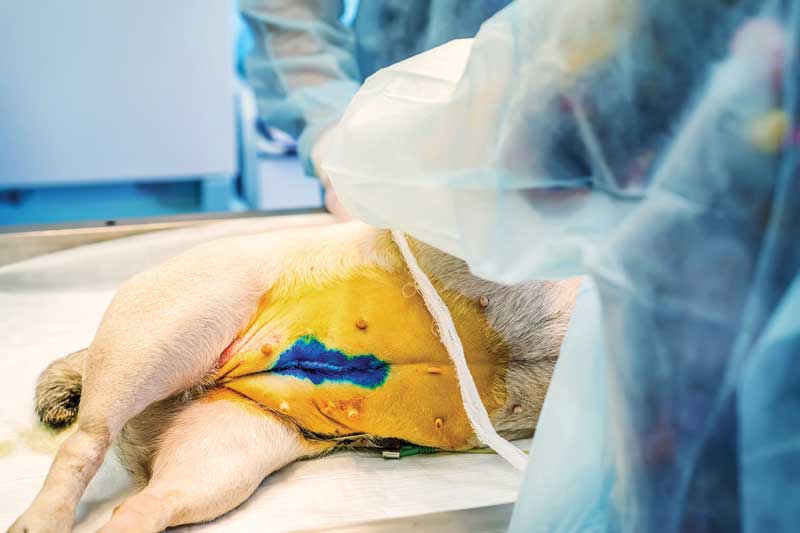
Image Source: www.veterinarypracticenews.com
Grasping the Dog Reproductive Cycle
To know the best time to spay, you must first know about your dog’s heat cycle. This is also known as her estrus cycle. The dog spay estrus cycle has four main parts:
Proestrus:
* What it is: This is the start of the heat cycle. It lasts about 9 days, but can be shorter or longer.
* Signs: You might see some blood from her vulva. Her vulva may swell. Male dogs will be drawn to her, but she will not let them mate yet.
* Hormones: Estrogen levels start to go up.
Estrus (Heat):
* What it is: This is when your dog can get pregnant. It lasts about 9 days, but varies.
* Signs: The bleeding may slow or stop. Her vulva is very swollen. She will be open to mating with male dogs. She may lift her tail or move it aside.
* Hormones: Estrogen levels drop. Luteinizing hormone (LH) and progesterone levels rise. This signals ovulation.
Diestrus:
* What it is: This stage follows estrus. It lasts about 60 to 80 days. This is when the body acts as if it is pregnant, whether it is or not.
* Signs: Her vulva will slowly go back to its normal size. She will not be open to mating. She may show signs of false pregnancy (pseudocyesis).
* Hormones: Progesterone levels are high. They stay high for a long time. Prolactin levels may also rise.
Anestrus:
* What it is: This is the resting stage. It is the time between heat cycles. It lasts about 4 to 5 months.
* Signs: No signs of heat. Her body is resting.
* Hormones: Hormone levels are low. Her body is getting ready for the next cycle.
Knowing these stages is key. It helps us pick the best time for surgery. The goal is to spay when her body is calm and not full of hormones.
Why Delay Spaying After Heat?
Many vets tell you to wait after your dog finishes heat. There are good reasons for this advice. Spaying a dog during or right after heat can cause problems.
1. More Blood Flow:
* During heat, blood flow to the uterus and nearby areas goes way up.
* This makes the surgery harder. It can cause more bleeding.
* More blood loss during surgery is risky. It can lead to a longer recovery.
2. Swollen Tissues:
* The uterus and other parts swell during heat. This swelling can last a while.
* A swollen vulva spay delay is often needed. The entire reproductive tract is larger.
* Larger organs are harder for the vet to handle. They can be hard to remove safely.
* The tissues are also more fragile. This makes them prone to damage.
3. Hormonal Changes Spay Impact:
* After heat, a dog’s body is still full of hormones.
* These hormonal changes spay can affect how her body reacts to surgery.
* High levels of progesterone can make the uterus more fragile.
* These hormones can also make some dogs more prone to bleeding.
4. Uterine Recovery After Heat:
* The uterus goes through big changes during heat.
* It needs time to shrink back to its normal size. It also needs to heal.
* This process is called uterine recovery after heat.
* It can take several weeks or even months.
* Spaying during this recovery time is not ideal. It can lead to more complications.
For all these reasons, vets suggest waiting. This waiting period makes the surgery safer. It also helps your dog heal better.
The Ideal Spay Window: Post Estrus Timing
So, when is the best time for the post heat spay recommended time? Most vets agree that the ideal spay window post estrus is about 2 to 3 months after her heat ends.
Let’s break down why this window is best:
- Body Calm: By 2 to 3 months, your dog’s hormones have mostly returned to normal. Her body is no longer in “pregnancy mode.”
- Reduced Blood Flow: The extra blood flow to her reproductive organs has gone down. This means less bleeding during surgery.
- Shrunken Uterus: Her uterus has shrunk back to its usual size. It is no longer swollen or fragile. This makes the surgery easier and safer.
- Lower Risk: The risk of surgical problems goes way down. This includes less bleeding and easier removal of the organs.
- Easier Recovery: When the body is calm, recovery is often smoother. There is less swelling and pain.
It is important to note that every dog is different. Some dogs may need a bit more time. Some might be ready a bit sooner. Your vet will be the best one to say when your dog is truly ready. They will look at her overall health and her history.
Here is a table showing the best timing:
| Heat Cycle Stage | Optimal Spay Timing After This Stage | Reasons for Timing |
|---|---|---|
| Proestrus | Wait until after heat cycle ends. | High hormones, swollen tissues, increased blood flow make surgery risky and difficult. |
| Estrus (Heat) | Wait until after heat cycle ends. | High hormones, swollen tissues, increased blood flow, open cervix. Very high risk of bleeding and infection. |
| Diestrus | 2-3 months after heat ends. | Allows for hormone levels to normalize, uterine recovery after heat, and reduction of blood flow and swelling. This is the post heat spay recommended time. |
| Anestrus | Anytime during this resting phase. | Ideal time when hormones are low and reproductive tract is calm. This applies if she hasn’t just had a heat. |
Risks of Spaying Too Soon After Heat
Spaying a dog too soon after her heat cycle, or even during it, comes with important risks. Vets work hard to avoid these issues. Knowing them helps you see why waiting is key. These are the risks spaying after heat can bring:
1. Increased Bleeding (Hemorrhage):
* This is the biggest risk. During heat, blood vessels in the uterus and ovaries get much larger. They carry more blood.
* Cutting these vessels when they are engorged can cause a lot of bleeding.
* Severe blood loss can be life-threatening. It can need blood transfusions.
2. Harder to Identify Structures:
* When tissues are swollen, it is harder for the vet to see clearly.
* The uterus can look much larger and less distinct.
* This makes it tougher to find and tie off blood vessels. It raises the chance of mistakes.
3. Longer Surgery Time:
* Dealing with swollen, fragile tissues and more bleeding takes more time.
* A longer surgery means more time under anesthesia.
* More time under anesthesia comes with its own risks. These include lower blood pressure and body temperature changes.
4. Increased Post-Operative Pain and Swelling:
* If tissues are already swollen, they will be even more swollen after surgery.
* This can lead to more pain for your dog. It can also make her recovery slower.
* There may be more bruising. The incision site may look worse.
5. Higher Risk of Complications:
* Besides bleeding, other issues can arise.
* There’s a slightly higher risk of infection.
* The chance of stitches breaking down or fluid building up is higher.
* In rare cases, permanent damage to nearby organs can happen.
These risks highlight why adhering to the ideal spay window post estrus is so important. Your vet prioritizes your dog’s safety and well-being. Waiting a few months after heat makes the procedure much safer for your pet.
Pyometra Prevention and Spay Timing
Pyometra is a very serious health problem. It is an infection of the uterus. It often happens in older female dogs who have not been spayed. It can also happen in younger intact dogs after a heat cycle. Knowing about pyometra prevention spay timing is vital.
What is Pyometra?
* After each heat cycle, the lining of a dog’s uterus gets thicker. This is to get ready for a possible pregnancy.
* If she does not get pregnant, the lining stays thick. It can also form cysts.
* This thick lining creates a perfect place for bacteria to grow.
* Progesterone, a hormone that is high after heat, also makes the uterus less able to fight infection. It keeps the cervix closed.
* Bacteria, often from the dog’s own body, can enter the uterus. They then grow and cause an infection.
* The uterus fills with pus. This can be “open” pyometra (pus drains from the vulva) or “closed” pyometra (pus stays trapped inside). Closed pyometra is more dangerous.
Why Spaying Prevents Pyometra:
* Spaying removes the uterus and ovaries. This means the dog can never get pyometra.
* It is the best way to prevent this life-threatening disease.
Optimal Timing for Pyometra Prevention Spay Timing:
* Spaying your dog before her first heat is one option. This removes the risk early.
* If she has already had heat cycles, spaying her during the anestrus phase is best. This is when her hormones are low.
* Waiting the 2-3 months after a heat cycle for a spay is key for pyometra prevention.
* If she has just had a heat cycle, the uterus is still under the influence of progesterone. This makes her more prone to pyometra in the weeks to months after heat.
* A timely spay removes this risk before it can develop.
Pyometra is a medical emergency. It needs quick vet care. It often requires urgent surgery. This surgery is much more complex and risky than a routine spay. It costs a lot more too. Preventing it with a well-timed spay is always the better choice.
False Pregnancy and Spay Timing
False pregnancy, also called pseudocyesis, is common in female dogs. It happens after a heat cycle when a dog does not get pregnant. It is linked to hormonal changes spay needs to consider.
What is a False Pregnancy?
* After the estrus cycle, progesterone levels stay high in all non-pregnant dogs. They stay high for about 60-70 days. This is the same time as a real pregnancy.
* When progesterone levels drop, prolactin levels rise. Prolactin is the hormone that helps with milk production.
* Because of these hormones, some dogs show signs of being pregnant. They are not actually pregnant.
* Signs: Nesting, carrying toys like puppies, milk production, swollen belly, changes in mood (being withdrawn or anxious).
* These signs can appear 4 to 9 weeks after the heat cycle.
False Pregnancy and Spay Timing:
* If your dog is going through a false pregnancy, it is generally not the best time to spay her.
* Her body is still under strong hormonal influence. Prolactin and other hormones are active.
* Spaying during this time can make the false pregnancy symptoms worse. It can also make them last longer.
* The sudden drop in hormones from spaying can trigger more prolactin release. This can cause increased milk production.
* Increased milk can lead to mastitis (breast infection). It can also cause discomfort.
When to Spay if There’s a False Pregnancy:
* It is best to wait until the false pregnancy symptoms have completely gone away.
* This usually means waiting several weeks after the signs disappear.
* Your vet may suggest a short course of medicine to stop the false pregnancy before spaying. This helps normalize her hormones.
* After the false pregnancy has passed and her body is calm, then it is safe to spay her. This often aligns with the 2-3 month post heat spay recommended time.
Managing a false pregnancy and picking the right spay time needs your vet’s advice. They can help you make the safest choice for your dog.
Benefits of Timely Spaying
Choosing to spay your dog is a big decision for her health and well-being. When done at the right time, especially following the dog reproductive cycle spay guidelines, the benefits are huge.
1. Population Control:
* This is the most obvious benefit. Spaying prevents unwanted puppies.
* This helps lower the number of homeless dogs. It reduces the strain on shelters.
2. Major Health Benefits:
* Prevents Mammary Tumors: Spaying before the first heat cycle greatly reduces the risk of mammary (breast) cancer. The risk goes up with each heat cycle.
* No Pyometra: As discussed, spaying removes the uterus. This means pyometra can never happen. This saves your dog from a life-threatening infection.
* No Uterine or Ovarian Cancers: Since these organs are removed, cancers of the uterus and ovaries are prevented.
* Avoids Reproductive System Problems: No more uterine infections, ovarian cysts, or other issues linked to the reproductive organs.
3. Behavioral Improvements:
* No More Heat Cycles: This means no messy bleeding, no constant licking, and no needing to keep her locked away from male dogs.
* Reduced Roaming: Female dogs in heat often try to escape to find a mate. Spaying removes this strong urge.
* Less Aggression: Some female dogs show aggression around their heat cycle. Spaying can reduce this.
* Fewer Distractions: Spaying can help dogs focus more on training and family life. They are not driven by mating instincts.
4. Financial Savings in the Long Run:
* The cost of spaying is less than treating pyometra or mammary tumors.
* It’s also less than the cost of caring for a litter of puppies.
* No more costs related to managing heat cycles (diapers, extra cleaning, boarding to avoid males).
By choosing the ideal spay window post estrus, you are giving your dog the best chance at a long, healthy, and happy life. It is an act of responsible pet ownership.
Pre-Surgical Considerations
Once you have decided on the post heat spay recommended time, you will need to get your dog ready. Your vet will guide you through this. But here are some general things to keep in mind:
1. Veterinarian Consultation:
* Always talk to your vet. They will check your dog’s overall health.
* They will talk about her heat history. They will confirm the best spay timing for her.
* This is a good time to ask any questions you have.
2. Pre-Surgical Blood Work:
* Your vet will likely suggest blood tests before surgery.
* These tests check organ function (liver, kidneys). They also look at blood counts.
* This helps ensure your dog can safely go under anesthesia. It can catch hidden health issues.
3. Fasting Instructions:
* You will be told not to feed your dog for a certain time before surgery. This is usually 8-12 hours.
* Water may be allowed until a few hours before.
* Fasting prevents vomiting during anesthesia. This helps prevent food from going into her lungs.
4. Current Vaccinations and Parasite Control:
* Make sure your dog is up to date on all shots.
* She should also be free of fleas, ticks, and worms. This helps prevent problems during recovery.
5. Knowing Your Dog’s History:
* Tell your vet everything about your dog’s health.
* Mention any past illnesses, medicines she takes, or strange behaviors.
* This helps the vet make the best plan for her surgery.
6. Prepare Her Space:
* Before surgery, set up a quiet, warm, and comfortable spot for her to recover.
* Have soft bedding ready. Make sure it’s away from other pets or loud noises.
These steps help make the surgery as safe and smooth as possible.
Post-Surgical Care: Ensuring a Smooth Recovery
After your dog’s spay surgery, proper care at home is vital for a quick and full recovery. Your vet will give you specific instructions. Here are general tips to help her heal well:
1. Pain Management:
* Your vet will likely send pain medicine home with you.
* Give all medicine as directed. Do not skip doses.
* Pain control helps your dog rest and heal. It also prevents her from bothering the incision.
2. Activity Restriction:
* Keep your dog calm and limit her movement for 10-14 days.
* No running, jumping, or rough play.
* Use a leash for potty breaks. Keep walks short and slow.
* Prevent her from going up or down stairs too much.
* Excessive activity can make the incision swell or open.
3. Incision Care:
* Check the incision site daily. Look for redness, swelling, discharge, or bad smell.
* A little redness or mild swelling is normal at first.
* Do NOT let her lick or chew the incision. This is very important.
* Use an Elizabethan collar (E-collar or “cone”) if she tries to lick. Keep it on at all times, especially when you are not watching her.
* Do not bathe her until the vet says it is safe. Keep the incision dry.
4. Feeding and Water:
* Offer small amounts of food and water when she gets home.
* Some dogs may feel a bit sick from anesthesia. If she vomits, wait a bit before trying again.
* Return to her normal feeding schedule once she is eating well.
5. Monitor for Problems:
* Watch for any signs of trouble:
* Lots of bleeding from the incision.
* Incision opening up.
* Severe pain or whining.
* Refusing to eat or drink for more than a day.
* Repeated vomiting or diarrhea.
* Weakness, dizziness, or confusion.
* Difficulty breathing.
* Call your vet right away if you see any of these signs.
6. Follow-Up Appointment:
* Your vet will likely schedule a check-up in 10-14 days.
* This is to check the incision and remove any stitches if needed.
Following these steps will help your dog recover safely and get back to her normal self.
When to Talk to Your Vet
Every dog is unique. While general guidelines exist, your vet is the best resource for your dog.
- Before her first heat: If you are thinking of spaying your dog before her first heat, talk to your vet. They can discuss the pros and cons for your dog’s breed and size.
- After her heat cycle: Once your dog has finished her heat, call your vet. Let them know the date her heat ended. They can then help you plan the post heat spay recommended time. They will schedule the pre-surgical check-up and the surgery itself.
- If you notice signs of illness: If your dog seems sick at any time, especially near her heat or spay date, call your vet right away.
- Any questions or worries: Never hesitate to call your vet’s office. They are there to help you make the best health decisions for your dog. This includes questions about dog reproductive cycle spay or any other aspect of her care.
The goal is always to ensure your dog’s safety and well-being. A well-timed spay, guided by your vet, is a key part of responsible pet ownership.
Frequently Asked Questions (FAQ)
Q1: Can I spay my dog during her heat cycle?
A: It is strongly advised not to spay a dog during her heat cycle. The uterus and surrounding tissues are very swollen and have increased blood flow. This makes the surgery riskier, increases bleeding, and can lead to more complications. It is much safer to wait until 2-3 months after her heat has ended.
Q2: My dog just finished her heat. How soon can she get pregnant again?
A: A dog cannot get pregnant immediately after her heat cycle ends. However, if she was exposed to a male dog during her estrus (heat) phase, she could already be pregnant. If not, she will need to go through another full heat cycle (usually 6-8 months later) to become fertile again. Still, keep her away from intact males until she is spayed.
Q3: What if my dog is having a false pregnancy? Can I still spay her?
A: It’s generally best to wait. Spaying a dog during a false pregnancy can worsen symptoms like milk production. It can also make them last longer. Your vet might suggest waiting until the false pregnancy symptoms have completely gone away, or give medication to help stop it before surgery.
Q4: How long does a dog’s heat cycle last?
A: A dog’s heat cycle, or estrus, typically lasts about 18-21 days. This includes both proestrus (when she starts bleeding) and estrus (when she is receptive to mating). However, the length can vary greatly from dog to dog, lasting anywhere from a few days to over a month.
Q5: Is it better to spay a dog before her first heat?
A: Spaying before the first heat (often around 5-6 months of age) can greatly reduce the risk of mammary cancer. This is a common and serious cancer in female dogs. However, some studies suggest waiting longer for larger breeds might be better for bone development. Discuss this with your vet to decide what is best for your specific dog.
Q6: What are the signs my dog’s heat cycle has ended?
A: Signs her heat has ended include: her vulva returning to its normal size (no longer swollen), no more bleeding or discharge, and she no longer attracts male dogs or allows them to mate. She will also stop showing interest in male dogs herself.
Q7: Will spaying change my dog’s personality?
A: Spaying typically does not change a dog’s core personality. It removes the hormonal drives associated with heat and mating. This can reduce behaviors like roaming, marking, or aggression related to heat cycles. She will still be the loving pet you know.
Q8: What if my dog was accidentally bred during her heat? Can she still be spayed?
A: Yes, in some cases, your vet can perform an “early spay” or “ovariohysterectomy” even if she was recently bred or is pregnant. This would prevent the pregnancy from continuing. It’s important to talk to your vet right away if you suspect your dog might be pregnant and you don’t want puppies.
Q9: What happens if I wait too long to spay my dog after her heat?
A: If you wait longer than 2-3 months, that’s fine. The key is to spay her during the anestrus stage. This is the period between heat cycles when her hormones are low and her reproductive organs are calm. Spaying during this time avoids the risks of spaying right after heat. Waiting too long between heats means she risks another heat cycle and the related health problems like pyometra and mammary tumors.
Q10: My dog has a swollen vulva. Does this mean she’s in heat or has just finished heat?
A: A swollen vulva is a classic sign of proestrus or estrus (heat). It means her body is still under hormonal influence. If her vulva is still swollen, it’s not the ideal time for spaying. This aligns with the need for a swollen vulva spay delay to ensure safe surgery. Wait for it to return to normal size. Your vet can confirm if she is truly out of heat.