
So, how hot is too hot to run with your dog? A simple answer is that it depends on many things, but generally, temperatures above 75°F (24°C) start to become risky, and anything over 85°F (29°C) is often too hot for most dogs to run safely, especially when you add in humidity or hot ground. Running with your dog in the heat can be very dangerous and can quickly lead to serious problems like heatstroke, which can be deadly. It’s very important to know the safe temperature limits for dog walks and runs to keep your furry friend safe.
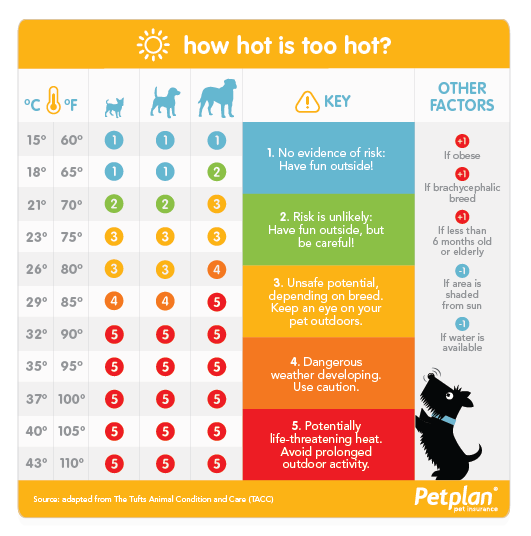
Image Source: suburban-k9.com
Why Heat Hurts Dogs
Dogs are not like us. We sweat all over our bodies to cool down. Dogs can only sweat a little through their paws. Their main way to cool down is by panting.
How Dogs Try to Cool Down
When a dog gets hot, they pant. This helps air move over the wet surfaces in their mouth and lungs. This takes heat away from their body. They also lose some heat from their paws and ears. But this is not as good as sweating like people do.
Because they can’t cool down easily, dogs can get hot very fast. Running makes their body get even hotter. When the air outside is also hot or wet (humid), it is much harder for them to cool down. The heat stays trapped in their body. This can quickly lead to serious problems.
When Is It Too Hot?
It’s not just about the air temperature you see on your phone. Other things make the heat worse for dogs.
Safe Numbers for Running
There isn’t one magic number that works for all dogs. A young, healthy husky will handle cold much better than heat. A short-nosed pug will struggle in heat more than a long-nosed retriever.
Here’s a simple guide based on air temperature:
- Below 68°F (20°C): This is usually safe for most dogs to run. Watch old dogs or dogs with health issues carefully.
- 68°F to 75°F (20°C to 24°C): Most dogs can run here, but watch for signs of getting hot. If your dog is not used to running, is older, or has health problems, be extra careful. Short-nosed breeds should probably stick to walks or short play.
- 75°F to 85°F (24°C to 29°C): This temperature range is risky for running. Many dogs will overheat here. Only very fit dogs who are used to running in this heat might handle it, but it is still dangerous. Watch constantly for signs of overheating. Consider shorter runs or brisk walks instead. Many experts say this is too hot for running for most dogs.
- Above 85°F (29°C): This is generally too hot and dangerous for dogs to run. The risk of heatstroke is very high for all dogs, even those who are very fit. It is much safer to skip the run and do indoor exercise or wait for a cooler time.
Humidity Makes it Worse
Humidity is the amount of water in the air. When the air is humid, a dog’s panting doesn’t work as well. The air they breathe in already has a lot of water. It’s harder for the wet surfaces in their mouth and lungs to dry out and take heat away. High humidity makes a temperature that might seem okay feel much hotter and more dangerous to your dog.
For example, 75°F (24°C) with low humidity might be okay for some dogs for a short run. But 75°F (24°C) with high humidity could be very dangerous.
You can find charts online that combine temperature and humidity to give a “feels like” temperature for dogs. This can be a helpful tool.
The Danger of Hot Pavement
The air temperature is one thing. The temperature of the ground is another. Asphalt and concrete get much hotter than the air temperature when the sun shines on them.
- When the air is 77°F (25°C), asphalt in the sun can be 125°F (52°C).
- When the air is 87°F (31°C), asphalt in the sun can be 143°F (62°C).
How hot is too hot for dog paws? Ground temperatures above 120°F (49°C) can burn a dog’s paw pads in just one minute. This is a serious burn. Pavement that is 140°F (60°C) can cause burns very fast.
Think about walking barefoot on a hot road. If it’s too hot for your hand to touch for 5 seconds, it’s too hot for your dog’s paws. Always check the ground before you run or walk. Put your hand on the pavement. If you can’t hold it there comfortably for 5-10 seconds, find grass or dirt paths, or do not go out. The temperature limits for dog walks and runs must always consider the ground temperature, not just the air.
Risks of Running Dogs in Hot Weather
Running dogs in hot weather comes with big risks. The main one is heatstroke.
Heatstroke happens when a dog’s body temperature gets dangerously high. Their cooling system (panting) can’t keep up with the heat coming from outside and the heat their body makes from running.
Other risks include:
- Paw burns: As mentioned, hot ground causes painful burns.
- Dehydration: Dogs lose water when panting a lot. Running makes them pant more. They can get dehydrated fast in the heat.
- Organ damage: Severe heatstroke can damage organs like the brain, kidneys, and liver.
- Death: Heatstroke can kill a dog very quickly if not treated right away.
Yes, can dogs get heatstroke running? Absolutely. Running in warm or hot weather is one of the main ways dogs get heatstroke. Their body works hard, making internal heat, while the outside heat and humidity make it hard to cool down.
Spotting Trouble Early
Knowing the signs of dog overheating and dog heat stroke symptoms is vital. The sooner you see a problem, the faster you can act and maybe save your dog’s life.
What Overheating Looks Like
These are the first signs that your dog is getting too hot. Stop exercising immediately if you see these:
- Heavy panting: Panting is normal after running, but if it’s much heavier than usual, sounds stressed, or doesn’t slow down quickly when you stop, it’s a warning.
- Very red or dark gums and tongue: Their mouth might look brighter red than normal.
- Thick, sticky drool: Saliva might become thick or foamy.
- Looking tired or weak: They might slow down, want to stop, or seem less alert.
- Wobbling or poor balance: They might seem unsteady on their feet.
- Vomiting: Throwing up can be a sign.
- Diarrhea: Loose stool can also happen.
These signs mean your dog is struggling to cool down. They are getting dangerously hot.
Severe Heatstroke Signs
If the signs of overheating are not stopped and the dog’s body temperature keeps rising, they can go into full heatstroke. These signs are very serious. Get to a vet immediately if you see these:
- Collapse or inability to stand up: They might fall over or be too weak to get up.
- Not responding to you: They might seem unaware of where they are or what you are doing.
- Seizures: Their body might shake without control.
- Muscle tremors: Their muscles might twitch or shake.
- Gums turning pale or bluish: This is a very bad sign meaning they are not getting enough oxygen.
- Glassy eyes: Their eyes might look strange or unfocused.
- Unusual or fast heart rate: Their heart might pound very fast.
- Body temperature over 104°F (40°C): If you have a pet thermometer, this is a clear sign of danger. Normal is usually 100-102.5°F (37.8-39.2°C).
These severe signs mean your dog is in a life-threatening situation. Every minute counts.
Avoiding the Danger
Exercising dog in summer safety requires planning and care. You can do many things to lower the risk of your dog getting too hot.
Best Times to Go Out
Choosing the right time of day is one of the easiest and most effective ways to prevent overheating.
- Early Morning: The coolest time of day is usually just after the sun comes up. The ground has had all night to cool down. Get your run or walk done before the sun gets strong.
- Late Evening: After the sun goes down and the ground has cooled off is another good time. Wait until it feels cool outside and the pavement is no longer hot to touch.
Avoid running with your dog during the hottest part of the day, usually between 10 am and 4 pm. Even if the air temperature seems okay, the sun’s heat and hot surfaces can make it very dangerous.
Using Cooling Stuff
Dog cooling gear can help keep your dog’s body temperature down, especially in warmer weather or for breeds that struggle with heat.
- Cooling Vests: These vests soak up water. As the water dries (evaporates), it takes heat away from the dog’s body. Look for vests that cover the chest and back. Keep them wet.
- Cooling Mats: These mats feel cool to the touch and dogs can lie on them to cool down after exercise or just relax. Some use gel that absorbs heat, others use water.
- Cooling Bandanas or Collars: These are often filled with gel or soaked in water and worn around the neck. They help cool the blood flowing to the brain.
- Cooling Towels: You can wet these special towels, wring them out, and place them on your dog. Focus on areas with less fur or where blood vessels are close to the surface, like the belly, armpits, and groin.
Remember that cooling gear helps, but it does not make a hot run completely safe. It’s a tool to use along with other safety steps, not a reason to ignore high temperatures.
Other Safety Steps
- Always carry water: Bring plenty of fresh water for both you and your dog. Stop often to let your dog drink. Collapsible bowls are easy to carry.
- Know your dog: Pay attention to your dog’s age, breed, weight, and health. A young, thin dog of a northern breed might handle heat better than an old, overweight pug. Dogs with thick fur, short noses (like pugs, bulldogs, boxers), or heart/breathing problems are at higher risk.
- Start slow: If your dog is not used to running or it’s the first warm day, start with short times and low effort. Build up slowly as they get fitter and used to the temperature.
- Take breaks: Stop often in shady spots. Let your dog rest and drink water.
- Watch your dog constantly: Don’t just run on autopilot. Look at your dog. Watch their panting, their energy level, their eyes, their mouth. Are they looking happy or stressed?
- Avoid the hottest surfaces: Stick to grass, dirt trails, or shaded sidewalks whenever possible.
- If in doubt, stay home: It’s much better to miss one run than to risk your dog’s life. On really hot days, play simple games inside, work on training, or use puzzle toys instead of running outside.
Acclimatizing Your Dog
Just like people, dogs can get a little more used to warmer weather over time. This is called acclimatization.
If you plan to run with your dog in warmer months, start with very short times outside when the temperature first starts to rise. Slowly make the time longer over a few weeks. Do this only when temperatures are still in a safer range (below 75°F / 24°C). This helps their body adjust slightly.
However, dogs can never fully adapt to high heat and humidity like people can. Acclimatization does not make it safe to run your dog in dangerous temperatures (above 85°F / 29°C). It only helps them cope a little better in mildly warm conditions.
What to Do in an Emergency
If you see the signs of dog overheating, especially the serious ones like collapsing or not responding, you need to act fast. This is a medical emergency.
- Stop Exercising Immediately: Get your dog out of the heat right away. Move them to a cool, shady spot.
- Start Cooling Them Down:
- Get water on them. Use cool, not ice-cold, water. Ice-cold water can make blood vessels shrink and actually slow down cooling.
- Focus on areas with less fur and close to blood vessels: the belly, groin, armpits, and paws.
- You can use a hose, wet towels, or pour water from bottles.
- Use a fan if you have one. Moving air helps water evaporate and cools the dog faster.
- Do NOT put ice packs directly on their skin for a long time. This can cause frostbite and stop blood flow.
- Offer them small amounts of cool water to drink, but don’t force them if they can’t drink.
- Get to the Vet: Even if your dog seems to cool down a little, they need to see a vet right away. Heatstroke can cause hidden damage to organs that you can’t see. The vet can check their body temperature, give fluids, and check for internal problems. Call ahead to let the vet know you are coming with a possible heatstroke case so they are ready.
- Keep Cooling on the Way: If you have a wet towel, fan, or water, continue cooling your dog in the car on the way to the vet.
Cooling them down fast is critical, but vet care is essential after possible heatstroke. Do not assume they are fine just because they seem better.
Deciphering Your Dog’s Signals
Your dog can’t tell you in words that they are too hot. You have to read their body language and behavior. Learning to spot the early signs is key to preventing a full heatstroke emergency.
Before you even see heavy panting, you might notice subtle things:
- Lagging behind you during the run.
- Looking for shade or trying to stop more often.
- Not being as excited about running as usual.
- Eyes looking a little wide or stressed.
These small signs mean your dog is starting to struggle. Listen to them. If your dog seems less happy about running in the heat than they usually are, they are probably already too hot for that activity.
Planning Your Route and Timing
Thinking ahead about where and when you run can make a big difference for exercising dog in summer safety.
- Choose Shady Routes: Look for trails or paths that go through woods or have buildings that provide shade. Avoid open areas like parks or sidewalks with no trees during sunny times.
- Run Near Water: If possible, run near a lake or river. Sometimes there is a breeze off the water, and you can even let your dog wade in safe, clean water for a quick cool-down break (make sure the water is not stagnant or dirty).
- Adjust Expectations: On warmer days, accept that your run might be shorter, slower, or need more breaks. It’s not about hitting a certain distance or speed; it’s about exercising safely with your dog.
Thinking about temperature limits for dog walks and runs should be part of your daily routine during warm weather. Check the forecast, feel the ground, and look outside. If it feels hot to you, it’s much hotter for your dog.
Special Considerations for Certain Dogs
Some dogs are naturally more likely to get heatstroke than others. Be extra careful with:
- Short-Nosed (Brachycephalic) Breeds: Pugs, bulldogs, French bulldogs, Boston terriers, boxers, and similar breeds have trouble breathing normally because of their short noses and airways. This makes it very hard for them to cool down by panting. They should avoid running in any significant heat at all. Even walks can be risky for them in warm weather.
- Thick-Coated Breeds: Huskies, Malamutes, Newfoundlands, and other dogs with thick double coats are built for cold weather. Their coats trap heat.
- Elderly Dogs: Older dogs may not have as much energy, may have hidden health problems, and their bodies may not cool down as efficiently.
- Puppies: Very young dogs may not regulate their body temperature well yet.
- Overweight Dogs: Extra weight acts like an extra layer of insulation and makes it harder for the body to cool down.
- Dogs with Health Conditions: Heart problems, breathing issues, or other illnesses can make a dog much more vulnerable to heat.
- Dogs Not Used to Exercise: Dogs who are not fit will overheat faster than those who are in good running shape.
If your dog falls into one of these groups, be extremely cautious with heat. Even what seems like a mild temperature might be dangerous for them. Safe temperatures for dog exercise are lower for these dogs.
The Importance of Hydration
Water is crucial for preventing overheating. Dogs lose water when they pant. Running increases panting, so they lose water faster.
- Make sure your dog drinks water before you leave for your run.
- Bring water and a portable bowl on every run, no matter how short it is or how cool it seems. You never know when you might need it.
- Stop frequently to offer water. Don’t wait until your dog looks thirsty.
- If you are on a long run, plan for water stops, maybe at public fountains or places where you know there’s clean water. Be careful with stagnant water, which can make your dog sick.
Dehydration makes your dog even more likely to overheat. Keep them well-hydrated before, during, and after exercise.
Final Thoughts on Safe Running
Running with your dog is a wonderful way to bond and keep you both fit. But your dog’s safety must always come first. Being aware of the temperature, checking the ground, watching your dog closely, and knowing the signs of overheating are not optional steps – they are essential.
Ignoring the risks of running dogs in hot weather can have tragic results. A little bit of caution goes a long way in protecting your best friend. If you are ever unsure if it’s too hot, the safest choice is always to skip the run and find another way to exercise or play. There are many ways to keep your dog active that don’t involve dangerous heat.
By following these guidelines, you can help ensure that your shared adventures stay fun, safe, and healthy for both of you. Pay attention to those temperature limits for dog walks and runs, listen to your dog, and enjoy your time together responsibly.
Questions People Ask (FAQ)
h4: What is the safest temperature to run with my dog?
Generally, temperatures below 68°F (20°C) are safest for most dogs to run. You should still watch for signs of your dog getting too hot, especially for dogs sensitive to heat.
h4: At what temperature should I not run my dog?
Temperatures above 85°F (29°C) are usually too hot and dangerous for almost all dogs to run. Temperatures between 75°F and 85°F (24°C and 29°C) are very risky, especially with humidity or hot ground. Many experts advise against running dogs in this range.
h4: Can my dog run on hot pavement?
No, you should not let your dog run on hot pavement. Pavement gets much hotter than the air and can quickly burn your dog’s paws. If the ground is too hot for you to hold your hand on for 5-10 seconds, it is too hot for your dog’s paws.
h4: How can I tell if my dog is too hot?
Look for signs like very heavy panting, red or dark gums, thick drool, seeming tired or weak, wobbling, vomiting, or diarrhea. These are signs of overheating. More serious signs like collapsing, not responding, or seizures mean possible heatstroke.
h4: What should I do if my dog seems to be overheating?
Stop exercising right away and move your dog to a cool, shady spot. Start cooling them down with cool (not ice-cold) water on their body, especially the belly, groin, and armpits. Offer them water to drink. Get them to a vet immediately.
h4: Does cooling gear really work?
Dog cooling gear like vests and bandanas can help lower your dog’s body temperature a little by using evaporation. They can be useful tools, but they do not make it safe to run your dog in dangerous temperatures. They should be used along with other safety steps.
h4: Are some dog breeds better at handling heat when running?
Generally, breeds with thin coats and long noses (like Greyhounds or Dobermans) may handle heat slightly better than thick-coated breeds or short-nosed breeds. However, all dogs can get heatstroke, and their individual fitness and health matter a lot. Short-nosed breeds are at very high risk and should avoid running in heat almost entirely.
h4: Is humidity worse than high temperature for dogs?
High humidity makes it much harder for dogs to cool down through panting. A lower temperature with high humidity can be more dangerous than a higher temperature with low humidity. Always consider both the temperature and humidity.
h4: Can running in warm weather make my dog fitter for the heat?
You can slowly help your dog get a little more used to mild warmth over time (acclimatization) by starting with short times in gradually warming temperatures below the danger zone. However, dogs cannot fully adapt to high heat and humidity. Acclimatization does not make it safe to run in dangerous temperatures (above 85°F / 29°C).
h4: How much water should I bring on a run?
Bring more water than you think you need! For a short run in mild temps, a small bottle might be enough. For longer runs or warmer days, bring plenty for both you and your dog, or plan your route to include safe water stops. Offer water frequently.