
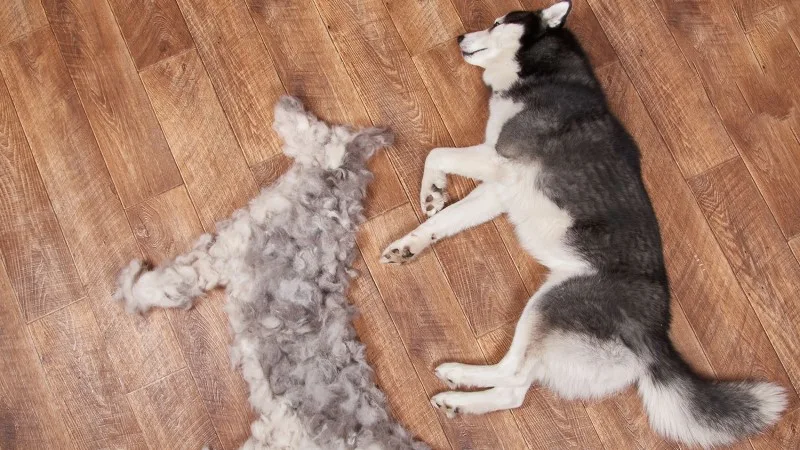
Image Source: images.ctfassets.net
How Do You Keep Your Dog From Shedding So Much: Guide
Do you want to know how to keep your dog from shedding so much? You can control your dog’s shedding. This guide shows you how. Shedding is normal for dogs. But too much hair around the house can be a problem. We will look at good food, right tools, and daily care. These steps help keep your dog’s coat healthy. They also cut down on loose hair.
Grasping Why Dogs Shed
Dogs shed hair. This is a natural process. They lose old or damaged hair. New hair grows in its place. Shedding helps keep their coat healthy. It also helps control body temperature. Some dogs shed more than others. This depends on their breed, age, and health.
The Hair Growth Cycle
Dog hair grows in phases.
* Anagen: Hair grows actively.
* Catagen: Hair stops growing. The follicle shrinks.
* Telogen: Hair rests.
* Exogen: Hair falls out. New hair starts to grow.
This cycle happens all the time. Each hair is on its own path. So, your dog always sheds some hair.
Factors Affecting Shedding
Many things make dogs shed.
* Breed: Some breeds shed a lot. Think of German Shepherds or Labs. Poodles shed very little.
* Season: Dogs often shed more in spring. They lose their thick winter coat. They shed again in fall. They get a new, warmer coat. This is called seasonal dog shedding.
* Health: A sick dog might shed more. This can be a sign of a problem.
* Diet: Poor food can lead to dry skin. This makes shedding worse.
* Stress: High stress can also make dogs shed more.
* Age: Older dogs might shed differently.
When Shedding Becomes a Problem
Some shedding is fine. But heavy shedding can mean trouble. How do you know if it’s too much?
* Large clumps of hair fall out.
* Bald spots appear on their skin.
* Their skin looks red or irritated.
* They scratch a lot.
* The shedding is constant, not just seasonal.
If you see these signs, act fast. It might be time for help.
Core Steps to Reduce Dog Shedding
You can do many things. These steps help reduce loose hair. They keep your dog’s coat looking good.
Grooming Routines: The First Line of Defense
Regular grooming is key. It removes loose hair. It spreads natural skin oils. This keeps the coat shiny. It also makes your home cleaner.
Choosing Dog Deshedding Tools
The right tools make a big difference. They pull out loose hair. They do not cut the good hair.
| Tool Name | Best Use | Frequency |
|---|---|---|
| Slicker Brush | Removing mats and tangles, general brushing | Daily or every other day |
| Pin Brush | Long-haired dogs, general brushing, loose hair | Daily |
| Bristle Brush | Short-haired dogs, shine, surface hair | Daily or every other day |
| Undercoat Rake | Dogs with double coats, reaching loose undercoat | 2-3 times a week during shedding |
| Deshedding Tool | Removing vast amounts of loose undercoat hair | 1-2 times a week, or as needed |
| Grooming Glove | Gentle grooming, petting to remove loose hair | Daily |
- Slicker brushes work well for many coat types. They remove tangles. They pull out loose hair.
- Undercoat rakes are great for double-coated dogs. They get deep into the fur. They pull out dead undercoat.
- A deshedding tool (like a Furminator) is very effective. It targets loose hair. It does not harm the topcoat. Use it with care. Too much can irritate skin.
- Grooming gloves are gentle. They are good for sensitive dogs. You just pet your dog. The glove collects hair.
Brush your dog often. For some, daily brushing is best. For others, a few times a week is enough. Make brushing a good time. Give treats. Praise your dog.
Deshedding Shampoo for Dogs
Bathing also helps. It loosens dead hair. It washes it away. Use a deshedding shampoo. These shampoos often have special ingredients. They help hair release.
- How they work: These shampoos are made to strengthen hair. They also help hair follicles. They reduce tangles. This makes loose hair easier to remove.
- Ingredients to look for: Look for omega fatty acids, oat extract, and aloe. These soothe skin. They promote a healthy coat.
- How to use:
- Wet your dog completely.
- Apply the shampoo. Work it deep into the coat.
- Let it sit for a few minutes. Check the label for time.
- Rinse very well. Make sure all shampoo is gone.
- Towel dry your dog. Then, use your deshedding tool.
Don’t bathe your dog too often. This can dry out their skin. Once a month is often enough. More if they get very dirty.
Diet: Fueling a Healthy Coat
What your dog eats matters. A good diet gives them what they need. This helps their skin and coat. It can greatly reduce shedding.
Best Dog Food for Shedding
Choose high-quality dog food. Look for food with:
* Real meat as the first ingredient. This means chicken, beef, or fish.
* Healthy fats: These include chicken fat or fish oil.
* Whole grains or vegetables: These add fiber and nutrients.
* Limited fillers: Avoid corn, wheat, or soy. These offer little nutrition.
* No artificial colors or flavors: These can harm health.
Some brands offer specific skin and coat formulas. These are often rich in omega fatty acids. Talk to your vet. They can help pick the best food.
Omega Fatty Acids for Dog Coat
Omega fatty acids are vital. They are fats that dogs need. They cannot make them. So, dogs must get them from food.
- Omega-3: Found in fish oil. It reduces swelling. It keeps skin moist. It makes coats shiny.
- Omega-6: Found in plant oils. It also helps skin and coat health.
A good balance of Omega-3 and Omega-6 is best. Too much of one can be bad.
* Sources: Fish oil (salmon, sardine), flaxseed oil, and certain dog foods.
* Benefits: Less dry skin, less itching, a stronger coat, less shedding.
You can add omega fatty acids to your dog’s diet. This comes in liquid or pill form. Always talk to your vet first. They will tell you the right amount.
Dog Shedding Supplements
Sometimes, food alone is not enough. Supplements can help. They add extra nutrients. These boost skin and coat health.
- Fish Oil: Rich in Omega-3s. We talked about this. It’s a top choice.
- Coconut Oil: Can be given by mouth or put on skin. It has healthy fats. It helps dry skin.
- Biotin: A B-vitamin. It helps hair growth. It makes hair stronger.
- Zinc: A mineral. It is important for skin health. Too little zinc can cause shedding.
- Vitamin E: An antioxidant. It helps skin repair. It can improve coat health.
Always check with your vet. Before you give any supplement, ask them. They can make sure it is safe. They can give you the right dose.
Home Remedies for Dog Hair
Simple steps at home can help.
* Vacuum often: Use a good vacuum. It should pick up pet hair well.
* Cover furniture: Use washable covers. Blankets work great.
* Lint rollers: Keep them handy. Use them on clothes and furniture.
* Damp cloth: Wipe down surfaces. A damp cloth picks up loose hair.
* Rubber gloves: Wet a rubber glove. Rub it over carpets or furniture. Hair sticks to it.
* Air purifiers: Some purifiers help remove pet dander.
These tips will not stop shedding. But they make your home cleaner. They cut down on hair.
Addressing Other Factors
Beyond grooming and diet, other things matter.
Seasonal Dog Shedding Tips
Shedding changes with seasons.
* Spring: Expect heavy shedding. Dogs lose their winter coat. Brush more often.
* Fall: Expect some shedding. They grow a new, thicker coat. Increase brushing.
* Winter/Summer: Less shedding. But indoor heat or AC can make them shed a bit more.
Tips for seasonal shedding:
* Increase brushing: Do it daily during peak times.
* More baths: Use deshedding shampoo. This helps loose hair come out.
* Good diet: Keep their diet strong. This supports healthy hair cycles.
* Hydration: Always give fresh water. Good hydration helps skin health.
Professional Dog Grooming
Sometimes, you need help. A professional groomer can do a lot. They have special tools. They know techniques that you might not.
- Deshedding services: Many groomers offer this. They use strong dryers. They use special shampoos and tools. This removes a lot of hair fast.
- Regular trims: For some breeds, regular trims help. This keeps the coat neat. It can reduce mats.
- Skin checks: Groomers can spot skin problems. They might see issues you miss.
A groomer can make a big difference. Especially for dogs with thick coats. Or for dogs that shed heavily.
Underlying Medical Causes of Shedding
Sometimes, too much shedding is a health warning. It is not always about normal shedding.
Signs of a medical problem:
* Bald patches: Hair loss in certain spots.
* Red or irritated skin: Skin looks sore or inflamed.
* Excessive itching or biting: Your dog cannot stop scratching.
* Dull or brittle coat: Hair looks unhealthy.
* Changes in appetite or energy: Other signs of sickness.
Common medical reasons for excessive dog hair remedies:
* Allergies: Dogs can be allergic to food, fleas, or things in the air. Allergies cause itchy skin and shedding.
* Parasites: Fleas, ticks, mites. These cause itching. They lead to hair loss.
* Skin infections: Fungi (ringworm), bacteria. These can cause hair loss.
* Hormone problems:
* Hypothyroidism: Thyroid gland does not make enough hormones. This slows hair growth. It causes dull coat and shedding.
* Cushing’s Disease: Too much cortisol hormone. Causes thinning skin and hair loss.
* Nutrient lack: Not enough vitamins or minerals.
* Stress or anxiety: Can cause dogs to lick or chew themselves bald.
* Kidney, liver, or adrenal disease: These can affect skin and coat health.
What to do:
If you think it’s a medical issue, see your vet. They can run tests. They can find the cause. Then, they can start treatment. Treating the cause stops the excess shedding. Never try to guess. A vet’s help is best.
Building a Long-Term Shedding Management Plan
Managing shedding is ongoing. It needs a routine.
1. Daily or near-daily brushing: Use the right dog deshedding tools.
2. Regular baths: Use deshedding shampoo for dogs as needed.
3. High-quality diet: Pick the best dog food for shedding. Add omega fatty acids for dog coat.
4. Consider supplements: Use dog shedding supplements if your vet agrees.
5. Know the seasons: Adjust care based on seasonal dog shedding tips.
6. Keep home clean: Use home remedies for dog hair daily.
7. Vet checks: Look for underlying medical causes of shedding.
8. Professional help: Use professional dog grooming services.
This plan helps manage excessive dog hair remedies. It makes your dog healthier and happier. It also makes your home cleaner.
Frequently Asked Questions (FAQ)
Q1: What is the best brush for a dog that sheds a lot?
A1: A deshedding tool like the Furminator is very effective for heavy shedding. An undercoat rake is also great for double-coated breeds. A slicker brush works well for general shedding.
Q2: Can I stop my dog from shedding completely?
A2: No, you cannot stop shedding completely. It’s a natural process. But you can greatly reduce the amount of loose hair. Good care, proper diet, and the right tools help a lot.
Q3: How often should I bathe my shedding dog?
A3: Generally, once a month is enough. If you use a deshedding shampoo, follow its instructions. Too many baths can dry out their skin. This can make shedding worse.
Q4: Is it normal for my dog to shed more in certain seasons?
A4: Yes, it is very normal. Dogs often shed more in spring. They lose their thick winter coat. They also shed in the fall to prepare for winter. This is called seasonal shedding.
Q5: What are common signs of a medical problem causing shedding?
A5: Look for bald patches, red skin, constant itching, or a dull coat. Also, watch for changes in energy or appetite. If you see these, see your vet.
Q6: Are there dog foods that help with shedding?
A6: Yes. Look for dog foods with real meat as the main ingredient. Foods rich in omega-3 and omega-6 fatty acids are best. Some brands offer special “skin and coat” formulas.
Q7: Can stress make my dog shed more?
A7: Yes, stress and anxiety can lead to more shedding. It can also cause dogs to lick or chew themselves. This can lead to hair loss. Reduce stress in your dog’s life.
Q8: When should I take my dog to a professional groomer for shedding?
A8: Take your dog to a groomer if shedding is severe. Or if you have a very thick-coated dog. Groomers have special tools and skills. They can remove a lot of loose hair quickly. They can also spot skin issues.