
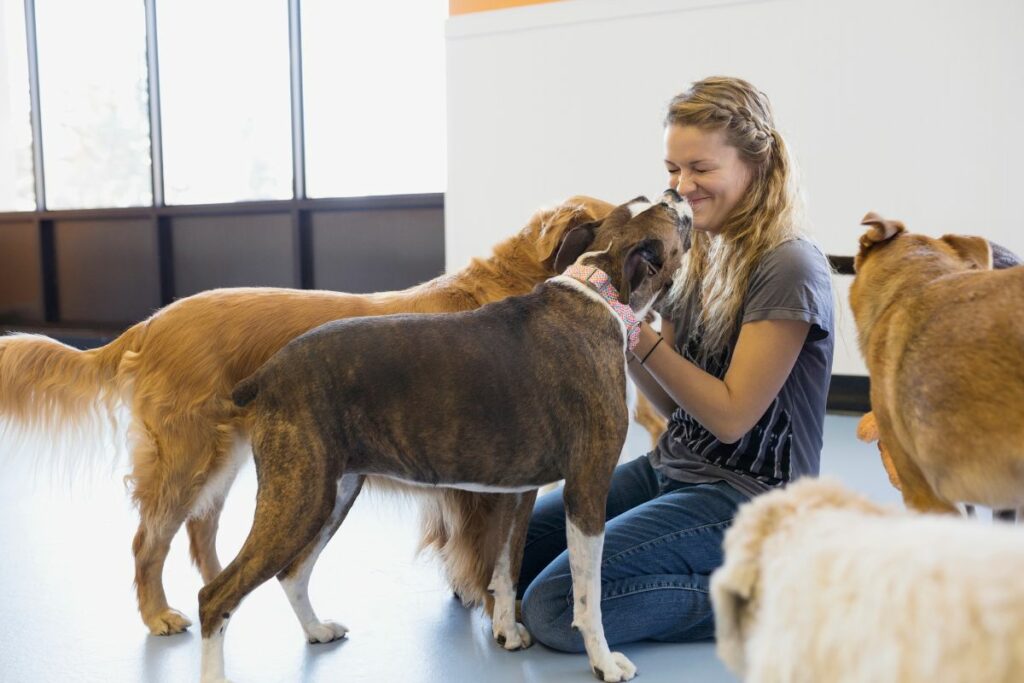
Image Source: www.silvermaplepetcenter.com
Spot the Signs: How Do I Know If My Dog Likes Daycare?
You know if your dog likes daycare by watching their actions before, during, and after their time there. Happy dogs often show excitement when going, play well while there, and come home tired but content. This guide helps you spot key signs, both good and bad, to make sure daycare is the right choice for your furry friend.
Why Daycare Can Be Good for Your Dog
Dog daycare is more than just a place to leave your pet. It offers many good things for dogs. Knowing these good things helps you see why daycare might be a great choice.
The Benefits of Dog Daycare
Daycare can help your dog in many ways. It meets needs that home life might not always fill.
- Social Fun: Dogs are social animals. They love to be around others. Daycare gives them a safe place to play with other dogs. This helps them learn how to act with new friends. It stops them from being shy or too rough.
- Burning Energy: Many dogs have lots of energy. If they do not use it, they can get bored. Bored dogs might chew furniture or bark a lot. Daycare lets them run, jump, and play. This helps them get tired in a good way.
- New Experiences: Daycare has new sights, sounds, and smells. Dogs meet new people and dogs. This helps them get used to different things. It can make them calmer in new places outside of daycare too.
- Less Boredom: When you are at work, your dog might be alone. This can be boring for them. Daycare gives them things to do all day. They play games, get treats, and hang out with staff. This keeps their minds busy.
- Peace of Mind for You: When your dog is at daycare, you know they are safe. They are with people who care for them. You do not have to worry about them being lonely or getting into trouble at home. This can make your day easier.
Daycare can be a big help for dogs that need more activity or social time. It can improve their mood and behavior.
Deciphering Your Dog’s Body Language at Daycare
Dogs talk with their bodies. They use their tails, ears, eyes, and how they move. Knowing how to read these signs is key. It tells you how your dog feels about daycare. This is called dog body language daycare.
Key Body Signals
Every dog shows their feelings in their own way. But some signs are common. Look for these before, during, and after daycare.
Table: Common Dog Body Language Signs
| Body Part | Happy/Relaxed Dog | Stressed/Worried Dog |
|---|---|---|
| Tail | High, wagging loose; middle height, gentle wag. | Low, tucked between legs; stiff, fast wag. |
| Ears | Relaxed, natural position; slightly back, not flat. | Flat back against head; stiff and forward. |
| Eyes | Soft, blinking often; relaxed gaze; ‘squinty’ eyes. | Wide, showing white; hard stare; avoiding eye contact. |
| Mouth | Open, relaxed; gentle pant; soft closed mouth. | Closed tight; pulled back at corners; heavy pant; lip licking. |
| Body | Loose, wiggly; bow to play; weight even. | Stiff, frozen; low to ground; shaking; trying to hide. |
| Overall | Easy, fluid movement; playful; seeking attention. | Slow, hesitant movement; pacing; refusing food/treats. |
Watching Your Dog’s Actions
It’s not just about one body part. It’s about all of them together. Also, watch what your dog does.
- Approach: Does your dog walk right up to new dogs or people? Or do they hang back?
- Play: Do they invite other dogs to play? Do they take turns? Or do they play too rough or not at all?
- Rest: Do they take breaks when tired? Or do they keep going even when they look worn out?
- Staff: Do they go to staff for pets or comfort? Or do they ignore them or shy away?
Seeing these things helps you get a full picture. It shows how your dog truly feels inside the daycare.
Signs Your Dog Loves Daycare
When your dog truly enjoys daycare, they show clear dog daycare positive signs. These signs tell you, “I am happy here!” You can see these signs both before and after they go. This helps you know if your dog is happy at daycare.
Before Daycare: Dog Eager for Daycare
The first clues often come before you even leave home. Your dog’s actions here speak volumes.
- Happy Dance: Does your dog get excited when you say “daycare” or grab their leash? Do they jump, wag their tail, or run to the door? This is a huge positive sign. It means they know where they are going and like it.
- Pulling to the Door: When you get to daycare, does your dog pull you to the door? Do they try to go inside quickly? This shows they are ready to join the fun. They cannot wait to play.
- Greeting Staff: Does your dog greet the daycare staff with excitement? Do they wag their tail, lick faces, or lean into pets? This means they feel safe and happy with the people there. They trust the staff.
- No Hiding: A dog who likes daycare will not try to hide. They will not put on the brakes or try to run away. They will walk right in, ready for their day.
These “eager for daycare” signs are strong hints. They show your dog links daycare with good times.
During Daycare: Is My Dog Happy at Daycare?
What happens inside the daycare is just as important. Most daycares have cameras. Watch these if you can.
- Active Play: Happy dogs play! They chase, wrestle, and run with other dogs. They invite play with a “play bow” (front legs down, rear up). They take turns and do not get too rough.
- Social Interaction: They spend time with different dogs. They might sniff, follow, or lie near others. They do not stick to just one dog or hide in a corner.
- Taking Breaks: Even happy dogs need rest. They will lie down for a bit. They might nap or just watch. Then they get up and play more. This shows they are not getting too tired or stressed.
- Comfort with Staff: They let staff pet them and handle them. They might go to a staff member for a cuddle or a drink of water. This shows they feel secure and safe.
- Good Body Language: As discussed before, look for relaxed tails, soft eyes, and loose bodies. These signs show calm enjoyment.
- Eating and Drinking: They should eat treats or food offered by staff. They should also drink water. This shows they are relaxed enough to eat and drink.
Seeing your dog engaging happily and taking breaks is great. It means they are enjoying their time.
After Daycare: Content and Tired
The way your dog acts when they come home also tells a story. Look for these dog behavior after daycare signs.
- Happy Fatigue: Your dog should be tired, but in a good way. They should nap deeply. They might be less active than usual in the evening. This is a sign of a good workout. It means they played hard.
- Calmness: A content dog will be calm after daycare. They might still be happy to see you. But they will not be wired or jumpy. They will settle down easily.
- Good Appetite: They should still want to eat their dinner. This shows their body is still working well.
- No Lingering Stress: They should not seem worried or withdrawn. They should go back to their normal self after a good rest.
- Excitement for Next Time: When you mention daycare the next day, do they get excited again? If yes, it is a strong sign they loved it.
A dog who is tired but happy after daycare likely had a fun and positive experience.
Spotting Daycare Stress Signals
Not all dogs love daycare. Some might find it too much. It is vital to spot dog daycare stress signals. These signs tell you your dog is not happy. They might show dog daycare anxiety signs or be overstimulation dog daycare.
Before Daycare: Reluctance or Fear
- Hiding: Does your dog hide when you say “daycare”? Do they go under the bed or behind you? This is a clear sign they do not want to go.
- Shaking/Trembling: Some dogs shake or tremble before going. This shows extreme fear or worry.
- Refusing to Enter: At the daycare door, do they pull back? Do they try to run away? Do they plant their feet and refuse to walk in? This is a strong no.
- Potty Accidents: An anxious dog might have an accident inside right before leaving or upon arrival. This is a stress response.
- Excessive Licking/Yawning: While normal, too much licking of lips or yawning can be a sign of stress. They are trying to calm themselves down.
These signs mean your dog is not looking forward to daycare. They might even fear it.
During Daycare: Signs of Discomfort
If you can watch your dog on camera, look for these. They show your dog is not having fun.
- Hiding/Avoiding: Does your dog try to hide behind staff or under tables? Do they avoid other dogs? This means they are scared or overwhelmed.
- Constant Barking/Growling: Some dogs bark too much or growl at other dogs. This can be a sign of fear or feeling unsafe. They are trying to keep others away.
- Pacing/Repetitive Actions: Walking back and forth without purpose, or doing the same thing over and over. This can be a sign of high anxiety.
- Stiff Body Language: As mentioned, stiff tails, wide eyes, closed mouths, and tense bodies are bad signs.
- Mounting/Bullying: Some dogs try to control others when they are stressed. They might mount other dogs too much. This is not playful.
- No Interaction: A dog who sits alone the whole time is not getting the social benefit. They might be too scared to play.
- Excessive Panting (without exercise): If your dog is panting hard but not playing, it could be stress. Their body is working overtime due to worry.
Overstimulation dog daycare can happen. This is when there is too much noise, too many dogs, or too much activity. The dog cannot handle it all. They might become restless, agitated, or even shut down. Signs include:
* Frantic, non-stop activity.
* Inability to settle or nap.
* Increased barking or nipping.
* Trying to escape or pace fences.
* Becoming withdrawn and unresponsive.
A good daycare should have quiet areas for dogs to rest. They should also manage group sizes.
After Daycare: Lingering Negative Behavior
The aftermath is very important. What your dog does when they get home can show hidden stress. This is dog behavior after daycare.
- Extreme Fatigue/Lethargy: While some tiredness is good, extreme exhaustion is not. Your dog might be too tired to eat or move. They might sleep for 24 hours straight. This could mean they pushed themselves too hard or were stressed.
- Increased Thirst: Stress can make dogs drink a lot of water. If your dog comes home and drinks huge amounts, it could be a stress sign.
- Nausea/Diarrhea: An upset stomach is often linked to stress. If your dog throws up or has loose stools after daycare, it could be stress.
- Resource Guarding: They might guard their food bowl, toys, or even you. This happens because they felt they had to compete for things at daycare.
- Increased Anxiety at Home: They might pace, bark more, or be clingy. They might have trouble settling down. This means daycare made them more anxious, not less.
- Fearful Responses: If they jump at small noises or seem scared of normal things, their nerves are frayed.
- Lameness or Injuries: Check your dog for cuts, scrapes, or limping. Minor things happen during play. But frequent injuries could mean they are in a group that is too rough for them.
- Not Wanting to Go Back: This is the most telling sign. If your dog shows the “before daycare” stress signs again, it means they do not want to return.
These signs after daycare are strong warnings. They tell you something is not right.
Examining Your Dog’s Health After Daycare
Beyond behavior, your dog’s physical dog health after daycare is key. Daycare can affect their body in good and bad ways.
Positive Health Indicators
- Good Sleep: As mentioned, good quality sleep from being tired is a plus. It shows they used their energy well.
- Healthy Weight: Regular activity at daycare helps maintain a healthy weight. This is good for their joints and heart.
- Strong Muscles: All that running and playing builds muscle. This makes them stronger and fitter.
- Good Hydration: They should drink enough water during the day. Staff should make sure of this.
Negative Health Concerns
- Dehydration: If your dog is overly thirsty at home, it might mean they did not drink enough at daycare. This can be serious.
- Paw Injuries: Look at their paws. They might be raw, blistered, or sore from running on hard surfaces.
- Joint Pain: Older dogs or dogs with joint issues might be very sore. Too much rough play can cause pain.
- Weight Loss: If your dog is losing weight, they might be too stressed to eat, or burning too many calories without enough food.
- Illness: Dogs can catch colds, kennel cough, or other sicknesses at daycare. Check for coughing, runny nose, or fever. A good daycare will have strict health rules.
- Skin Issues: Look for hot spots or skin irritation. These can be from stress or lying on dirty surfaces.
- Limping/Soreness: Any limping, stiffness, or signs of pain need a vet check. It could be a simple strain or something more serious.
Regular checks of your dog’s health are important. Talk to your vet if you see anything worrying.
Making Daycare a Good Fit
If you see some stress signs, do not give up right away. You can often make changes to help your dog.
Choosing the Right Daycare
- Visit First: Go to the daycare without your dog. Look around. Is it clean? Does it smell okay? Are the dogs happy?
- Ask About Staff: How many staff are there per dog? Are they trained in dog behavior? Do they know dog first aid?
- Check Play Groups: Do they separate dogs by size, age, and play style? This is very important.
- Ask About Rest: Do they have quiet places for dogs to nap? Do they force dogs to play all day?
- Trial Days: Most good daycares offer a trial day or half-day. This lets your dog try it out. The staff can also see if your dog is a good fit.
- Cameras: A daycare with cameras lets you see your dog. This is a big plus.
Helping Your Dog Adjust
- Start Slow: Do not send your dog for a full day right away. Start with a few hours. Then slowly add more time.
- Go Often: Going once a week is often better than once a month. It helps your dog get used to the routine and other dogs.
- Practice Short Stays: If your dog is anxious, practice leaving them for short times at home. This builds their comfort with being alone.
- Talk to Staff: Share any worries with the staff. They know your dog while there. They can help you see signs you miss.
- Consider a Different Group: If your dog is overstimulated, ask about a less active group. Or a smaller group.
- Training: Sometimes, a dog needs more training. This can help them feel more confident. A confident dog is less likely to be stressed.
- Vet Check: Rule out any health issues. Sometimes, pain or discomfort makes a dog act stressed.
- Consider Alternatives: If daycare is just not working, look at other options. A dog walker or a trusted pet sitter might be a better fit. One-on-one time might be what your dog needs.
It takes time and patience to find the best fit. Your dog’s happiness and health are the most important things.
Frequently Asked Questions (FAQ)
How often should my dog go to daycare?
Many dogs go 2-3 times a week. This helps them stay used to the routine. It gives them enough play without being too much. Some dogs do well with 1-2 times a week. It depends on your dog’s energy and comfort level.
Is it normal for my dog to be very tired after daycare?
Yes, it is normal. Playing all day is hard work! They should be tired but happy. They should settle down and sleep well at home. If they are too tired to eat or seem stressed for hours, that is not normal.
My dog throws up or has diarrhea after daycare. What does that mean?
This can be a sign of stress or overstimulation. It can also mean they ate something they shouldn’t have. Talk to the daycare. If it keeps happening, see your vet. It might mean daycare is not right for them.
Should I give my dog food before daycare?
It is best to feed your dog a light meal 1-2 hours before daycare. Or you can feed them when they get home. Playing on a full stomach can upset their tummy.
What if my dog seems to love daycare but gets injured often?
Even in good daycares, small bumps can happen. But if injuries are common, ask the daycare why. They should keep groups safe. Your dog might be in a group that is too rough. Or your dog might be playing too hard. Discuss options with the staff.
Can daycare make my dog worse at home?
In rare cases, yes. If your dog is very stressed or becomes fearful, it can lead to problems at home. This might show as more anxiety, fighting with other pets, or guarding things. If you see this, stop daycare and talk to a trainer or vet.
How long does it take for a dog to get used to daycare?
Some dogs are ready from day one. Others need a few visits or weeks to feel safe. Starting slow helps. If your dog does not seem happy after 4-5 visits, daycare might not be the best place for them.
Final Thoughts
Your dog cannot tell you in words if they like daycare. But they show you in many ways. By watching their body, actions, and health, you can see the truth. Look for the dog daycare positive signs. Be quick to spot dog daycare stress signals. Your dog’s happiness and health are what truly matter. If daycare makes your dog thrive, it is a wonderful tool. If it causes stress, finding another option is the kindest choice.