
Canned dog food with low phosphorus is very important for dogs with kidney problems. This special diet, often called dog kidney diet wet food, helps slow down kidney damage. It gives them the right nutrients while protecting their kidneys. Renal support canned dog food is designed to reduce the workload on their kidneys. So, when should a dog be on a low phosphorus diet? If your vet says your dog has kidney disease, especially chronic kidney disease (CKD), a low phosphorus diet is often recommended right away. Can this diet reverse kidney damage? No, it usually cannot reverse damage already done. But it can help manage the disease and improve your dog’s quality of life. This kind of food is often prescribed as prescription renal dog food because it is a vital part of medical care. It is a key way to care for your dog’s kidneys.
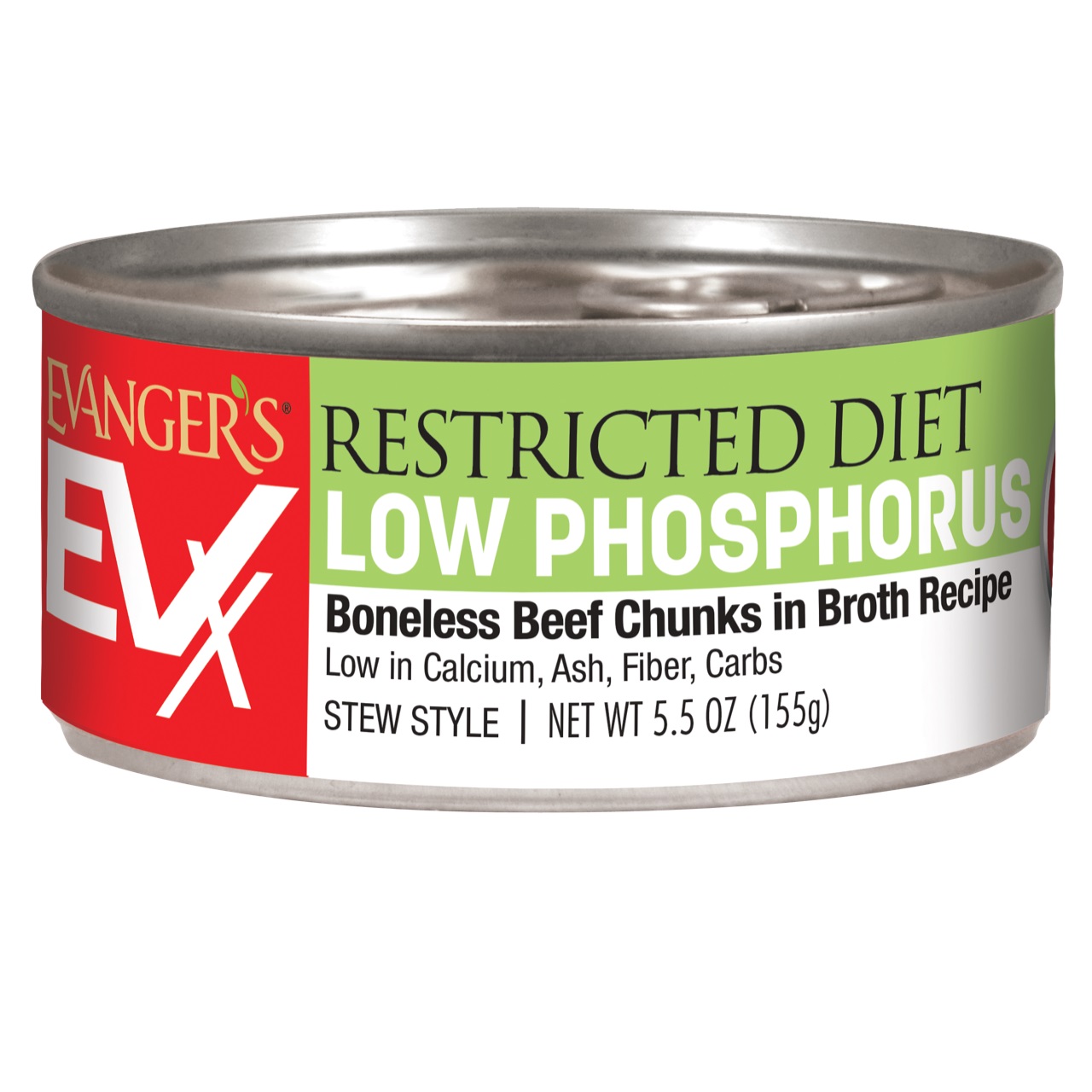
Image Source: evangersdogfood.com
Why Your Dog’s Kidneys Are So Important
Your dog’s kidneys are vital. They work like a filter system for the body. Kidneys clean the blood, removing waste products. They also balance water and minerals in the body. Healthy kidneys help make hormones that control blood pressure and red blood cell making. They keep your dog strong and healthy.
When kidneys do not work well, waste builds up in the blood. This makes your dog sick. It can lead to many health issues. Poor kidney function can make dogs tired, lose weight, and feel bad. It is a serious problem that needs careful care.
Deciphering Chronic Kidney Disease in Dogs
Chronic kidney disease (CKD) means the kidneys are slowly losing their ability to work. This damage happens over time, often months or years. It is not something that happens all at once. CKD is very common in older dogs. It can also happen in younger dogs due to birth defects or other health issues.
CKD often shows no signs early on. By the time signs appear, the kidneys might be badly damaged. Signs include drinking more water, peeing more, losing appetite, throwing up, and weight loss. Your vet finds CKD through blood and urine tests. These tests check how well the kidneys are cleaning the blood. They also look for protein in the urine, which can show kidney damage. Early discovery is key to helping your dog.
The Power of Diet in Kidney Care
Diet plays a huge role in managing CKD. What your dog eats can either help or hurt their kidneys. A special diet can lessen the stress on the kidneys. It helps slow down the disease’s progress. It can also ease your dog’s symptoms. This makes them feel much better.
A kidney-friendly diet aims to do a few things:
* Cut down on phosphorus.
* Control protein levels.
* Increase water intake.
* Add useful fats like Omega-3s.
This special diet is not just food; it is medicine for your dog. It helps them live a longer, happier life with CKD.
Why Phosphorus is a Big Problem for Kidneys
Phosphorus is a mineral. All living things need it. It helps build strong bones and teeth. It is also important for energy and cell growth. Dogs get phosphorus from their food. It is found in most dog foods, especially those high in protein.
Healthy kidneys remove extra phosphorus from the blood. But when kidneys are sick, they cannot do this job well. Phosphorus starts to build up in the blood. This build-up is very bad for dogs with CKD.
How Too Much Phosphorus Harms Kidneys
When phosphorus levels get too high, it causes many problems.
1. Mineral Imbalance: High phosphorus throws off the balance of calcium and other minerals. This can lead to calcium deposits in soft tissues. It can harm the kidneys even more. It can also weaken bones over time.
2. Kidney Damage: High phosphorus makes kidney damage worse. It can speed up the rate at which kidneys lose function. It puts more strain on the already struggling kidney cells.
3. Hormone Problems: High phosphorus affects a hormone called parathyroid hormone (PTH). This hormone controls calcium and phosphorus levels. High phosphorus makes PTH levels rise. Too much PTH can cause bone disease and other issues.
4. Feeling Sick: Dogs with high phosphorus can feel very sick. They might lose their appetite, throw up, and be tired. This makes their quality of life much lower.
The Rewards of a Low Phosphorus Diet
Feeding a phosphorus restricted wet dog food brings many rewards. It is one of the most important things you can do for a dog with CKD.
* Slowing Disease Progress: The main goal of a low phosphorus diet is to slow the disease. By lowering phosphorus, you reduce the stress on the kidneys. This can help them last longer.
* Better Kidney Function: Less phosphorus means the kidneys do not have to work as hard. This can help preserve their remaining function. It gives them a break.
* Improved Health: Dogs on a low phosphorus diet often feel better. They have more energy. Their appetite may improve. They might throw up less. This greatly improves their daily life.
* Lower Risk of Complications: It helps prevent bone disease and other issues linked to high phosphorus. This keeps the dog’s whole body healthier.
* Increased Lifespan: While not a cure, a low phosphorus diet can help dogs with CKD live longer. They live better lives too.
For these reasons, low phosphorus low protein dog food wet is a cornerstone of kidney disease treatment. It is a specific type of dog kidney diet wet food that is often recommended first.
The Benefits of Canned Dog Food for Kidney Health
Canned dog food has unique benefits for dogs with kidney disease. It is often preferred over dry kibble for many reasons.
Hydration for Kidney Health
This is perhaps the biggest benefit of canned food. Canned food is mostly water, often 70-80% water. Dry kibble is only about 10% water. Dogs with CKD often do not drink enough water on their own. They lose more water through peeing. This makes them easily dehydrated.
Hydrating dog food for kidney health is crucial. More water helps the kidneys filter waste better. It flushes toxins out of the body. Proper hydration keeps the dog’s blood flowing well. It supports all body functions. It also helps prevent stones and blockages. Feeding wet food helps your dog get much-needed water without them even knowing it. This can make a big difference in their health.
Palatability and Appetite
Dogs with kidney disease often lose their appetite. They may feel sick to their stomach. The smell and taste of food might not appeal to them. Canned food usually has a stronger smell and taste than dry food. This makes it more appealing to picky eaters. Its soft texture is also easier for older dogs to eat. Many senior dogs have dental issues. Canned food is gentle on their teeth and gums.
This high palatability ensures your dog eats enough. Getting enough food is vital for strength and weight. It gives them the energy they need. If a dog does not eat, their health will go down fast. Canned food often helps them eat when nothing else will.
Nutrient Control
Canned foods allow for very precise control of nutrients. This is important for kidney diets. Manufacturers can carefully balance phosphorus, protein, and other minerals. This makes it easier to meet the strict diet needs for kidney disease.
For example, many low protein low phosphorus dog food wet options are available in canned form. This allows vets and pet owners to pick the exact nutrient balance needed. It is harder to get this precise control with home-cooked meals or some dry foods.
Key Nutrients in a Kidney-Friendly Diet
A good dog kidney diet wet food looks at more than just phosphorus. It balances many nutrients.
Protein Levels: Not Too High, Not Too Low
Protein is essential for your dog. It helps build muscles and tissues. But when kidneys are sick, they struggle to filter protein waste. So, a kidney diet usually has controlled protein levels.
* Controlled Protein: This means not too much protein. It lowers the workload on the kidneys. It also helps reduce waste products.
* High-Quality Protein: The protein used must be easy to digest. This means your dog uses more of it. Less waste is left for the kidneys to handle. Examples include eggs, chicken, and fish.
It is important not to cut protein too much. Your dog still needs enough protein to stay healthy and maintain muscle. It is a careful balance. This is why low protein low phosphorus dog food wet is carefully made.
Fat Content: A Source of Energy
Kidney diets often have higher fat content. Fat gives energy. It helps your dog keep their weight. Dogs with CKD often lose weight. High fat helps give them enough calories. This helps them stay strong. Fats are also less taxing on the kidneys compared to protein.
Sodium and Potassium: Balance is Key
- Sodium: Too much sodium can raise blood pressure. It can also make fluid build up. Kidney diets are often lower in sodium. This helps control blood pressure and swelling.
- Potassium: Potassium levels need careful watching. They can be too high or too low in CKD. The diet aims to keep potassium in a healthy range. Your vet will check your dog’s blood to see if they need more or less potassium.
Omega-3 Fatty Acids: Soothing Goodness
Omega-3 fatty acids are healthy fats. They are found in fish oil. These fats help reduce inflammation. Inflammation can hurt the kidneys. Omega-3s can help slow kidney damage. They also support heart health. They can improve appetite. Many renal support canned dog food options include Omega-3s.
B Vitamins: Often Lost, Need Replacing
Dogs with CKD pee more often. This can cause them to lose water-soluble B vitamins. These vitamins are important for energy and nerve function. Kidney diets often add more B vitamins. This helps make up for what is lost.
Antioxidants: Fighting Damage
Antioxidants help protect cells from damage. They fight free radicals. These bad molecules can harm kidney cells. Vitamins E, C, and beta-carotene are common antioxidants. They are often added to kidney friendly dog food cans.
Choosing the Best Canned Food for Kidney Disease Dogs
Picking the right canned food for your dog with CKD needs care. It is best done with your vet’s help.
Reading Labels: What to Look For
When you check food labels, here are key things to find:
* Phosphorus Level: This is most important. Look for low phosphorus. A good target for dogs with CKD is less than 0.5% (dry matter basis). Your vet will tell you the exact amount.
* Protein Level: Look for a controlled protein level. It should be moderate, not high. It should also be high-quality.
* Moisture Content: Canned food should have high moisture. This means 70% or more.
* Fat Content: Higher fat content is good for energy.
* Omega-3s: Check for added fish oil or sources of Omega-3s.
Some foods will say “renal” or “kidney support” right on the label. These are usually a good start.
Consulting Your Vet: Your Best Guide
Your vet is your most important resource. They know your dog’s exact health needs. They will do tests to see how bad the kidney disease is. Based on this, they can recommend specific prescription renal dog food options. They can also tell you if a specific veterinary diet low phosphorus wet food is best.
Do not try to pick a kidney diet on your own. It needs careful planning. Your vet can give you specific brand names and feeding amounts. They can also tell you about senior dog kidney canned food options, as older dogs often need special care.
Specific Brands and Types
Many companies make specific kidney diets for dogs. These are often called “veterinary diets.”
* Royal Canin Veterinary Diet Renal Support: This is a popular option. They offer different textures and flavors. This helps dogs with picky appetites.
* Purina Pro Plan Veterinary Diets NF Kidney Function: Another well-known choice. It comes in different forms too.
* Hill’s Prescription Diet k/d: A long-standing brand known for kidney care.
These brands are science-backed. They are made to meet the specific needs of dogs with CKD. They are examples of best canned food for kidney disease dogs. They are carefully made to be kidney friendly dog food cans.
Considerations for Senior Dogs
Older dogs often get kidney disease. So, senior dog kidney canned food is very important. These foods not only focus on kidney health but also on other needs of aging dogs. They might have added joint support. They may also be easier to chew. They are often formulated to be highly palatable. This encourages older dogs to eat enough. Older dogs can be very picky. Finding the right food for them is key.
Transitioning Your Dog to a New Diet
Changing your dog’s food needs time. Do not switch all at once. This can upset their stomach. It can make them not want to eat.
Follow these steps for a smooth change:
1. Days 1-3: Mix a small amount of the new food with their old food. Start with 25% new food, 75% old.
2. Days 4-6: Increase the new food. Try 50% new, 50% old.
3. Days 7-9: Most of the food should be new. Try 75% new, 25% old.
4. Day 10 Onward: They should be eating 100% new food.
Watch your dog closely during this time. Look for any signs of stomach upset. If they throw up or have diarrhea, slow down the change. Take more days if needed. If your dog refuses the new food, talk to your vet. They might suggest different flavors or brands. They might also give you tips to make the food more appealing. Some dogs are very set in their ways. But a kidney diet is too important to give up on.
Monitoring Your Dog’s Progress
Once your dog is on a low phosphorus diet, you need to watch them. Regular vet check-ups are vital.
* Blood Tests: Your vet will do blood tests often. They will check phosphorus, kidney values, and other levels. This shows if the diet is working.
* Urine Tests: Urine tests help check kidney function and hydration.
* Weight Checks: Watch your dog’s weight. Losing weight can be a sign they are not eating enough or the disease is getting worse.
* Behavior and Appetite: Keep notes on your dog’s energy, thirst, peeing, and eating habits. Are they eating better? Are they more active? These are good signs.
Tell your vet about any changes, good or bad. This helps them adjust the plan if needed.
Beyond Diet: Other Support Measures
While diet is key, other things can help your dog with CKD.
* Fresh Water Always: Always have fresh, clean water available. Encourage your dog to drink. Water is their best friend.
* Medicines: Your vet might prescribe medicines. These can control phosphorus levels. They might help with nausea or blood pressure.
* Fluid Therapy: In some cases, your vet might suggest giving fluids under the skin. This boosts hydration. It helps flush toxins.
* Dental Care: Good dental health is important. Poor teeth can lead to infections. Infections can stress the kidneys.
* Warmth and Comfort: Keep your dog warm and comfortable. Kidney disease can make them feel cold. A soft bed and a quiet space are good.
* Regular, Gentle Exercise: Keep them moving. Gentle walks are good. Do not push them too hard.
All these things work together with the diet. They help give your dog the best possible life.
Potential Challenges and Solutions
Feeding a dog with CKD can have challenges.
* Picky Eaters: Some dogs just do not like the new food.
* Solution: Try different brands or flavors of kidney friendly dog food cans. Mix in a little low-sodium chicken broth. Warm the food slightly. Hand-feed small amounts. Talk to your vet about appetite stimulants.
* Cost: Veterinary diets can be more expensive.
* Solution: Talk to your vet about options that fit your budget. Some pet insurance plans cover diet food.
* Other Health Issues: A dog might have CKD plus other diseases. This can make diet choices complex.
* Solution: Work closely with your vet. They can help balance the needs of all health problems.
* Finding the Food: Sometimes the specific food needed is hard to find.
* Solution: Most veterinary diets are sold through vet clinics or online pet pharmacies. Order ahead to ensure you always have food.
Do not give up. Your efforts make a big difference in your dog’s life.
Conclusion
Feeding your dog canned dog food low phosphorus is a cornerstone of care for kidney disease. This special diet is vital. It slows down kidney damage. It helps your dog feel better. It gives them more good years.
Remember the key points:
* Kidneys filter waste. When they are sick, phosphorus builds up.
* High phosphorus makes kidney disease worse.
* Low phosphorus diets help slow disease progress and ease symptoms.
* Canned food is great because it adds water and is often very tasty.
* Dog kidney diet wet food must balance protein, fat, and other nutrients.
* Always work with your vet to choose the right prescription renal dog food.
Taking care of a dog with kidney disease needs love and effort. But with the right renal support canned dog food and your vet’s guidance, you can give your dog a life that is full and happy. Each spoonful of this food is a step toward better health.
Frequently Asked Questions (FAQ)
Q1: Can I make homemade low phosphorus food for my dog?
A1: Making homemade food for a dog with kidney disease is very hard. It is tough to get the right balance of low phosphorus, controlled protein, and other nutrients. Commercial veterinary diet low phosphorus wet foods are carefully made for this purpose. If you want to cook at home, you must work with a vet nutritionist. They can make a plan that is safe and complete.
Q2: How long will my dog need to eat a low phosphorus diet?
A2: For chronic kidney disease, your dog will likely need to stay on a phosphorus restricted wet dog food for the rest of their life. CKD is a long-term condition. The diet helps manage it over the long haul.
Q3: What if my dog refuses to eat the prescribed low phosphorus canned food?
A3: This is a common issue. Try warming the food gently. Mix in a tiny bit of low-sodium broth. Hand-feed small amounts. Ask your vet about trying different brands or flavors of best canned food for kidney disease dogs. Your vet might also suggest an appetite stimulant if needed. Patience is key.
Q4: Is “low protein” always the same as “low phosphorus” in dog food?
A4: Not always. Many low protein foods are also low in phosphorus because protein sources often contain phosphorus. However, some foods might be low protein but not low enough in phosphorus for a kidney diet. Always check the phosphorus level specifically. Low protein low phosphorus dog food wet is the target.
Q5: Can low phosphorus food help prevent kidney disease in healthy dogs?
A5: There is no clear evidence that a low phosphorus diet prevents kidney disease in healthy dogs. These diets are made for dogs already diagnosed with CKD. For healthy dogs, a balanced, high-quality regular diet is best.
Q6: How often should my dog’s kidney levels be checked while on this diet?
A6: Your vet will set the schedule. It often starts with checks every few weeks. Then it might become every 3-6 months if your dog is stable. Regular checks are vital to see if the diet is working and if any changes are needed.
Q7: Are there any treats my dog can have on a low phosphorus diet?
A7: Treats must be low in phosphorus, too. Many regular treats are high in phosphorus. Ask your vet for safe treat ideas. Small pieces of certain fruits (like apples without seeds) or vegetables (like green beans) might be okay in moderation. Always check with your vet first.