
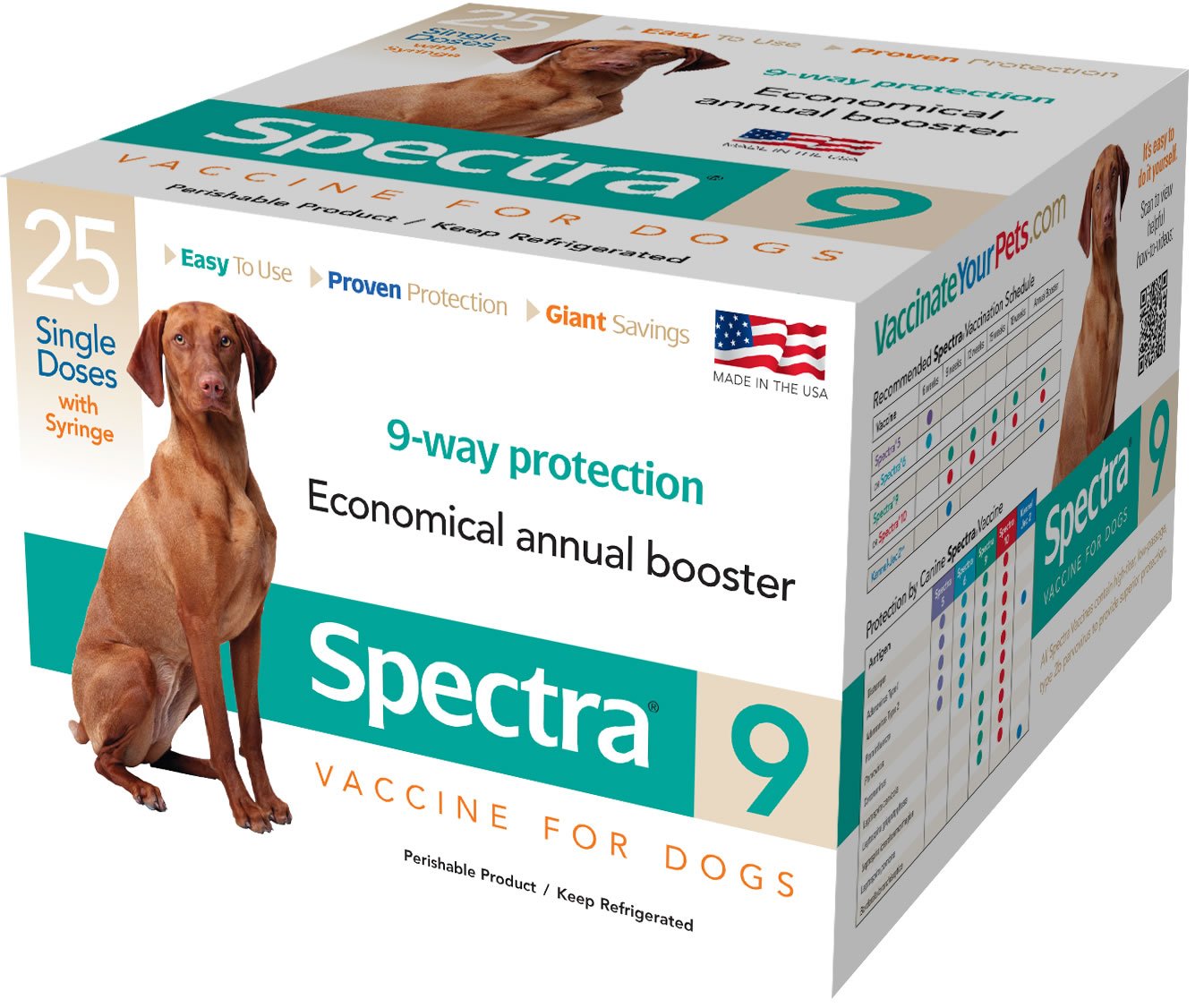
Image Source: www.durvet.com
Canine Spectra 9 Dog Vaccine: What You Need to Know
What is Canine Spectra 9? It is a combination dog vaccination that helps protect puppies and dogs from nine dangerous diseases in one shot. Does my puppy need it? Often, yes, especially as part of their puppy shots series, though a vet decides based on your dog’s needs. Who can get Canine Spectra 9? Generally, puppies starting around 6 weeks old and adult dogs needing protection can get this vaccine. This important shot helps shield your dog from severe illnesses like Canine parvovirus and Distemper in dogs.
Deciphering Canine Spectra 9
The Canine Spectra 9 vaccine is a type of “combo” shot. This means it contains parts or weakened forms of several different viruses and bacteria. When a dog gets the shot, their body learns to fight these things. If the dog later meets the real disease, their body remembers how to fight it off.
This vaccine is designed to give wide protection. It covers many core diseases that vets strongly recommend vaccinating against. It also covers some non-core diseases, depending on where you live and your dog’s life.
Diseases Canine Spectra 9 Helps Prevent
Canine Spectra 9 targets a specific set of nine illnesses. Some of these are very well known and feared, like Distemper and Parvovirus. Others, like Leptospirosis and Coronavirus, are also serious but maybe less talked about by dog owners.
Let’s look at each one this vaccine helps guard against:
Distemper in Dogs
Canine Distemper is a severe and often deadly viral disease. It attacks many parts of a dog’s body.
- It hurts the breathing system.
- It hurts the stomach and gut.
- It attacks the brain and nerves.
- Symptoms include fever, cough, snotty nose, vomiting, not eating, and shaky legs.
- Later, dogs might have seizures, paralysis, or twitching.
- There is no cure for Distemper. Vets can only try to help the dog feel better and fight the virus.
- Many dogs who get Distemper do not live. Those who do live might have lasting nerve problems.
The Distemper part of Canine Spectra 9 is a key defense. Getting vaccinated is the best way to keep dogs safe from this terrible illness. It’s often included in the DHPP vaccine, which is part of Spectra 9.
Canine Adenovirus Type 2 (CAV-2)
Canine Adenovirus Type 2 causes breathing problems in dogs. It is one cause of “kennel cough.” Kennel cough makes dogs cough a lot.
- It spreads easily where dogs gather, like parks or boarding places.
- Symptoms include a strong, dry cough, sometimes with gagging.
- It usually is not deadly for adult dogs. But it can be hard on puppies or older dogs.
- CAV-2 is related to Canine Adenovirus Type 1 (CAV-1). CAV-1 causes Infectious Canine Hepatitis, a liver disease. The CAV-2 vaccine in Spectra 9 also gives protection against CAV-1. This is good because CAV-1 is very serious.
Protecting against CAV-2 helps stop kennel cough spread. It also adds vital protection against the more severe liver disease from CAV-1. This is another part often found in the DHPP vaccine.
Canine Parvovirus
Canine parvovirus is a highly contagious virus. It is one of the biggest threats to puppies.
- The virus attacks cells that divide quickly. This means it hits the gut lining and bone marrow hard.
- In the gut, it stops the dog from taking in food and water. It causes severe vomiting and bloody diarrhea.
- In the bone marrow, it stops the body from making white blood cells. White blood cells fight sickness. This leaves the dog open to other problems.
- Symptoms come on fast. They include severe vomiting, bloody diarrhea, not eating, being very tired, and fever.
- Parvo spreads through dog poop. It is very tough and can live on surfaces and in the ground for a long time.
- Puppies get very sick very fast. Without strong vet care, many puppies die from Parvo.
Getting protection against Canine parvovirus is critical for puppies. The Parvo part in Canine Spectra 9 is very important in the puppy shots series.
Canine Parainfluenza Virus
Canine Parainfluenza is another virus that causes breathing problems. It is also a common cause of kennel cough.
- Like CAV-2, it spreads easily among dogs.
- Symptoms are usually a cough. It might happen with other kennel cough bugs.
- It is generally not as serious as Distemper or Parvovirus. But it can make dogs feel bad and spread easily.
Including Parainfluenza in the vaccine helps cut down on kennel cough cases. This is the fourth part often found in the DHPP vaccine. So, the DHPP part of Spectra 9 covers Distemper, Adenovirus (Hep), Parvovirus, and Parainfluenza.
Leptospirosis
Leptospirosis is different from the others. It is caused by bacteria, not a virus.
- It spreads through the pee of infected animals. Wildlife like rats, raccoons, and deer can carry it.
- Dogs can get it by drinking from puddles, ponds, or streams. They can also get it by touching soil or water where infected pee is.
- Symptoms can be different. They might include fever, pain, not wanting to move, not eating, vomiting, diarrhea, and yellow skin/eyes (jaundice).
- Leptospirosis mainly hurts the kidneys and liver. It can cause them to fail.
- This disease can pass from dogs to people. This makes it a public health worry too.
The Leptospirosis vaccine is important in areas where the bacteria are common. Spectra 9 includes protection against specific types of Leptospirosis bacteria (called serovars). A typical Spectra 9 might protect against L. Canicola and L. Icterohaemorrhagiae. Some newer vaccines protect against more types. If you live where Lepto is a risk (near water, wildlife), this part of the vaccine is very valuable.
Canine Coronavirus
Canine Coronavirus is a virus that usually causes mild gut problems in dogs.
- Symptoms include diarrhea, vomiting, and being tired.
- It is generally not as serious as Canine Parvovirus. It is rarely deadly on its own, especially in adult dogs.
- However, if a dog gets Coronavirus at the same time as Parvovirus, it can make the Parvo sickness much worse. This co-infection can be very dangerous.
The Canine Coronavirus vaccine is considered a non-core vaccine by many vet groups. This means not all dogs need it. It is most often given to puppies or dogs in high-risk places. These places include kennels, shelters, or busy dog parks, where sickness spreads fast. Spectra 9 includes this protection. This makes it suitable for puppies getting their first shots, as puppies are more open to both Corona and Parvo.
Why Dog Vaccination Matters Greatly
Getting your dog vaccinated is one of the best things you can do for their health. It does more than just protect your own dog.
- Protects the Individual Dog: The main reason is to keep your dog from getting very sick or dying from preventable diseases. Diseases like Distemper and Parvo are often fatal without vaccination.
- Builds Immunity: Vaccines train your dog’s immune system. They show it what the bad bugs look like so it can fight them off later.
- Protects the Community: When many dogs in an area are vaccinated, it is harder for diseases to spread. This is called “herd immunity.” It helps protect dogs who cannot be vaccinated, like very young puppies or dogs with certain health problems.
- Saves Money and Heartache: Treating these diseases is very expensive. And it is heartbreaking to see a dog suffer or die from them. Preventing the disease with a shot is much better.
Dog vaccination is a cornerstone of good pet care. It has saved countless dog lives.
The Dog Vaccine Schedule
Vaccines are not a one-time thing. Puppies need a series of shots. Adult dogs need booster shots now and then. The dog vaccine schedule depends on the dog’s age, health, and the type of vaccine used.
Puppies get their first shots when the protection from their mother’s milk starts to fade. This milk (colostrum) gives them temporary defense. But this defense goes away over time.
A typical puppy schedule often starts around 6-8 weeks old. Then, they get more shots every 2-4 weeks until they are about 16 weeks old. This is because puppies’ immune systems are still growing. Also, the mother’s protection can stop vaccines from working fully if given too early. A series of shots makes sure the vaccine “takes” and builds strong immunity.
Canine Spectra 9 is often used in this puppy shots series.
Here is a general idea of a puppy vaccine schedule using a vaccine like Spectra 9:
| Age of Puppy | Typical Vaccine Given | Notes |
|---|---|---|
| 6-8 weeks | Spectra 9 (or similar combination) | Start of the puppy series. |
| 10-12 weeks | Spectra 9 (or similar combination) | Second shot in the series. |
| 14-16 weeks | Spectra 9 (or similar combination) + Rabies | Last shot in the core series. Rabies starts. |
Important: This is just a general guide. Your vet will make the best schedule for your puppy. Factors like your puppy’s age when you get them, their health, and where you live play a role.
After the puppy series, dogs need booster shots.
- Often, a booster for the diseases in Spectra 9 (like DHPP and Lepto) is given one year after the last puppy shot.
- After that, DHPP boosters are often given every 3 years.
- Leptospirosis and Coronavirus boosters might be needed every year, especially if the dog is at high risk.
Again, your vet will tell you the best schedule for your adult dog’s booster dog vaccination.
Is Canine Spectra 9 the Right Fit?
Choosing the right vaccine depends on many things. Canine Spectra 9 offers broad protection. But is it right for every dog?
- Puppies: Spectra 9 is a good choice for many puppies. It covers the most important diseases (DHPP, Parvo) and adds protection for Lepto and Corona, which can be risks for young dogs.
- Adult Dogs: For adult dogs needing boosters, a vet might suggest Spectra 9. Or they might recommend just a DHPP vaccine, a Leptospirosis vaccine, or other shots based on the dog’s risk.
- Location: If you live in an area with many Leptospirosis cases, the Lepto part of Spectra 9 is very helpful. If Coronavirus is spreading in kennels nearby, the Corona part adds value.
- Lifestyle: Does your dog go to dog parks? Boarding kennels? Hike in wet areas? These things raise the risk for certain diseases. A dog who stays home and does not meet other dogs or wildlife might not need all parts of Spectra 9.
- Health: A dog must be healthy to get vaccinated. If a dog is sick, the vaccine might not work well. Or it could make them feel worse.
Talking to your vet is key. They know your dog and the risks in your area. They can help you choose the best dog vaccination plan. They might suggest Spectra 9 or a different combination shot.
Possible Vaccine Side Effects Dogs
Vaccines are very safe for most dogs. Millions of dogs get vaccinated each year without problems. But, like any medicine, vaccines can cause side effects. Most vaccine side effects dogs have are minor and do not last long.
Common, mild side effects include:
- Slight pain or swelling: Where the shot was given. It might be a little sore to the touch.
- Low fever: The dog might feel a bit warm or tired.
- Less active: The dog might sleep more or not want to play as much.
- Mild loss of appetite: They might not eat as much for a meal or two.
- Mild sneezing or cough: If the vaccine was given in the nose (not common for Spectra 9, which is usually injected).
These mild signs usually start within a few hours of the shot. They should go away within a day or two. This means the dog’s body is reacting and building defense.
More serious side effects are rare. But it is good to know what to watch for.
- Allergic reaction: This is rare but needs quick vet help.
- Signs include swelling of the face, muzzle, eyelids, or ears.
- Hives (itchy bumps) on the skin.
- Trouble breathing.
- Vomiting or diarrhea.
- Sudden collapse.
- These signs usually happen very fast, within minutes or hours of the shot.
- Lump at the shot spot: A small, firm lump might be felt where the vaccine was given. Most of these are fine and go away. But talk to your vet if it grows, is painful, or does not go away.
- Other issues: Very rarely, some dogs might have other problems like limping or more severe illness.
If you see any signs of a serious reaction, call your vet right away. Do not wait. For mild side effects, just keep an eye on your dog. If you are worried, it is always best to call your vet for advice.
Giving your dog a quiet place to rest after shots helps. Do not plan hard exercise or new stressful things right after vaccinating.
Grasping How Vaccines Work
Vaccines work by showing the dog’s body a safe version of a disease germ. This “safe version” can be:
- A tiny, weak bit of the living germ.
- A killed version of the germ.
- Just a small part of the germ.
When the vaccine goes into the dog, the dog’s immune system sees it as a foreign invader. It starts to build soldiers (antibodies) and memory cells to fight this specific invader.
- Antibodies: These are like tiny defense missiles that attach to the germ and help the body destroy it.
- Memory cells: These cells remember what the germ looks like. If the real, harmful germ enters the body later, the memory cells quickly tell the immune system to make lots of antibodies fast.
This quick, strong response often stops the real disease from taking hold or makes the sickness much less severe.
For example, the part of Canine Spectra 9 that protects against Canine parvovirus contains weakened or killed Parvo virus. When the puppy gets the shot, their body makes antibodies against Parvo. If they later meet the live Parvo virus, their body is ready to fight it off fast.
Vaccines do not cause the disease. They just trick the body into thinking it has the disease so it can build protection.
Interpreting Vaccine Effectiveness
Vaccines are very effective, but they are not 100% perfect for every single dog.
- Most dogs get strong protection: The large majority of dogs who get the full vaccine series will be well protected.
- Some dogs may not respond fully: A small number of dogs might not build a strong enough immune response. This can happen if they were sick when vaccinated, have a weak immune system, or if their mother’s antibodies blocked the vaccine.
- Vaccinated dogs can still get sick (rarely): In very rare cases, a vaccinated dog might still catch the disease. However, the sickness is usually much less severe than it would have been without the vaccine. The vaccine helps their body fight harder.
This is why vaccinating many dogs is so important (herd immunity). If most dogs are protected, the chance of any dog, even one who didn’t respond perfectly, meeting the disease is much lower.
Factors that can affect how well a vaccine works include:
- The dog’s age and health.
- The specific vaccine type and how it was stored and given.
- Whether the full series of shots was given, especially for puppies.
Following the vet’s dog vaccine schedule is the best way to help the vaccine work well.
Telling Canine Spectra 9 Apart
Canine Spectra 9 is a combination vaccine. It puts many different protections into one shot. This is different from getting separate shots for each disease.
- Spectra 9 vs. DHPP: A standard DHPP vaccine protects against four core viral diseases: Distemper, Adenovirus (Hepatitis), Parvovirus, and Parainfluenza. Canine Spectra 9 includes all of these. But it adds protection against Leptospirosis (usually 2 types) and Canine Coronavirus (often 2 types). So, Spectra 9 is basically DHPP + Lepto + Corona (certain strains).
- Spectra 9 vs. Other Combos: There are many other combo vaccines. Some might be just DHPP. Some might be DHPP + Lepto (4 types). Some might add other things like Bordetella (for kennel cough, but a different bug).
Choosing Spectra 9 or a different vaccine depends on the specific risks your dog faces.
- If Lepto and Corona are common where you live or go with your dog, Spectra 9 offers valuable extra protection over just a DHPP vaccine.
- If Lepto and Corona are very rare risks, a vet might suggest just DHPP or DHPP + other needed shots.
Again, your vet is the best guide for picking the right vaccine product. They will consider what diseases are in your area and your dog’s life.
Keeping Vaccine Records
Getting your dog vaccinated is important. Keeping track of those shots is also very important.
- Proof of Vaccination: You will need proof of vaccination for many things. This includes boarding kennels, doggy daycare, grooming, training classes, and travel.
- Knowing When Boosters are Due: Records show when the next shots are needed. This helps you keep your dog’s protection strong over time according to the dog vaccine schedule.
- Health History: Vaccine records are part of your dog’s full health history. They help your vet see what protection your dog has.
- Lost Dog: If your dog gets lost and is found, vaccine records can help people caring for them know their health status.
Your vet clinic will give you a record of the vaccines given. Keep this paper safe. You might also be able to get digital copies. It is a good idea to keep your own copy at home too.
Considering the Puppy Shots Journey
Getting puppy shots is a big part of welcoming a new puppy. It is a busy time with vet visits. The goal of the puppy vaccine series, often including shots like Canine Spectra 9, is to safely build the puppy’s own strong defense.
- Start Early: The series usually starts around 6-8 weeks.
- Follow the Schedule: Each shot in the series builds on the last one. Missing a shot or getting them too far apart can mean the puppy does not get full protection.
- Limit Exposure: While the puppy is getting shots, their protection is building but not yet complete. Be careful about taking them to places where many dogs gather, especially unknown dogs or places that are not clean. This includes busy pet stores, dog parks, or rest stops. Stick to safe places with known, vaccinated dogs.
- Finish the Series: The last shot in the core series (usually around 16 weeks) is very important. Vets often advise waiting a week or two after the final shot before letting the puppy go everywhere.
Canine Spectra 9 is designed to offer broad protection during this critical puppy stage. It helps guard against the major puppy killers like Canine parvovirus and Distemper in dogs early on.
Weighing the Benefits and Risks
Like any medical choice, deciding on dog vaccination involves thinking about benefits and risks.
- Benefits: The benefits of vaccinating dogs against diseases like Distemper, Parvo, and Leptospirosis are huge. You prevent suffering, save lives, and stop diseases from spreading.
- Risks: The risks are mostly the chance of mild vaccine side effects dogs might have. Serious side effects are very rare.
For most dogs, the huge benefits of being protected from deadly diseases far outweigh the small risk of a bad reaction to the shot. Diseases like Canine parvovirus and Distemper in dogs have very high death rates. Vaccination gives dogs a chance to live healthy lives.
Frequently Asked Questions (FAQ)
Here are answers to common questions about Canine Spectra 9 and dog vaccines.
Is Canine Spectra 9 a core vaccine?
Canine Spectra 9 includes core vaccine components (Distemper, Adenovirus, Parvovirus, Parainfluenza – the DHPP vaccine part). It also includes non-core components (Leptospirosis, Canine Coronavirus). So, parts of it are core, and parts are non-core. Vets decide if the non-core parts are needed based on the dog’s risk.
Does Spectra 9 need boosters?
Yes, puppies need a series of Spectra 9 shots. Adult dogs will need booster shots after their initial series to keep their protection strong. Your vet will tell you the right time for boosters.
Can older dogs get Spectra 9?
Older dogs can often get vaccinated if they are healthy. It helps keep their protection up. However, an older dog who has had regular shots their whole life might not need the full Spectra 9 vaccine. They might just need specific boosters like the core DHPP every 3 years or Lepto yearly if needed. Your vet will advise based on the dog’s history and health.
What if I miss a puppy shot in the Spectra 9 series?
If you miss a shot, call your vet right away. They will tell you the best next step. Often, you do not have to start the whole series over. But you need to get the next shot as soon as possible to keep building immunity. Missing a shot means your puppy is not fully protected for longer.
Are there different types of Leptospirosis in Spectra 9?
Yes, Canine Spectra 9 typically includes protection against two specific types (serovars) of Leptospirosis bacteria, often L. Canicola and L. Icterohaemorrhagiae. Some other Lepto vaccines protect against four serovars. If Lepto is a high risk in your area, your vet might discuss which Lepto vaccine is best.
Why does Spectra 9 include Coronavirus if it’s often mild?
While Coronavirus is usually mild on its own, it can make sickness from Canine parvovirus much, much worse. Puppies are at high risk for Parvo. Including Coronavirus protection helps guard against this dangerous co-infection in young, vulnerable dogs.
Is Spectra 9 available everywhere?
Canine Spectra 9 is one brand of combination vaccine. Similar vaccines from other companies exist. Your vet will use the vaccine products they trust and stock. The specific brand name might be different, but the protection offered can be very similar.
Getting your dog vaccinated with vaccines like Canine Spectra 9 is a key part of responsible pet care. It helps protect them from serious diseases and live a long, healthy life by your side. Always talk to your vet about the best vaccine plan for your dog.