
Can you use regular clippers on a dog? No, using regular human hair clippers on your dog is generally not a good idea and can cause problems for both you and your pet.
Grooming your dog at home can feel like a good way to save money and bond with your furry friend. Many people think about using tools they already own, like human hair clippers. They look similar to dog grooming clippers. But there are big differences. Using the wrong tool can hurt your dog. It can also make grooming much harder than it needs to be. Let’s look closely at why human clippers are not the right tool for grooming dogs and what you should use instead.
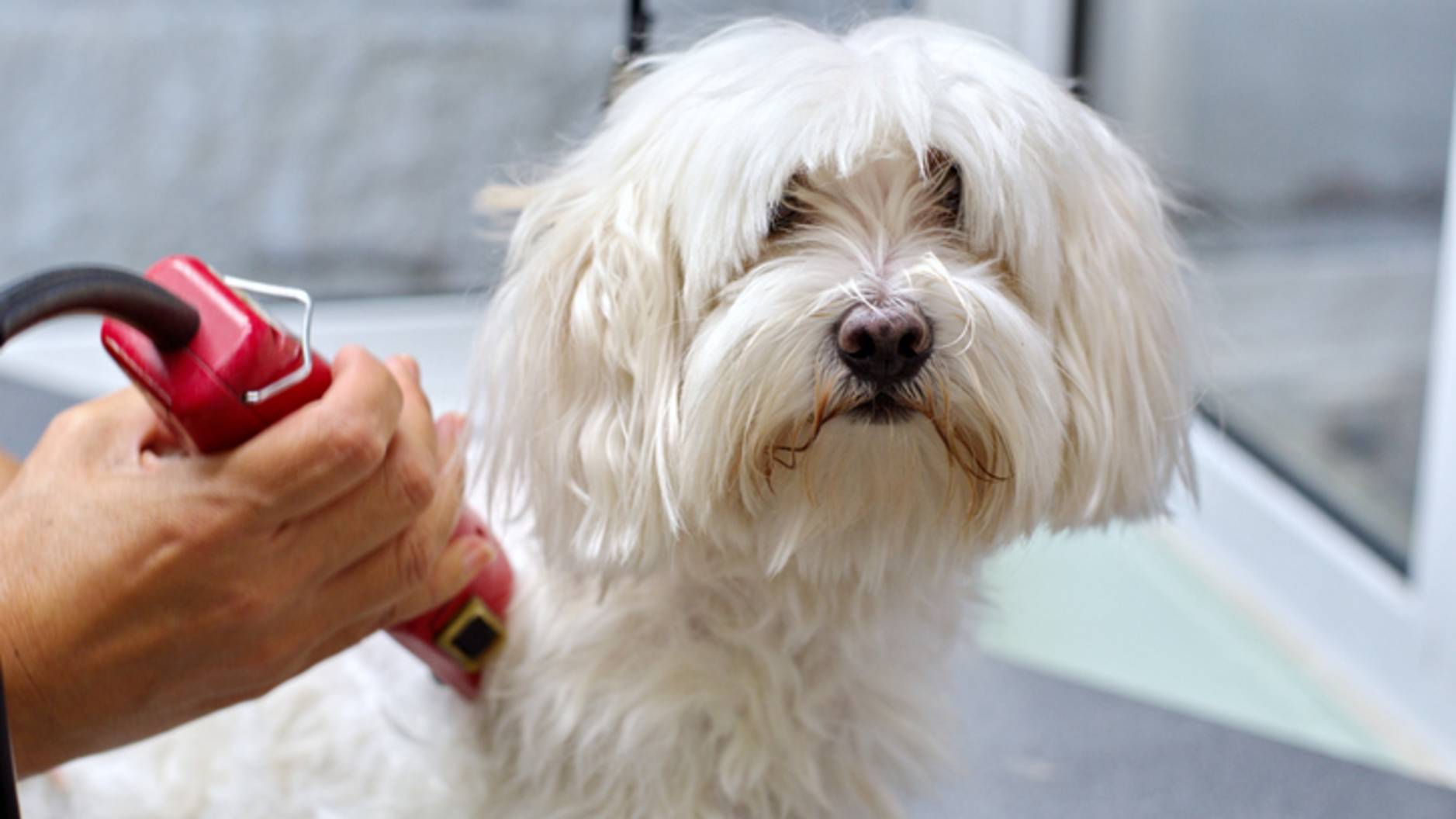
Image Source: cdn.mos.cms.futurecdn.net
Seeing the Difference Between Dog and Human Clippers
Dog grooming clippers and human hair clippers are made for different jobs. Think of it like using a saw made for wood on metal. It might work a little, but it won’t work well. It could also break the saw or the metal. Clippers are similar.
Here are the main ways dog grooming clippers are not like human hair clippers:
- Motor Strength: Dog fur is usually thicker and more dense than human hair. Many dogs also have different types of fur, like soft undercoats and rough topcoats. Professional dog clippers have stronger motors. This power helps them cut through thick, tough dog fur without slowing down or getting stuck. Human hair clippers have weaker motors. They struggle with thick dog fur. They can pull the hair instead of cutting it. This is painful for your dog.
- Blade Material and Design: Dog clipper blades are made from special hard metals. They are designed to handle the demands of cutting through animal fur. Dog fur can be gritty or dirty, which wears down blades fast. Dog clipper blades are stronger and stay sharp longer when cutting fur. Blades on human hair clippers are often made of softer metal. They are not designed for thick, dirty fur. They can get dull quickly. A dull blade pulls hair. This hurts the dog. Dog clipper blades also often have special coatings or designs to help them stay cooler.
- Heat Build-up: All clippers make heat from the motor and the blades rubbing together. Dog grooming clippers are built to handle more heat. They often have better cooling systems. Dog clipper blades are also designed to lessen heat. Human skin is less sensitive to heat than a dog’s skin. A dog’s normal body temperature is higher than a human’s. Their skin can get burned by hot clippers more easily. Human hair clippers and their blades heat up faster. They get hotter because their motors work harder on dog fur. They don’t have good cooling features for this kind of work. Overheating dog clippers (even good ones can get hot) is a risk, but it is much higher with human clippers on a dog.
- Noise Level: Dogs hear much better than people. Loud noises can scare them. Professional dog clippers are often made to be quieter. This helps keep dogs calm during grooming. Human hair clippers can be much louder. The loud noise can stress your dog. A stressed dog moves around more. This makes cutting dog hair with clippers much harder and more dangerous.
- Vibration: Strong vibrations can also bother dogs. Dog grooming clippers are often made to vibrate less. This helps dogs feel more comfortable while you are grooming dog at home with clippers. Human hair clippers might vibrate more, adding to the dog’s stress or fear.
Facing the Risks Using Human Clippers on Dogs
Using human hair clippers on dog fur is not just about the clippers not working well. There are real dangers for your dog. These risks using human clippers on dogs are why experts tell you not to do it.
Skin Problems and Hurts
- Pulling Hair: As we said, human clippers have weaker motors and less sharp blades for dog fur. When they meet thick or matted fur, they don’t cut cleanly. They grab and pull the hair instead. Imagine someone pulling your hair with tweezers repeatedly. That’s what it feels like to your dog. This is very painful.
- Cuts and Nicks: Dull blades or blades not made for thick fur can get stuck. When the clippers stop moving smoothly, they can drag across the skin. This can cause cuts, nicks, or scrapes on your dog’s delicate skin. Dog skin is thinner in many places than human skin.
- Clipper Burn: This is a serious risk with human clippers. Clippers heat up. Human clippers heat up fast when cutting tough dog fur. The metal blades get hot. Hot blades on a dog’s skin cause a burn. This is called clipper burn. It looks like red, irritated skin. It can be painful. In bad cases, it can cause blisters or scabs. Dogs often try to scratch or bite the burn, which can make it worse and cause infection. This is a big problem with overheating dog clippers, especially human ones.
- Skin Irritation: Even if you don’t cause a full burn, the pulling and the wrong type of blade can irritate the skin. The skin can become red, itchy, or bumpy. This makes the dog uncomfortable.
Bad Grooming Results
Using the wrong tools means you likely won’t get the look you want.
- Uneven Cut: Human clippers struggle with dog fur consistency. You might get patches that are too long, too short, or just messy. The weaker motor might stop working in thick spots, leaving them untouched.
- Damaged Coat: Pulling and improper cutting can damage the dog’s coat over time. It can cause breakage or affect how the fur grows back.
- Missed Spots: It’s harder to get a clean, even cut, so you might miss areas, leaving them matted or too long.
Affecting Your Dog’s Behavior
A bad grooming experience can scare your dog.
- Fear of Grooming: If grooming is painful because the clippers pull hair or burn the skin, your dog will remember it. They might become very scared of cl clippers, the grooming area, or even just being touched in certain ways. This makes future grooming much harder. Your dog might fight, bite, or try to run away.
- Stress and Anxiety: The loud noise and vibration of human clippers can cause stress. Combine this with pain or heat, and grooming becomes a very negative event. Stress can affect your dog’s health and well-being.
Grappling with Dog Clipper Blades
The blades are a key part of why clippers work well or not. Dog clipper blades are different from human ones in important ways. Knowing about dog clipper blades helps you see why you need the right tool.
Blade Material
- Steel: Many dog clipper blades are made of steel. Stainless steel resists rust. High carbon steel stays sharp longer but needs care to avoid rust.
- Ceramic: Some blades have a ceramic cutter part. Ceramic stays cooler than metal. This helps reduce overheating dog clippers. Ceramic blades also stay sharp for a long time. However, they can break if dropped.
Human hair clippers often use steel, but it might not be the same hard type used for dogs. They rarely use ceramic because human hair doesn’t cause blades to heat up as much as dense fur does.
Blade Sizes (Cut Length)
Dog clipper blades come in many sizes. Each size leaves the fur a different length. The lower the number, the shorter the cut.
- Blade 10: Leaves hair very short, about 1/16 inch. Good for bellies, sanitary areas, or very short overall cuts on certain breeds.
- Blade 7F or 5F: Leave fur longer, around 1/8 to 1/4 inch. Good for body cuts on many breeds. The “F” means “Finish” – these blades have teeth that are spaced to give a smoother cut without needing a second pass.
- Blade 4F or 3F: Leave fur longer still, around 3/8 to 1/2 inch. For longer styles.
- Skip Tooth Blades (e.g., 7 Skip, 5 Skip): These blades have teeth that are not evenly spaced. They are designed to feed thick or matted fur into the cutting part. But, they are riskier for beginners or on loose skin. The uneven teeth can catch skin more easily. It’s generally safer to use F (Finish) blades or comb attachments.
Human hair clippers also have blades, but the numbering system and the cut lengths might be different. More importantly, the design of the teeth is different. Human blades are made for fine strands, not thick clumps of fur. Using human blades on a dog might not only give the wrong length but also fail to feed the fur into the cutter correctly, leading to pulling.
Using Comb Attachments
Both human and dog grooming clippers can use comb attachments (sometimes called guard combs). These plastic or metal combs clip onto the blade. They lift the fur and the blade cuts against the comb. This lets you leave the fur much longer than the blade alone would allow.
- Metal Combs: Generally better for dogs. They slide through fur more easily and don’t bend as much as plastic ones.
- Plastic Combs: Can work on some dog coats, but might snag in thicker fur.
While you can put comb attachments on human clippers, the weaker motor might not have enough power to push the blade and the comb through the fur, especially if the fur is thick or has any mats. This again leads to pulling and a bad experience. Good professional dog clippers with quality metal comb attachments are the best way to get longer cuts safely at home.
Interpreting the Need for Professional Dog Clippers
After looking at the difference between dog and human clippers and the risks using human clippers on dogs, it’s clear why professional dog clippers are recommended for grooming dog at home with clippers. They are an investment, but they make the job safer, easier, and less stressful for everyone.
What makes clippers “professional” or suitable for dogs?
- Powerful Motor: Look for terms like “heavy-duty,” “2-speed,” “5-speed,” or mentions of RPM (revolutions per minute). Higher speeds or multiple speeds mean more power to get through tough spots. Rotary motors are common in good dog clippers because they are powerful and reliable.
- Detachable Blades: Most good dog clippers have blades that easily snap on and off. This is important for a few reasons:
- Cleaning: You can remove the blade to clean out hair and debris stuck underneath.
- Changing Lengths: You can quickly switch between different dog clipper blades to get different lengths or tackle different areas (e.g., a short blade for sanitary areas, a longer one for the body).
- Sharpening/Replacing: Blades get dull over time. You can send detachable blades to be sharpened or buy new ones instead of replacing the whole clipper.
- Cooling: You can swap a hot blade for a cool one if the blade starts to overheating dog clippers during a long grooming session.
- Durability: Professional dog clippers are built to last. They are often made with stronger materials and designed for heavy use.
- Designed for Animals: These clippers are specifically made considering animal fur types, skin sensitivity, and noise tolerance.
You don’t have to buy the most expensive clippers on the market to get a good result grooming dog at home with clippers. There are many excellent, reliable clippers for home groomers that are a step up from basic human clippers and much safer for your pet. Look for brands known for dog grooming clippers.
Steps for Grooming Dog at Home with Clippers Safely
Once you have the right tools (professional dog clippers and good quality dog clipper blades), you can start cutting dog hair with clippers. Here are key steps and tips for a safer and better experience.
1. Prepare Your Dog and the Fur
This is maybe the most important step.
- Brush Thoroughly: Before using clippers, brush your dog’s coat completely. Get out all tangles, knots, and mats. Clippers cannot cut through mats. Trying to clip mats will hurt your dog, pull their skin, and can break your clippers. If there are mats you cannot brush out, you might need to carefully cut them out with scissors first (point the scissors away from the dog’s skin!) or use a special mat splitter tool. Brushing also helps remove loose hair and dirt.
- Bathe and Dry: Clean fur is easier to cut. Bathing removes dirt and grit that can dull dog clipper blades fast. Make sure your dog is completely dry before clipping. Clippers don’t work well on wet or damp fur, and it can damage the blades. Use a good dog shampoo and conditioner, rinse well, and towel dry, then air dry or use a dog hair dryer.
- Tire Them Out: A tired dog is calmer. Take your dog for a long walk or play session before you plan to groom.
- Find a Good Spot: Choose a place that is well-lit and easy to clean. A non-slip surface is best for your dog to stand on.
2. Introduce the Clippers
Let your dog get used to the clippers before you turn them on or touch them to your dog.
- Let your dog see and sniff the clippers when they are off. Give treats.
- Turn the clippers on away from the dog at first so they hear the sound. Give treats.
- Hold the clippers (while off) near your dog’s body. Give treats.
- Hold the clippers (while on) near your dog’s body. Give treats.
- Briefly touch the back of the clippers (while on, blade not touching) to your dog’s body so they feel the vibration. Give treats.
- Do this over several days or short sessions. Go slow. Make it a positive thing.
3. Start Clipping
- Use the Right Blade/Comb: Select the dog clipper blades size or comb attachment you need for the area you are clipping. Start with a longer comb if you are unsure, you can always go shorter.
- Hold Skin Tight: Use your free hand to gently pull the skin taut (tight) in the area you are clipping. This makes the surface flat and helps prevent pulling the skin into the blade, reducing the risk of cuts and nicks.
- Move Smoothly: Run the clippers smoothly over the fur. Go against the direction the hair grows for a shorter cut. Go with the direction for a slightly longer, more natural finish (depending on the blade/comb).
- Check Blade Heat Often: This is very important to prevent clipper burn. Touch the blade to the back of your hand or your inner wrist every few minutes. If it feels hot to you, it is too hot for your dog’s skin.
- Manage Overheating Dog Clippers: If the blade gets hot, stop immediately.
- Option 1: Have a second, cool blade ready to snap on.
- Option 2: Use a clipper blade coolant spray. These sprays cool, clean, and lube the blade. Spray it on while the clippers are running (point away from the dog!). Wipe off excess.
- Option 3: Turn the clippers off and let the blade cool down naturally or put it on a cool surface (like a metal tray).
- Option 4: Take a break.
- Never put a hot blade back on your dog.
- Work in Sections: Don’t try to do everything at once. Work on one area, then take a break. Keep sessions short, especially when your dog is new to cutting dog hair with clippers.
- Be Careful Around Sensitive Areas: Pay extra attention around ears, tail, private parts, paw pads, and skin folds. Use smaller blades or even scissors (with blunt tips, pointing away from the dog) for these spots if you are not confident with clippers.
- Watch Your Dog: Look for signs of stress, pain, or discomfort (panting, yawning, lip licking, trying to get away). If your dog is very stressed, stop and try again later.
- Give Praise and Treats: Reward your dog for calm behavior during and after grooming.
What If You Already Used Human Clippers?
If you’ve already used human hair clippers on your dog, don’t panic, but watch your dog closely.
- Check their skin for redness, irritation, or cuts. If you see any, apply a pet-safe antiseptic spray. Keep an eye on it. If it looks bad or doesn’t heal, see a vet.
- Feel the clipped areas. Are they uneven? Is the fur pulled?
- Note your dog’s reaction. Are they itching or licking the clipped spots a lot? Are they now afraid of the clippers?
- Decide if you want to continue grooming dog at home with clippers. If so, invest in professional dog clippers designed for dogs. It will be a much better experience next time.
- If the experience was very bad for your dog, or if you are not comfortable, consider taking your dog to a professional groomer. They have the right tools and skills to handle different coat types and temperaments.
Weighing the Options: A Quick Look
Here is a simple table showing the main points of difference between dog and human clippers:
| Feature | Human Hair Clippers | Dog Grooming Clippers |
|---|---|---|
| Motor | Weaker | Stronger, often multi-speed |
| Blades | Softer metal, designed for fine hair | Harder metal (steel/ceramic), for fur |
| Blade Design | Different tooth pattern | Designed to feed thicker fur cleanly |
| Heat | Heats up faster on dog fur | Designed to manage heat better |
| Noise/Vibration | Often louder/more vibration | Often quieter/less vibration |
| Use Case | Human hair only | Animal fur (thicker, denser) |
| Risks on Dogs | High (pain, cuts, burns, fear) | Lower (with proper use) |
| Cost | Usually less expensive | Usually more expensive (initial) |
Fathoming the Cost
Professional dog clippers do cost more than human ones upfront. But think about what you are paying for:
- Safety for your dog: Reducing the risk of painful burns, cuts, and pulled hair.
- Better results: A smoother, more even clip.
- Less stress: For both you and your dog. Quieter clippers mean a happier dog.
- Durability: Good dog clippers last a long time if cared for.
- Blade options: Access to many dog clipper blades for different lengths and coat types.
When you consider the potential vet bills from clipper burn or the cost of a professional groomer to fix a bad home job or deal with a suddenly clipper-phobic dog, the cost of proper dog grooming clippers seems more reasonable. It’s an investment in your dog’s comfort and safety, and your own peace of mind when grooming dog at home with clippers.
Summary
Using human hair clippers on a dog is risky. They aren’t built for dog fur. They can cause pain, skin burns, cuts, and make your dog afraid of grooming. Dog grooming clippers are stronger, cooler, quieter, and have special dog clipper blades made for animal fur. Investing in professional dog clippers for grooming dog at home with clippers is the safer, kinder, and more effective way to keep your dog looking good. Always prepare the fur by brushing and bathing, and always check blade temperature often while cutting dog hair with clippers. Your dog’s comfort and safety should always come first.
Frequently Asked Questions (FAQ)
h4 Is it ever okay to use human clippers on a dog?
Generally, no. While you might get away with it on a dog with very fine, thin hair (like a Poodle mix with a specific coat type), the risks using human clippers on dogs are still present. The motor is weaker, they heat up faster (overheating dog clippers is a big risk), and the blades are not made for fur. It’s much better to use clippers designed for dogs.
h4 What happens if I use human clippers on a dog with mats?
It will likely be very painful for your dog. Human hair clippers will pull and snag on mats instead of cutting through them. This can cause severe pain, skin irritation, and maybe cuts or burns as you struggle to get through. Mats need to be carefully removed with scissors or a mat splitter before clipping, or by a professional groomer.
h4 My human clippers came with plastic comb attachments. Can I use those with the human clippers on my dog?
Putting comb attachments on human hair clippers might seem like a way to get a longer cut, but the weak motor will still struggle to push the blade and comb through dog fur. This can lead to pulling. Also, the plastic combs on human sets might not be strong enough for thick dog fur and can bend, leading to an uneven cut. It’s better to use good quality metal comb attachments with professional dog clippers.
h4 How do I know if my dog clippers are getting too hot?
Touch the blade to the back of your hand or your inner wrist every few minutes. If it feels warm or hot to your touch, it’s too hot for your dog’s skin. Dogs have a higher body temperature than humans, so what feels warm to you might be very hot to them. Always stop and cool the blade down using a coolant spray, by swapping blades, or taking a break. This prevents overheating dog clippers and clipper burn.
h4 What is the best type of blade for cutting dog hair with clippers?
The best dog clipper blades depend on the dog’s coat type and the desired length. For most home groomers starting out, a #10 blade is good for tricky areas (sanitary, belly, paw pads), and a #7F or #5F blade is good for body work on many medium-length coats. Using F (Finish) blades or quality metal comb attachments over a #10 or #30 blade is generally safer than using skip-tooth blades if you are not experienced. Ceramic blades stay cooler, which helps avoid overheating dog clippers.
h4 My dog is very scared of clippers. What should I do?
Fear is often caused by bad past experiences (like pain or heat) or not being introduced properly. Go very slow. Follow the steps for introducing the clippers calmly, using lots of treats and praise. Keep sessions very short, maybe only a few minutes at first, clipping just a small area. If your dog is extremely fearful or aggressive about clippers, you might need help from a professional groomer or a vet behaviorist. Using quieter professional dog clippers helps a lot compared to noisy human hair clippers.
h4 How often should I groom my dog with clippers?
This depends on your dog’s breed, coat type, and how fast their hair grows. Some dogs need clipping every 4-6 weeks, others only a few times a year. Keep an eye on their coat. If it starts to mat easily or looks shaggy and uncomfortable, it might be time for a clip. Regular brushing between clipping sessions helps keep the coat healthy and makes the next grooming easier.