
Why Can You Use Human Hair Clippers On A Dog? (Spoiler: No)
Can you use human hair clippers on a dog? No. This is a common question, and the short answer is a clear no. Human hair clippers are not made for dog hair. Using them can hurt your dog and damage the clippers. Dog hair is very different from human hair. Dog grooming needs special tools for good reason.
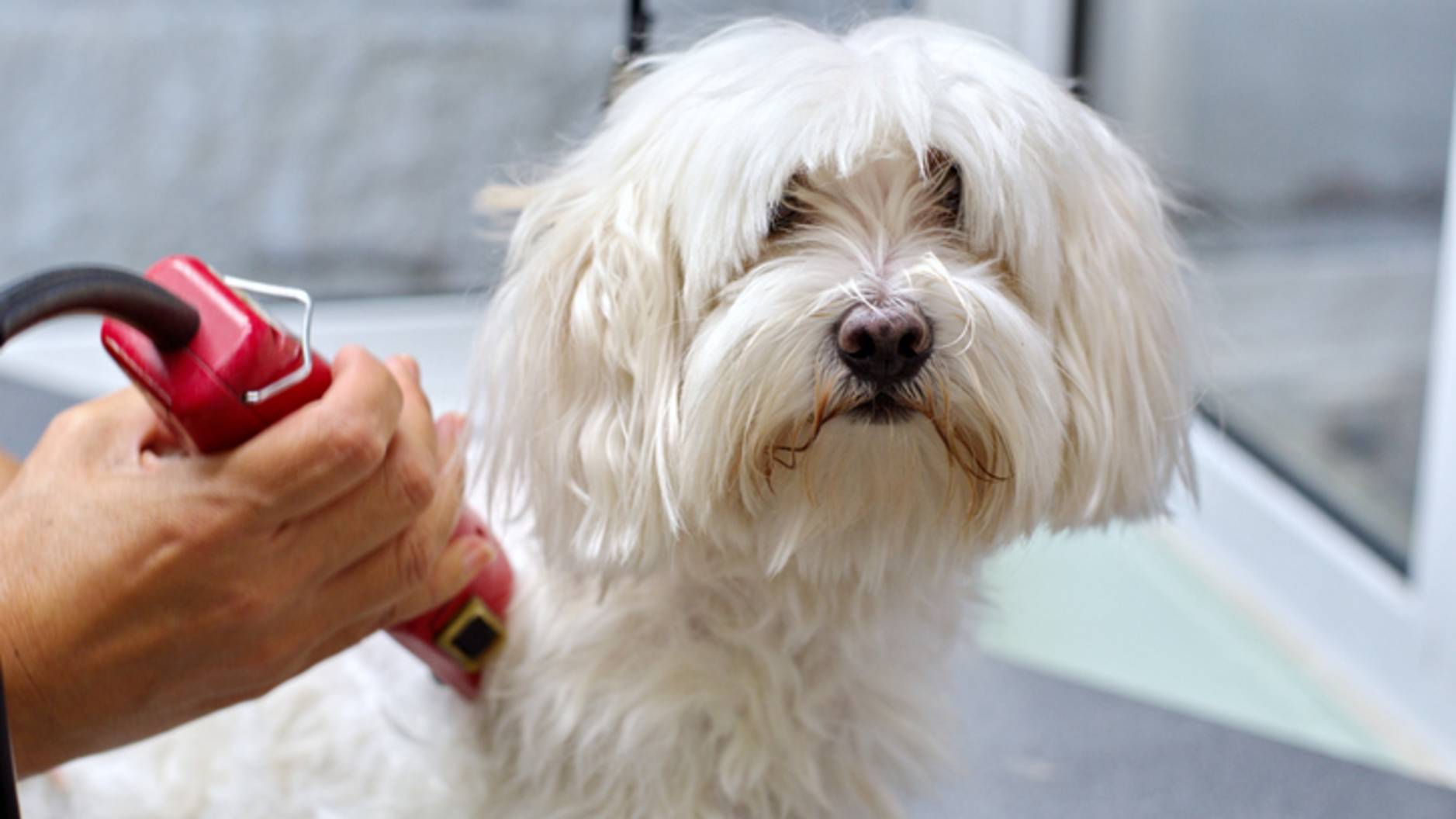
Image Source: cdn.mos.cms.futurecdn.net
Why Human Clippers Do Not Work for Dogs
You might think clippers are all the same. They are not. Human hair clippers and dog hair clippers are built for different jobs. This matters a lot for your dog’s safety and comfort.
Hair Differences: Why They Matter
Human hair is fine and grows from single follicles. It is often straight or wavy. We cut it wet or dry, usually for style.
Dog hair is another story. Dogs have coats, not just hair. A dog’s coat is thick. It can have two layers. The outer layer is coarse and guards against weather. The inner layer is soft and acts as insulation. This double coat makes a big difference.
- Density: Dog coats are much denser. They have many more hairs per square inch than human heads.
- Texture: Dog hair can be soft, wiry, curly, or coarse. It can also be very different from breed to breed.
- Growth Pattern: Dog hair grows in many directions. It often mats, especially in certain areas.
These differences mean human clippers cannot cut dog hair well. They pull, snag, and get stuck. This causes pain for your dog. It also makes grooming a bad experience.
Blade Design and Material
The blades are the most important part of any clipper. They are where human and dog clippers differ most.
Pet Hair Clipper Blades: Built for Toughness
- Wider Teeth: Blades for dogs have wider spaces between the teeth. This lets thick dog hair pass through easily. It stops hair from packing in and jamming the blades.
- Stronger Material: Pet hair clipper blades are often made of durable steel or ceramic. These materials can stand up to the tough job of cutting coarse dog hair. They stay sharp longer.
- Cooling Features: Some blades have special coatings to reduce heat. This helps keep the blades cool during long grooming times.
- Blade Sizes: Dog clippers use a system of numbered blades. Each number cuts the hair to a certain length. For example, a #10 blade cuts very short. A #7F blade leaves a smooth finish. This lets groomers choose the right length for each dog’s coat and style.
Human clippers, on the other hand, have fine, close-set teeth. These are good for neat, sharp cuts on human hair. But on a dog, these fine teeth quickly get clogged. They cannot handle the volume and texture of dog hair. This leads to pulling, irritation, and a poor cut.
When we talk about pet hair clipper blades, we mean blades designed for pets. They are tough. They are made to slice through dense dog hair without hurting the dog. This makes them very different from human hair blades.
Choosing the right blade is key. Dog coat type clippers need blades that match the dog’s specific hair. A Poodle’s curly coat needs different blades than a Golden Retriever’s dense coat. Using the wrong blade makes grooming hard and can hurt the dog.
Clipper Motor Strength for Dogs
A clipper’s motor is its heart. It controls how much power the blades have. This power is vital when cutting through thick dog hair.
Power Matters: A Deeper Look
Human hair is soft and usually easy to cut. So, human clippers do not need very powerful motors. They work well with less power.
Dog hair, especially double coats, is much tougher. It needs a lot of power to cut cleanly. If the motor is weak, the blades slow down. They snag hair instead of cutting it. This is very painful for the dog.
Dog grooming clippers come with different motor types:
- Rotary Motors: These are strong and reliable. They keep a steady speed, even through thick hair. Most professional dog clippers use rotary motors. They are good for all coat types.
- Pivot Motors: These motors offer good power at lower blade speeds. They are often used for light to medium grooming. They work well for fine or medium coats.
- Magnetic Motors: These are simple and fast. They are often found in cheaper clippers. They can get hot quickly and may not be strong enough for very thick coats.
Clipper motor strength for dogs is not a small detail. It is a main factor in good grooming. A strong motor means smooth, quick cuts. This saves time. It also makes the dog more comfortable. Human clippers usually have weak motors. They cannot handle dog coats. They will break down quickly if used on a dog. Or worse, they will cause pain and skin problems.
Overheating Hair Clippers on Dogs
Clippers get hot as they work. This is due to friction between the blades. How hot they get and how fast is a big safety issue for dogs.
Heat Hazard: Why Clippers Get Hot
Human hair clippers heat up fast when cutting thick dog hair. This is because their motors are weak. They have to work too hard. The blades are also not designed to reduce friction on dog hair.
Dogs have sensitive skin. It is also often covered by a dense coat. This coat traps heat. Hot blades can cause severe skin burns on a dog. These burns are painful. They can lead to skin infections. In some cases, a dog might need a vet visit.
Signs of overheating:
- The blades feel warm to your touch.
- The dog starts to pull away, whimper, or show discomfort.
- The dog’s skin looks red after grooming.
Overheating hair clippers on dogs is a real danger. It is not something to ignore. Professional dog groomers always keep an eye on blade temperature. They use special cooling sprays. They also have many blades so they can swap them out when one gets too hot. This lets the hot blade cool down. Home groomers should do the same.
A strong motor in dog clippers helps prevent overheating. A strong motor cuts hair cleanly. This means less friction. Less friction means less heat. Also, dog clippers often have better ventilation. This helps heat escape.
Noise Level Dog Clippers
Noise can be a big problem for dogs. Dogs hear much better than humans. Loud noises can scare them.
Quiet Operation: Calming Canine Concerns
Human clippers can be quite loud. They make a buzzing sound. This sound might not bother us. But for a dog, it can be very scary. A scared dog will move around. This makes grooming harder and more dangerous. It increases the risk of cuts and nicks.
Noise level dog clippers are designed to be quieter. Many good dog clippers use special motors or designs to reduce noise and vibration. This makes the grooming experience less stressful for the dog. A calm dog is much easier and safer to groom.
Tips to help a dog with clipper noise:
- Start Slow: Turn the clippers on near your dog for short times. Do not touch them with the clippers yet. Give treats when they are calm.
- Touch Gently: Once they are used to the noise, touch their body with the clippers (turned off). Reward them.
- Practice Short Sessions: Begin with very short grooming sessions. Build up the time as your dog gets used to it.
- Use Low-Noise Clippers: Invest in clippers known for being quiet.
A bad experience with loud clippers can make a dog fear grooming for life. This makes future grooming sessions a fight. It makes it hard to keep their coat healthy.
The Dangers of Using Human Hair Clippers on Dogs
Using human hair clippers on your dog is a bad idea. It can lead to many problems. These problems range from mild discomfort to serious injury.
Human Hair Clippers Dog Safety: What Can Go Wrong
Here are the main dangers:
- Skin Burns: As mentioned, human clippers overheat fast. Hot blades can burn your dog’s skin. This is very painful. It can lead to blisters and infections.
- Skin Irritation and Razor Burn: Even if not a full burn, human clippers can cause red, irritated skin. This happens when the dull or fine blades drag or pull hair. It can look like a rash and be itchy.
- Painful Pulling and Snagging: Dog hair is dense. Human clippers’ weak motors and fine blades cannot cut through it cleanly. Instead, they yank and pull. This is very painful for the dog. It makes them dislike grooming.
- Cuts and Nicks: A struggling or scared dog is harder to groom. If the clippers snag hair, the dog might jump. This can lead to deep cuts from the blade. This is especially true in sensitive areas like armpits, ears, and paw pads.
- Matted Hair Problems: Clipping matted dog hair is already hard. Matted hair pulls the skin tight. If you use human clippers on mats, they will pull even harder. They will likely get stuck. This can tear the dog’s skin. It is much safer to use strong, professional clippers with special blades for mats, or to seek a professional groomer. Matted hair often needs to be shaved down to the skin by a pro.
- Clipper Damage: Human clippers are not made for tough dog hair. Using them on a dog will quickly dull the blades. It can also burn out the motor. This means you will ruin your clippers. You will then have to buy new ones anyway.
The risks outweigh any small saving. It is best to use the right tools for the job. Your dog’s comfort and safety are worth it.
The Right Tools for the Job: Dog Grooming Clippers
Knowing why human clippers are bad is only part of it. You also need to know what makes good professional pet grooming equipment.
Dog Grooming Clippers Comparison: What to Look For
When choosing dog clippers, think about these features:
| Feature | Human Hair Clippers | Dog Grooming Clippers |
|---|---|---|
| Motor | Weak, low power | Strong, high torque (rotary) |
| Blades | Fine teeth, close set, thin | Wider teeth, durable, coarse |
| Noise Level | Often loud, high pitch | Designed to be quiet, low vibration |
| Heat Buildup | Heats fast, high burn risk | Manages heat better, less risk |
| Hair Type | Fine, soft human hair | Thick, coarse, dense dog coats |
| Safety | High risk of burns, pulls, cuts | Lower risk, designed for pet safety |
| Cost | Generally lower | Generally higher |
| Durability | Not for pet use, will fail quickly | Built to last with proper care |
Here are more details about dog grooming clippers:
- Corded vs. Cordless:
- Corded: Offer constant power. No need to worry about battery life. They are usually more powerful. Good for long grooming sessions.
- Cordless: Offer freedom of movement. Great for dogs who move a lot. Battery life can be an issue for long jobs. Make sure they have a good run time and charge quickly.
- Motor Type: As we discussed, rotary motors are best for most dogs. They provide steady power. Pivot and magnetic motors can work for lighter jobs or fine coats.
- Speed Settings: Some clippers have one speed. Others have two or more. Multi-speed clippers are useful. A lower speed works for delicate areas. A higher speed works for thick body hair.
- Detachable Blades: Most good dog clippers use detachable blades. This makes cleaning and swapping blades easy. It also lets you use different blade lengths. This is a must-have feature for home groomers.
Professional Pet Grooming Equipment: A Closer View
If you plan to groom your dog often, invest in good tools. Brands like Andis, Oster, and Wahl are known for quality. They make clippers, blades, and best dog grooming shears.
- Clippers: Look for heavy-duty, powerful clippers. They should feel solid in your hand. They should also run smoothly.
- Blades: Buy extra blades. Have a few different sizes. This allows you to swap out hot blades. It also gives you choices for different hair lengths.
- Cooling Spray: Always have clipper cooling spray on hand. Use it often during grooming to keep blades cool.
- Clipper Oil: Oil your blades before and after each use. This keeps them running smoothly. It also helps them last longer.
- Cleaning Brush: Use a small brush to remove hair from the blades often.
Proper care of your professional pet grooming equipment makes it last. It also makes grooming safer and easier.
Beyond Clippers: Best Dog Grooming Shears
Clippers do most of the work. But sometimes you need scissors. These are called shears in grooming.
- When to Use Shears: Shears are perfect for sensitive areas where clippers might be too risky. This includes:
- Around the eyes and face.
- Paws, especially between the pads.
- Ears.
- For light touch-ups or shaping.
- Types of Shears:
- Straight Shears: For general cutting and shaping.
- Curved Shears: Great for rounding out paws or shaping topknots.
- Thinning Shears: These have one regular blade and one notched blade. They remove bulk without changing the length too much. Good for blending or thinning thick areas.
- Quality Matters: Just like clippers, quality shears are important. Sharp, well-made best dog grooming shears cut cleanly. Dull shears will bend or pull hair. This is uncomfortable for your dog. They can also slip and cause injury. Look for stainless steel shears. They should feel good in your hand.
Having a good pair of shears in your grooming kit is a smart move. They let you do precise work. They also give you more control in tricky spots.
Choosing the Right Clippers for Your Dog
Knowing what clippers are good is a start. But how do you pick the right ones for your dog?
Matching Clippers to Dog Coat Type
Every dog’s coat is unique. What works for a Poodle won’t work for a Husky.
- Curly/Wool Coats (Poodles, Bichon Frises): These coats grow constantly. They need frequent clipping. You need strong clippers with good rotary motors. Blades like #10, #7F, or #5F work well. They must be able to cut through dense, often knotty, hair.
- Silky Coats (Yorkshire Terriers, Maltese): These coats are fine but can still mat. Clippers with sharp blades work. Blades like #7F or #5F can give a smooth finish.
- Wire Coats (Terriers): Some wire-coated dogs are hand-stripped. If clipped, their coat texture can change. If you must clip, a powerful clipper with a #7F or #5F blade can be used.
- Thick/Double Coats (Golden Retrievers, Huskies, German Shepherds): Many double-coated dogs should not be shaved. Their undercoat helps them stay cool in summer and warm in winter. Shaving can damage the coat. It can also lead to skin problems. For these dogs, grooming is mostly brushing and de-shedding. If clipping is needed for medical reasons, use a strong clipper with a coarse blade. Always talk to a vet or pro groomer first.
- Smooth Coats (Beagles, Pugs): These dogs usually do not need clipping. They benefit from regular brushing.
Always research your dog’s specific breed coat needs. A good groomer can also give advice. They can help you pick the best tools and techniques.
Preparation for Grooming
Grooming is more than just clipping. Proper prep makes the job easier and safer.
- Bathe and Dry: Always bathe your dog first. Use a dog shampoo. Make sure they are completely dry before clipping. Clipping dirty or wet hair can dull blades. It also makes for a messy cut.
- Brush Out Tangles: Before clipping, brush out all tangles and mats. Clippers cannot go through mats safely. Trying to clip mats can hurt your dog. It can also ruin your clippers. If mats are severe, you may need a professional groomer.
- Have a Good Space: Set up a clean, well-lit area. A sturdy grooming table is best. It keeps your dog at a good height. It also has a non-slip surface. Make sure you have all your tools ready: clippers, blades, oil, cooling spray, shears, brush, and treats.
- Stay Calm: Your dog can feel your stress. Stay calm and speak in a soothing voice. Give treats and praise often. This helps your dog feel safe and comfortable.
Frequently Asked Questions (FAQ)
Q1: Can I use scissors instead of clippers?
A1: Yes, you can use scissors for some parts of grooming. For delicate areas like the face, paws, and ears, shears are often safer than clippers. You should use best dog grooming shears that are sharp and designed for pets. Do not use kitchen or craft scissors. They are not sharp enough and can pull hair. For full body trims, clippers are faster and give a more even cut.
Q2: How often should I groom my dog?
A2: It depends on your dog’s breed and coat type. Dogs with constantly growing hair (like Poodles) may need grooming every 4-8 weeks. Dogs with double coats might need regular brushing and de-shedding every few days or weeks. Smooth-coated dogs may only need weekly brushing. Always check your breed’s specific needs. Regular brushing is key for all dogs to prevent mats.
Q3: What if my dog is matted?
A3: Do NOT try to clip severe mats with human clippers. They will pull and hurt your dog. If mats are minor, you might carefully try to separate them with your fingers or a mat splitter. Always brush from the skin out. If mats are tight against the skin or widespread, it is best to take your dog to a professional groomer. They have the right tools and skills to remove mats safely. Sometimes, very matted dogs need to be shaved down completely.
Q4: Do all dogs need clipping?
A4: No. Many dog breeds do not need their hair clipped. This includes most short-haired breeds like Beagles and Labs. It also includes many double-coated breeds like Huskies and German Shepherds, as clipping their coats can actually harm their natural temperature regulation and skin. Clipping is mainly for breeds with continuously growing hair, like Poodles, Bichon Frises, and some Spaniels.
Q5: How do I keep clippers from overheating?
A5: To prevent overheating hair clippers on dogs:
1. Use a strong clipper designed for dogs.
2. Use sharp, clean blades. Dull blades create more friction and heat.
3. Oil your blades before and during use.
4. Use clipper cooling spray often during grooming sessions. Spray the blades directly.
5. Have extra blades. Swap out hot blades for cool ones. Let the hot blade cool down.
6. Take breaks. Let your dog rest and the clippers cool.
7. Do not force the clippers through hair. If they are snagging, the blades are dull or the motor is not strong enough.
In the end, using the right tools makes all the difference. Invest in quality dog grooming clippers. Your dog will thank you for it. They will be more comfortable, and grooming will be a much better experience for both of you.