
You can sue someone when their dog harms your dog if the other dog owner was negligent. This means they did not take proper care to stop the attack. Many states also have dog attack liability laws. These laws make dog owners strictly liable for damages, even if they were not negligent. You may seek veterinary bill compensation dog attack costs, along with other related expenses. This process is part of seeking legal recourse for dog fight harm.
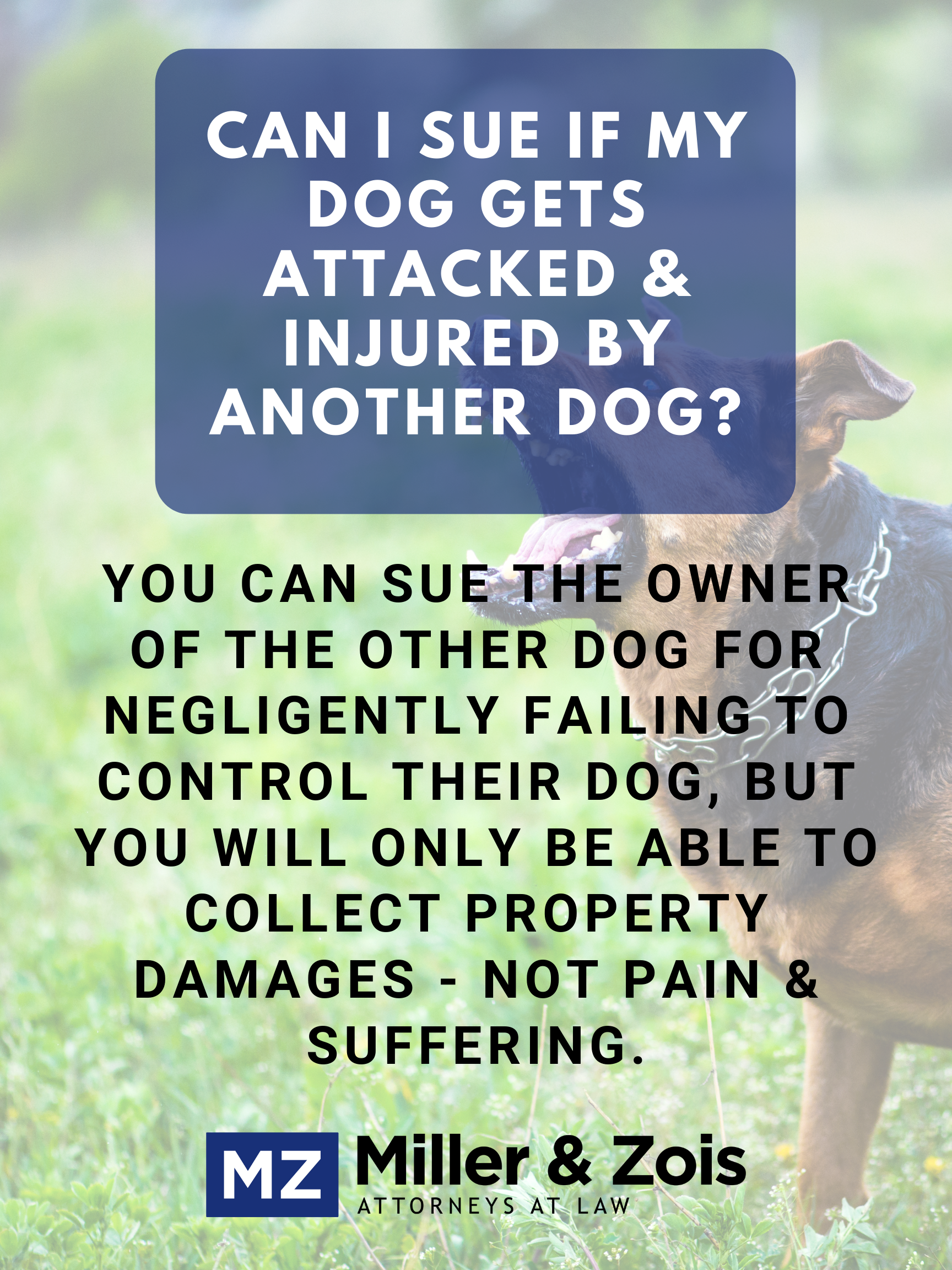
Image Source: www.marylandlawyerblog.com
Grasping Dog Attack Liability Laws
When one dog attacks another, figuring out who is at fault can be tricky. But states have laws that guide these situations. These are often called dog attack liability laws. They help decide if an owner must pay for harm caused by their dog.
There are two main types of laws here: strict liability and the “one-bite rule.”
Strict Liability Laws
Some states use strict liability laws. This means a dog owner is responsible for harm their dog causes. It does not matter if the owner knew their dog was dangerous. It does not matter if the owner tried to stop the attack. If their dog harms your dog, they are liable.
This rule makes it easier to sue. You do not need to show the owner was careless. You only need to show their dog caused the harm. This is a powerful part of dog attack liability laws.
The “One-Bite Rule”
Other states use the “one-bite rule.” This rule says an owner is only responsible if they knew their dog was dangerous. They must have known their dog might bite or attack. This often means the dog must have attacked before. If the dog has a history of aggression, the owner is on notice. If the dog attacks again, the owner is liable.
The “one-bite rule” makes it harder to sue. You must prove the owner knew about their dog’s bad habits. This can be tough to show in court.
State Law Differences
It is key to know your state’s laws. Dog attack liability laws vary a lot. What works in one state might not work in another. Always check your local rules.
Proving Dog Owner Negligence
Even in states with the “one-bite rule,” you can often sue if you can prove the other dog owner was negligent. This means they acted carelessly. Their carelessness led to the dog attack. A pet owner negligence lawsuit often rests on showing this.
What is Negligence?
Negligence means someone did not act as a reasonable person would. They did not take proper steps to prevent harm. In dog attacks, this can mean many things.
- Failure to control: The owner did not keep their dog on a leash when needed.
- Unsafe housing: The owner let their dog roam free. Their fence was broken.
- Ignoring known risks: The owner knew their dog was mean but did nothing.
- Breaking local laws: The owner did not follow leash laws.
Examples of Negligence
Think about these cases where a dog owner might be negligent:
- No Leash: An owner walks their dog off-leash in a park. A leash law is in place. Their dog runs to your dog and attacks. This is a clear leash law violation lawsuit.
- Bad Fence: A dog escapes its yard. The fence has a big hole. The dog then attacks another pet. The owner was careless about keeping their dog safe.
- Known Aggression: An owner knows their dog has bitten other dogs before. They still let it play off-leash near small dogs. This shows a clear disregard for safety.
To win a pet owner negligence lawsuit, you must prove four things:
- Duty: The dog owner had a duty to keep their dog from harming others. All dog owners have this duty.
- Breach: The owner broke that duty. They were careless. (e.g., they ignored leash laws).
- Causation: The owner’s carelessness caused the attack. (e.g., if they had used a leash, the attack would not have happened).
- Damages: Your dog suffered harm and you incurred costs.
Proving dog owner negligence is key to many cases. You need strong proof to make your claim.
Steps After a Dog Attack
If your dog is attacked, act quickly. Your actions right after the event are very important. They can help your case later.
1. Secure Your Dog and Get Help
First, make sure your dog is safe. Get them away from the other dog. If your dog is badly hurt, get them to a vet fast. Your pet’s health is the top concern.
2. Get Information
If you can, get the other dog owner’s details. You need:
- Their name.
- Their phone number.
- Their address.
- Details about their dog (name, breed, etc.).
- Their car license plate if they leave quickly.
Also, ask for contact info from anyone who saw the attack. Witnesses can be very helpful in proving dog owner negligence.
3. Gather Evidence
This is crucial for any legal action.
- Take Photos: Take many photos of your dog’s injuries. Take them right away. Take more photos as the injuries heal. Show the size and nature of the wounds. Also, take pictures of the attack scene.
- Take Videos: If you can, record videos.
- Write Down Details: Write down everything you remember. When did it happen? Where? What did the other owner say? What did witnesses say? How did the attack happen?
- Keep Records: Keep all vet bills and receipts. These show your veterinary bill compensation dog attack costs.
4. Seek Veterinary Care
Take your dog to the vet right away. Even if the injury looks small, it might be worse inside. A vet visit creates an official record of the injuries. This helps with veterinary bill compensation dog attack claims. The vet’s report will be key evidence.
5. Report the Attack
Report the attack to animal control or the police. This creates an official record. It can help show the other dog has a history of aggression. This is important for proving dog owner negligence, especially in “one-bite rule” states. A leash law violation lawsuit might stem from this report.
6. Send a Demand Letter
Once you have all the info, send a demand letter to the other owner. Explain what happened. List your damages. Ask them to pay. This letter is a formal way to start seeking legal recourse for dog fight damages.
Seeking Legal Recourse for Dog Fight Injuries
If the other owner won’t pay, you may need to go to court. A pet owner negligence lawsuit can help you get back your losses. You have a few paths for legal recourse for dog fight injuries.
Negotiating with the Other Owner
Often, the first step is to talk to the other owner. Explain what happened. Show them your vet bills. They might agree to pay. If they have homeowner’s insurance, they might file an animal attack insurance claim. This can resolve the issue without court.
Mediation
If talking does not work, you can try mediation. A neutral person (the mediator) helps both sides talk. They do not decide who is right. They just help you find a solution. This can be faster and cheaper than court.
Small Claims Court Pet Injury Cases
Many dog attack cases go to small claims court pet injury claims. This court handles smaller money disputes. You do not usually need a lawyer here. The rules are simpler.
Steps for Small Claims Court Pet Injury:
- File a Claim: You fill out forms at the court. You tell the court why the other person owes you money.
- Serve the Other Owner: You officially tell the other owner they are being sued.
- Court Date: You go to court. You present your case. You show your evidence (vet bills, photos, witness statements).
- Judge’s Decision: The judge listens to both sides. They decide who wins. If you win, the judge orders the other owner to pay you.
Small claims court pet injury limits the amount of money you can claim. Check your state’s limit. This is often a few thousand dollars. For severe injuries or higher costs, you might need a different court.
When to Get a Lawyer
If the injuries are very bad, or the costs are high, consider a lawyer. A lawyer can help with complex cases. They can help navigate a full pet owner negligence lawsuit. They know the dog attack liability laws well. They can also help if you want to claim emotional distress pet attack.
A lawyer can:
- Gather strong evidence.
- Negotiate with the other side or their insurance.
- Represent you in court.
- Help you claim all possible damages.
Types of Damages You Can Claim
When your dog is attacked, you can suffer in many ways. The money you seek to recover is called “damages.” You can claim several types of damages.
Veterinary Bill Compensation Dog Attack
This is usually the main cost. It covers:
- Emergency vet visits.
- Surgeries and procedures.
- Medications.
- Follow-up care.
- Rehabilitation.
- If your dog died, burial or cremation costs.
Keep every receipt. Get a full breakdown from your vet. This is vital for veterinary bill compensation dog attack claims.
Other Economic Damages
These are other costs directly caused by the attack:
- Lost Wages: If you missed work to care for your injured dog or go to court.
- Property Damage: If the other dog damaged your leash, collar, or other items.
- Training: If your dog needs behavior training due to fear or trauma from the attack.
- Future Vet Care: If your dog will need ongoing care for the injuries.
Emotional Distress Pet Attack
This is harder to prove, but often real. Losing a pet or seeing your pet badly hurt is very upsetting. Many states now allow claims for emotional distress pet attack. This is usually for the deep bond between owner and pet.
To claim this, you need to show how the attack affected you. This might involve:
- Therapy records.
- Witness statements about your emotional state.
- Your own testimony about your grief and suffering.
This is a non-economic damage. It does not have a clear price tag like a vet bill. A lawyer can help you value this type of claim.
Damages for Dog Bite Victim (Human)
What if you tried to break up the dog fight and got bitten? Then you become a dog bite victim yourself. You can claim damages for dog bite victim injuries.
This includes:
- Medical Bills: Doctor visits, stitches, antibiotics, physical therapy.
- Lost Wages: If you missed work due to your own injuries.
- Pain and Suffering: For your physical pain and mental distress.
- Scarring or Disfigurement: If the bite left lasting marks.
This adds another layer to the case. It usually makes the case more serious. You might need a personal injury lawyer for this part.
The Role of Insurance in Animal Attack Claims
Many dog attack cases involve animal attack insurance claims. The other dog owner’s homeowner’s or renter’s insurance policy often covers dog bite liability.
Homeowner’s Insurance
Most homeowner’s policies include liability coverage. This means they will pay for damages if someone is hurt on the property. Or if a pet causes harm. This can cover dog attacks.
If the other owner has this insurance, you might deal with their insurance company. The insurance company will investigate. They will look at the facts. They might try to settle the claim.
How Animal Attack Insurance Claims Work
- Report the Incident: The dog owner reports the attack to their insurance company.
- Investigation: The insurance company asks for details. They look at police reports, vet bills, and witness statements.
- Claim Review: They review the policy terms. They decide if the attack is covered.
- Settlement Offer: If covered, they might offer you a settlement. This is an amount to pay for your damages.
- Negotiation: You can accept, reject, or negotiate the offer. A lawyer can help with this.
Why Insurance Matters
Insurance is important because many people cannot pay large vet bills out of pocket. If the other owner is uninsured, getting your money back can be hard. Even if you win in court, they might not have the money to pay.
Always ask if the other owner has insurance. This can make the process smoother. It gives you a better chance of getting paid.
Deciphering Challenges and Defenses
Suing someone for a dog attack is not always simple. The other side might have defenses. They might argue you were partly to blame.
Provocation
A common defense is “provocation.” The other owner might say your dog provoked their dog. This means your dog started it. Or your dog acted in a way that made their dog attack.
- Did your dog bark loudly?
- Did your dog get too close?
- Did your dog snap first?
If provocation is proven, it can reduce the amount you get. Or it could make you lose the case.
Shared Fault (Comparative Negligence)
Some states use “comparative negligence.” This means if both parties are partly at fault, damages are divided.
Example: Your dog was off-leash in an on-leash area. The other dog also got loose and attacked. A court might find both owners 50% at fault. If your damages are $1000, you might only get $500.
Disproving Claims
You must be ready to disprove these claims.
- Witnesses: People who saw the attack can say what really happened.
- Evidence: Videos or photos can show how the attack started.
- Expert Testimony: A dog behavior expert might say your dog’s actions were normal.
Proving dog owner negligence means showing their fault, not yours.
Keeping Your Dog Safe: Prevention
The best way to avoid suing is to prevent the attack. Here are some tips to keep your dog safe:
- Follow Leash Laws: Always keep your dog on a leash in public areas. This helps avoid a leash law violation lawsuit.
- Training: Train your dog well. A dog that comes when called is safer.
- Socialization: Let your dog meet other dogs nicely.
- Awareness: Watch your surroundings. If you see an off-leash dog, cross the street.
- Safe Spaces: Use dog parks wisely. If a dog seems too rough, leave.
- Vaccinations: Keep your dog’s shots up to date. This is important if an attack happens.
Being a responsible dog owner helps protect your pet and yourself.
Interpreting State-Specific Dog Attack Liability Laws
As noted earlier, dog attack liability laws differ. Here is a brief look at how different states approach the issue. This is not legal advice for any specific state.
| Legal Standard | Description | Example States (illustrative, not exhaustive) |
|---|---|---|
| Strict Liability | Owner is liable even without prior knowledge of dog’s aggression or negligence. | California, Michigan, New York |
| One-Bite Rule | Owner is liable only if they knew (or should have known) the dog was dangerous. | Texas, Virginia, Kansas |
| Negligence Standard | Owner is liable if their carelessness led to the attack. Often combined with “One-Bite Rule”. | Most states can apply this standard. |
| Leash Law Specifics | Violation of a leash law can be automatic negligence (negligence per se). | Many cities and counties have strong leash laws. |
It is crucial to research your state’s exact laws. Dog attack liability laws can be complex. Local city or county laws might add more rules. For example, a city might have a strict leash law. A violation of this law could greatly help your case in a pet owner negligence lawsuit.
Always check local animal control ordinances. These can include rules about:
- Leashing.
- Barking.
- Breeds (some places ban certain breeds).
- Number of dogs per household.
These local rules can impact a legal case. A leash law violation lawsuit can be strong when you show the other owner broke a specific rule.
FAQs About Dog Attack Lawsuits
Q1: What if the other dog owner does not have insurance or money?
A1: This is a big challenge. If they do not have insurance and cannot pay, getting your money back can be hard, even if you win in court. You might get a judgment against them, but if they have no assets, it might be uncollectible. This is why animal attack insurance claims are often the best path.
Q2: How long do I have to file a lawsuit?
A2: This is called the “statute of limitations.” It varies by state. It is usually two or three years from the date of the attack. But it is always best to act quickly. Evidence can get lost, and memories fade.
Q3: Can I sue if my dog was off-leash?
A3: It depends on your state’s laws and local ordinances. If there is a leash law and your dog was off-leash, you might be partly at fault. This could reduce the damages you get. Some states might even bar your claim if you were clearly violating a law. This can be a factor in a leash law violation lawsuit.
Q4: What if the attack happened on my property?
A4: If the other dog came onto your property and attacked your dog, it strengthens your case. Property owners have a right to protect their property. If the other dog was trespassing, the owner might be even more liable.
Q5: Can I claim for future medical bills?
A5: Yes, if your vet can state with certainty that your dog will need future treatment due to the attack, you can claim for those estimated costs. This falls under veterinary bill compensation dog attack. Your vet’s expert opinion is key here.
Q6: Is a police report or animal control report required to sue?
A6: It is not always required, but it is highly recommended. These reports provide official documentation of the incident. They can be crucial evidence in a pet owner negligence lawsuit. They help establish facts like the date, time, location, and parties involved. They also show a record if the other dog has a history of aggression.
Q7: What if my dog also caused harm to the other dog or person?
A7: This can complicate things. If your dog also bit the other dog or the other owner, you might face a counter-claim. The court might look at who was primarily at fault. This is where comparative negligence comes into play. It highlights the importance of proving dog owner negligence on the other side.
Final Thoughts
Seeing your dog attacked is a scary and upsetting experience. Knowing your rights and the steps to take can help. You can seek legal recourse for dog fight injuries. This means getting veterinary bill compensation dog attack costs back. It also means holding the other owner responsible.
Whether through a pet owner negligence lawsuit or an animal attack insurance claim, gathering strong evidence is key. Understand your state’s dog attack liability laws. Do not hesitate to get legal advice if your case is complex or costly. Your pet’s well-being and your peace of mind are worth fighting for.