
Yes, you can often sue someone if their dog bites you. This is usually true if the bite caused you harm. Whether you can win your case and get money for your injuries depends on the laws in your state and the specific facts of what happened. We will look at the rules, what kind of money you might get, and how the process works. This includes how to start a dog bite lawsuit to get compensation for dog bite injuries.
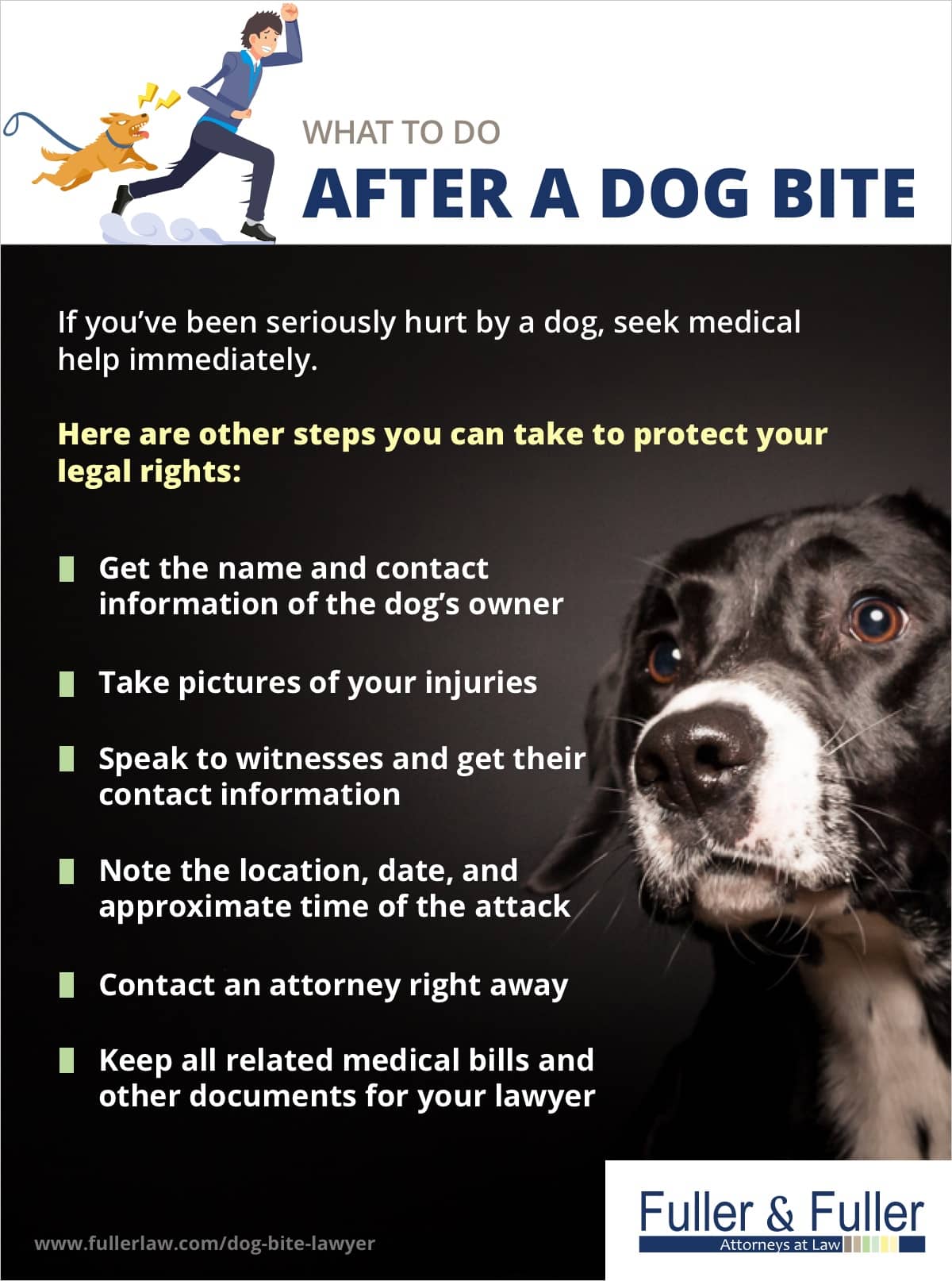
Image Source: www.fullerlaw.com
Comprehending Dog Bite Claims
When a dog bites someone, it can cause serious harm. People may need medical help. They might miss work. They can have lasting scars. They can also feel scared or hurt emotionally.
If a dog bites you, you may have the right to ask the dog’s owner for money. This money would help pay for your injuries and other losses. This is called making a claim or filing a dog bite lawsuit.
The main idea behind these cases is dog owner liability. This means figuring out if the dog owner is legally responsible for the bite. Laws about this are different in each state. But they all focus on who should pay when a dog causes harm.
Deciphering Legal Rules for Dog Bites
States have different rules about when a dog owner is responsible. Some states make it easier for bite victims. Other states have rules that are older or more complex.
Strict Liability Rules
Many states follow a rule called strict liability. This rule makes it simpler for the person who was bitten.
- What it means: In a strict liability state, the dog owner is responsible for the bite. This is true even if the owner did not know the dog was dangerous. It is also true even if the owner was careful. The law says that owning a dog comes with the risk that it might bite. If it does bite and hurt someone, the owner is often held responsible.
- Key Point: The victim usually does not have to prove the owner was careless. They just need to show the dog bit them and they got hurt.
- Common situations: This rule often applies if the person bitten was legally on the owner’s property or in a public place.
- State examples: Many states like California, Michigan, and Pennsylvania have strict liability laws for dog bites.
Negligence Rules
Some states use negligence dog bite law. In these states, just being bitten is not enough to hold the owner responsible.
- What it means: The person who was bitten must show that the dog owner was careless. They must show the owner did something wrong or failed to do something they should have done. This carelessness must have led to the bite.
- Showing carelessness: How can you show an owner was careless?
- Letting a dog known to be mean run free.
- Not using a leash in a place where leashes are required.
- Having a fence that was too low or broken, letting the dog escape.
- Not warning people about a dog that is easily upset.
- Not controlling the dog when they should have.
- More complex: These cases can be harder. You need proof that the owner was not careful. You need to show their lack of care caused your injury.
The “One Bite” Rule
Some states still use an older idea called the “one bite” rule.
- What it means: Under this rule, an owner is only responsible for a bite if they knew their dog had a history of biting or being dangerous. The first time the dog bites someone without the owner knowing it was mean might not lead to the owner being responsible.
- Knowing the dog is dangerous: How can you show the owner knew the dog was dangerous?
- The dog had bitten someone before.
- The dog often growled, snarled, or acted aggressively towards people.
- The owner made statements showing they knew the dog was mean (like “Be careful, he doesn’t like strangers”).
- The dog belonged to a breed often seen as dangerous (though this alone is often not enough proof).
- Becoming less common: Most states have moved away from the strict “one bite” rule. Even in states that still use some version of it, laws often allow a case if you can show the owner was negligent, even without a history of biting.
Let’s look at how these rules stack up:
| Rule Type | Owner’s Knowledge Needed? | Victim Must Prove… | Ease for Victim |
|---|---|---|---|
| Strict Liability | No | Dog bit victim, victim hurt | Easier |
| Negligence | No (but must show lack of care) | Owner was careless, bite happened because of it | Harder |
| “One Bite” Rule | Yes (had to know dog was dangerous) | Owner knew dog was dangerous, bite happened | Hardest |
Knowing which rule your state follows is very important. It affects what you need to prove to win your case.
Grasping What You Can Recover
If you can show the dog owner is responsible, you can ask for money. This money is called damages for dog bite injuries. It is meant to cover the losses you had because of the bite. We also call this compensation for dog bite.
What kind of losses can you get money for? It usually covers two main types:
Money Losses (Economic Damages)
These are costs you can put a clear dollar amount on.
- Medical Bills: This is often the biggest part. It includes:
- Doctor visits
- Hospital stays
- Surgery costs
- Medicine
- Physical therapy
- Counseling for emotional trauma
- Ambulance costs
- Future medical care that you will need because of the bite
- Lost Wages: If you had to miss work because of your injuries, you can get money for the pay you lost.
- Pay you lost right after the bite.
- Money you might lose in the future if your injury makes it hard to work or forces you to take a lower-paying job.
- Property Damage: If the dog bite also ruined your clothes, glasses, watch, or other items, you can ask for money to replace or fix them.
Non-Money Losses (Non-Economic Damages)
These are harder to put a price on, but they are real losses.
- Pain and Suffering: Money for the physical pain you felt from the bite and during your recovery.
- Emotional Distress: Money for the fear, anxiety, and stress caused by the attack. Dog bites can be very scary, especially for children. People might develop a fear of dogs.
- Scarring and Disfigurement: Money if the bite leaves permanent scars or changes how you look. This can affect a person’s self-esteem and quality of life.
- Loss of Enjoyment of Life: Money if your injuries keep you from doing things you used to enjoy, like hobbies, sports, or playing with your own children or pets.
The total amount of money you can get depends on many things:
- How bad your injuries are.
- How much your medical treatment costs.
- How long you were unable to work.
- How the injury affects your life long-term (scars, pain, emotional effects).
- Which state’s laws apply.
Interpreting How to File Your Claim
If a dog bites you, there are important steps to take. These steps can help you protect your health and your right to seek compensation for dog bite injuries.
First Steps Right After a Bite
- Get Medical Help: This is the most important step. Clean the wound. See a doctor or go to the emergency room. Dog bites can cause serious infections. Doctors can clean the wound well and decide if you need stitches, antibiotics, or rabies shots. Keep records of all medical care you get.
- Identify the Dog and Owner: If possible and safe, find out who owns the dog. Get their name, address, and phone number. If you can’t get this info, try to get a description of the dog and owner.
- Report the Bite: Report the bite to your local animal control or health department. This creates an official record of the event. It can also help check if the dog has rabies.
- Gather Information:
- Write it Down: As soon as you can, write down everything you remember about the bite. Where did it happen? What time was it? What was the dog doing? What were you doing? How did the owner react?
- Take Photos: Take pictures of your injuries right away. Take pictures as they heal. Also, take pictures of the location where the bite happened. If possible, get photos of the dog and the owner.
- Get Witness Info: If anyone saw the bite happen, get their names and contact information. What they saw could be very helpful.
- Keep Everything: Keep copies of all medical bills, records, and reports. Keep photos. Keep any notes you wrote.
Filing the Dog Bite Claim
After getting medical care and gathering information, you can start the process of seeking money. This is filing a dog bite claim.
- Contacting the Owner or Insurance: Often, the first step is to contact the dog owner. You (or a lawyer) will tell them you are seeking money for your injuries. Dog owners often have homeowner’s insurance dog bite coverage. This insurance policy might pay for the damages caused by the bite.
- Dealing with Insurance Companies: If the owner has insurance, the claim will likely go through their insurance company. Insurance companies want to pay as little as possible. They might ask for a lot of information. They might question if the owner was truly responsible. They might question how bad your injuries are.
- Making a Settlement Offer: Your claim will include details about your injuries, costs, and how the bite affected you. You will likely ask the insurance company for a specific amount of money to settle the claim.
- Negotiation: You or your lawyer will talk with the insurance company. You will try to agree on a fair amount of money. Many dog bite cases are settled out of court through negotiation.
- Filing a Lawsuit: If you cannot agree on a fair settlement amount, you might need to file a formal dog bite lawsuit in court. This is a legal process where a judge or jury might decide the outcome. Filing a lawsuit starts the formal legal case.
Time Limits (Statute of Limitations)
There are rules about how long you have to file a lawsuit. This is called the statute of limitations. It is different in each state. It is very important not to miss this deadline. If you do, you will likely lose your right to sue, no matter how strong your case is. The time limit usually starts on the date of the bite.
Because these deadlines exist, it is important to act quickly after a dog bite.
Getting Help From a Lawyer
Dealing with a dog bite claim can be complex. You need to know the laws in your state. You need to gather the right proof. You need to talk to insurance companies or go to court. This is where a personal injury lawyer dog bite can be very helpful.
What a Lawyer Does
A lawyer who handles dog bite lawsuit cases knows the laws. They know how insurance companies work. They know how to build a strong case for you.
- Explaining Your Rights: A lawyer can tell you if you have a case and what rule applies in your state (strict liability, negligence, etc.). They can explain your dog bite victim rights.
- Investigating the Bite: A lawyer can gather evidence. They can get the animal control report. They can talk to witnesses. They can get records of past problems with the dog. They can get your medical records and bills.
- Dealing with Insurance Companies: Lawyers know how to talk to insurance adjusters. They know what information to give and what not to give. They can fight for fair compensation for dog bite injuries.
- Figuring Out Damages: A lawyer can help you understand all the losses you have had or will have. This makes sure you ask for the right amount of money for medical bills, lost wages, pain, scars, and other harm.
- Negotiating a Settlement: Lawyers are skilled negotiators. They can work to get you a fair settlement without having to go to court.
- Filing a Lawsuit: If a settlement is not possible, a lawyer can file a dog bite lawsuit for you. They will handle all the steps of the court case.
- Going to Court: If the case goes to trial, your lawyer will represent you in front of the judge and jury.
How Lawyers Get Paid
Most personal injury lawyers who handle dog bite cases work on a “contingency fee” basis.
- What it means: This means you do not pay the lawyer anything upfront. The lawyer gets paid a part of the money they win for you at the end of the case.
- No Win, No Fee: If the lawyer does not get you any money (either through settlement or court win), you usually do not owe them any lawyer fees.
- Benefits: This makes it possible for anyone to get legal help, even if they do not have money to pay a lawyer hourly.
Choosing the right personal injury lawyer dog bite is important. Look for someone with experience handling these types of cases. They will understand the specific laws and challenges of dog bite claims.
Insurance and Paying for Harm
Where does the money for compensation for dog bite injuries come from? Often, it comes from the dog owner’s insurance.
Homeowner’s or Renter’s Insurance
Most homeowners or renters have insurance. This insurance often includes liability coverage.
- What it covers: Liability coverage can pay for injuries or damage that happen on the property. It can also sometimes cover things that happen away from home, like a dog bite at the park.
- Dog Bite Coverage: Many homeowner’s insurance policies cover dog bites. However, some policies might:
- Not cover certain breeds of dogs they see as dangerous (like Pit Bulls, Rottweilers, or others).
- Exclude coverage if the dog has a history of biting.
- Have a limit on how much they will pay for a dog bite claim.
- How it works: If a dog bite happens, the owner reports it to their insurance company. The insurance company will investigate the claim. If they agree the owner is responsible and the policy covers the bite, they will pay the damages up to the policy limit.
What If There Is No Insurance?
Sometimes, the dog owner does not have homeowner’s or renter’s insurance. Or their policy does not cover the bite. In these cases, getting compensation for dog bite can be harder.
- Owner’s Money: You might have to try and get money directly from the owner. This depends on if the owner has savings, property, or other assets.
- Difficult Process: If the owner does not have much money or assets, it can be hard to collect the full amount you are owed, even if you win a dog bite lawsuit.
- Uninsured/Underinsured Motorist Coverage: In some rare cases, if a dog bite involved a car (like a dog running into the road and causing an accident, then biting someone), your own car insurance might offer some help through uninsured/underinsured motorist coverage or medical payments coverage. This is not common for typical dog bites, though.
- Checking All Options: A personal injury lawyer dog bite can help you look into all possible ways to get paid, even if insurance is not available.
Policy Limits
Insurance policies have limits. This is the most the insurance company will pay for one claim or in one year. If your damages for dog bite are higher than the owner’s insurance limit, getting the full amount can be a challenge.
- Umbrella Policies: Some people have extra insurance called an umbrella policy. This provides more coverage above the limits of their standard homeowner’s or car insurance.
- Seeking Money from the Owner: If the insurance limit is not enough, you might have to seek the rest of the money directly from the dog owner’s personal assets.
Knowing Your Rights
As a dog bite victim, you have certain rights. Knowing these rights helps you make smart choices after an attack.
- Right to Seek Medical Attention: Your first right is to care for your health. Get all the medical treatment you need.
- Right to Information: You have the right to know who owns the dog that bit you. You also have the right to know if the dog is up-to-date on shots, like rabies vaccination. Animal control can help get this information.
- Right to Report: You have the right to report the bite to animal control and law enforcement if needed.
- Right to Seek Compensation: You have the right to seek money for the harm you suffered because of the bite. This includes medical bills, lost wages, pain, scarring, and other losses. This is your right to pursue a dog bite lawsuit or claim.
- Right to Legal Help: You have the right to talk to a lawyer about your case. A lawyer can explain your options and help you understand your dog bite victim rights under your state’s laws.
- Right to Privacy: While you must share some medical information to prove your injuries for a claim, you also have rights regarding the privacy of your health information.
What If the Owner is a Friend or Family Member?
Sometimes, the dog owner is someone you know. This can make things feel awkward. You might not want to sue someone you care about.
- Insurance Pays: Remember that in most cases, the money comes from the owner’s insurance, not directly from their pocket. Making an insurance claim is often why people have insurance in the first place.
- Focus on Your Needs: Your injuries and costs are real. Getting the money you need to heal and recover is important for you.
- Legal Help Can Make it Easier: A lawyer can handle talks with the insurance company. This can help keep the personal relationship separate from the insurance claim process.
Things That Change Your Case
Not every dog bite leads to a successful claim or dog bite lawsuit. Some things you did or the situation itself can affect whether you can get compensation for dog bite injuries.
Did You Upset the Dog? (Provocation)
If you did something to make the dog bite, it could hurt your case. This is called provocation.
- Examples of provocation:
- Hitting or kicking the dog.
- Teasing the dog.
- Stepping on the dog’s tail or body.
- Hurting the dog while trying to break up a dog fight.
- (For children) Pulling the dog’s ears or tail roughly.
- How it affects your case: If the owner can show that your actions caused the bite, you might not be able to recover any money. In some states, even slight provocation can stop your claim. In others, the court will look at how serious your actions were compared to the bite.
Were You Allowed to Be There? (Trespassing)
Where you were when the bite happened matters.
- Legally on property: If you were invited to the owner’s home, delivering mail, or had another legal reason to be there, you are usually considered a “lawful visitor.” You have the strongest right to seek compensation.
- Trespassing: If you were on the owner’s property without permission, your right to sue is usually limited. Owners generally do not owe a duty of safety to trespassers. There can be exceptions, like if the owner set a “trap” or if the trespasser was a child.
- Public places: If the bite happened in a public park or on a sidewalk, the owner can still be responsible based on leash laws, local rules, or negligence.
Were You Partly at Fault? (Comparative or Contributory Negligence)
In some states, if the bite happened partly because of the owner’s fault and partly because of your own carelessness, it can affect the amount of money you get.
- Contributory Negligence (few states): In a few states, if you were even a little bit at fault, you might get no money at all.
- Comparative Negligence (most states): Most states use comparative negligence. The court or insurance company will decide what percentage of fault belongs to the owner and what percentage belongs to you. If you are found partly at fault, the amount of money you can get is reduced by your percentage of fault.
- Example: If your total damages are $10,000, but the court finds you were 20% responsible (maybe you were petting the dog roughly after being warned), you might only receive $8,000 (10,000 minus 20%).
- Some comparative negligence states have a rule that if you are found more than 50% at fault, you cannot recover anything.
Other Factors
- Working Dogs: Bites from police dogs, military dogs, or service dogs might have different rules. These dogs are often trained to bite, and their handlers have specific protections under the law.
- Landlords: Sometimes, the bite happens on rental property. Can you sue the landlord? Usually, landlords are not responsible unless they knew the dog was dangerous and had the power to make the tenant remove the dog, but did nothing.
- “Beware of Dog” Signs: Does a sign like this protect the owner? It can show the owner knew the dog might be dangerous (helpful for the “one bite” rule). But it doesn’t usually free the owner from responsibility, especially under strict liability or if you were legally on the property.
These factors show why the details of what happened are so important in a dog bite lawsuit.
Keeping Safe
Both dog owners and the public play a role in preventing bites.
- For Owners: Train your dog. Socialize them early. Use leashes in public. Have secure fences. Watch your dog around strangers, especially children. Learn your dog’s body language.
- For Others: Ask before petting a dog. Do not disturb a dog that is eating, sleeping, or with puppies. Do not run from a dog. Do not approach a dog you do not know, especially if it is tied up or in a car.
Even with care, bites can happen. If you are bitten, remember the steps to take to protect your health and your legal rights.
Questions Many People Ask
Getting bitten by a dog leads to many questions. Here are answers to some common ones:
How long do I have to file a dog bite lawsuit?
This is the statute of limitations. It varies by state. It is usually between one and three years from the date of the bite. If you miss this deadline, you will almost certainly lose your right to sue. It’s best to talk to a lawyer as soon as possible after the bite.
What should I do right after a dog bite?
Get medical help immediately. Clean the wound. Go to a doctor or hospital. Report the bite to animal control. Get the owner’s information. Take photos of your injuries and the scene. Get names of witnesses. Keep all medical records and bills.
Can I sue if the bite happened on the dog owner’s property?
Yes, often you can. If you were legally on the property (invited, delivery person, etc.), the owner can be responsible, especially in strict liability states. If you were trespassing, it is much harder.
What if the dog that bit me had rabies?
If you think the dog might have rabies, get medical help immediately for yourself. Rabies shots are needed quickly after exposure. Reporting the bite to animal control is important so they can find the dog and check it for rabies. If the owner was negligent in allowing a dog with rabies (or unknown vaccination status) to bite someone, that can be part of your claim for your medical costs.
Does the dog’s breed matter?
The dog’s breed alone does not usually make the owner responsible in most states. However, if a state has “strict liability,” the breed is less important than the fact that the dog bit someone. In states using negligence or the “one bite” rule, the breed might be mentioned as part of whether the owner knew the dog might be dangerous, but it’s not the only factor. Some insurance companies do refuse to cover certain breeds.
What if the dog bite was minor?
If the bite only caused a small scratch or bruise that needed no medical care, a full dog bite lawsuit may not be worth it. However, even minor bites can get infected. It’s wise to see a doctor for any bite. If you have medical bills, missed work, or other losses, you can likely seek compensation for dog bite injuries, even if the injury wasn’t life-threatening.
Do I always need a lawyer to file a dog bite claim?
For very minor bites with no real injury, you might not need a lawyer. But if you have medical bills, missed work, lasting pain, scars, or emotional trauma, dealing with the insurance company or owner yourself can be hard. A personal injury lawyer dog bite knows how to value your claim and fight for fair damages for dog bite injuries. They can greatly increase your chances of getting the compensation you deserve. Most work on a contingency fee, so you don’t pay unless they win.
Can I sue if the dog owner is a child?
You sue the dog’s owner. If the legal owner is a child, the lawsuit would typically be against the child’s parents or legal guardians. They are often the ones responsible for the child and the child’s dog, especially if the dog lives in their home.
What if the owner claims I was teasing the dog?
This goes back to provocation. If the owner claims you provoked the dog, it can make your case harder. You will need to show that you did not provoke the dog or that the bite was far worse than what your actions might justify. Witness statements are very important here. A lawyer can help argue against claims of provocation.
Summing It Up
Getting bitten by a dog can be a painful and scary event. Knowing your rights and the steps you can take is important.
You can often sue a dog owner for a bite, especially if you were hurt. The ability to sue and win depends on your state’s laws, like strict liability dog bite rules or negligence dog bite law. It also depends on the facts of how the bite happened and if any issues like provocation were involved.
Seeking compensation for dog bite injuries can help you cover medical bills, lost pay, and other harm like pain or scarring (damages for dog bite). Often, the dog owner’s homeowner’s insurance dog bite coverage is used to pay these costs.
The process of filing a dog bite claim involves getting medical care, reporting the bite, gathering proof, and talking with the owner or their insurance. This can be complicated.
Having a personal injury lawyer dog bite on your side can make a big difference. They understand dog owner liability and your dog bite victim rights. They can handle the legal steps and fight to get you the fair money you need to recover.
If you have been bitten by a dog, take care of your health first. Then, think about your rights and consider talking to a lawyer to understand your options. Acting quickly is important because of time limits for filing a dog bite lawsuit.